




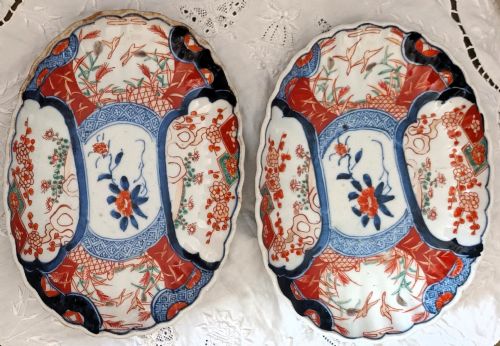
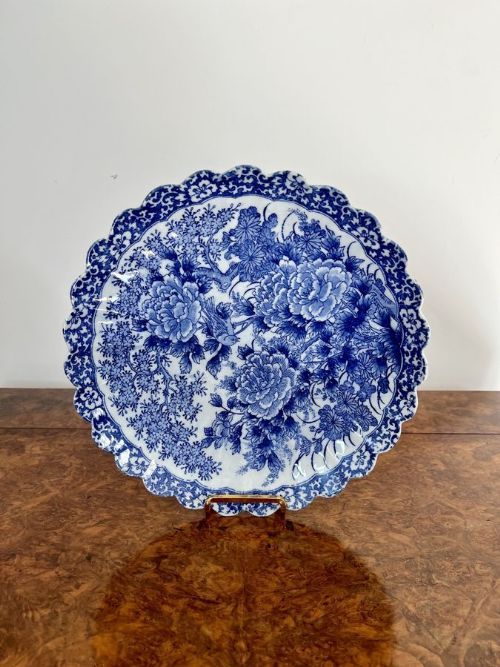


Imari Ware Dish
An imari ware dish brings traditional ceramic artistry into a room through hand-painted floral and bird designs.
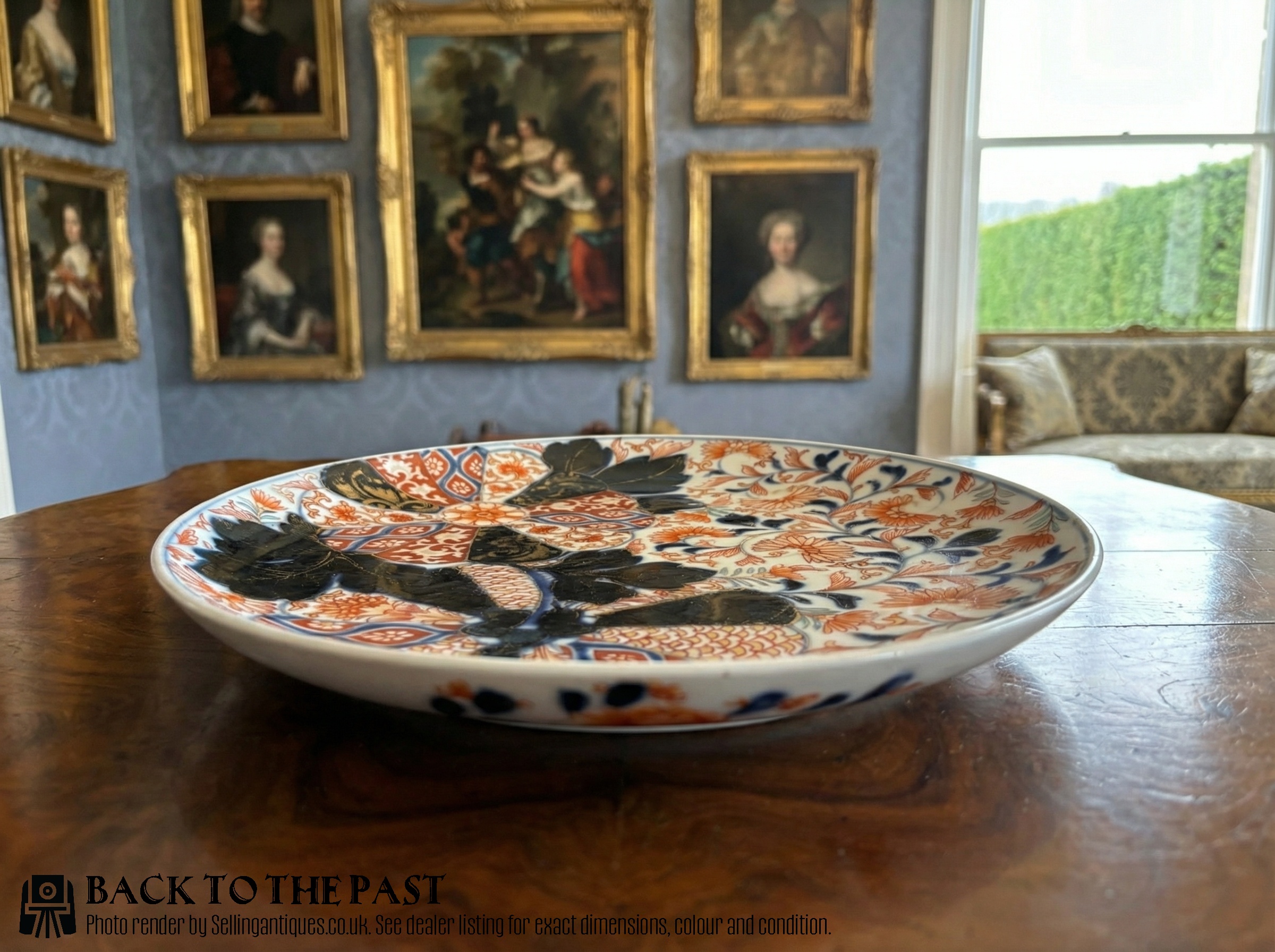
Imari Ware Dish
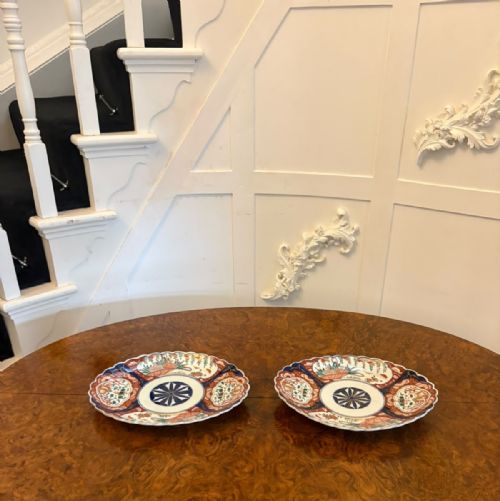
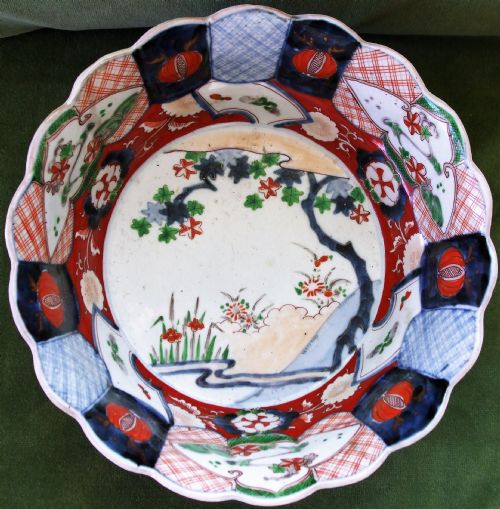
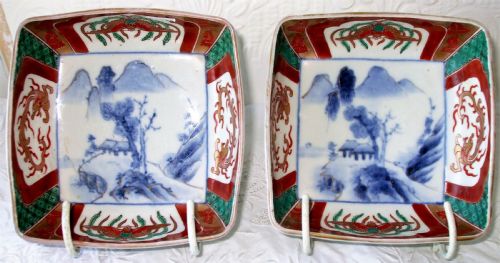
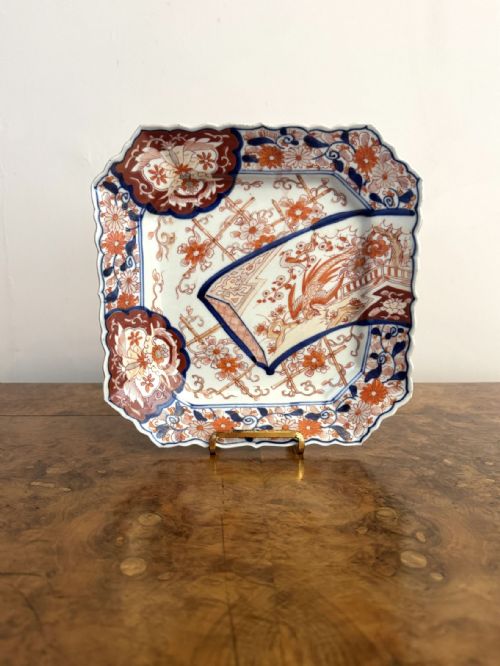
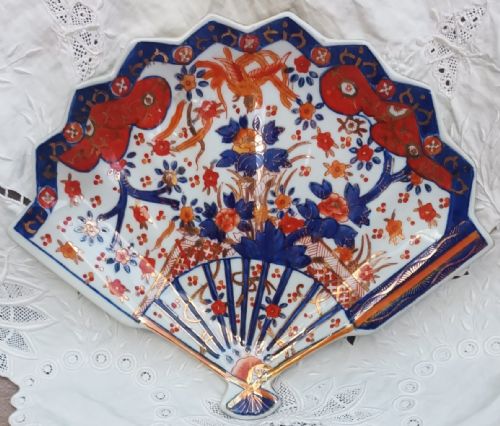
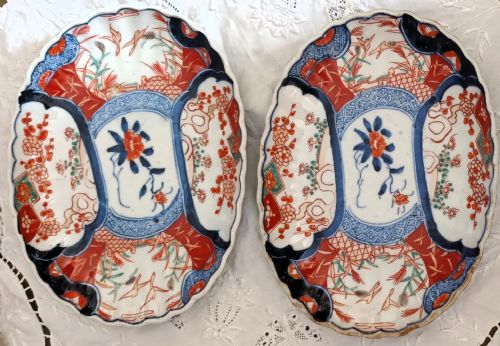
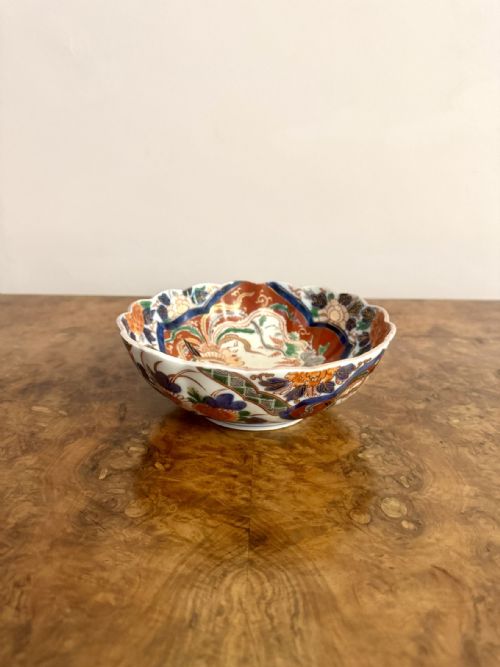
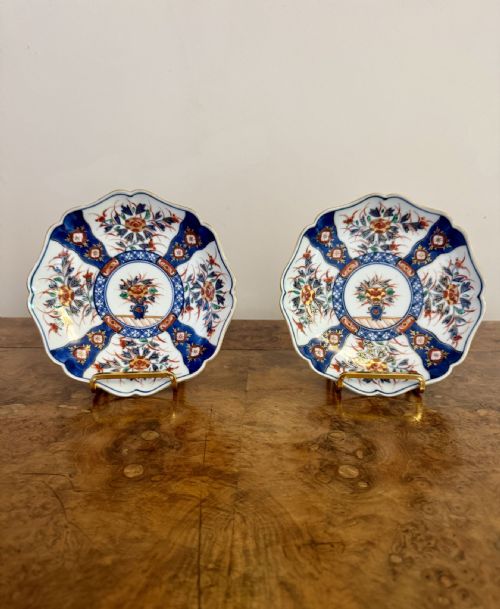
An imari ware dish takes the form of plates, chargers, bowls, and shaped display pieces originating from Japan across the Edo and Meiji periods. These ceramics appear in circular, scalloped, square, hexagonal, fan, and shell configurations designed for visual display.
The pieces on this page span from the seventeenth century through to the early twentieth century, with nineteenth-century examples appearing frequently. Buyers encounter both single decorative plates and matched pairs or sets for interior placement.
Materials and Craft
Potters built these items using porcelain as the primary substrate, applying cobalt glaze beneath the surface before adding enamel paint over the top. Artisans incorporated gold leaf, gilt, and gilding to highlight specific patterns across the decorated surface.
Makers utilised enamel glaze to build the characteristic multi-coloured palette seen on these plates and bowls. Each item received hand-painted detailing, combining blue and white underglaze with vibrant overglaze pigments.
Among the standard round plates, occasional clamshell and fan-shaped dishes offer a glimpse of playful ceramic geometry.
Quality Variations
The standard of an imari ware dish rests upon the precision of the hand-painted decoration and the complexity of the form. Square, fan, shell, and hexagonal shapes demand greater skill from the potter than standard circular plates.
The application of gold leaf and enamel glaze differentiates standard utility wares from pieces produced for display. Crisp brushwork in the floral and bird motifs distinguishes finer examples within the available selection.
The Imari Ware Dish Glossary
- Imari
- A style of Japanese export porcelain originating from the port of Imari, traditionally characterised by a palette of blue, iron red, and gold. This decorative scheme appeared on plates, chargers, and bowls throughout the Edo and Meiji periods.
- Charger
- A large decorative plate intended for display on a wall or sideboard rather than for dining use. These substantial vessels often feature intricate hand-painted bird and floral compositions.
- Meiji Period
- The era of Japanese history lasting from 1868 to 1912, associated with a surge in export ceramics reaching Western markets. Pieces from this period frequently display refined enamel glaze and gilding.
- Edo Period
- The period in Japanese history spanning from 1603 to 1867, encompassing early Arita and imari production. Surviving examples from this time represent the earlier foundations of the ceramic tradition.
- Scalloped Edge
- A decorative border shaped into a series of continuous curves resembling the edge of a scallop shell. This contour appears frequently on nineteenth-century Japanese plates and bowls.
Imari Ware Dish: Frequently Asked Questions
How do I display an imari charger?
These large plates suit placement on dedicated wall mounts or sturdy sideboard stands where the hand-painted details remain visible. Adequate lighting helps reveal the gold leaf and enamel glaze applied across the surface.
Positioning the pieces away from direct heat sources protects the porcelain and prevents any potential wear to the overglaze decorations over time.
What is the difference between Edo and Meiji pieces?
Edo period items originate from the seventeenth and eighteenth centuries, representing the earlier phases of Japanese porcelain manufacture. Meiji period works date from the late nineteenth and early twentieth centuries, forming the majority of decorative plates seen today.
Stylistic shifts in brushwork and the intensity of the cobalt glaze help distinguish the earlier wares from later export productions.
How were imari dishes used originally?
Export imari ceramics served primarily as ornamental display objects in European and domestic interiors rather than everyday tableware. Their vibrant cobalt glaze and gold gilding made them centrepieces for reception rooms.
Households arranged chargers and bowls on cabinets or hung them on walls to showcase wealth and an appreciation for Japanese craftsmanship.
Are these pieces hand painted?
The designs on these plates, bowls, and chargers feature hand-painted floral and bird motifs applied over cobalt underglaze. Artisans used fine brushes to execute the intricate patterns visible on the porcelain surface.
Overglaze enamel and gold leaf were added by hand in subsequent firings to complete the characteristic aesthetic.
How do I clean an antique imari dish?
Dusting with a dry, soft cloth remains the safest method for maintaining the surface of antique porcelain and enamel glaze. Moisture can sometimes affect vulnerable overglaze gilding if cleaning is performed too aggressively.
Avoiding chemical cleaning products preserves the original condition of the hand-painted pigments and the integrity of the ceramic body.