

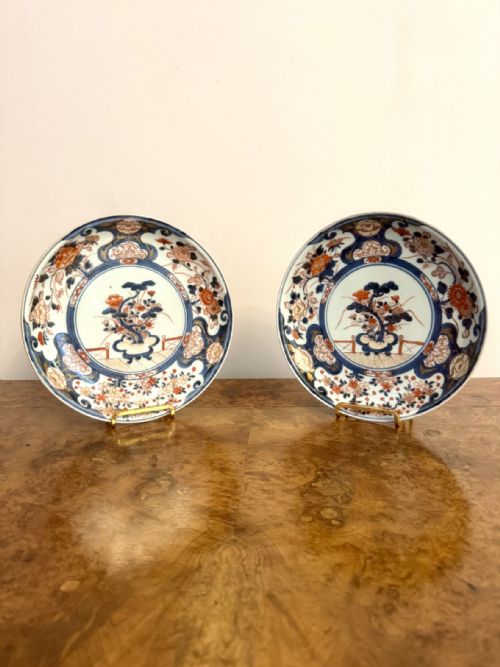
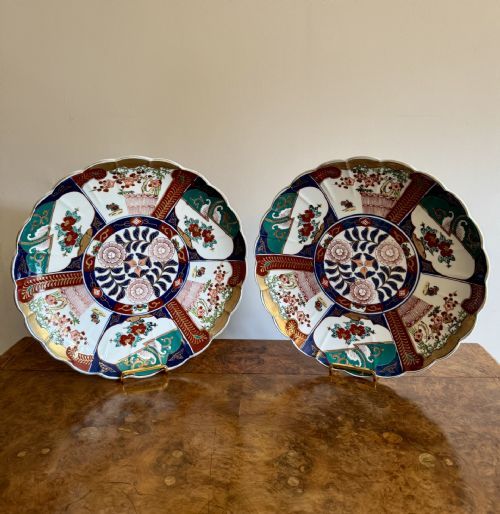


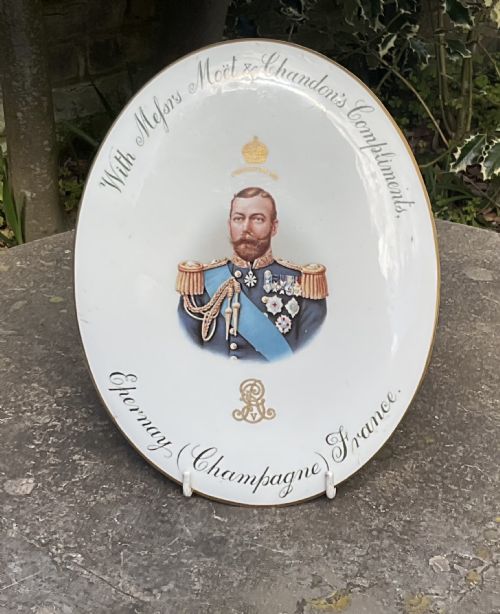

Gilded Ceramic Wall Charger
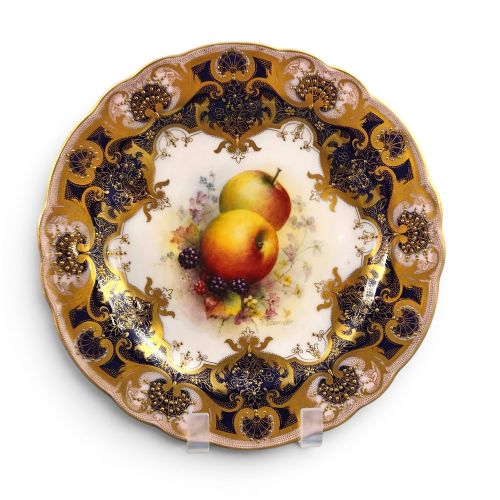
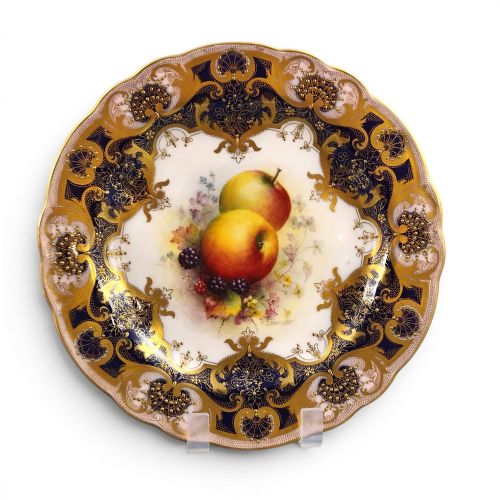
These gilded ceramic wall chargers bring rich hand-painted scenes and metallic leaf directly to vertical display spaces.
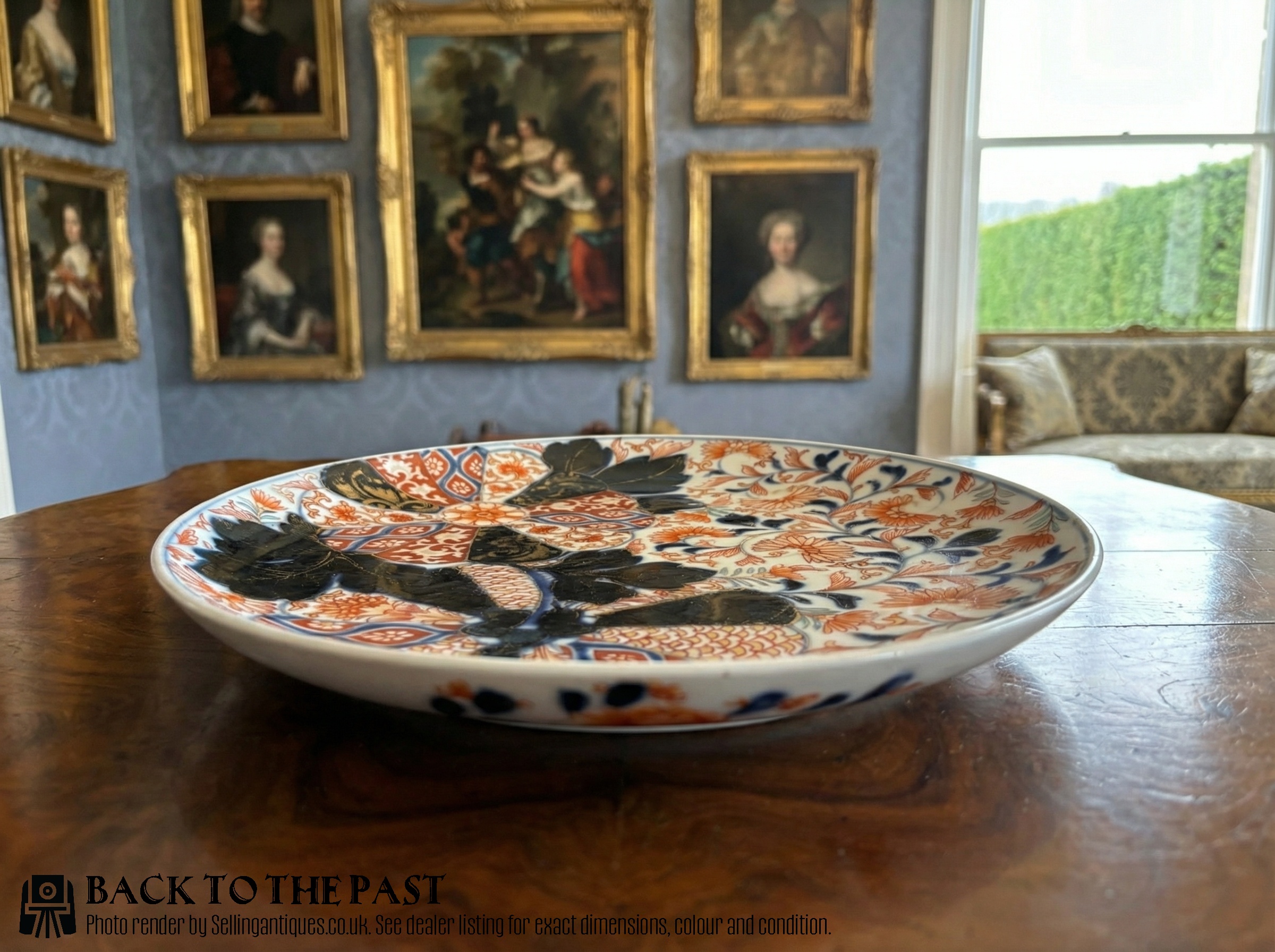
Gilded Ceramic Wall Charger
A gilded ceramic wall charger acts as a large decorative focal point, often spanning significant diameters for display on walls or within cabinets. Buyers seek these pieces to introduce historic character, intricate hand-painted narratives, and metallic brilliance into domestic interiors.
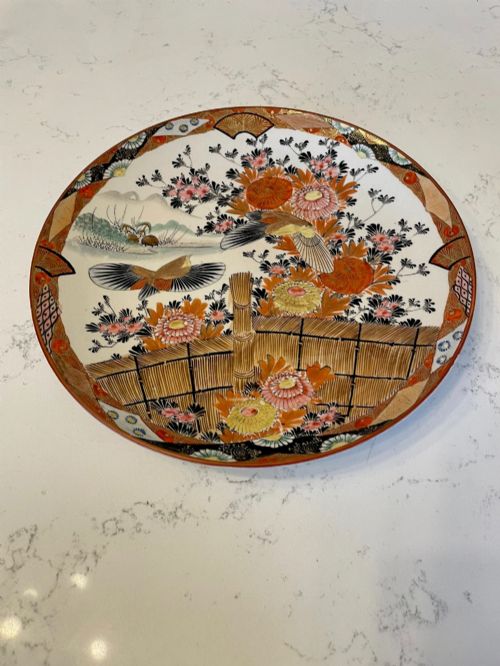
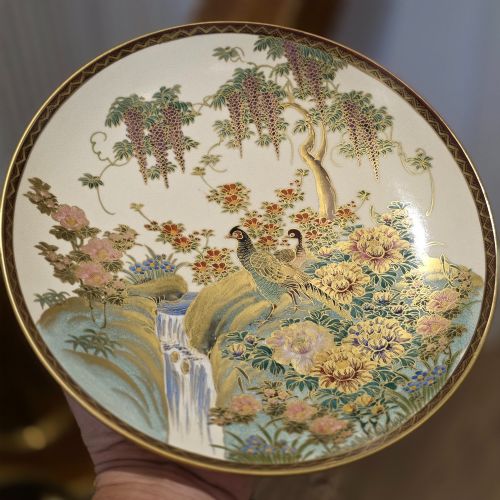
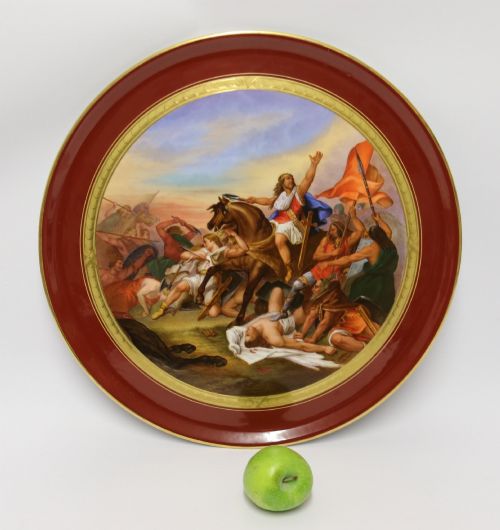
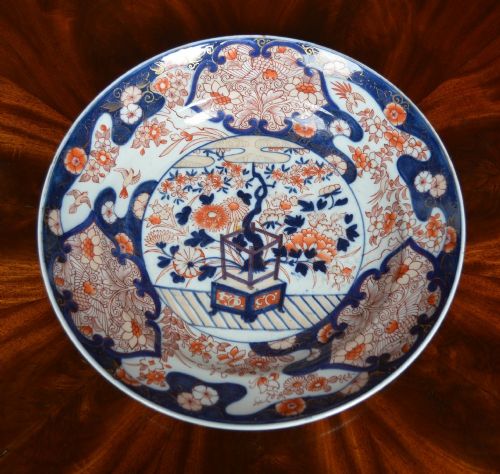
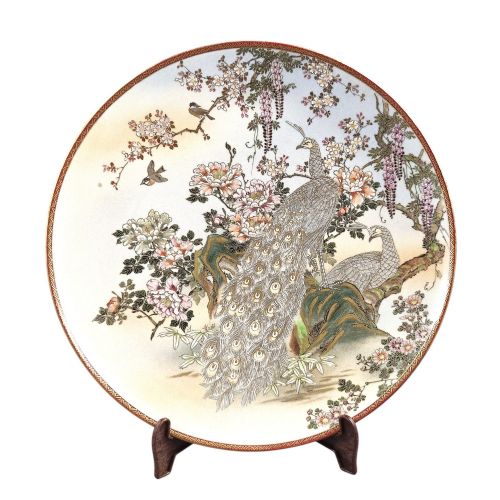
The selections span nineteenth-century production through early twentieth-century manufacturing, encompassing Japanese Imari ware, Satsuma pottery, and European porcelain houses like Vienna and Meissen. Japanese Imari and Satsuma chargers appear frequently alongside grand neoclassical and mythological hand-painted European porcelain works.
Forms range from traditional circular chargers and cabinet plates to fan-shaped, square, octagonal, and reticulated variations. Collectors encounter works originating from English potteries, French porcelain studios, and Japanese Meiji period kilns.
Materials and technique
Makers utilised ceramic bodies formed from porcelain, earthenware, or pottery, shaping them into large plates and chargers before applying vitreous glazes. Potters fired these pieces at high temperatures to achieve a stable base for subsequent enamel painting.
Artisans applied gold leaf, gilt, and gilding by hand to accentuate borders, motifs, and pictorial scenes. Skilled painters executed detailed figurative subjects, floral arrangements, and heraldic designs using coloured enamels over or under the glaze.
Listings feature porcelain and earthenware bodies decorated with gold leaf, enamel, and glaze across Victorian, Meiji period, and Edwardian eras.
Assessing quality
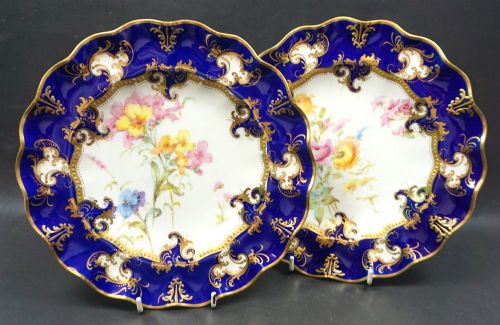
The refinement of the hand-painted brushwork distinguishes standard production from exceptional examples, particularly in complex figural scenes depicting historical, mythological, or botanical subjects. Precision in the application of gold leaf and the crispness of moulded or reticulated ceramic borders indicate higher workshop standards.
The complexity of the form and the preservation of the original gilt and enamel surfaces determine the standing of an individual charger. Pieces retaining clear factory or period marks alongside sophisticated pictorial compositions represent the upper tier of the medium.
Koshida·Royal Crown Derby·Royal Worcester·Pucher Deroche·Meissen
The Gilded Ceramic Wall Charger Glossary
- Charger
- A large decorative plate traditionally designed for display on a wall or sideboard rather than for dining use. These pieces often measure significantly wider than standard dinner plates.
- Gilt
- A thin layer of gold applied to the surface of the ceramic to provide metallic highlights. Artisans used gold leaf or liquid gold preparations to accentuate rims and painted details.
- Imari
- A traditional style of Japanese porcelain and earthenware characterised by a palette of cobalt blue, iron red, and added gold. Production centred on the town of Arita and shipped through the port of Imari.
- Reticulated
- Having an openwork or netted pattern cut into the ceramic body before firing. This technique created delicate, lace-like borders on cabinet plates.
- Satsuma
- A type of Japanese pottery with a crackle-glaze earthenware body decorated with polychrome enamels and gilt. Meiji period Satsuma pieces often depict dense figurative scenes with peacocks, wisteria, and peonies.
Gilded Ceramic Wall Charger: Frequently Asked Questions
How do you hang a wall charger safely?
Displaying a heavy ceramic charger requires a specialised spring-loaded plate hanger that distributes weight evenly across the rim. Ensure the fixing secured into the wall supports the specific weight of the porcelain piece.
Avoid hanging chargers in areas subject to direct sunlight or dramatic temperature fluctuations to protect the enamel pigments and gold leaf over time.
What is the difference between a charger and a cabinet plate?
A charger is substantially larger in diameter, traditionally intended for ceremonial display or as a base plate under smaller courses. Cabinet plates are generally smaller and produced specifically for visual appreciation within display furniture.
Both forms frequently feature elaborate hand-painted scenes and gilt borders designed to catch the light.
What periods do these ceramic pieces date from?
The available pieces primarily span the nineteenth century and the early decades of the twentieth century. This includes Victorian productions, Meiji period Japanese works, and Edwardian cabinet plates.
Earlier nineteenth-century examples often display neoclassical or Rococo Revival influences, while later pieces reflect evolving aesthetic movements.