



Antique Satsuma Urns
Antique satsuma urns are highly decorative earthenware vessels defined by intricate enamel and gilt painting, prized for their rich Japanese artistry.
Antique Satsuma Urns
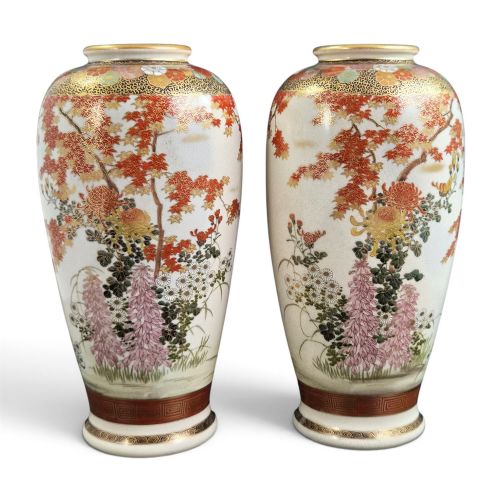
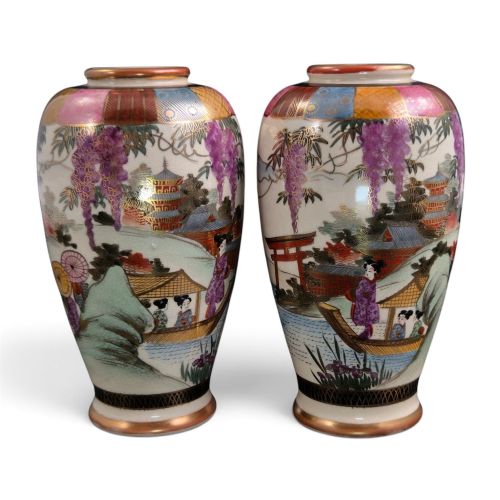
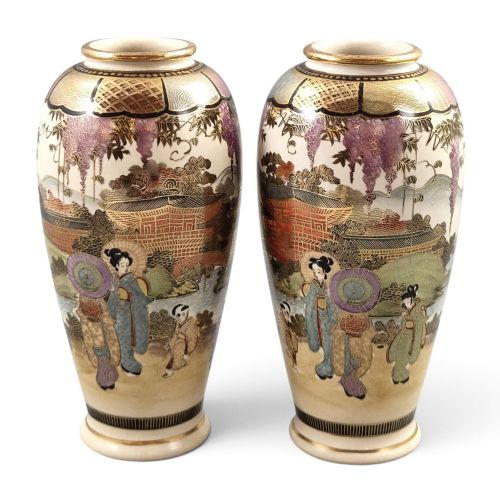
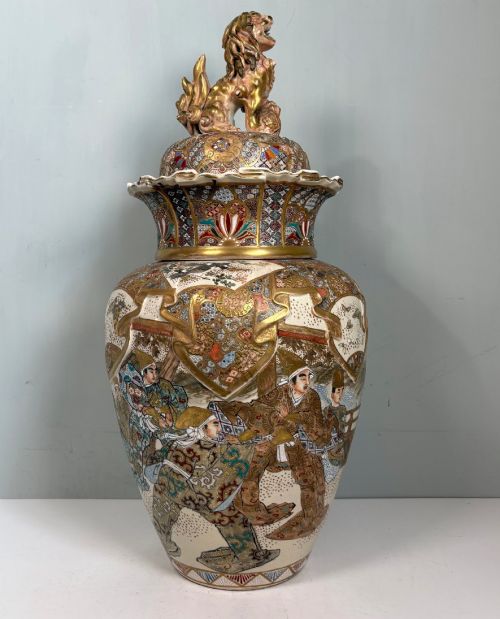
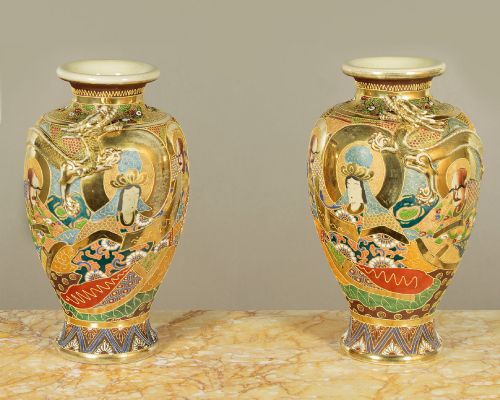
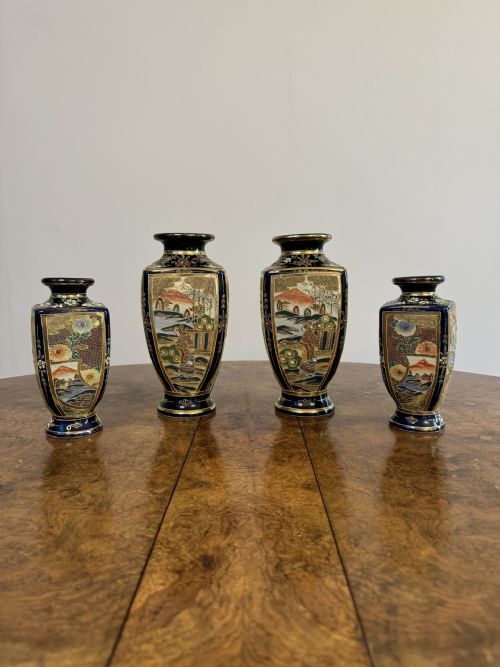
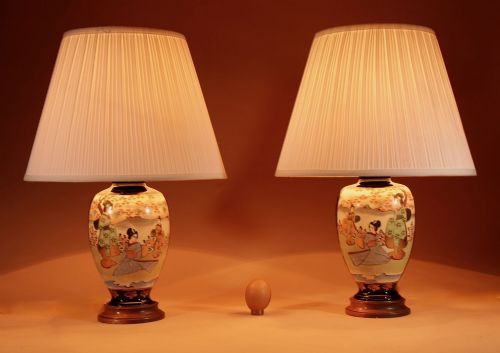
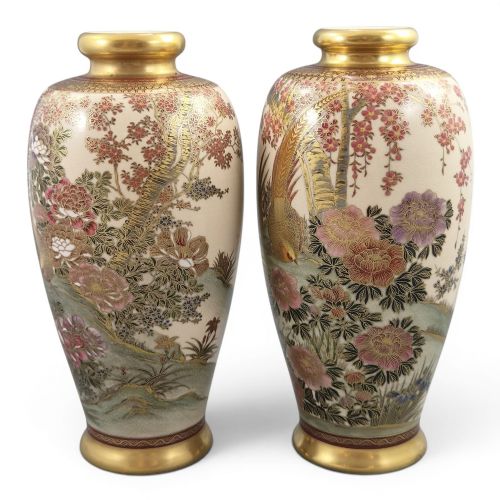
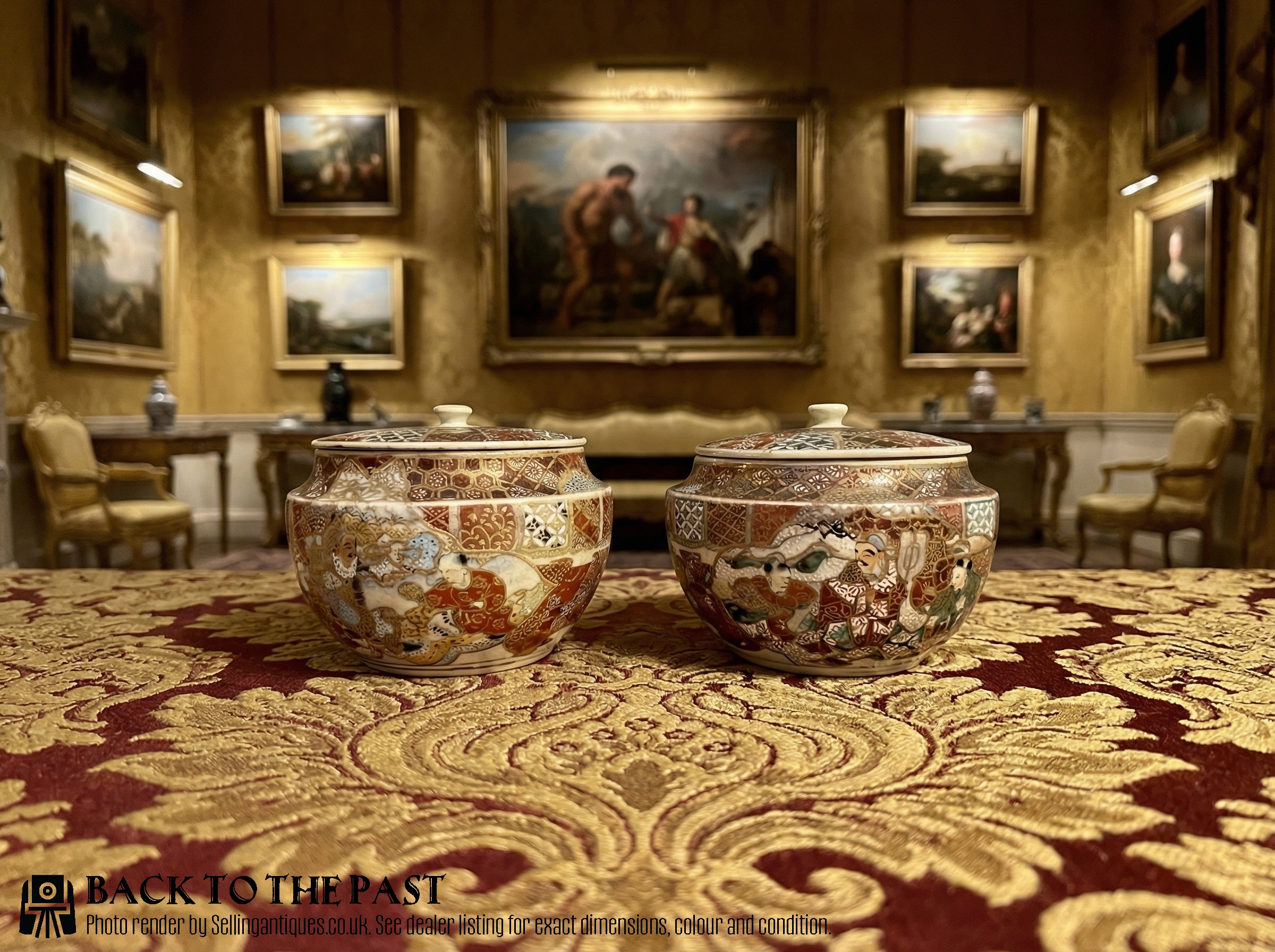
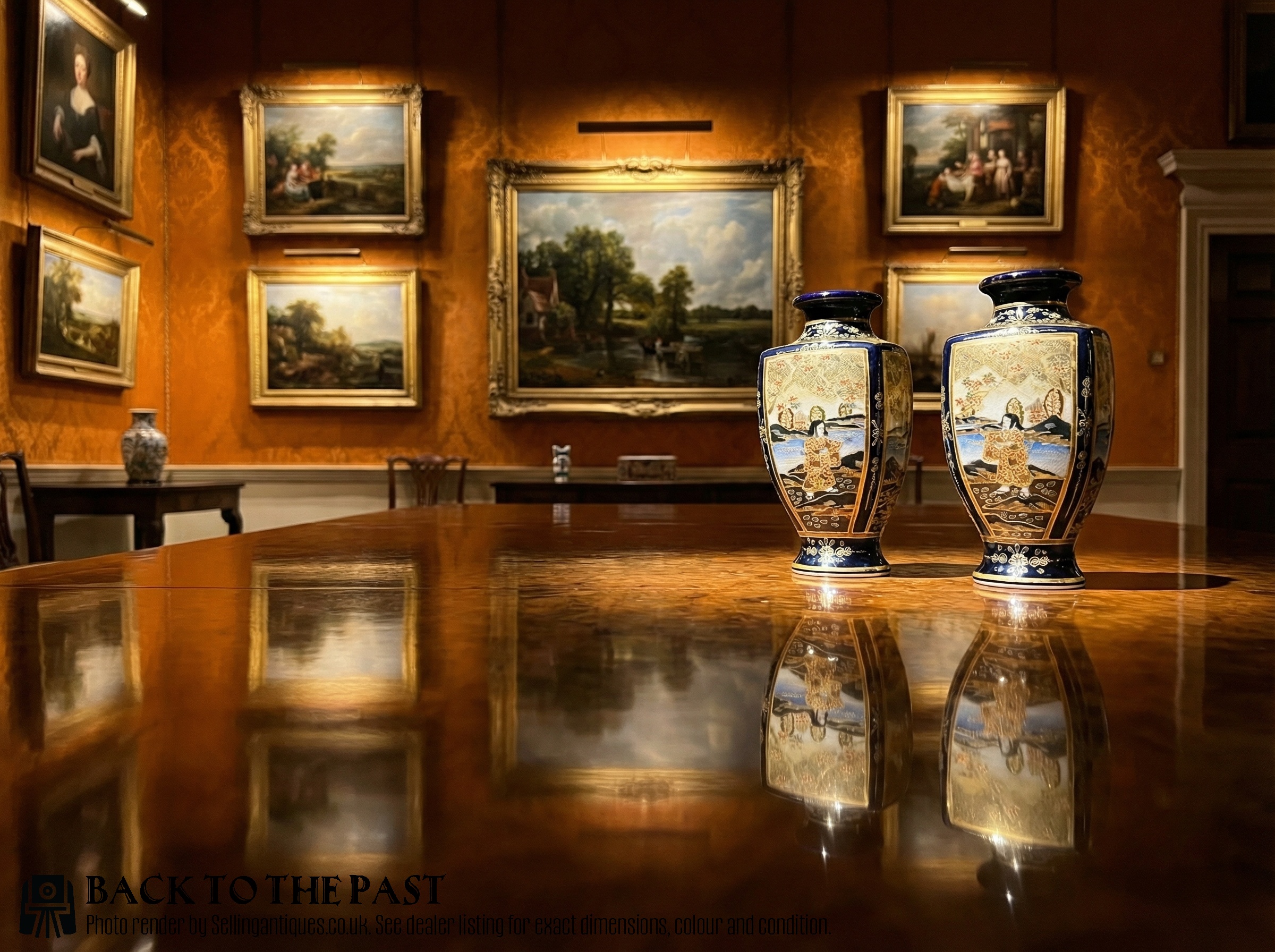
When seeking antique satsuma urns, you encounter earthenware vessels ranging from large baluster vases and lidded jars to incense burners and table lamps. These pieces originate primarily from Japanese production periods spanning the late nineteenth century into the early twentieth century, including Meiji, Taisho, and Showa eras.
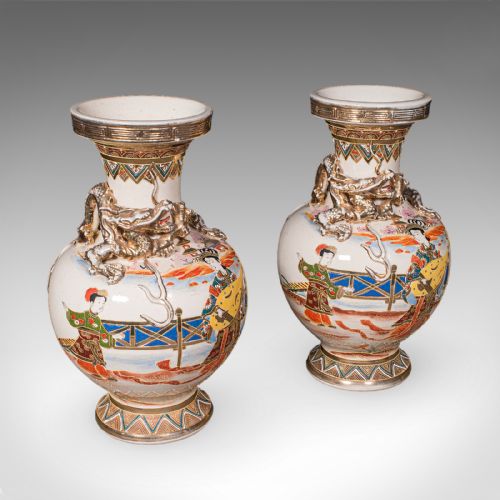
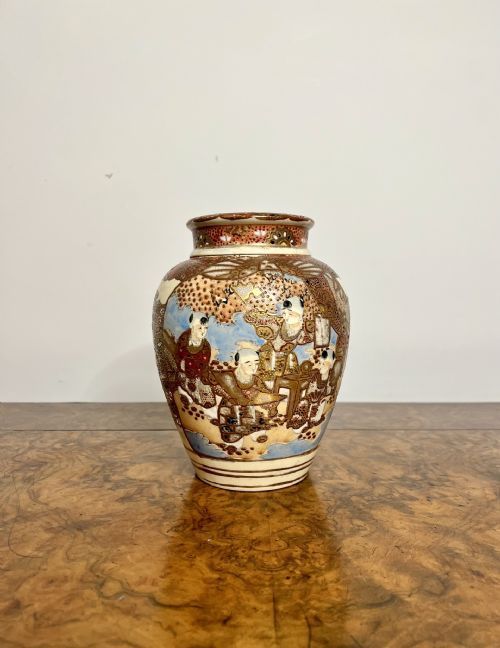
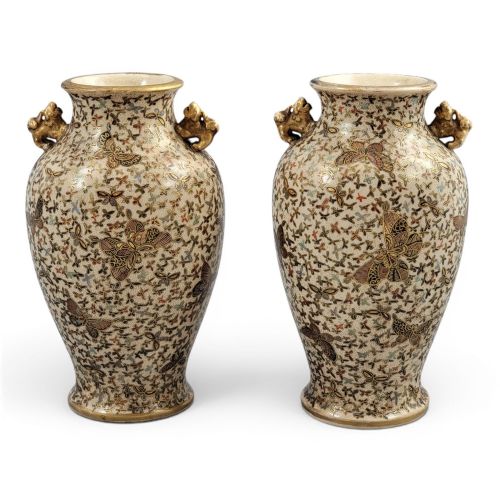
The objects commonly feature elaborate pictorial surfaces depicting court figures, arhats, floral motifs like wisteria, and detailed landscapes. Most examples survive as matched pairs or individual decorative centrepieces created in regional centres such as Kyoto and Kobe.
How They Were Made
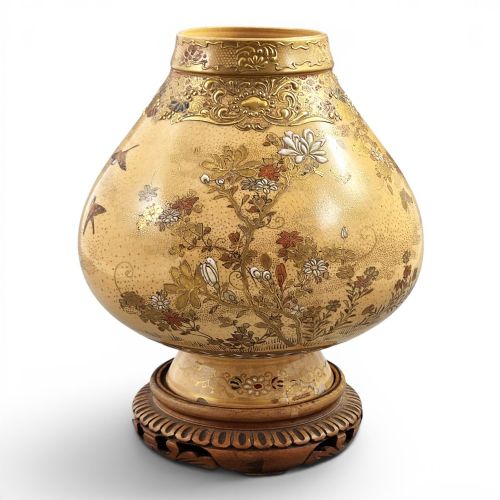
Makers shaped these vessels from ceramic earthenware, applying a characteristic finely crackled glaze that formed the base for subsequent painting. Artisans then built up complex imagery using coloured enamels combined with extensive gold leaf and gilt decoration.
Certain areas frequently incorporate raised enamel work, known as moriage, which adds a distinct tactile relief to the heavily patterned surfaces. Signed pieces often display painted or impressed marks indicating the specific workshop or artist responsible for the intricate execution.
Listings feature earthenware vessels spanning the Victorian and Edwardian eras, alongside pieces marked by Meiji, Taisho, and Showa periods.
What Varies in Quality
The distinction between standard production and exceptional work rests entirely on the precision and density of the hand-painted detail. Superior examples display microscopic control in the rendering of facial expressions, garments, and foliage without crowding the composition.
The application of gold gilt and raised enamel also determines the tier of the piece, with finer vessels showing deep, burnished metallic lustre and harmonious colour palettes across the entire ceramic body.
Maruni Kobe·Shozan·Manpei·Kinkōzan·Hotoda·Kinzan·Chosei·Nanzan·Seiko-en Chokei·Yamashu·Kizan·Hakusan·Tagawa·Tashiro
The Antique Satsuma Urns Glossary
- Moriage
- A decorative technique where clay or enamel is applied in raised dots or lines to create a textured, three-dimensional surface before gilding. This method is frequently found on Satsuma wares to highlight robes and floral elements.
- Meiji Period
- The era in Japanese history spanning from 1868 to 1912, characterised by the opening of trade with the West and a surge in ornate ceramic production for export. Many of the finest surviving decorative vessels date from this period.
- Shimazu Mon
- The family crest of the Shimazu clan, consisting of a cross within a circle, commonly painted on the base or body of Satsuma pottery. Its presence often signifies pieces originating from the Satsuma domain or associated workshops.
- Baluster
- A vase shape characterised by a rounded body that tapers toward the base and swells outward before rising to a narrow neck. This form provides a broad canvas for narrative figure scenes and landscape painting.
Antique Satsuma Urns: Frequently Asked Questions
What is satsuma ware?
Satsuma ware is a type of Japanese earthenware traditionally recognised by its ivory-coloured, crackled glaze and elaborate polychrome enamel and gilt decoration.
Originating from the Satsuma province, production later flourished in major artistic hubs like Kyoto and Kobe, where workshops produced highly detailed vases, jars, and decorative items for export.
How do I identify a Meiji period piece?
Meiji period items generally date between 1868 and 1912, often displaying dense pictorial scenes of court figures, deities, or natural landscapes rendered in rich pigments and gold.
Many of these superior pieces bear artist signatures or workshop seals from renowned makers such as Kinkozan or Hotoda on the underside.
Were these vessels used for flowers?
While many take the physical form of vases, the delicate enamel and gilt surfaces meant they primarily functioned as decorative display objects rather than utilitarian water vessels.
Large garnitures and lidded jars were designed to adorn traditional Japanese interiors and later Victorian drawing rooms as statements of refined taste.
What does the shimazu crest mean?
The Shimazu mon depicts a cross inside a circle and represents the powerful feudal clan that originally patronised the kilns in the Satsuma domain.
Its appearance on a vessel connects the piece historically to the heritage of the region, though many later Kyoto workshops also utilised the crest on export wares.