





Cobalt Blue Japanese Porcelain
Cobalt blue Japanese porcelain brings together rich underglaze pigments and traditional forms to anchor a room with centuries of artisan heritage.
Cobalt Blue Japanese Porcelain
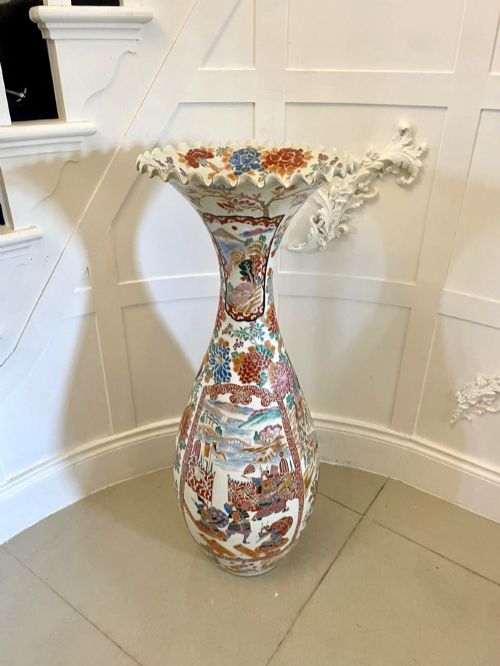
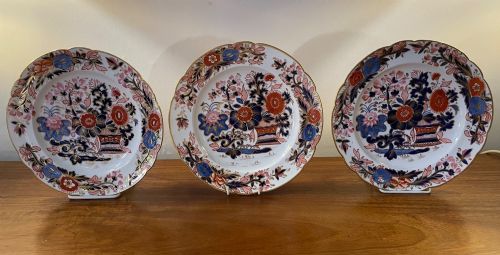
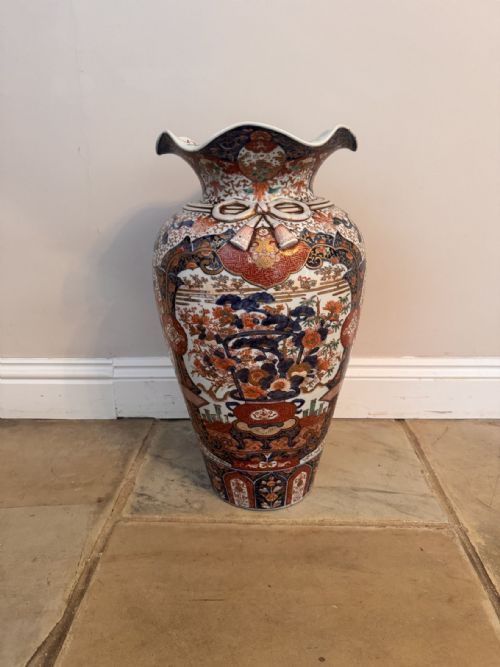
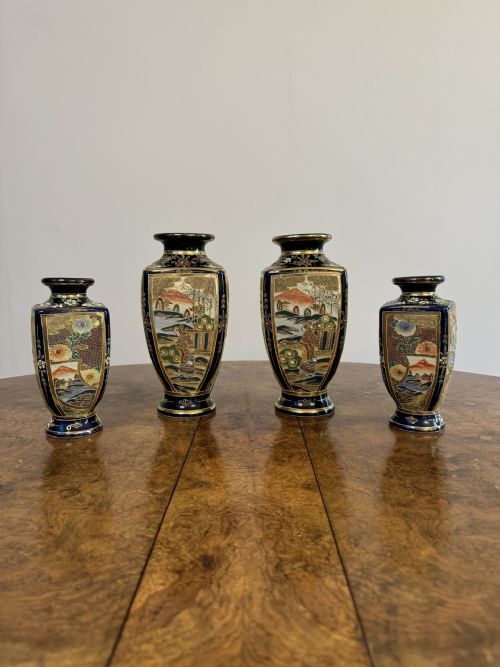
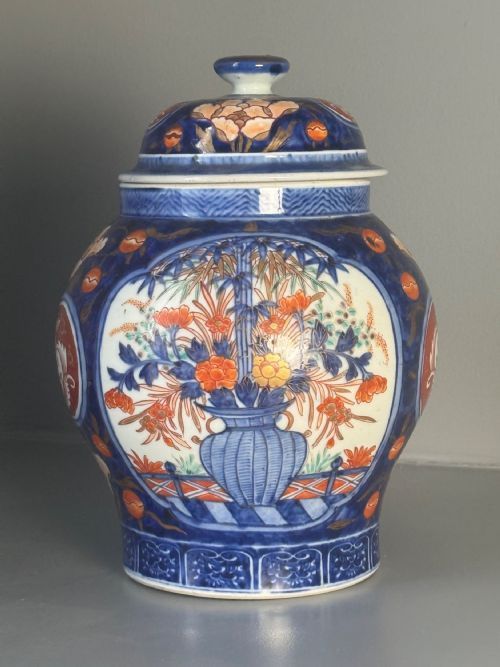
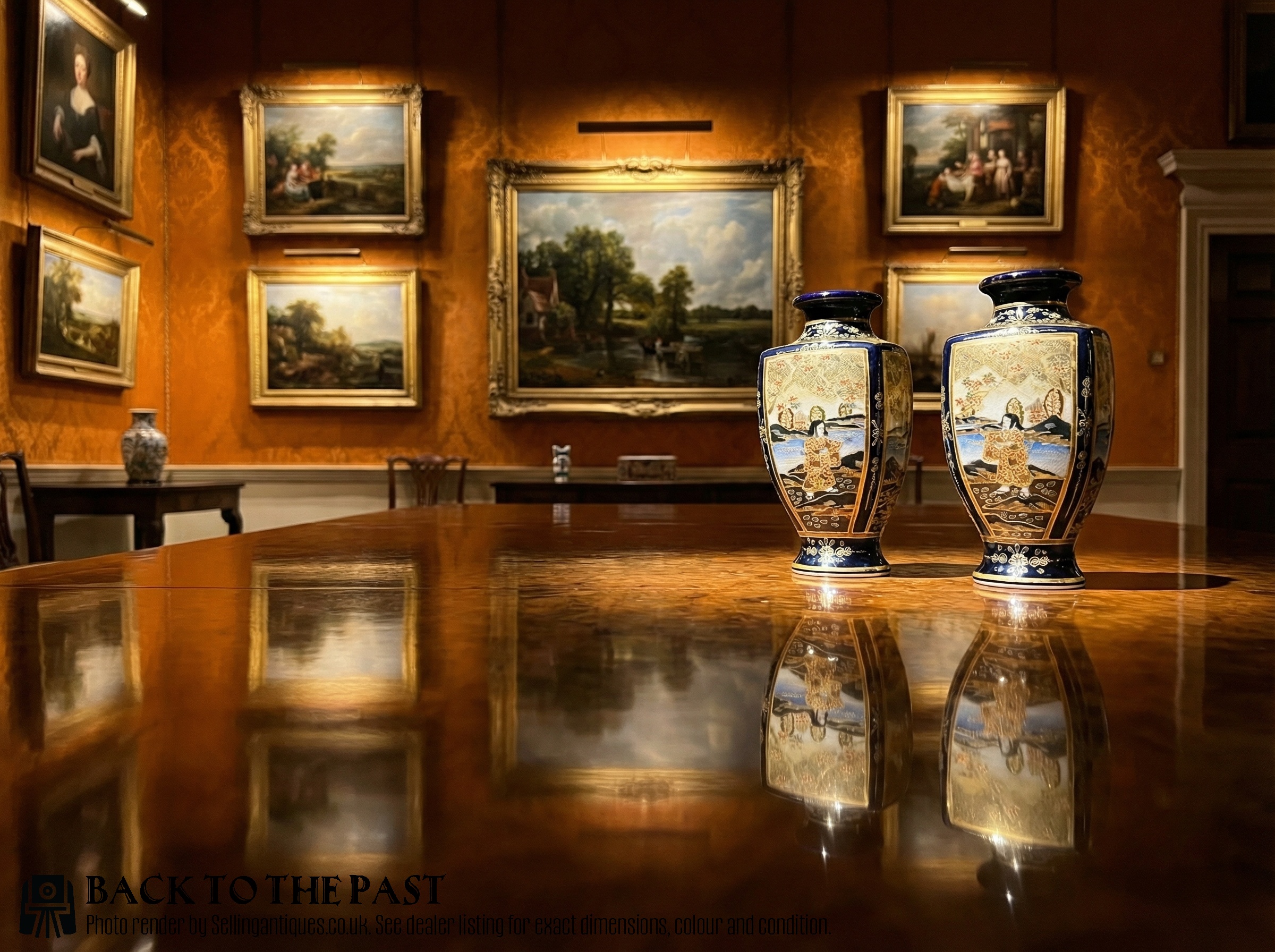
When you search for cobalt blue Japanese porcelain, you encounter items shaped by Meiji period aesthetics and nineteenth century craftsmanship. These objects primarily take the form of decorative plates, chargers, bowls, and large floor vases.
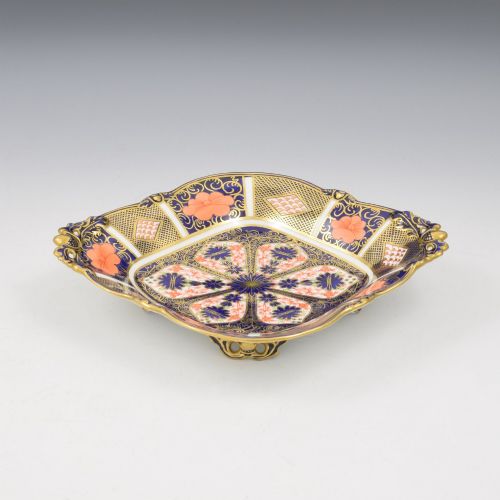
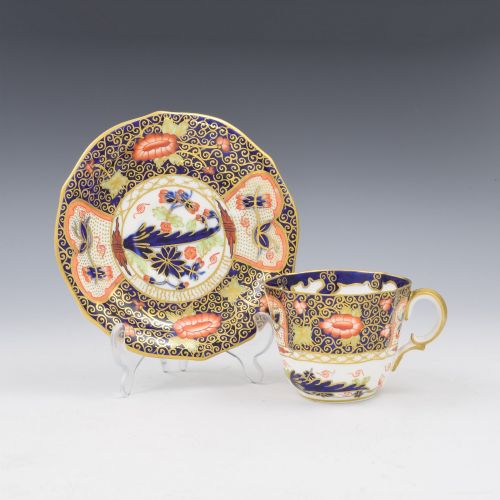
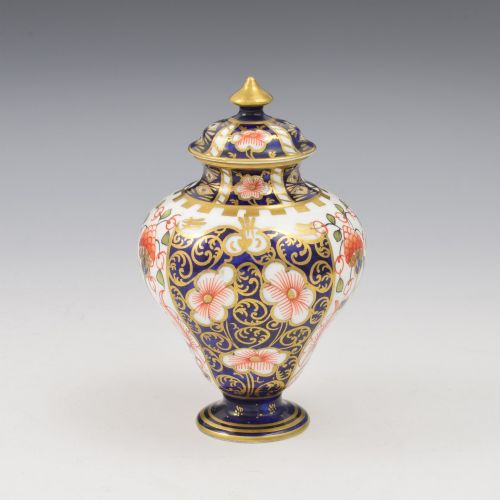
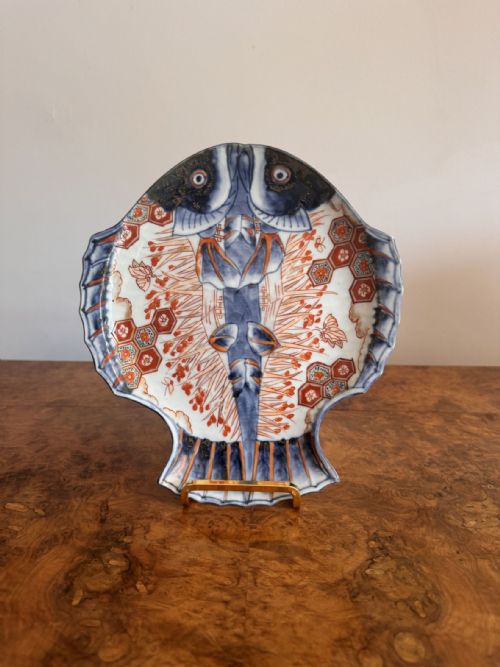
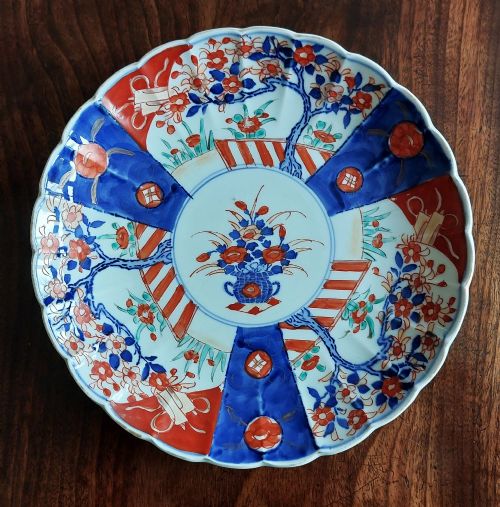
The pieces often manifest through Japanese Imari styles, characterised by distinct blue and white elements alongside enamel and gilt accents. You also find specialised forms such as fish shaped plates, scallop edge dishes, and hexagonal vessels.
Many items date from around nineteen hundred, reflecting the height of Meiji production. Alongside these, earlier nineteenth century examples demonstrate the enduring appeal of traditional kiln techniques.
Materials and production methods
Potters utilised fine porcelain clay as the base for these vessels, applying cobalt underglaze pigments before the final firing to achieve deep blue tones. This mineral pigment reacts with the kiln heat to create permanent, durable colour beneath the transparent glaze layer.
Artisans frequently enhanced the finished porcelain surfaces using enamel, gold leaf, and gilt detailing over the glaze. These decorative additions provided contrast against the stark cobalt blue and white foundations.
Certain plates abandon traditional circles entirely, appearing instead in the physical form of a swimming fish.
Differentiating quality across the range
Quality rests upon the precision of the cobalt underglaze painting and the crispness of the porcelain moulding. Superior examples display sharp delineation in motifs such as exotic birds and floral patterns, free from blurring in the blue pigment.
The application of secondary materials like gold leaf and enamel dictates the upper tier of pieces. When gilding and enamel remain crisp and well integrated with the porcelain body, the object demonstrates superior workshop execution.
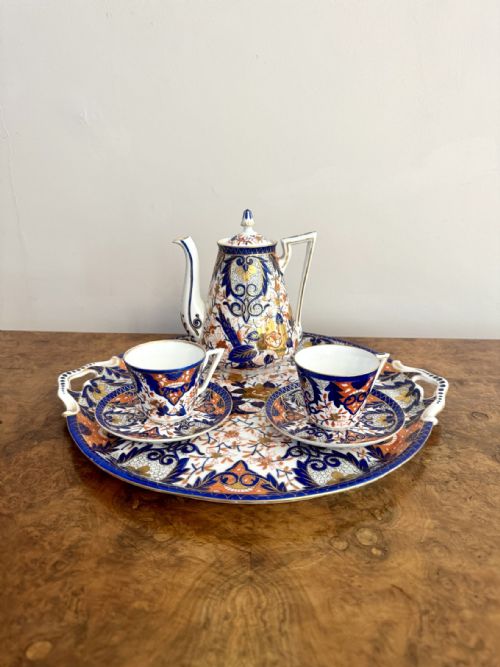
Royal Crown Derby·Hirado Mikawachi
The Cobalt Blue Japanese Porcelain Glossary
- Imari
- A style of Japanese porcelain originating from the town of Arita and shipped from the port of Imari, traditionally utilising cobalt blue, iron red, and gold.
- Meiji Period
- The era in Japanese history spanning from eighteen sixty eight to nineteen twelve, known for significant artistic production and export to Western markets.
- Charger
- A large ornamental plate utilised primarily for display rather than for serving food at the table.
- Underglaze
- A method of decorating pottery in which pigments are applied to the unfired clay body before the protective glaze is added.
- Arita
- The Japanese town recognised as the historic centre of porcelain production, where local clay deposits enabled high temperature firing.
Cobalt Blue Japanese Porcelain: Frequently Asked Questions
How should I display a large floor vase?
Large floor vases require secure placement away from heavy footfall to protect the porcelain body and glazed surface.
Position them in corners or transitional spaces where their height and cobalt decoration can be appreciated without obstruction.
Are scalloped edge plates meant for dining?
These pieces function primarily as decorative display dishes rather than functional tableware for daily meals.
Using them for display prevents accidental damage to the delicate enamel and gilt highlights applied over the glaze.
How do I identify Meiji period pieces?
Meiji period porcelain often exhibits dense cobalt blue painting alongside intricate gold leaf and enamel work.
Examining the foot ring and the clarity of the underglaze pigment helps distinguish this late nineteenth and early twentieth century output.
Can I wash these porcelain items with water?
Cleaning should be restricted to gentle dusting with a soft, dry cloth to preserve the fragile gilt and enamel decorations.
Water and harsh cleaning agents can degrade the overglaze metallic elements applied centuries ago.