


Japanese Satsuma Earthenware
These pieces of japanese satsuma earthenware bring intricate, hand-painted narratives and gilt-finished ceramics into your home.
Japanese Satsuma Earthenware
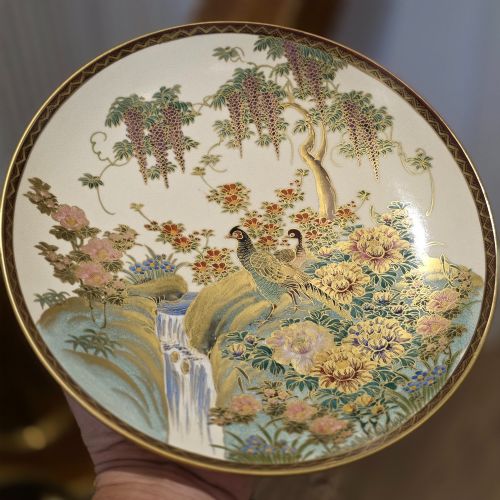
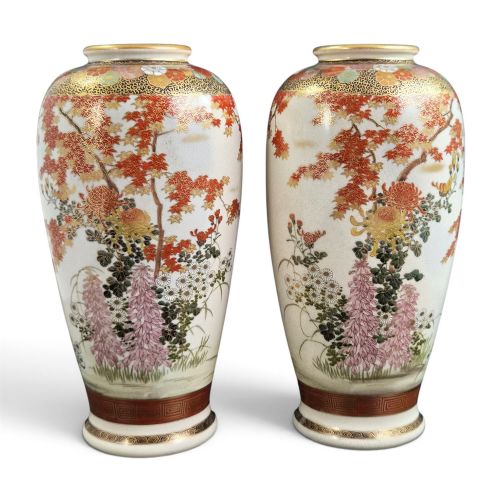
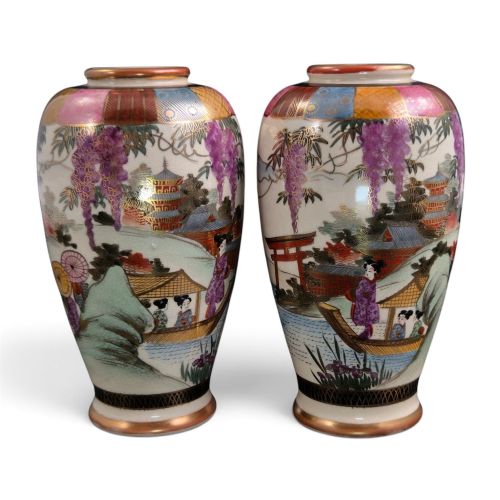
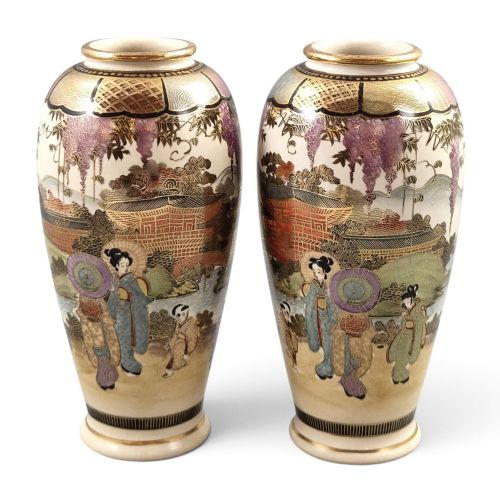
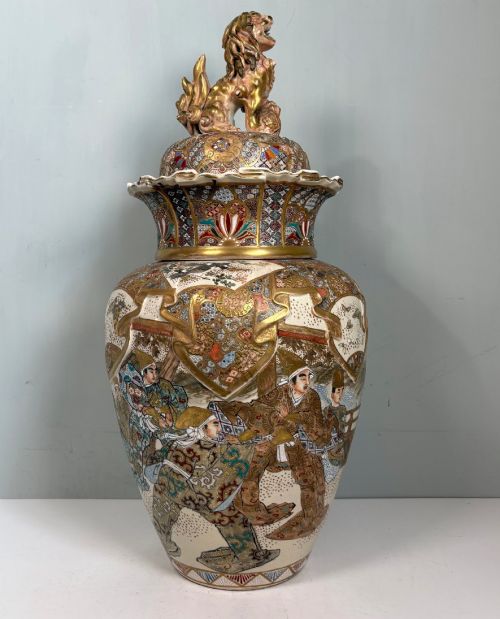
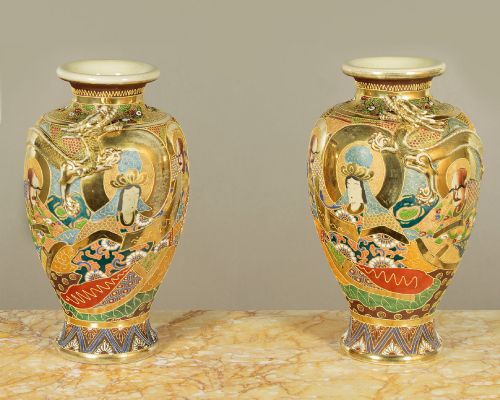
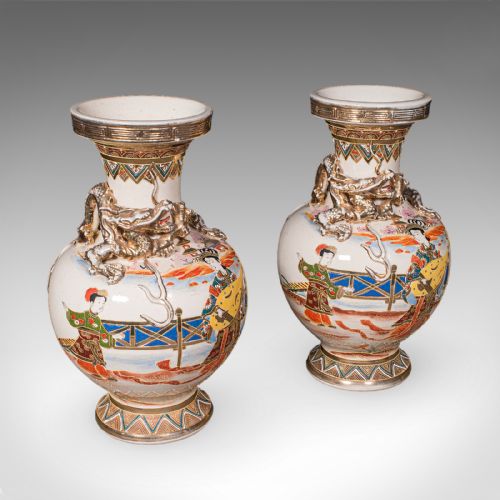
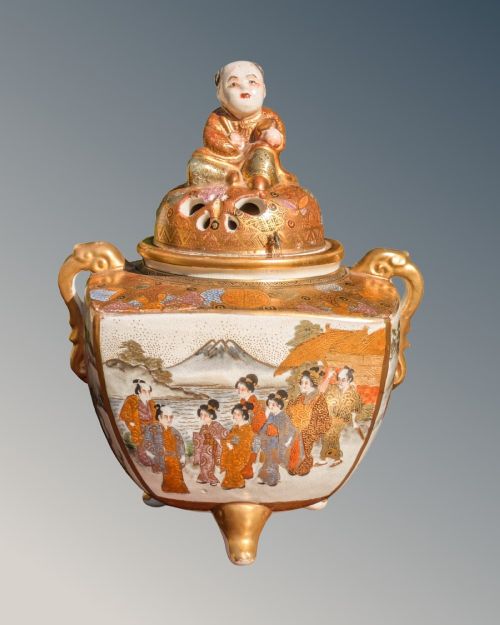
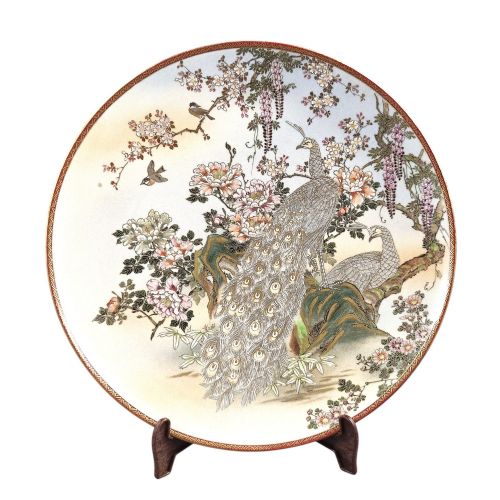
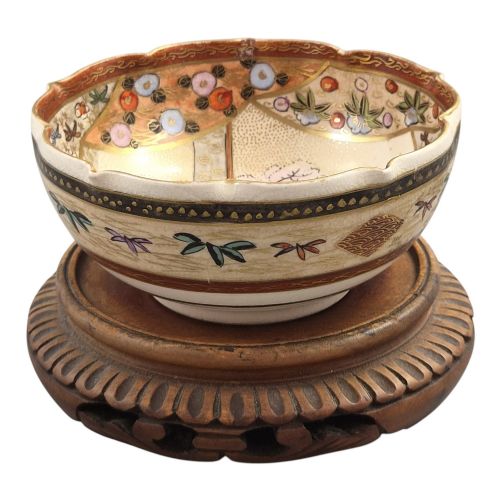
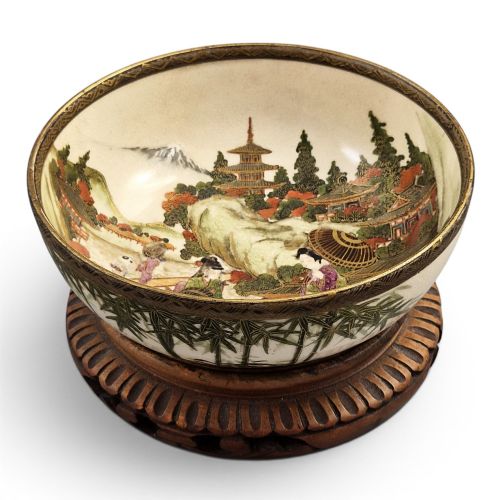
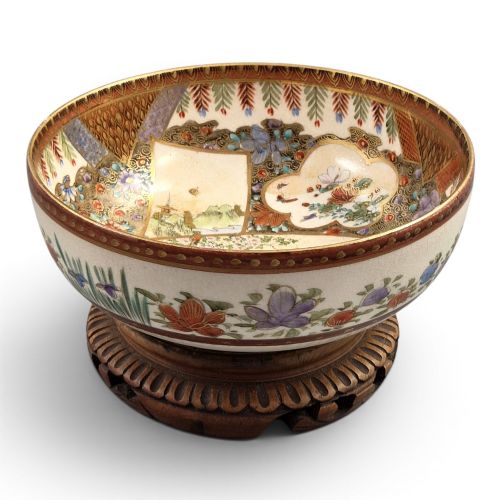
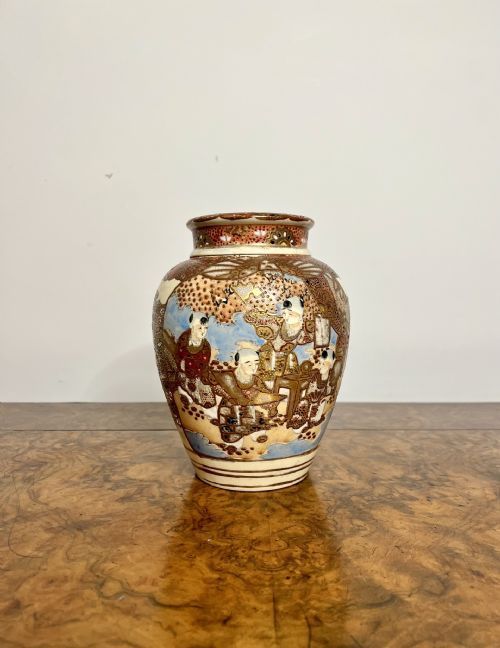
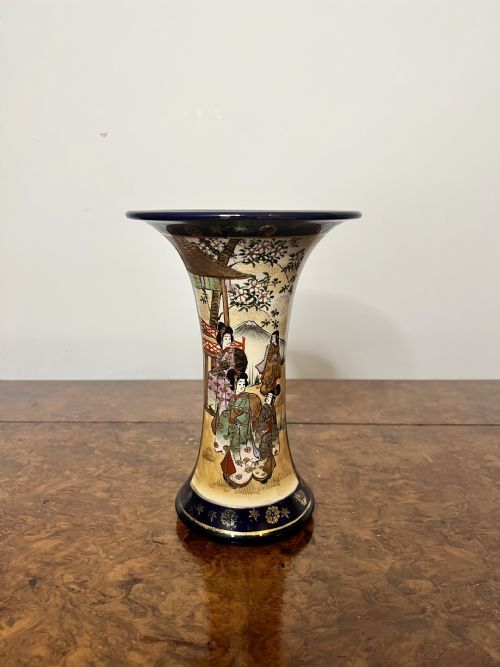
Japanese satsuma earthenware comprises decorative vessels, chargers, and tea caddies originating predominantly from the Meiji period through the early twentieth century. These items include vases, incense burners, and bowls decorated with figurative scenes, flora, and fauna.
The objects encountered most frequently on this page span the late nineteenth century to the Edwardian era, reflecting Kyoto workshops and regional production centres. Buyers encounter baluster vases, small bowls, and covered jars shaped for display or ceremonial use.
Materials and Technique
Potters built these items using earthenware clay, which was then glazed and painted with detailed enamel pigments. Artisans applied gold leaf, gilding, and gilt accents to highlight borders, robes, and natural motifs.
Techniques included moriage work, which built up raised slip decoration to give certain elements tactile dimension across the surface of the ceramic. Signed pieces often reveal the specific hand of master workshops in Kyoto and other centres.
Listings feature earthenware vessels spanning the nineteenth century through the 1930s, including Meiji and Taisho periods.
Distinctions in Execution
Quality separates through the density and precision of the enamel painting, alongside the fineness of the gold gilt lines. Master workshops achieved remarkable control over tiny figures, facial expressions, and complex landscape backgrounds.
The application of moriage also indicates distinction, where controlled, delicate raised dots and relief work elevate a piece above simpler, mass-decorated commercial output.
Koshida·Maruni Kobe·Shozan·Kizan·Kinkōzan·Hotoda·Shizan·Toshozan·Ryuzan·Chosei·Nanzan
The Japanese Satsuma Earthenware Glossary
- Moriage
- A ceramic technique using raised clay slip to create tactile, three-dimensional decorative relief on the surface. This method accentuates robes, flowers, and borders.
- Koro
- A traditional Japanese incense burner typically featuring a pierced cover and supported on legs. These vessels often incorporate guardian lion finials.
- Natsume
- A small tea caddy traditionally utilised in Japanese tea ceremonies for powdered green tea. These cylindrical containers frequently display delicate painted scenes.
- Gilding
- The application of gold leaf or gold paint to decorate pottery surfaces. It highlights specific motifs and outlines figurative panels.
- Charger
- A large decorative plate designed for display rather than dining. These wide surfaces allowed artists to paint expansive landscape or figural processions.
Japanese Satsuma Earthenware: Frequently Asked Questions
What is satsuma ware?
Satsuma ware is a type of Japanese earthenware featuring a characteristic ivory-coloured, crackled glaze. It is traditionally decorated with elaborate polychrome enamels and gold.
Originally produced in Satsuma Province, the style evolved significantly during the Meiji period when Kyoto workshops produced refined pieces for international export.
How do I display these items?
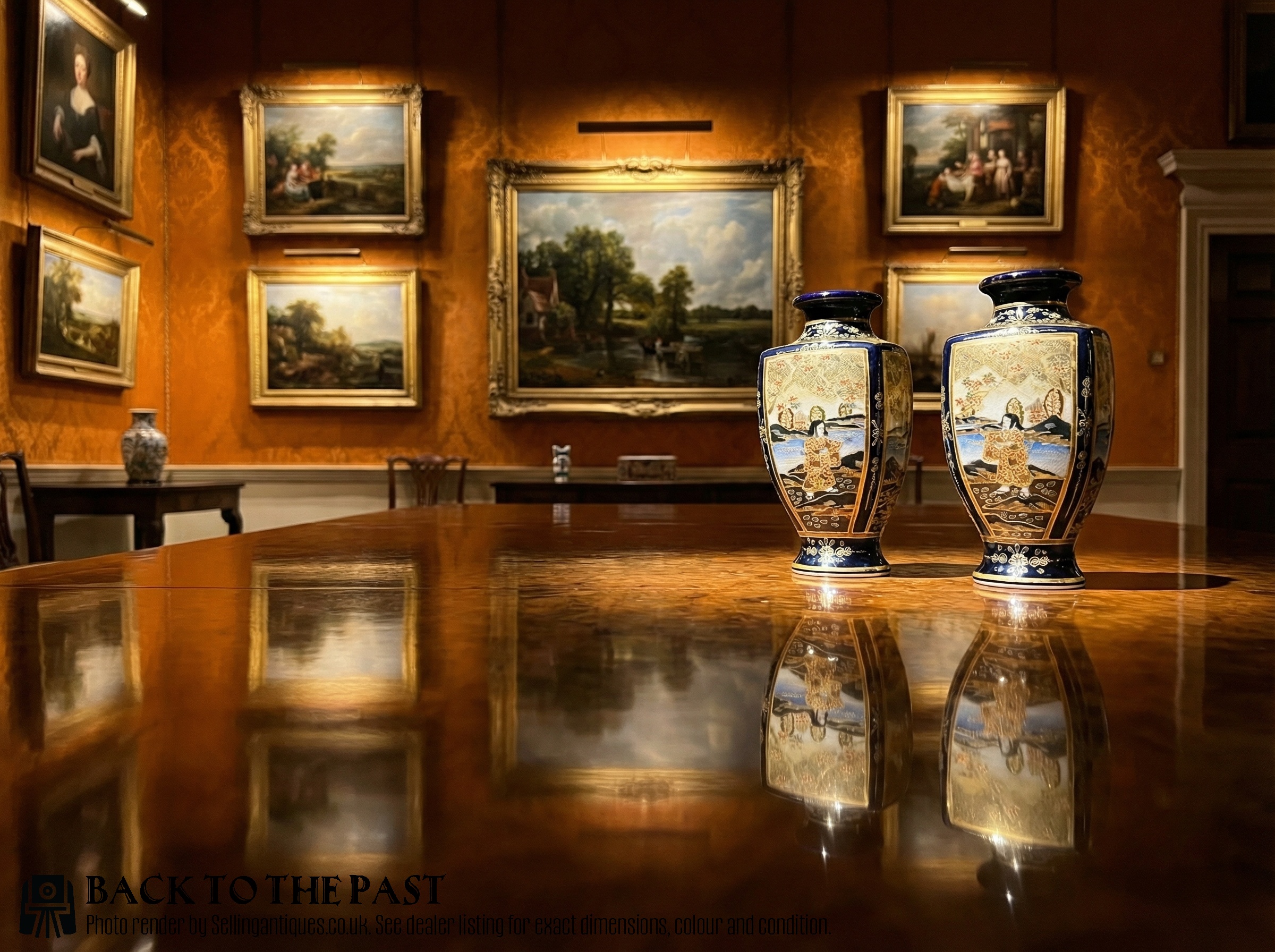
These ceramics suit placement on mantelpieces, sturdy wooden tables, or within enclosed cabinets where their fine detail remains protected. Their painted surfaces benefit from indirect lighting that catches the gold leaf without risking heat damage.
Due to the absorbent nature of earthenware and delicate enamel work, these vessels are intended for decorative display rather than holding water or daily utility.
How do I identify Meiji period pieces?
Meiji period items frequently bear artist signatures, workshop stamps, or kiln marks on their bases. The period is also characterised by dense pictorial scenes featuring figures, thousand butterflies motifs, or complex moriage relief.
Comparing the fineness of the enamel work and the presence of cobalt grounds helps distinguish these nineteenth-century items from later twentieth-century productions.
Were these pieces made for export?
A substantial portion of satsuma earthenware produced during the late nineteenth century was created specifically for Western export markets. Artisans and manufacturers catered to European and American taste by combining traditional Japanese subjects with ornate, gilt-heavy aesthetics.
International exhibitions during the Meiji era helped popularise these highly decorated vases and bowls among foreign collectors.