



Antique Oriental Decor
Antique oriental decor brings together centuries of craftsmanship from Japan, China, India, and the Ottoman lands, offering collectors vibrant porcelain, rich lacquerware, and carved woodwork.
Antique Oriental Decor
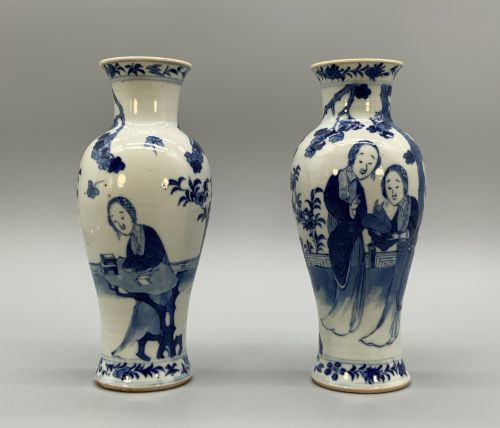
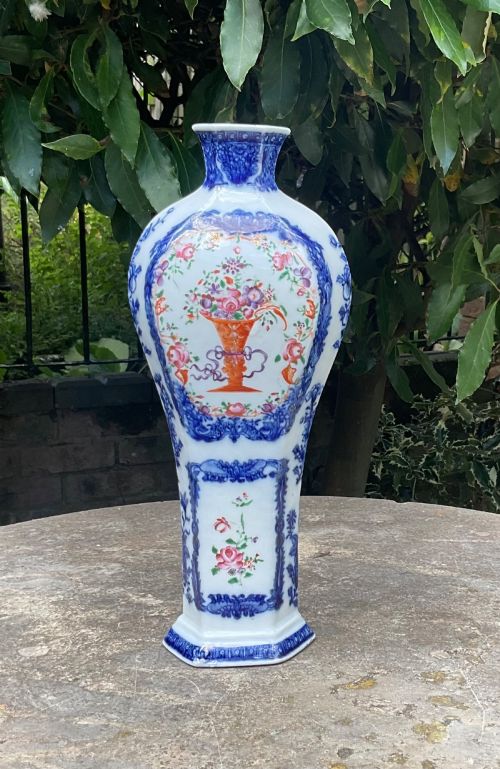
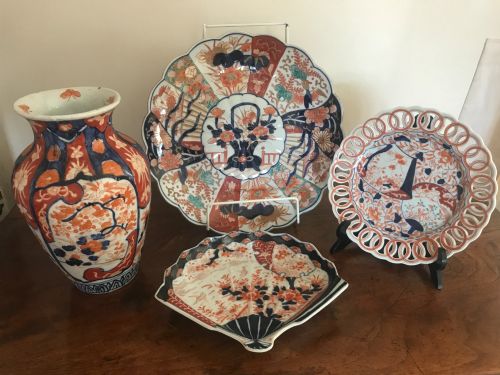
When you search for antique oriental decor, you encounter a diverse range of objects spanning the nineteenth and early twentieth centuries, reflecting artistic traditions from across Asia and the Near East. The selection on this page is dominated by Japanese Imari porcelain plates and vases alongside Chinese ceramics and lacquer pieces, reflecting the widespread European taste for Eastern craftsmanship during the Victorian and Edwardian eras.
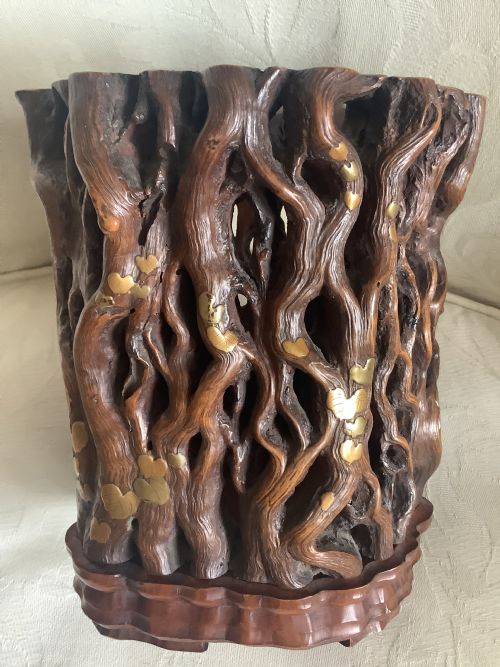
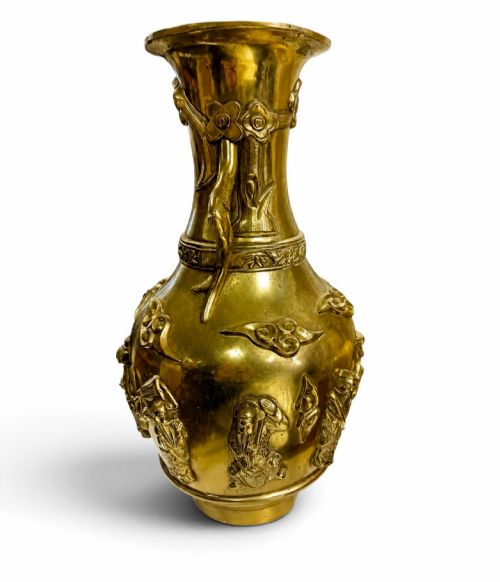
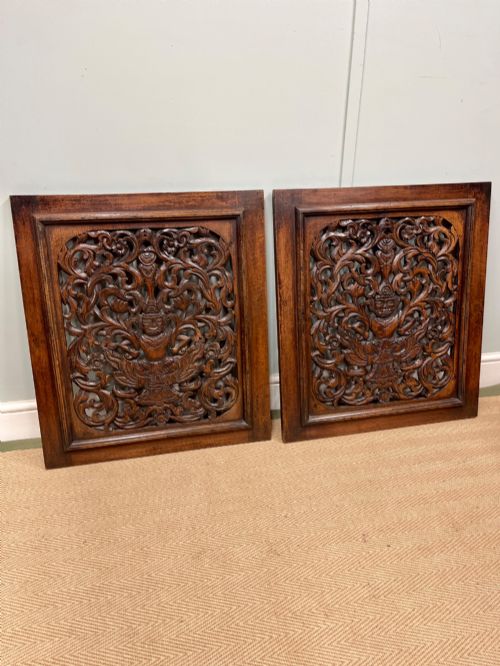
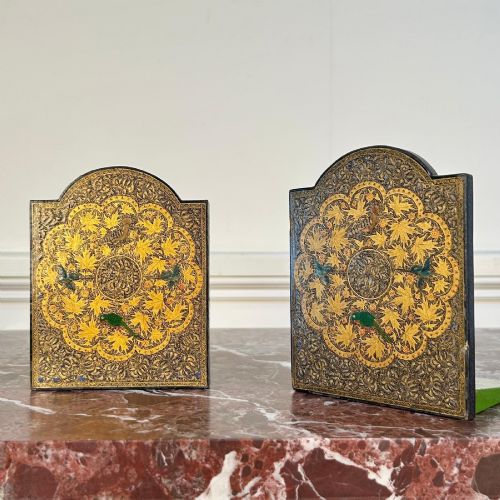
Beyond ceramics, the inventory includes carved wooden plaques, brass vessels, and mirrors influenced by Chinese, Japanese, Raj, and Moorish styles. These items range from decorative plates and bowls to substantial furniture accessories such as wall mirrors and bookends, each carrying the distinct aesthetic of its period and origin.
How they were made
The physical construction of these pieces relies on traditional techniques applied to materials such as porcelain, earthenware, brass, copper alloy, and various woods including hardwood and bamboo. Potters shaped clay on the wheel or in moulds before firing and applying detailed glazes, enamel, or gold leaf.
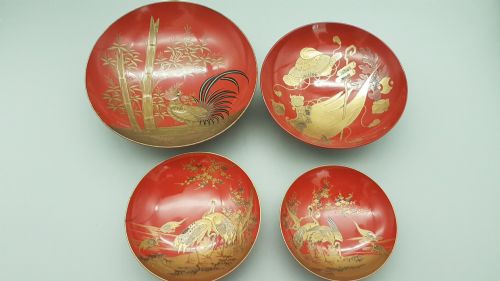
Woodworkers and metalworkers employed carving, lacquering, and repoussé methods. Artisans built up layers of red lacquer on wooden bases, carved intricate high-relief details into bronze and brass bowls, or constructed intricate frames from bamboo and hardwood.
A nineteenth-century flintlock pistol with engraved brass mounts sits among the porcelain and lacquer.
What varies in quality
Quality in these items rests upon the precision of the handwork, the depth of the carving, and the complexity of the glaze or enamel application. Finer pieces demonstrate superior control in painting and sculpting, such as crisp lines on Imari porcelain or deeply undercut details on carved wooden plaques.
The integrity of the material also dictates distinction, separating standard production wares from pieces executed with superior raw materials and signed by recognised makers or workshops.
The Antique Oriental Decor Glossary
- Imari
- A style of Japanese porcelain decorated in underglaze blue and overglaze red, gold, and other colours. This ware was widely exported to Europe from the port of Imari beginning in the Edo period.
- Satsuma
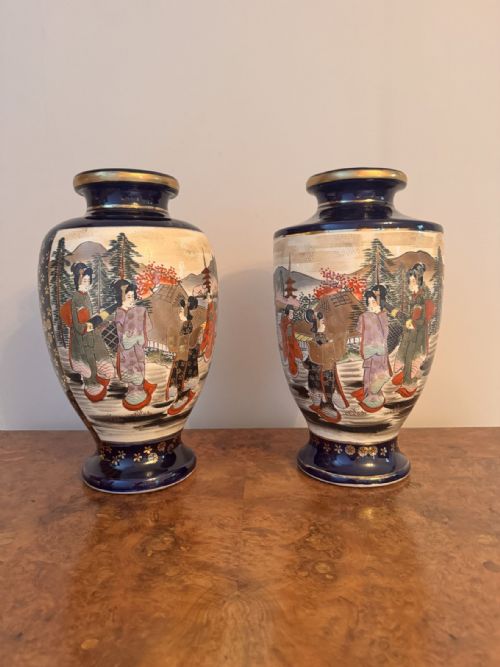
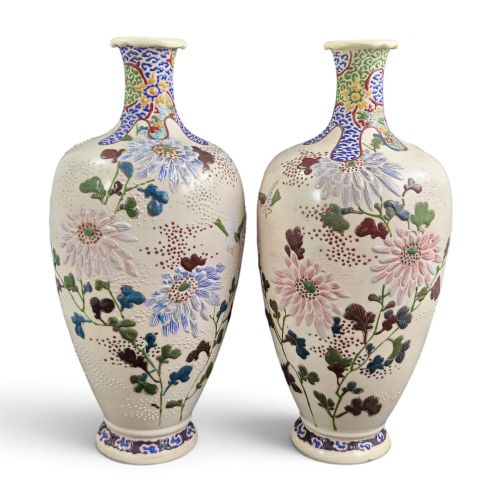
- A type of Japanese pottery with a pale, ivory-coloured cracked glaze, typically decorated with polychrome enamels and gilt. It originated in Satsuma province and gained immense popularity during the Meiji period.
- Cloisonné
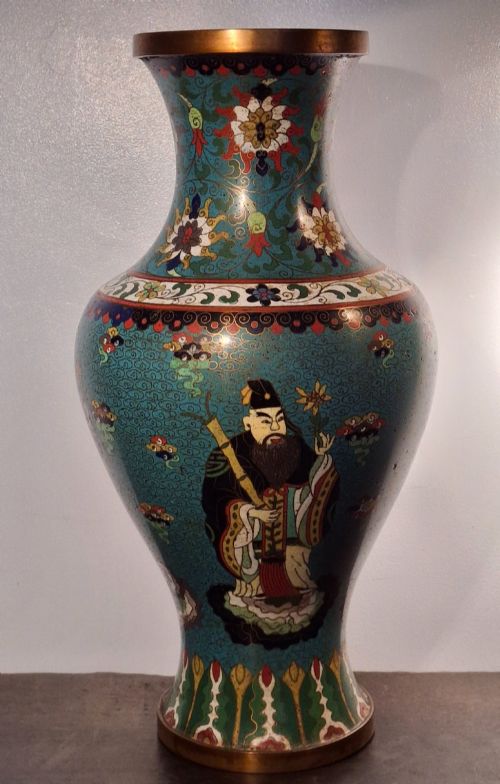
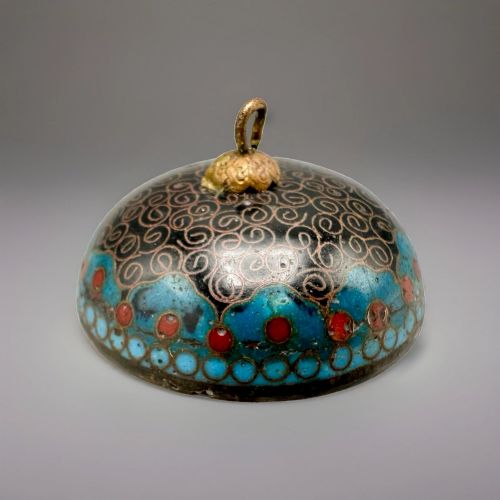
- A metalwork technique where thin wire is soldered to a metal base to form compartments, which are then filled with coloured enamel paste and fired. This method creates intricate patterns on vases and decorative vessels.
- Famille Rose
- A palette of Chinese porcelain enamels dominated by opaque pink or rose, introduced during the Qing dynasty. The style allowed for softer tonal gradations than earlier green and yellow palettes.
- Chinoiserie
- A European artistic style reflecting Chinese artistic influences, prevalent in decorative arts and architecture during the eighteenth and early twentieth centuries. It reinterprets Asian motifs through Western design conventions.
- Cinnabar lacquer
- A technique involving the application of numerous layers of red lacquer onto a wooden core, which is subsequently carved with deep figurative or floral designs. The depth of the carving reveals the density of the layered material.
Antique Oriental Decor: Frequently Asked Questions
What is antique oriental decor?
Antique oriental decor encompasses decorative and functional objects originating from Asian and Near Eastern cultures during the nineteenth and early twentieth centuries. These items include porcelain vases, lacquer boxes, carved wooden panels, and brass vessels.
They reflect the cross-cultural trade and aesthetic appreciation that defined Victorian and Edwardian interiors, bringing traditional craftsmanship into Western homes.
How do I identify Meiji period Imari?
Meiji period Imari porcelain, dating from the late nineteenth or early twentieth century, is characterised by a dense palette of cobalt blue, iron red, and gilt. Look for crisp hand-painted motifs featuring birds, florals, and brocade patterns.
The porcelain bodies from this era tend to be finely potted, and the bases frequently show the marks of individual kilns or decorators.
How were lacquer boxes used?
Lacquered boxes served as storage containers for small valuables, documents, or personal items in traditional households. Their durable surfaces protected contents from moisture and wear.
In European homes, these decorative boxes were often displayed on tabletops or mantelpieces for their visual appeal and tactile finish.
What distinguishes Satsuma pottery?
Satsuma pottery is distinguished by its characteristic warm, ivory-coloured earthenware body covered in a fine network of crackled glaze. Decoration is typically applied over the glaze using intricate enamel work and heavy gilding.
Subjects often include narrative scenes with figures, landscapes, and dense floral gardens painted by specialised artists and workshops.