
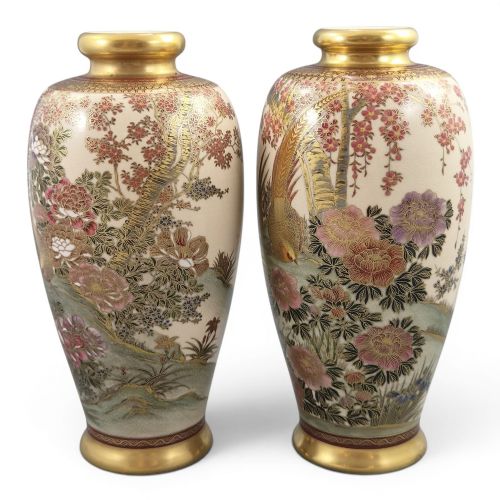


Pair Satsuma Porcelain Vases
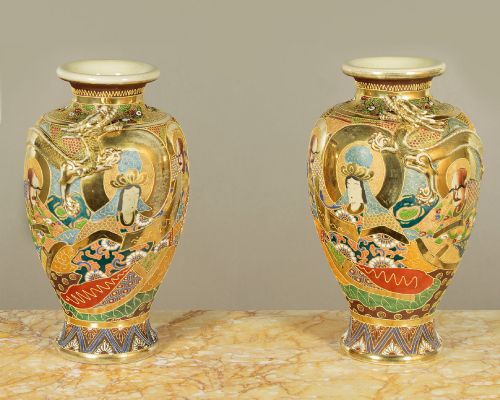
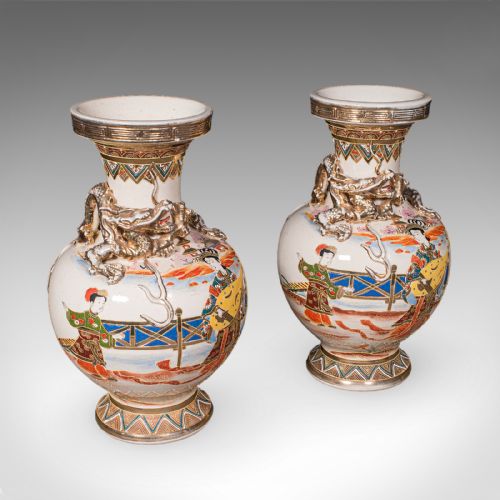
When you search for pair satsuma porcelain vases, you find dual earthenware vessels adorned with intricate enamel and gold leaf from the Meiji and Taisho periods.
Pair Satsuma Porcelain Vases
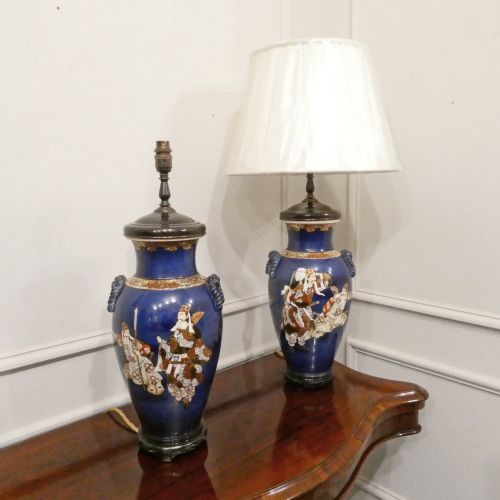
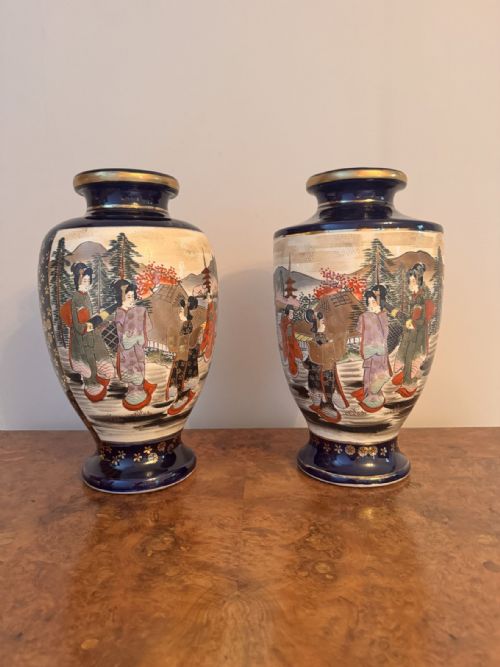
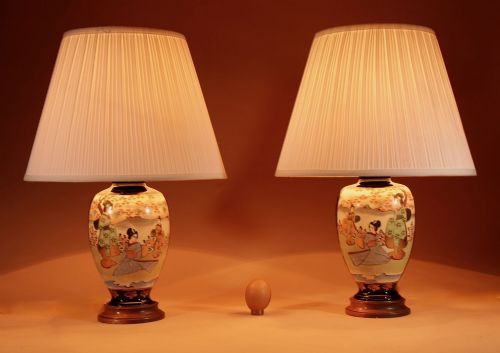
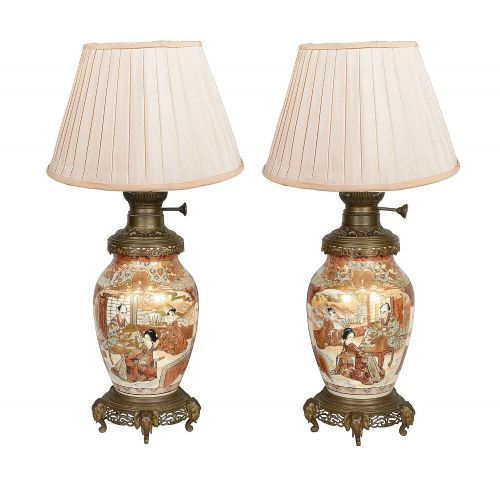
Pair satsuma porcelain vases represent a traditional category of Japanese earthenware created in decorative forms such as baluster shapes, table lamps, and floor vases. You are most likely to meet pieces originating from the Meiji period through to the Showa period, often featuring hand-painted motifs.
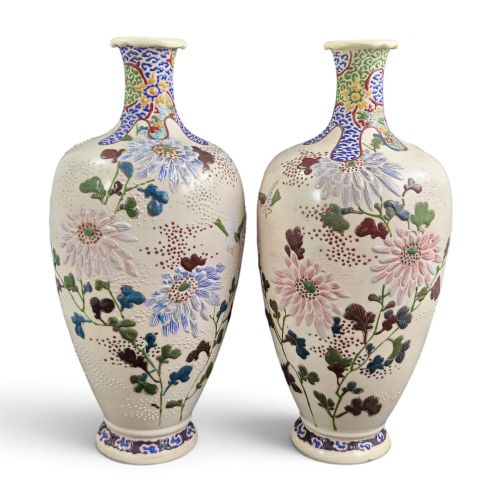
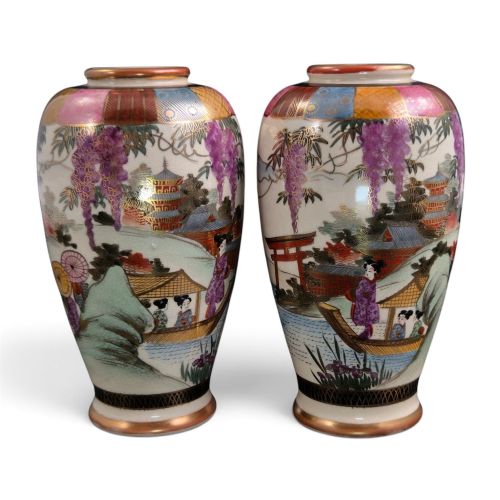
The decorative subjects span natural themes like wisteria, chrysanthemums, and lake landscapes alongside figurative scenes depicting arhats. Makers such as Kinkozan, Manpei, Tagawa, and Hododa produced these works in centres like Kyoto and Kobe.
Many examples arrive with specific stylistic traits including cobalt grounds, intricate gilding, and the Shimazu mon. The selection includes smaller decorative items as well as large floor vases and converted table lamps.
Making Satsuma Ware
Makers formed these pieces using earthenware ceramic bodies that received elaborate hand-painted decoration in enamel. Artisans applied detailed pigments depicting flora, fauna, and traditional narratives across the ceramic surface.
Gilt and gold leaf embellishments highlight specific areas of the design, often working alongside raised enamel techniques known as moriage. Certain workshops integrated wood, brass, or fabric components, particularly when converting the vessels into table lamps.
Materials recorded across current inventory include enamel, gold leaf, gilt, wood, ceramic, fabric, and brass.
Judging Quality in Satsuma Ware
The execution of the hand-painted enamel and the precision of the gilding separate standard production from masterwork pieces. Finer examples display meticulous brushwork in depicting intricate figures and botanical details without crowding the composition.
The clarity and depth of the crackle glaze across the earthenware body influence the visual impact of the item. Pieces bearing signatures from recognised Kyoto or Kobe studios demonstrate superior artistic ambition compared to unmarked commercial output.
Chikusai·Manpei·Kinkozan·Tagawa·Hododa·Tashiro
The Pair Satsuma Porcelain Vases Glossary
- Satsuma
- Earthenware pottery originating from Satsuma province in Kyushu, typically characterised by a ivory-coloured crackle glaze and enamel painting. The style evolved significantly when Kyoto workshops adopted the aesthetic.
- Moriage
- A decorative ceramic technique using piped slip or enamel to create raised dots and relief designs on the surface. This method adds a tactile dimension to floral and geometric motifs.
- Meiji
- The period of Japanese history spanning from 1868 to 1912, associated with the opening of trade and the production of ornate export wares. Pieces from this era often display exceptional decorative complexity.
- Gilt
- Application of gold leaf or gold paint to accentuate specific design elements and borders. This treatment catches the light and adds richness to the painted scenes.
- Baluster
- A vase shape with a rounded body that tapers toward the base and swells outward before rising to a narrow neck. This form provides a balanced canvas for panoramic landscape paintings.
Pair Satsuma Porcelain Vases: Frequently Asked Questions
How do I identify a Meiji period piece?
Meiji period items typically exhibit dense, meticulous hand-painting alongside characteristic ivory crackle glazes on the earthenware body. Artisans during this era focused on complex narrative scenes and elaborate floral compositions.
Maker signatures and studio marks stamped or painted on the base also help confirm this nineteenth-century timeframe. Examining the fineness of the enamelwork provides further clues to the manufacturing date.
Can I use these vases for fresh flowers?
These earthenware vessels function primarily as decorative art objects rather than practical containers for water. The porous nature of traditional satsuma bodies means prolonged exposure to moisture can risk damaging the ceramic and enamel.
Displaying them empty or utilising dried arrangements preserves the delicate painted surface and gold leaf embellishments. Gentle dusting keeps the exterior clean without risking the pigments.
What does the Shimazu mon indicate?
The Shimazu mon represents the crest of the Shimazu clan, who ruled the Satsuma domain in southern Japan. This circular crest featuring a cross inside a circle appears on export pieces associated with the region.
Its presence connects the vessel to the historical patronage and production traditions of Satsuma ware. Many fine exhibition-grade pieces incorporate this mon into their decorative scheme.
Why are some mounted as table lamps?
Conversion into lighting fixtures became popular for larger export vases during the early twentieth century. Makers fitted electrical components and brass hardware to adapt the decorative vessels for domestic interiors.
This modification allowed households to repurpose striking ceramic forms while preserving the painted exterior views. Many surviving examples retain these period mountings as part of their history.