




Gilt Japanese Earthenware Vase
These pieces are a gilt japanese earthenware vase, highly sought after by collectors for their intricate hand-painted enamel and lavish gold leaf details.
Gilt Japanese Earthenware Vase
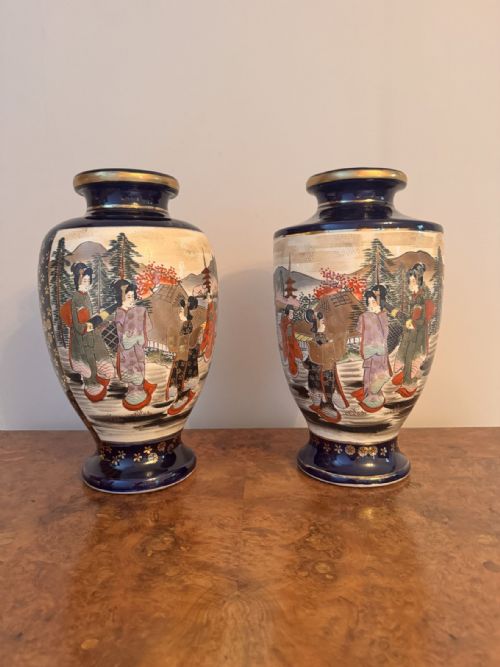
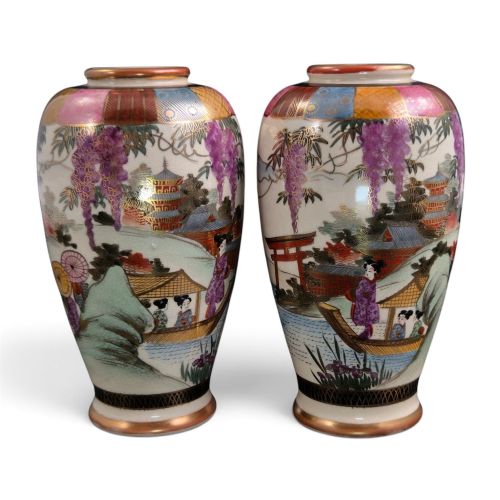
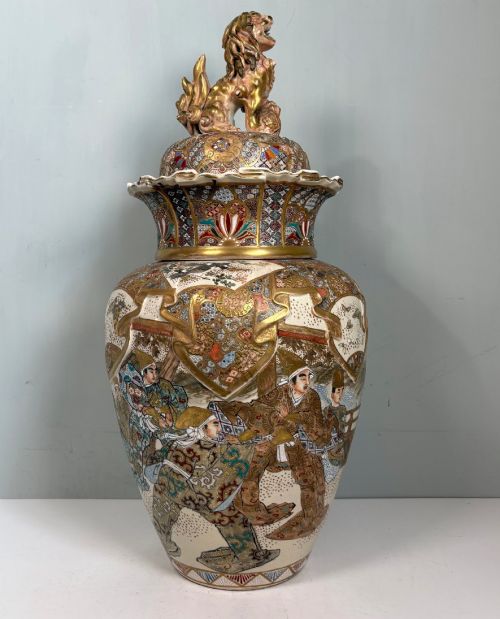
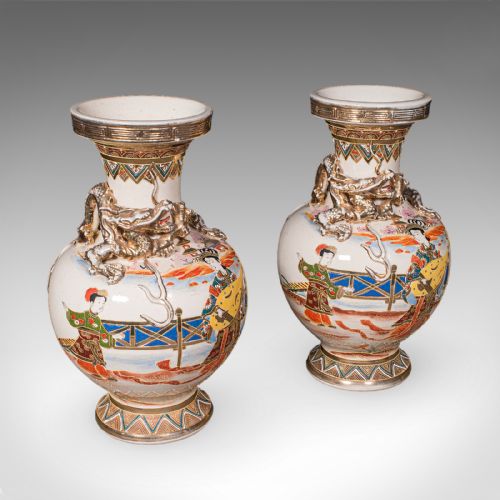
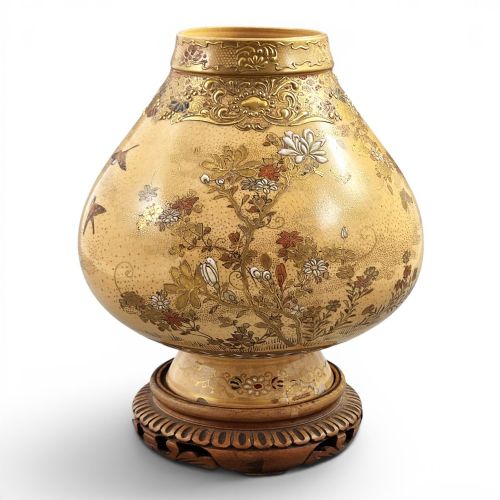
When you search for a gilt japanese earthenware vase, you encounter ceramic vessels predominantly originating from the Meiji and Taisho periods. These works frequently manifest as baluster vases, bottle vases, or lidded forms, often bearing intricate depictions of court figures, landscapes, and floral motifs.
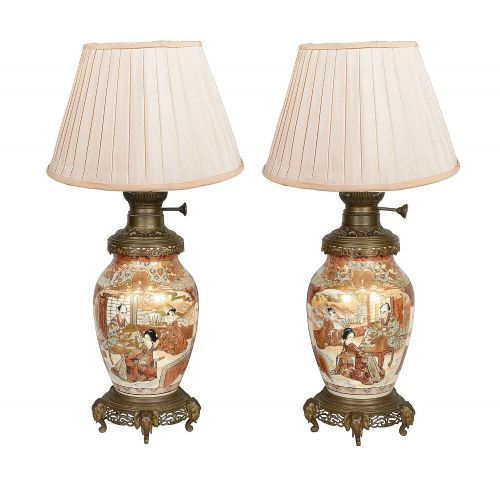
The objects on this page span from the nineteenth century into the early twentieth century, encompassing both diminutive miniature pieces and monumental exhibition-scale items. Alongside traditional vases, you will find related forms such as koros, jardinieres, and table lamps adapted from earlier ceramic bodies.
The dominant tradition represented is Satsuma ware, characterised by a crackle-glazed earthenware body painted with enamels and heavily enriched with gold gilt. These pieces frequently carry signatures or workshop marks from notable Kyoto makers on the base.
How They Were Made
Makers formed these pieces from earthenware clay, applying a characteristic ivory-coloured glaze that cooled to form a fine network of tiny cracks known as crazing. Artisans then painted detailed figurative and botanical scenes directly onto this glazed surface using mineral enamels.
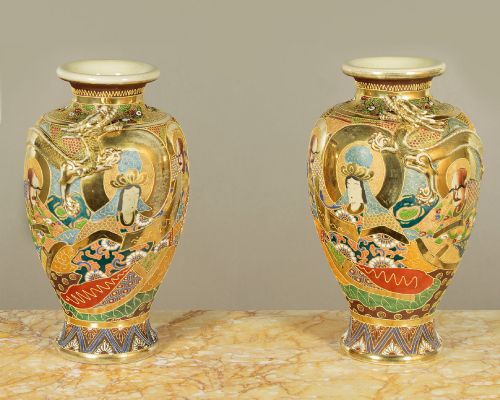
Gilding was applied liberally in the form of gold leaf and gold gilt, often built up in raised patterns called moriage to create tactile relief. The vessels underwent multiple firings to fix the underglaze body, the enamel pigments, and the final gold detailing.
Certain miniature vases are so small they can be comfortably cradled in the palm of a hand yet still depict crowded court processions.
What Varies in Quality
The refinement of the hand-painted brushwork dictates the upper tier of these pieces, where expressions on figures and the delicacy of foliage remain crisp under magnification. Lesser examples display hurried, repetitive decoration with flat, untextured gilding.
The density and precision of the raised moriage work separates standard production pieces from exhibition-quality works associated with renowned Kyoto workshops. Heavy, even crackle glaze without discolouration also marks superior preservation.
Maruni Kobe·Kinkōzan Workshop·Chosei·Nanzan·Seiko-en Chokei·Hakusan·Hododa
The Gilt Japanese Earthenware Vase Glossary
- Satsuma ware
- Japanese pottery originating from Satsuma Province, traditionally featuring an ivory crackle glaze decorated with enamel and gold. It became immensely popular for export during the Meiji period.
- Moriage
- A ceramic technique where slip or enamel is piped onto the surface in raised dots or lines before firing, creating a textured, three-dimensional effect often highlighted with gold.
- Meiji Period
- The era of Japanese history lasting from 1868 to 1912, marked by the opening of trade with the West and the peak of intricate decorative arts production.
- Koro
- A traditional Japanese incense burner, frequently fitted with a pierced ceramic or metal lid and resting on three or more feet.
- Baluster
- A vertical architectural form resembling a vase, characterised by a rounded body that tapers toward a narrow neck and flares at the rim.
Gilt Japanese Earthenware Vase: Frequently Asked Questions
Are these vases waterproof?
Traditional earthenware Satsuma vessels are porous by nature due to the low-firing temperatures of the clay body. Even with glazed interiors, micro-fissures in the crackle glaze can allow moisture to seep through over time.
For this reason, collectors generally use these pieces for dry display or utilise a discreet glass liner inside if holding fresh flowers. Protecting the historic ceramic body prevents water damage and staining to the interior glaze.
How should I clean my vase?
Dust these delicate ceramic surfaces gently with a soft, dry artist's brush or a feather duster. Avoid using water, chemical cleaners, or damp cloths, as moisture can penetrate the crackle glaze and damage fragile gold leaf or enamel.
Keeping the piece out of direct sunlight will also help preserve the stability of the antique pigments and prevent the gilding from dulling over the years.
What is moriage decoration?
Moriage refers to a decorative technique where liquid clay or enamel is piped onto the surface of the vase before firing. This builds up raised patterns, robes, and floral details that stand proud of the ceramic body.
Artisans then painted over these raised areas with heavy gold gilt to create a tactile, light-catching finish that defines the luxury pieces of the period.