





Antique Japanese Table Vase
An antique Japanese table vase brings centuries of metallic depth and painted porcelain directly into a room.
Antique Japanese Table Vase
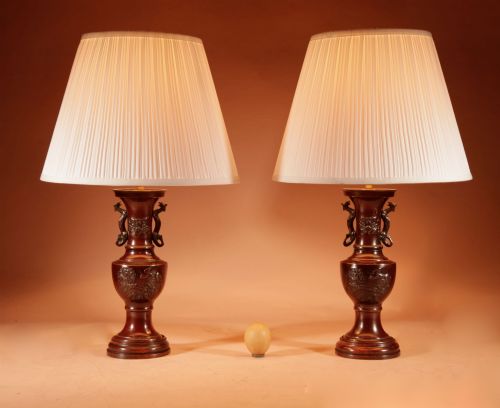
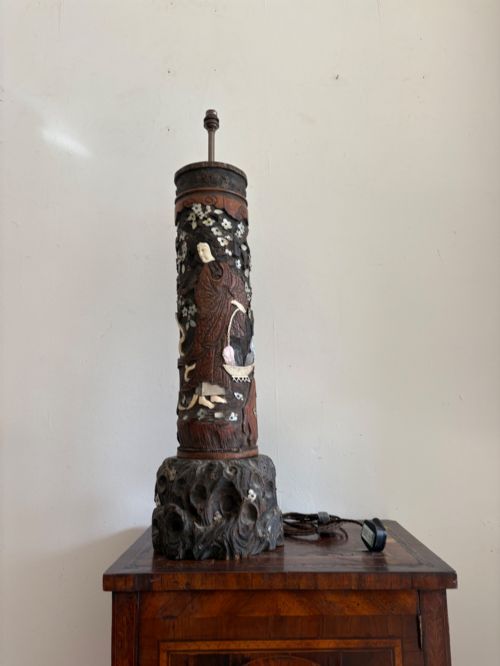
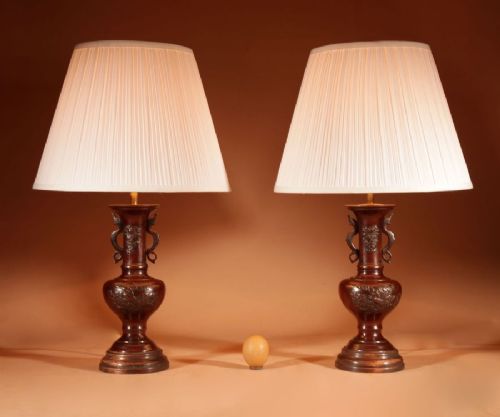
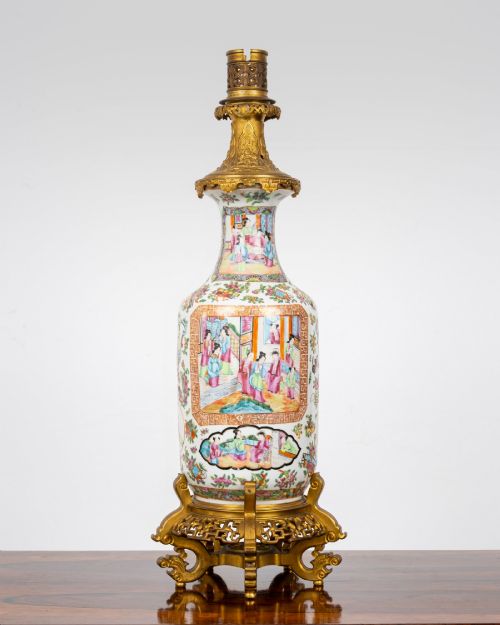
An antique Japanese table vase spans various forms, including traditional vessel shapes alongside examples adapted into table lamps. These objects frequently emerge from the Meiji and Edo periods, bringing distinct craftsmanship into domestic interiors.
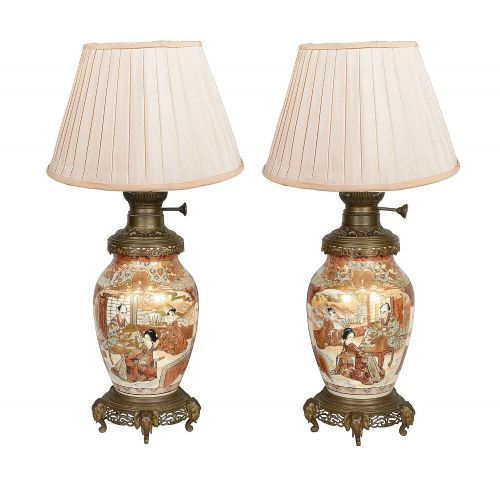
Collectors encounter porcelain, bronze, brass and earthenware pieces, often featuring Satsuma, Imari, Kutani or blue and white decorative schemes. Many listings show vessels mounted in or converted to lamps during later periods.
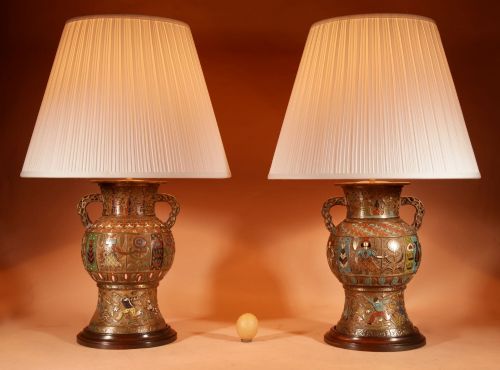
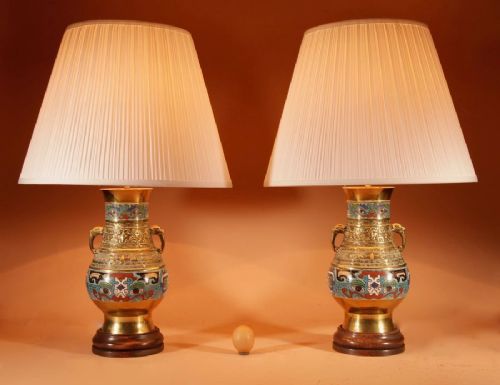
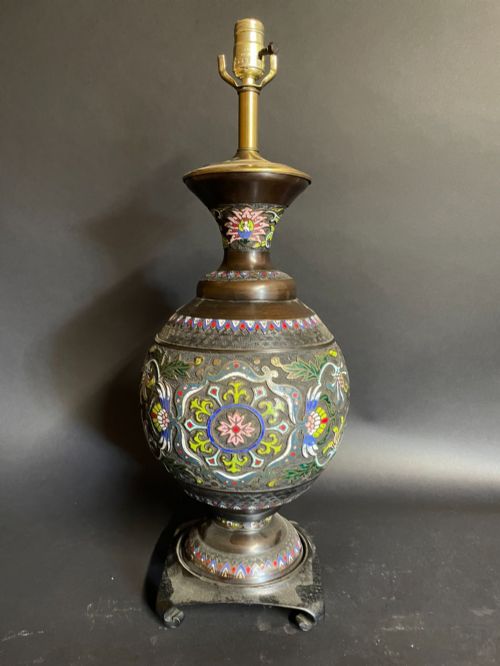
The selection ranges from small decorative pots to large pairs of bronze and enamel champlevé lamps. Pieces originate across the seventeenth, eighteenth and nineteenth centuries.
How they were made
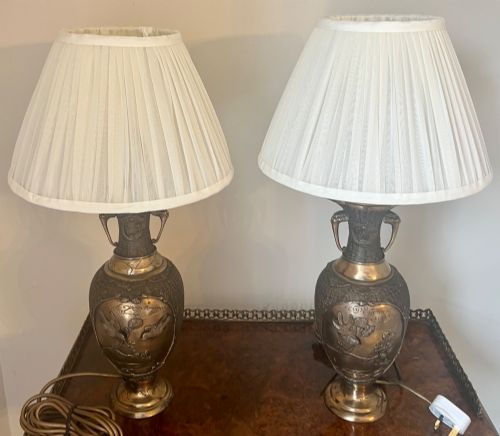
Makers utilised bronze, brass and copper to cast substantial vessels, frequently enriching surfaces through champlevé and cloisonné enamel techniques. These metal bodies often carry patinated finishes and applied dragon motifs or mixed metal details.
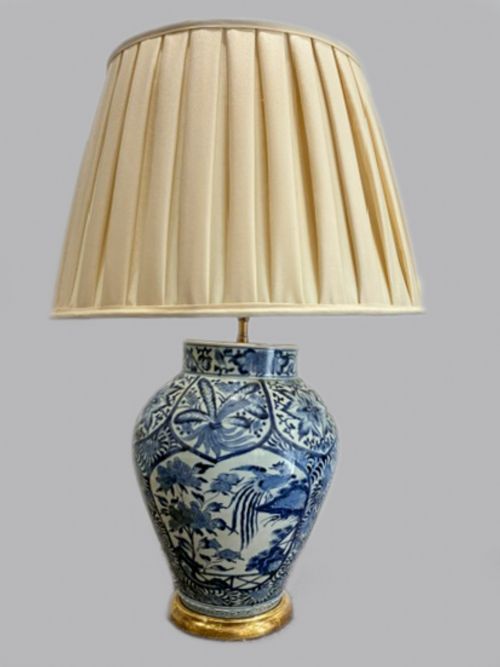
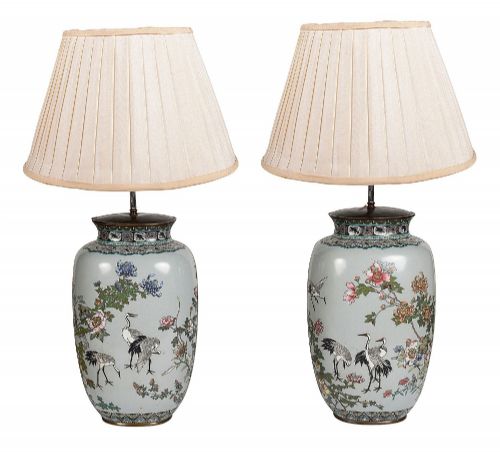
Ceramic pieces rely on porcelain and earthenware foundations painted with intricate polychrome designs, gold detailing and cobalt blue pigments. Satsuma wares and Kutani porcelains demonstrate distinct glazing and firing traditions.
Mounts in gilt bronze or ormolu appear on select porcelain and enamel vessels, particularly those adapted for electrical illumination.
Listings span periods from the 17th century through the Meiji era to the early 20th century.
What varies in quality
The precision of metalwork and enamel separation defines the upper tier of bronze and cloisonné pieces, where surface cells remain exact and clean. Cast dragon motifs and hand-chased details show varying degrees of sculptural depth.
Porcelain quality rests on the clarity of the ceramic body and the fineness of the hand-painted enamel work. Satsuma and Kutani pieces display greater artistic merit when the painted figures and floral panels maintain tight control and fine detailing.
The integration of mounts and subsequent conversion work affects the overall coherence of lamps, separating standard adaptations from harmonious fusions.
Kinkozan
The Antique Japanese Table Vase Glossary
- Champlevé
- Enamelling technique where troughs are gouged into a metal surface and filled with vitreous enamel before firing. This method creates bold coloured designs bordered by metal lines.
- Cloisonné
- Decorative work in which enamel is applied within the spaces enclosed by thin strips of metal welded to the vessel. The piece is then fired and polished smooth.
- Satsuma
- Japanese earthenware pottery featuring a crackle-glazed ivory ground decorated with intricate polychrome enamels and gilt. It originated in Satsuma Province and gained wide popularity during the Meiji period.
- Imari
- Japanese porcelain decorated in underglaze blue and overglaze red, green and gold, produced in Arita. These wares were heavily exported to Europe from the seventeenth century onward.
- Kutani
- Japanese porcelain known for bold pictorial designs, often dominated by rich greens, blues, reds and gold. The tradition encompasses several distinct styles developed over centuries.
- Meiji Period
- The era of Japanese history spanning from 1868 to 1912, characterised by rapid modernisation and an explosion of decorative arts destined for export.
Antique Japanese Table Vase: Frequently Asked Questions
What is an antique Japanese table vase?
An antique Japanese table vase is a decorative vessel made in Japan during periods like the Meiji or Edo eras. Many examples on the market have been converted into table lamps.
These pieces use materials such as bronze, porcelain, brass and earthenware. They showcase traditional techniques including cloisonné enamel, blue and white painting and Satsuma glazing.
Were these always lamps?
Most of these vessels started life as decorative vases, brush pots or ginger jars before being converted into lamps. The conversion process often involved adding wooden bases or metal mounts.
Some pieces were adapted in the nineteenth or early twentieth century to suit European domestic interiors. This dual history means many function as both lighting and historic art objects.
How do I date a Japanese vase?
Dating relies on stylistic markers, materials and manufacturing techniques recorded across different periods. Meiji period pieces often display elaborate mixed metalwork and dense cloisonné.
Earlier items from the seventeenth and eighteenth centuries, such as Arita Imari wares, exhibit different palette choices and potting characteristics. Examining the base, glaze and mounting style helps narrow the era.
How do I clean bronze and enamel?
Dust bronze and enamel surfaces gently with a soft, dry cloth to protect the historic patina and delicate wirework. Avoid chemical cleaners or metal polishes that can strip away original finishes.
Enamelled areas require particular care to prevent moisture from seeping into aged base materials. Professional advice should be sought for deeper conservation.