


Oriental Earthenware Pot
An oriental earthenware pot brings centuries of ceramic artistry into your home, offering tactile finishes and rich cultural forms.
Oriental Earthenware Pot
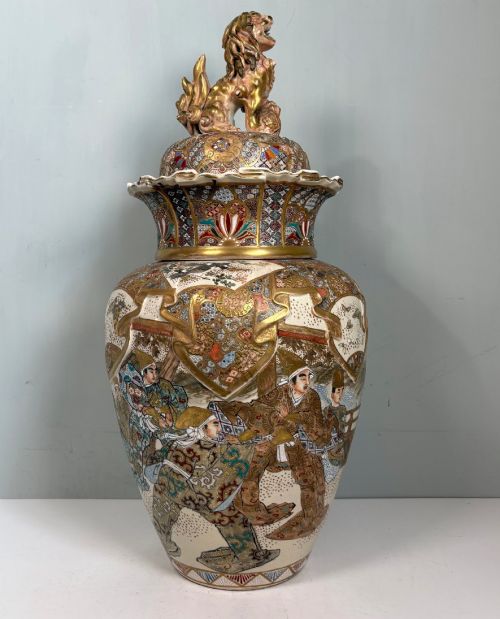
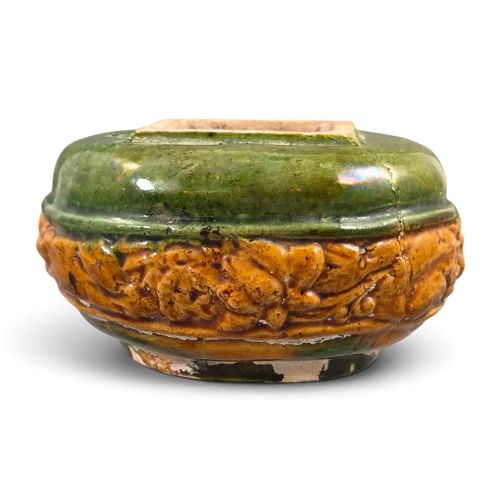
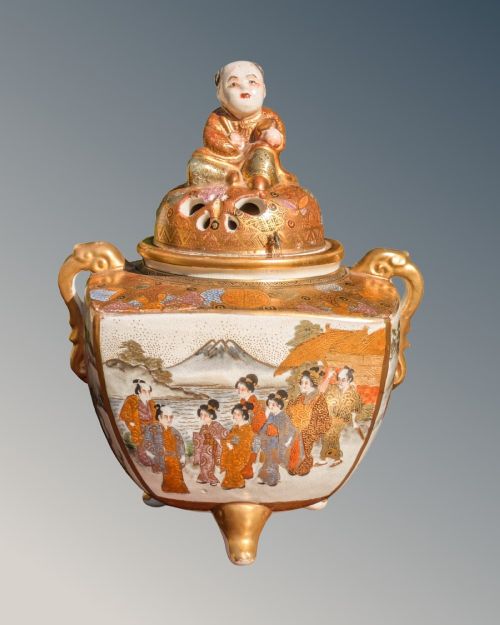
When you search for an oriental earthenware pot, you encounter an array of decorative vessels ranging from large Satsuma vases to intricate incense burners and scholar's water vessels. These pieces predominantly reflect Japanese Meiji period craftsmanship alongside older Chinese and Vietnamese styles.
The selections span distinct historical markers, from pre-sixteenth century ceramic traditions to nineteenth-century and early twentieth-century Kyoto studio creations. You will find forms designed for both display and utility, including lidded jars, teapots, and substantial jardinieres.
Materials and Techniques
Potters shaped these items from earthenware and stoneware bodies, frequently applying lead glazes and enamel details to achieve textured surfaces. Many pieces incorporate decorative flourishes such as gold leaf and gilding.
Makers utilised distinct regional methods, from the complex painting traditions seen in Kyoto-Satsuma wares to the restrained palettes of earlier Chinese and Vietnamese blue and white ceramics.
Listings feature periods spanning from the Tang to Liao Dynasty through to the early twentieth century.
Assessing Quality
Distinctions in quality often rest upon the fineness of the enamel work and the precision of the gilding applied across the earthenware surface. Superior examples demonstrate a careful balance between the form of the vessel and its painted or glazed ornamentation.
The reputation of specific studios and named makers, such as Makuzu Kozan II or Kinkozan, elevates certain pieces through documentary significance and exceptional handling of sculptural details like bamboo-handle forms.
Makuzu Kozan II·Kinkozan·Kotobuki do·Shozan
The Oriental Earthenware Pot Glossary
- Satsuma
- A type of Japanese pottery originating from Satsuma Province, typically featuring a crackled ivory glaze decorated with polychrome enamels and gold.
- Jardiniere
- An ornamental pot or stand designed to hold growing plants or flowers.
- Meiji Period
- The era in Japanese history spanning from 1868 to 1912, characterised by extensive artistic production and international trade.
Oriental Earthenware Pot: Frequently Asked Questions
What is an oriental earthenware pot?
These items are ceramic vessels originating from Asian traditions, encompassing decorative vases, water pots, and incense burners.
They reflect diverse historical periods, utilising materials like enamel, gold leaf, and lead glaze upon earthenware and stoneware bases.
How do I date a piece?
Dating relies on stylistic markers, studio signatures, and the specific materials or glazes characteristic of eras like the Meiji period.
Examining the base and the application of enamel provides further clues regarding the era of manufacture.
Where were they made?
The pieces originate primarily from Japanese ceramic centres such as Kyoto, alongside Chinese and Vietnamese traditions.
Individual studios and kiln sites shaped the distinct aesthetic and technical qualities of each vessel.
How should I clean my pot?
Dust these vessels gently with a soft, dry cloth to protect delicate enamel and gilding.
Avoid using water, chemical cleaners, or abrasive materials that might damage the historical glaze.