

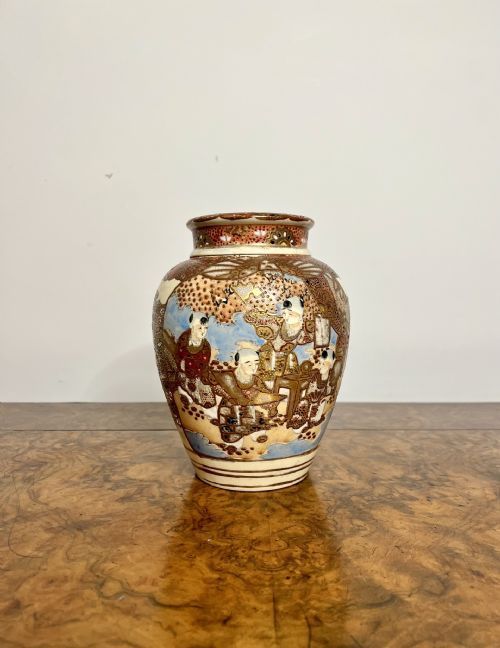


Japanese Figural Urn
These Japanese figural urn pieces bring intricate Meiji period hand-painted detail and gilt decoration straight into your interior.
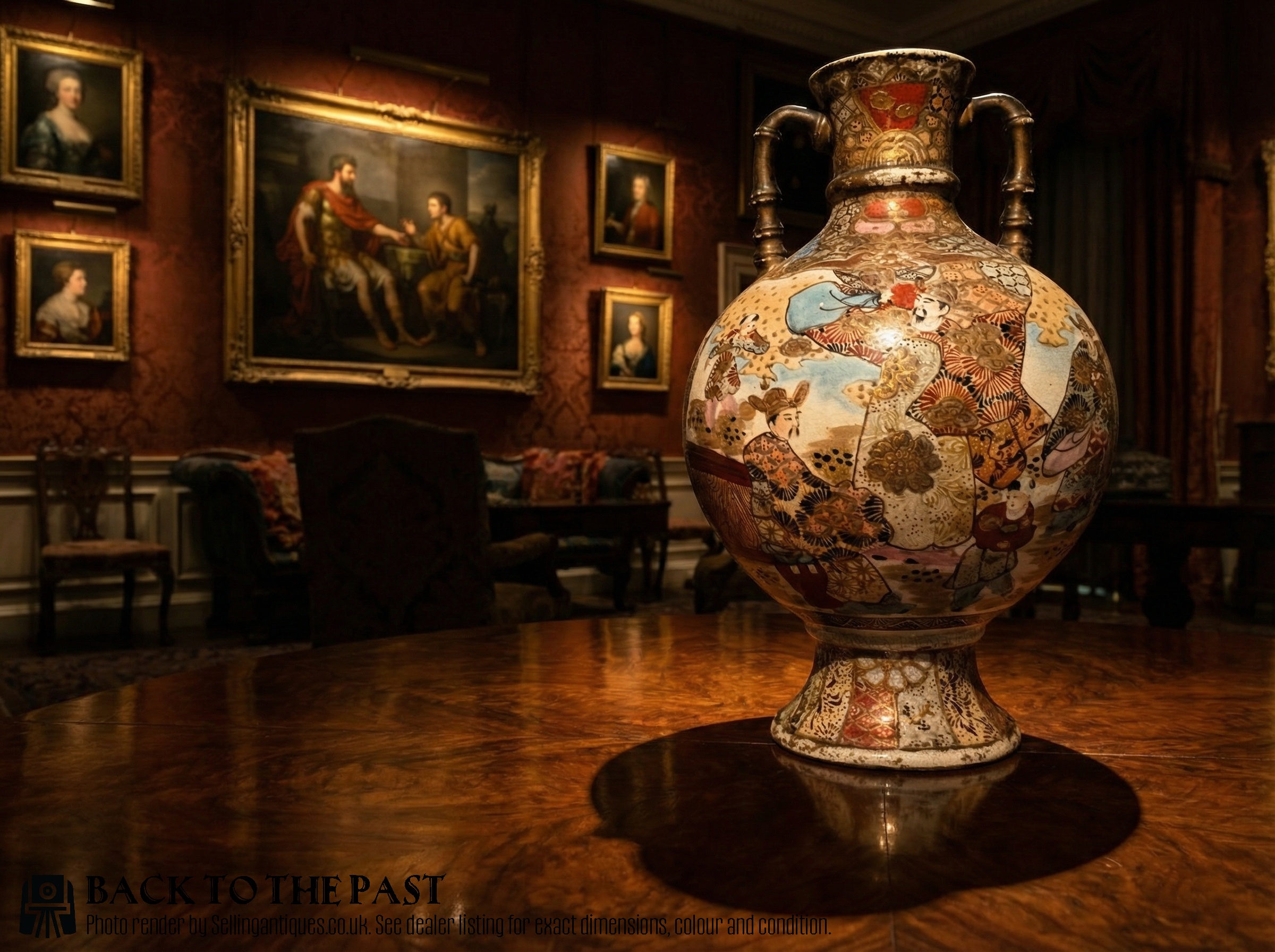
Japanese Figural Urn
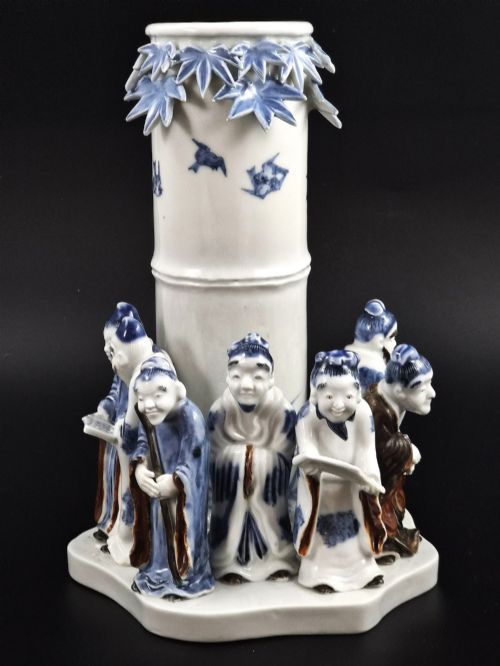
When you search for a Japanese figural urn, you are looking at elaborate ceramic vessels, lidded jars, koro incense burners, and vases originating from the late 19th century and the Meiji period.
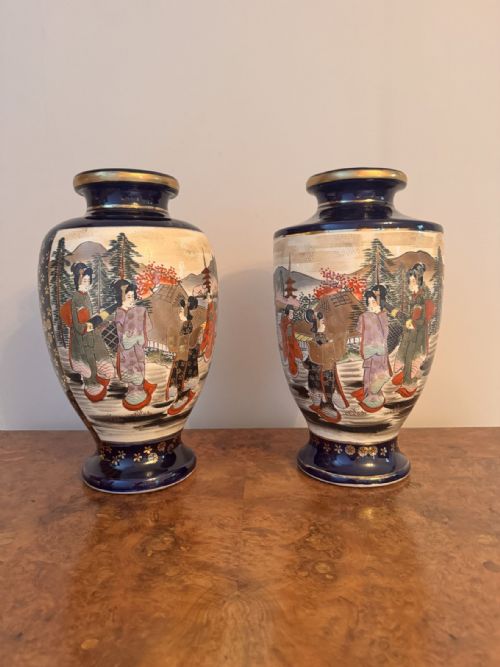
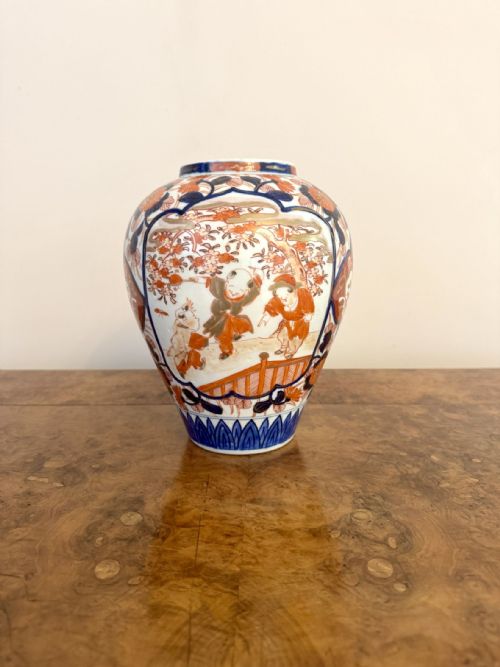
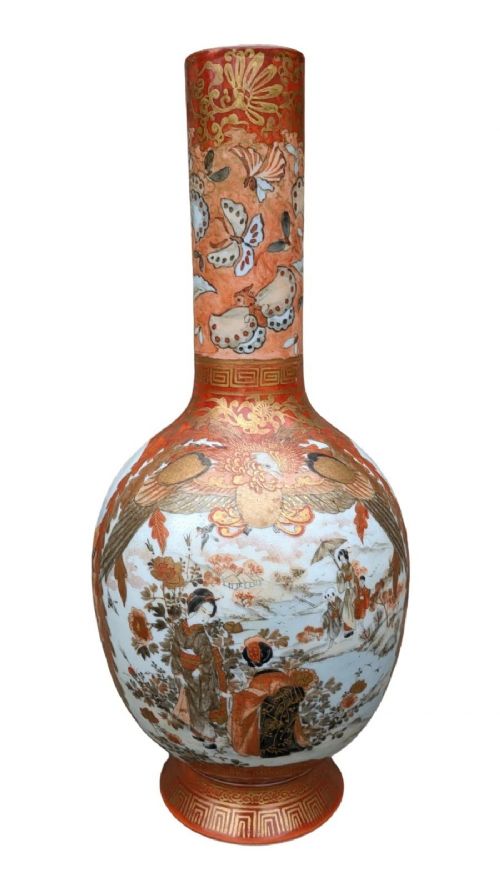
The pieces appearing on this page most commonly take the form of Satsuma earthenware, Kutani wares, and Imari porcelain featuring detailed figural processions, immortals like Jurojin, and lion handles.
Many of these decorative forms have been adapted into table lamps, while others remain traditional lidded jars and miniature vases created for display.
Materials and Techniques
Potters shaped these vessels from earthenware, ceramic, and porcelain bodies before applying intricate hand-painted designs and enamels.
Craftsmen utilised gold leaf, moriage relief work, and gilt bronze mounts to enrich the surface texture and visual depth of the pieces.
Many objects incorporate signed marks or attributed studio work, reflecting the detailed standards of Meiji period workshops.
Listings span the Meiji period alongside the 1870, 1880, 1890, 1900, 1910, and 1920 decades.
The Spectrum of Quality
The finesse of the hand-painted figural work separates standard production pieces from the exceptional miniatures and large vases created by notable makers.
The preservation of the original gold leaf, enamel details, and delicate moriage relief work heavily influences the overall character of each vessel.
The inclusion of signed artisan marks, such as those by Chosei or Kinkozan, distinguishes specialised studio output from unmarked wares.
Kinkozan·Chosei
The Japanese Figural Urn Glossary
- Satsuma
- An earthenware ceramic type originating from Satsuma Province, typically featuring a crackle glaze and elaborate polychrome and gilt decoration.
- Kutani
- A traditional style of Japanese coloured porcelain or earthenware distinguished by bold palettes and intricate painted scenes.
- Imari
- A historic category of Japanese export porcelain decorated in underglaze blue, iron red, and gold.
- Moriage
- A decorative ceramic technique using piped clay to create raised, textured relief patterns on the surface.
- Koro
- A traditional Japanese incense burner, often featuring a cover and three or more feet, frequently modeled in ceramic or metal.
Japanese Figural Urn: Frequently Asked Questions
What is a Satsuma vase?
A Satsuma vase is an earthenware ceramic piece known for its characteristic ivory-colored crackle glaze and detailed hand-painted scenes enriched with gold.
These vessels frequently depict figural processions, deities, and nature motifs typical of the Meiji period.
How do I identify Kutani ware?
Kutani ware is recognised by its distinct colour palette, often combining strong greens, blues, purples, and reds with heavy gilt detailing.
Many examples feature figurative subjects, birds, and floral patterns executed on porcelain or earthenware bodies.
What are koro incense burners used for?
A koro is a traditional lidded vessel designed to burn incense during traditional Japanese ceremonies and domestic gatherings.
In decorative contexts, they function as sculptural tabletop centerpieces with pierced lids to release fragrance.
How do I style a table lamp conversion?
Table lamps created from antique vases and lidded jars introduce height, colour, and historical pattern to a room.
They work well placed on sideboards or living room consoles where the detailed hand-painted surfaces can be closely observed.