


Gold Gilded Ceramic Urn
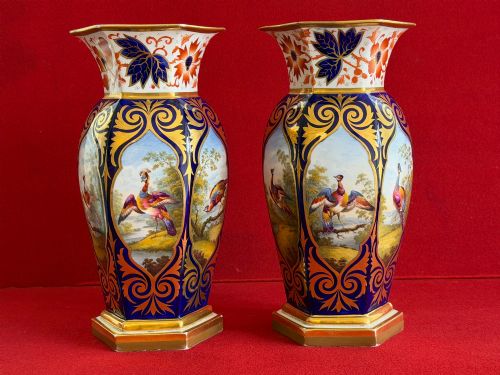
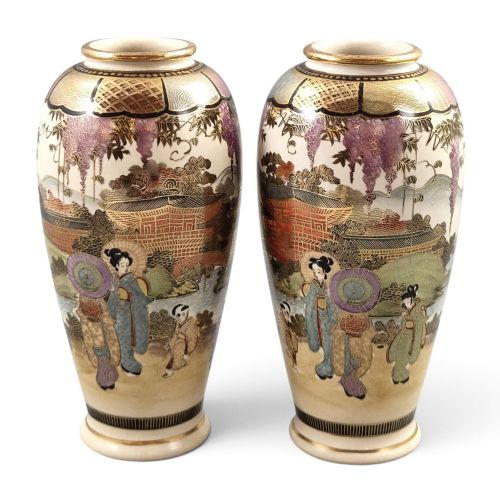
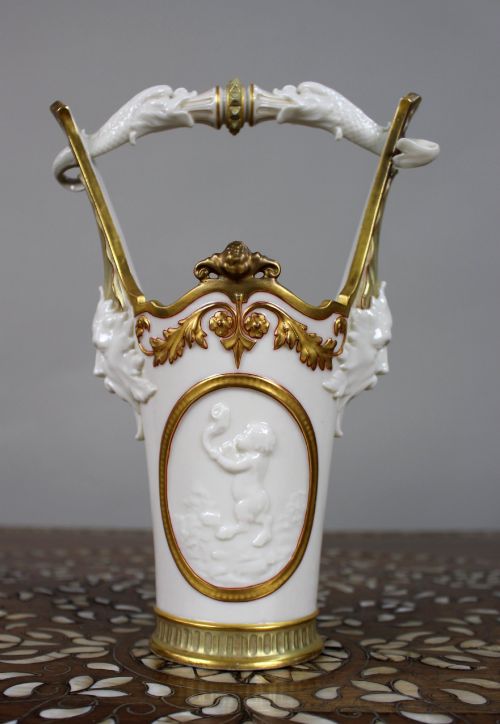
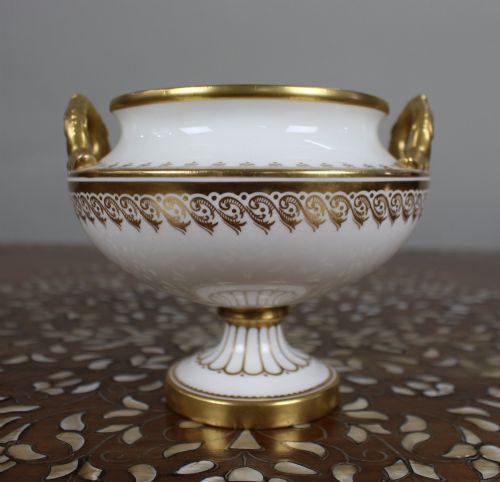
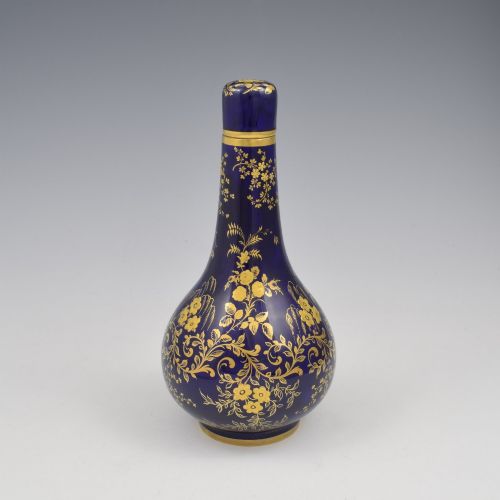
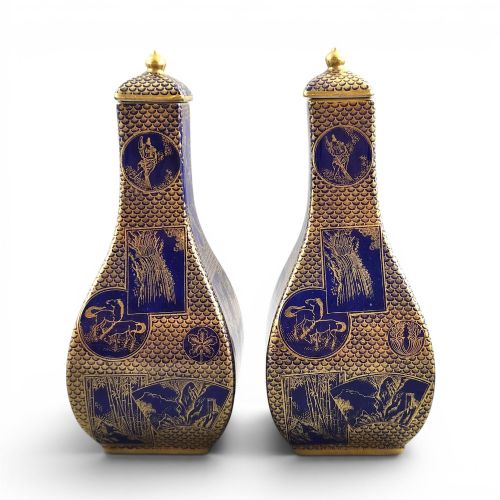
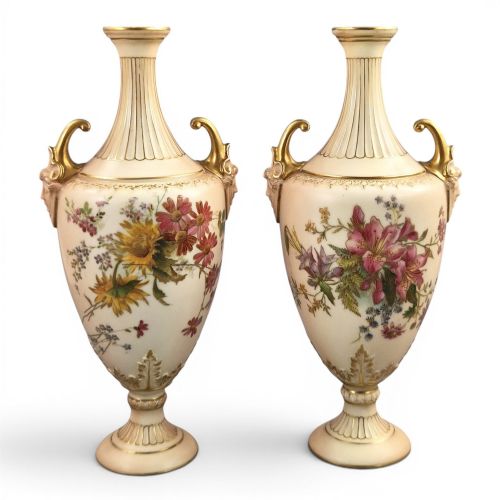
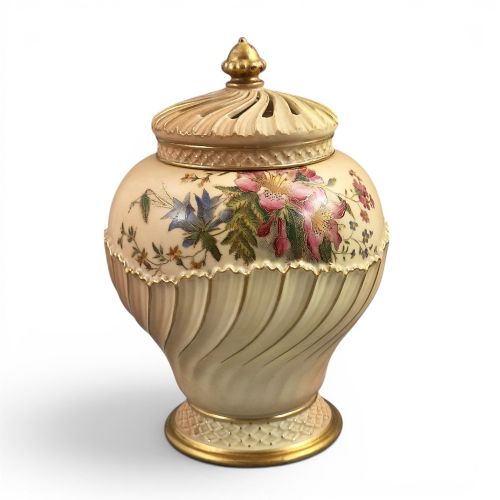
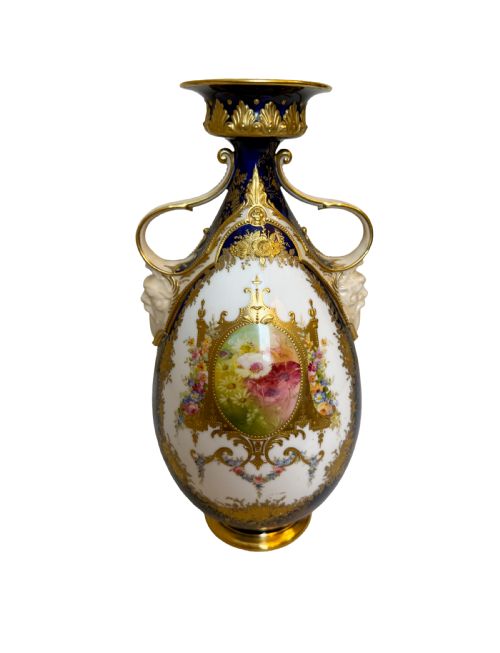
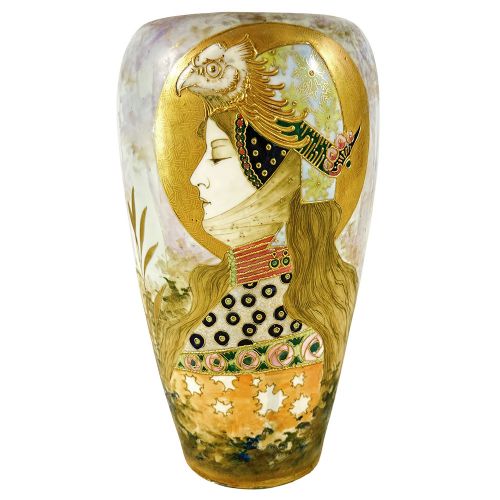
A gold gilded ceramic urn brings classical proportion and reflective metallic surface into a room, spanning English porcelain and Japanese earthenware.
Gold Gilded Ceramic Urn
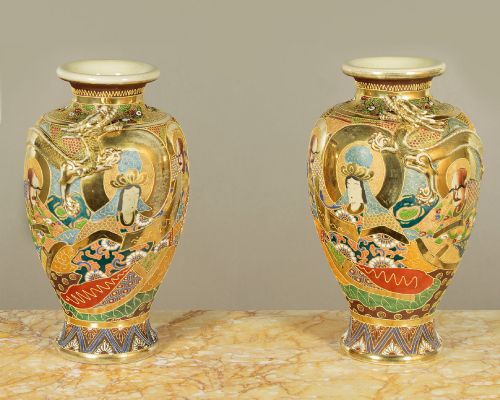
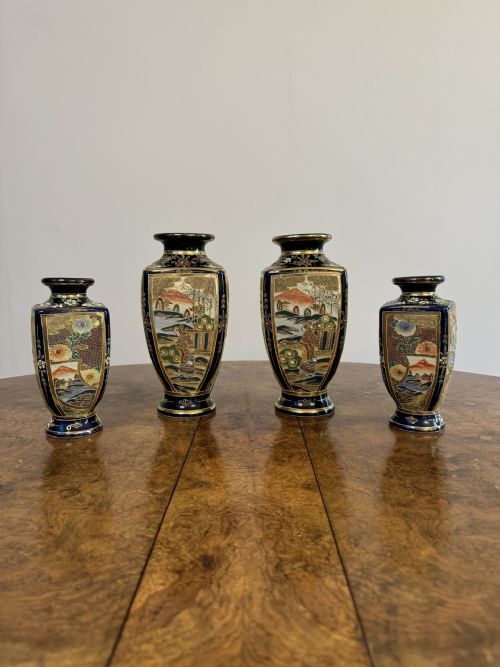
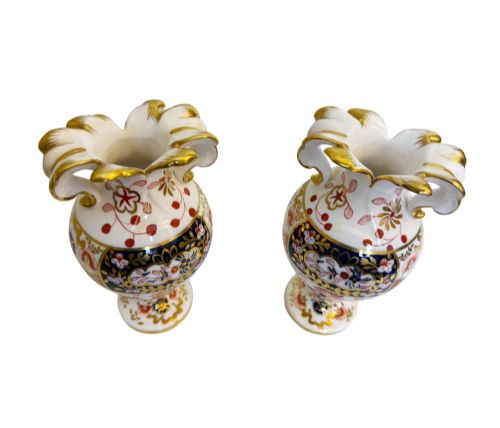
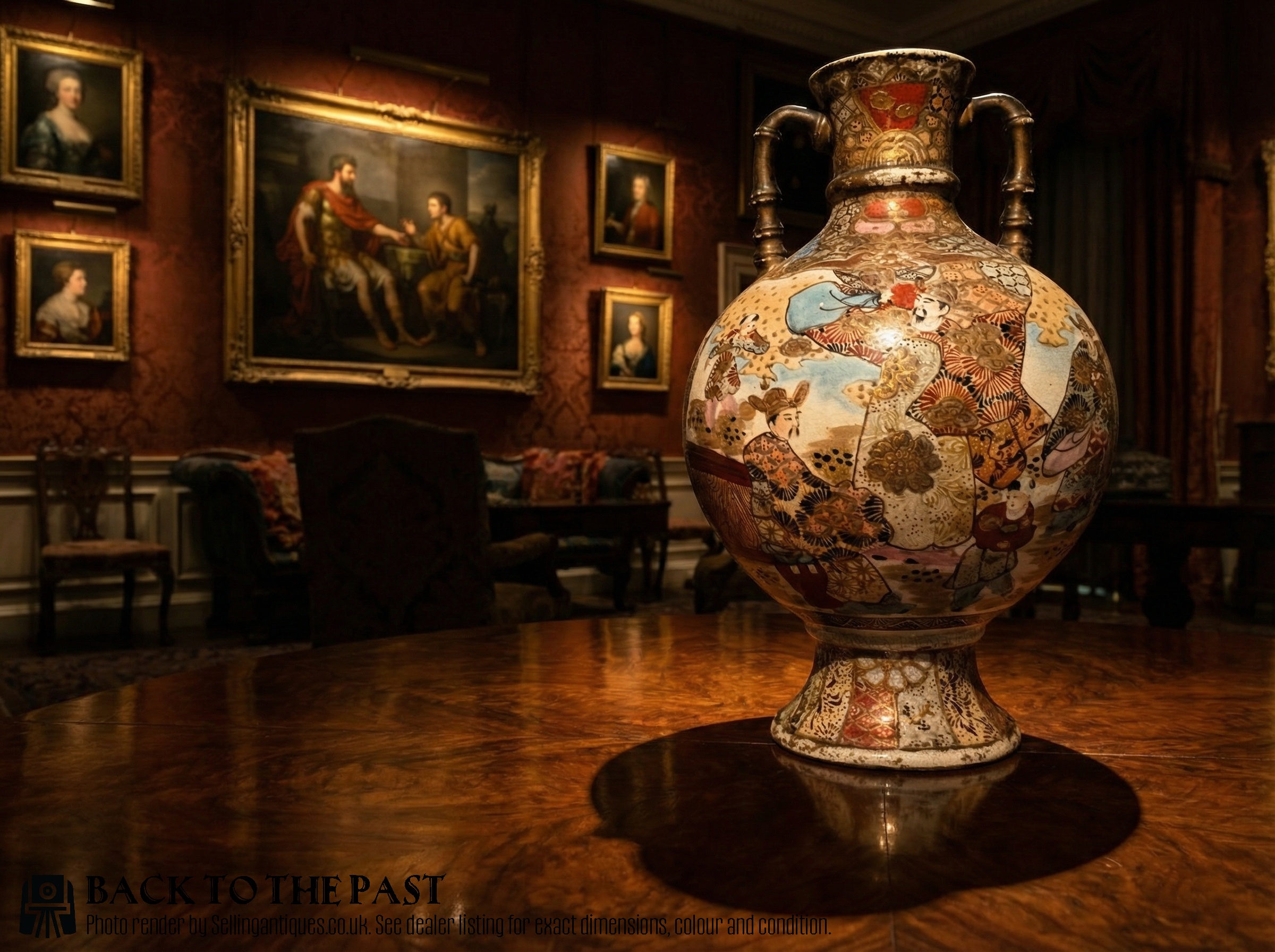
A gold gilded ceramic urn search reveals a diverse assembly of decorative vessels, spanning grand Georgian porcelain urns, nineteenth-century English campagnas, and intricate Japanese Satsuma earthenware.
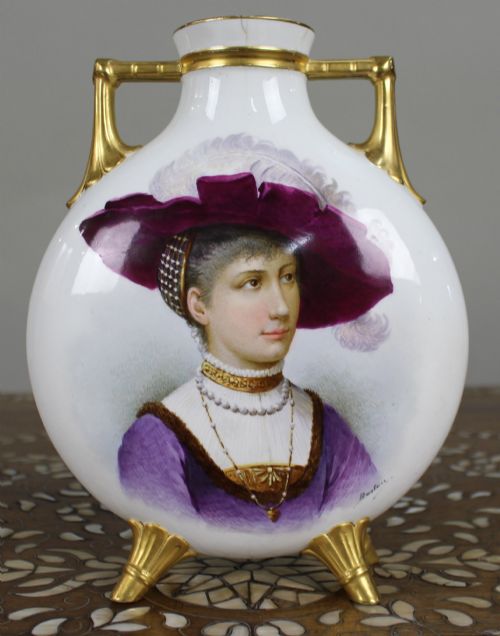
The objects take many forms on this page, including twin-handled vases, moon flasks, jardinières, and pot-pourri jars.
English factory pieces and Japanese Meiji period examples dominate the selections, displaying meticulous hand-painting alongside rich metallic highlights.
Materials and construction
Potters shaped these bodies from earthenware, ironstone, and fine porcelain before applying glazes and detailed enamel pigments.
Makers utilised gold leaf, gilding, and gold gilt to accentuate handles, rims, and figurative panels, often firing the pieces multiple times to set the metallic lustre.
Listings feature porcelain, earthenware, and ironstone decorated with gold leaf, enamel, and glaze across the Georgian and Victorian periods.
Distinctions in craftsmanship
Quality rests upon the precision of the hand-painting and the crispness of the porcelain or earthenware modelling.
Finer items display master artists' signatures, sophisticated colour palettes, and well-preserved gilding that retains its bright reflective depth.
Flight, Barr and Barr·Royal Worcester·Spode·Kinkōzan·Royal Doulton
The Gold Gilded Ceramic Urn Glossary
- Campagna urn
- A bell-shaped classical vessel on a pedestal foot, popular in nineteenth-century English ceramic design. It derives its silhouette from ancient Roman marble excavations.
- Satsuma ware
- A type of Japanese earthenware featuring a crackle glaze decorated with enamel and gilding. These pieces frequently depict historical figures, butterflies, or dragons.
- Jardiniere
- An ornamental ceramic pot designed to hold live plants or floral arrangements. They often feature twin handles and rich surface decoration.
- Imari porcelain
- Ware decorated in underglaze blue, iron red, and gold, following traditional Japanese aesthetic principles. English factories frequently copied these palettes during the Georgian and Victorian periods.
- Moon flask
- A flattened circular ceramic vase with a short neck and two small side handles. Makers prized this shape for displaying complex pictorial scenes.
Gold Gilded Ceramic Urn: Frequently Asked Questions
How were these urns used originally?
Many served as purely ornamental centrepieces on mantelpieces or console tables within wealthy homes.
Others functioned practically as vases for floral displays, ice pails, or fragrant pot-pourri containers.
How do I care for gilded ceramics?
Dust the surfaces gently with a soft, dry cloth to protect the delicate gold leaf and enamel work from abrasion.
Avoid using water, chemical cleaners, or immersion, which can damage historic glazes and fragile metallic finishes.
How do I distinguish English porcelain from Japanese earthenware?
English items from factories like Worcester or Coalport feature dense white paste, translucent bodies, and European neoclassical or floral motifs.
Japanese Satsuma pieces show a distinctive ivory-coloured crackle glaze and dense hand-painted pictorial decoration.
What periods are represented here?
The selection covers centuries of ceramic production, including Georgian, Victorian, Edwardian, and Meiji period works.
Nineteenth-century manufacture forms the core of the available pieces across both European and Asian makers.