



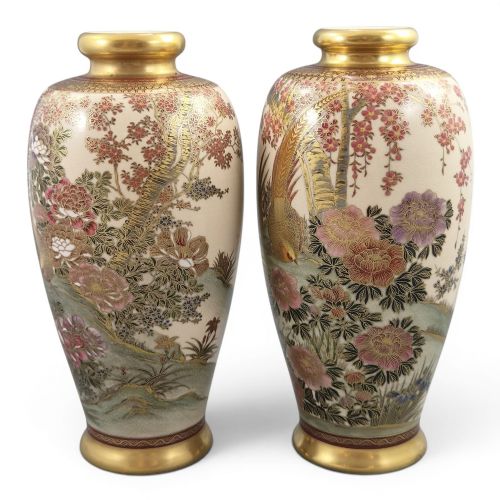
Oriental Decorative Ceramic Pair
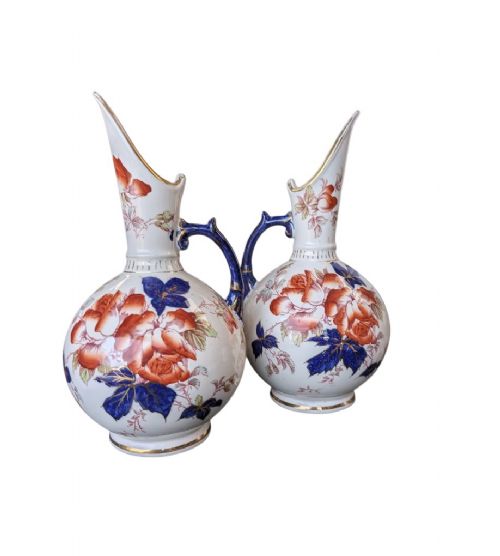
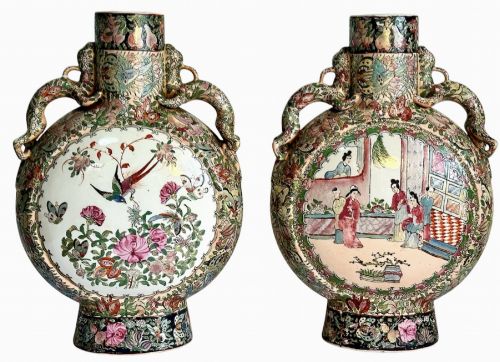
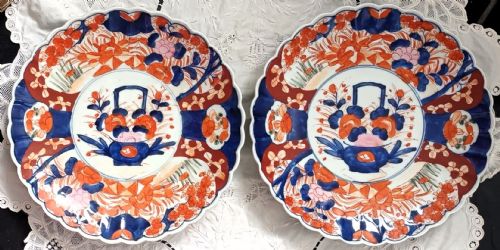
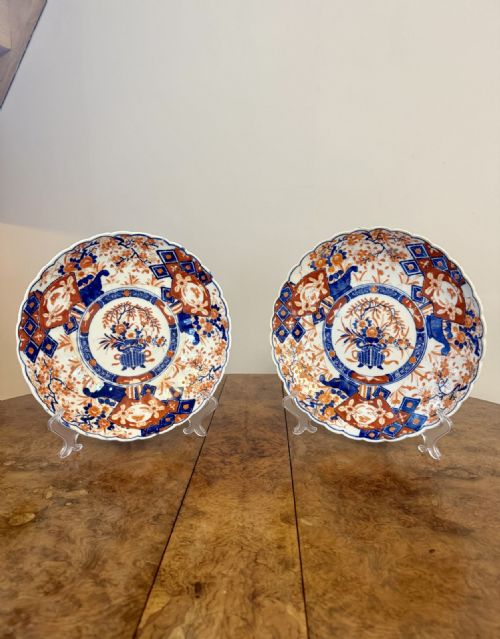
An oriental decorative ceramic pair brings symmetry and rich colour to a room, drawing the eye with matched motifs across vases, chargers and jars.
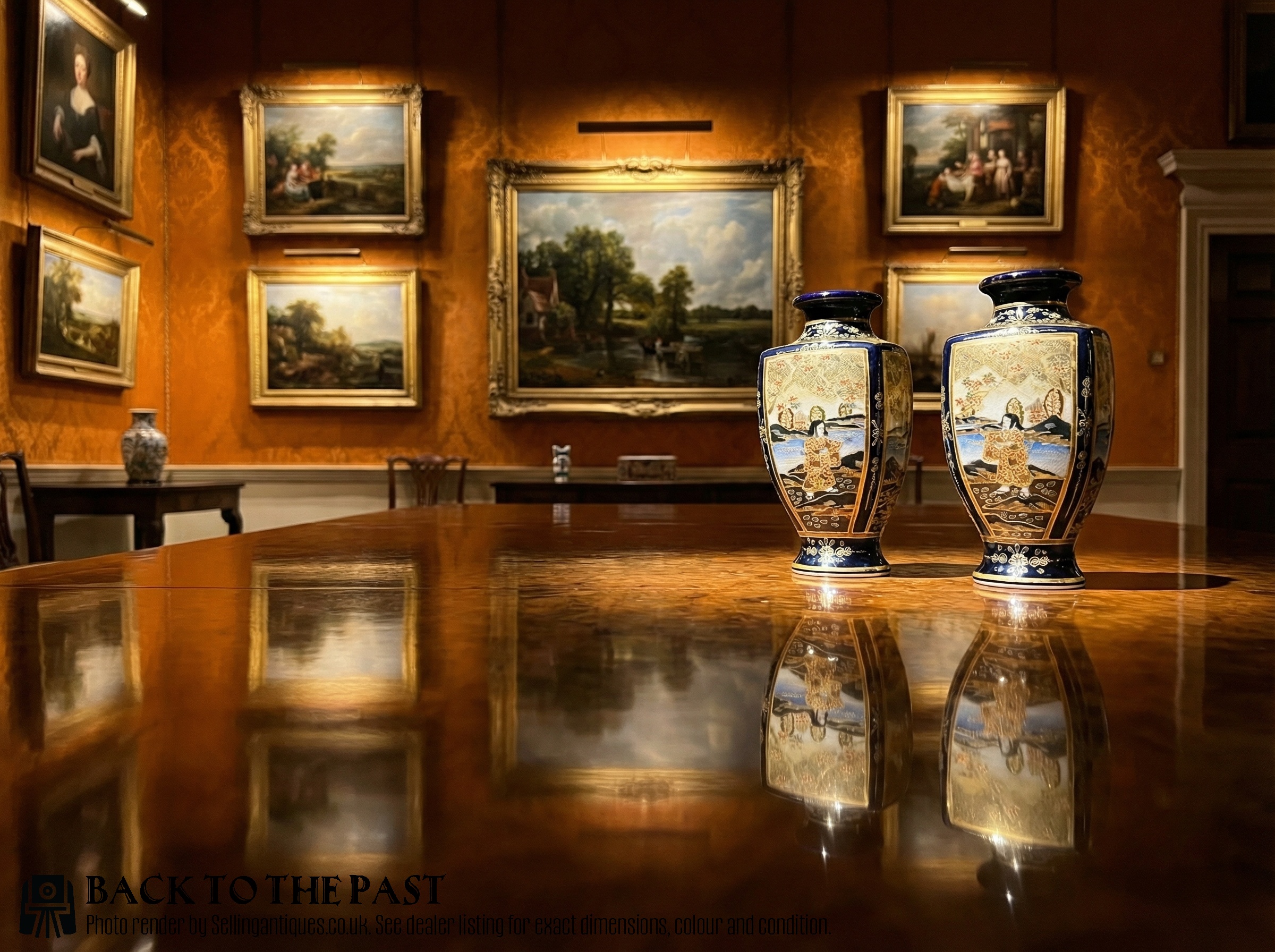
Oriental Decorative Ceramic Pair
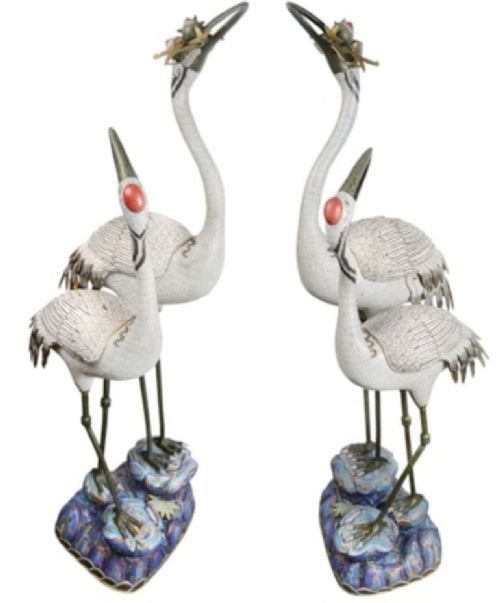
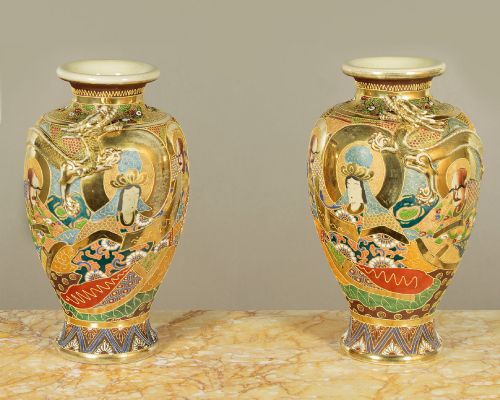
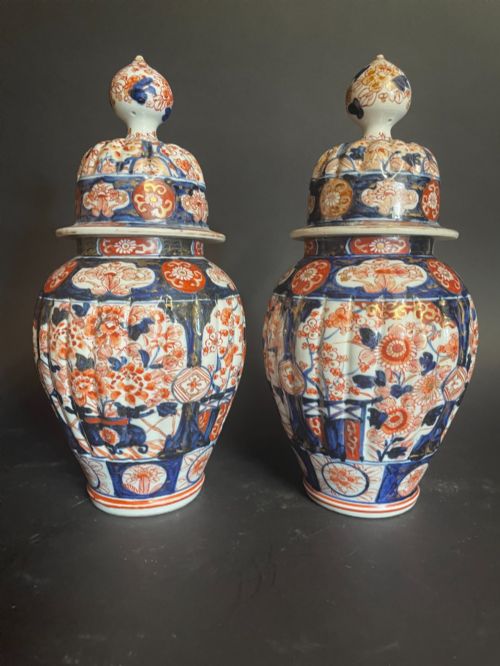
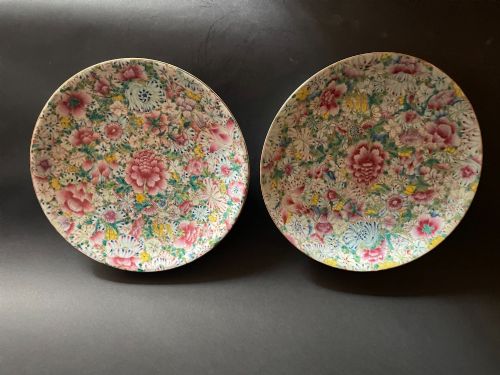
An oriental decorative ceramic pair consists of matching vessels, plates or figures created together for balanced display, most frequently found here in Japanese Imari and Satsuma wares from the nineteenth and early twentieth centuries alongside Chinese porcelain.
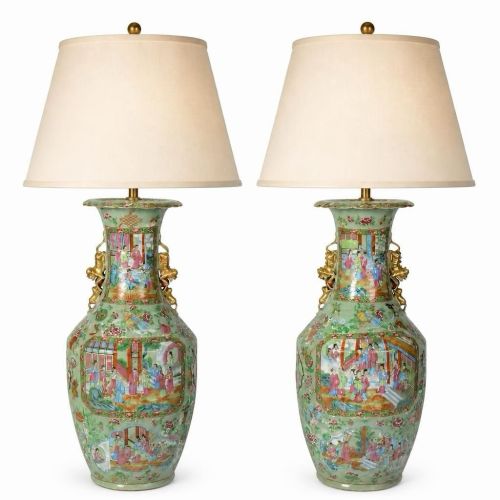
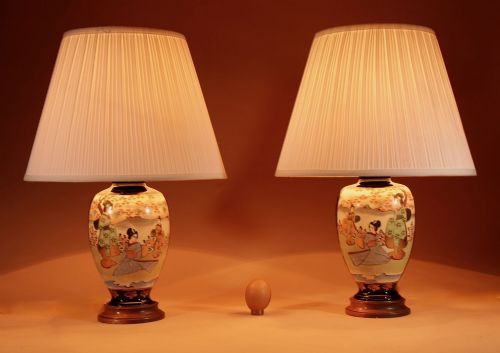
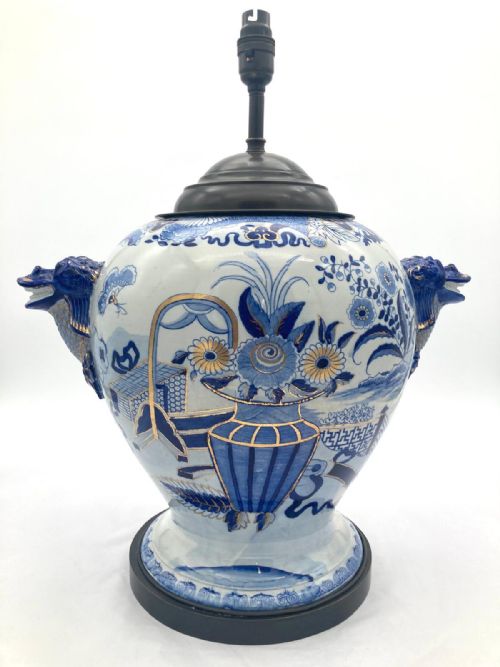
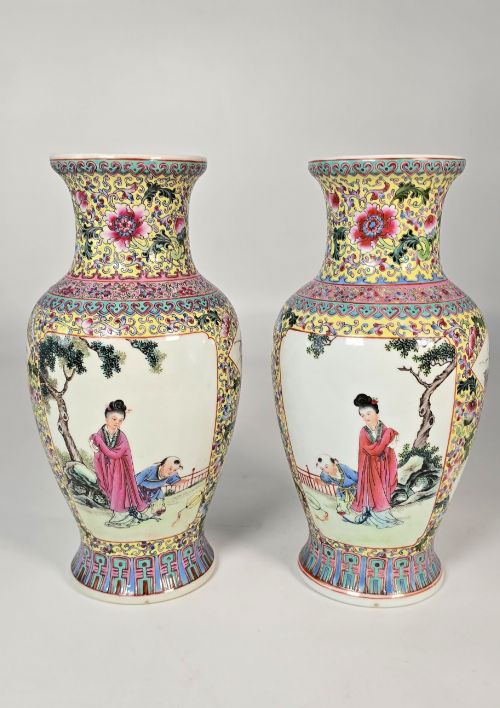
The selections span grand chargers, baluster vases and lidded jars as well as table lamps converted from earlier bodies, representing periods from the late Victorian and Edwardian eras back to eighteenth-century traditions.
Buyers seeking this phrase encounter matched sets designed to sit symmetrically on mantelpieces, sideboards or pedestals, carrying hand-painted scenes of landscapes, deities and floral gardens.
How these ceramic pairs were manufactured
Potters shaped porcelain, ironstone and earthenware into balanced forms on the wheel or in moulds, preparing surfaces to receive underglaze blue and polychrome enamels.
Gilt and gold leaf were often applied over the glaze and fired a second time to fix the metallic highlights that catch the light on Satsuma and Imari pieces.
Intricate hand-painted detail defines the decoration, utilising iron red, cobalt blue and enamels to build dense patterns across bowls, plates and vases.
Among the heavier offerings are garden seats decorated with clobbered ironstone, ready to support a tired collector.
What separates the finest examples
The distinction between standard production and top-tier work rests on the crispness of the hand-painted brushwork and the precision of the matching between the two individual pieces.
Superior pairs display finely controlled enamels, rich gilding that remains intact, and harmonious proportions where neither vessel dominates its partner in form or palette.
Signed works by known makers command attention through disciplined execution and complex pictorial depth, whereas lesser examples show hurried or repetitive brush application.
Manpei Kobe·Hakusan·Kinkozan·Hicks and Meigh·Carlton Ware
The Oriental Decorative Ceramic Pair Glossary
- Imari
- A style of Japanese porcelain featuring distinctive cobalt blue, iron red and gilt decoration. These pieces were exported widely to Europe from the port of Imari.
- Satsuma
- An earthenware ceramic type with a crackle-glaze finish, typically decorated with intricate polychrome enamels and raised gold. It originated in the Satsuma Province of Japan.
- Charger
- A large decorative plate or dish intended for display on a wall or sideboard rather than for dining use. They form impressive focal points in pairs.
- Baluster
- A vase shape with a rounded body that tapers toward the base and swells upwards before flaring at the neck. This silhouette is common in many oriental ceramic pairs.
- Famille Rose
- A palette of Chinese porcelain decoration characterised by opaque pink or rose enamel introduced during the Qing Dynasty. The style allowed for delicate shading of floral and human motifs.
Oriental Decorative Ceramic Pair: Frequently Asked Questions
How do I display an oriental decorative ceramic pair?
Place the two matching pieces at equal distances from a central point, such as either side of a fireplace mantel, a large mirror or a sideboard surface. This creates visual balance and lets the shared motifs complement each other.
Ensure they sit safely away from heavy foot traffic where an accidental knock could displace them. Adequate lighting helps bring out the finer details of the enamels and gold leaf.
How do I tell Satsuma ware from Imari ware?
Satsuma ceramics use a cream-coloured earthenware body covered in a fine network of crackled glaze, heavily decorated with enamels and raised gold. You will often find pictorial scenes of figures and landscapes.
Imari pieces are made of hard-paste porcelain with a smooth, non-crackled white surface underneath a palette dominated by cobalt blue, iron red and gilt. Their patterns tend to rely on geometric panels and stylized florals.
Were these pairs made for export?
Many of the nineteenth and early twentieth-century pieces were produced specifically for the Western export market, where European buyers prized Asian decorative arts. Workshops adapted traditional forms and motifs to suit contemporary interior tastes abroad.
This history explains why items like vases and jars were sometimes converted into table lamps or fitted with European mounts to serve functional roles in period homes.