
Antique Safe Box
An antique safe box safeguards valuables behind thick iron plates, clever locks and ingenious disguises, spanning from heavy metal chests to pocket-sized silver vestas.
Antique Safe Box
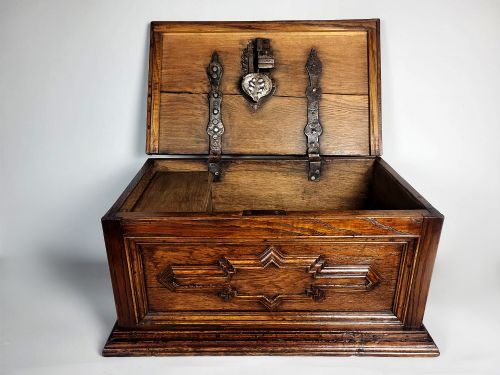
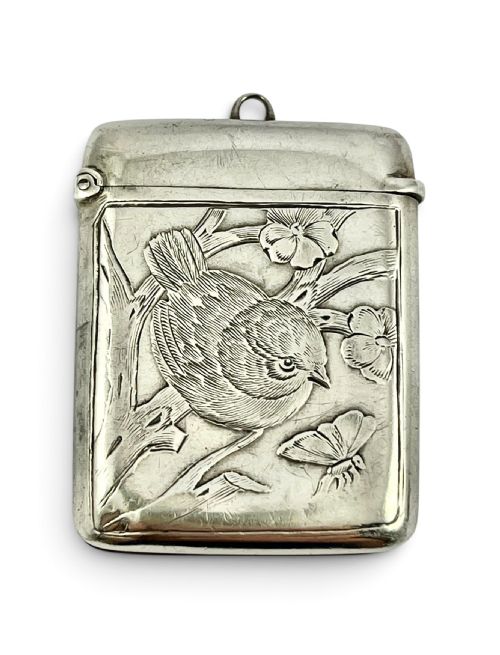
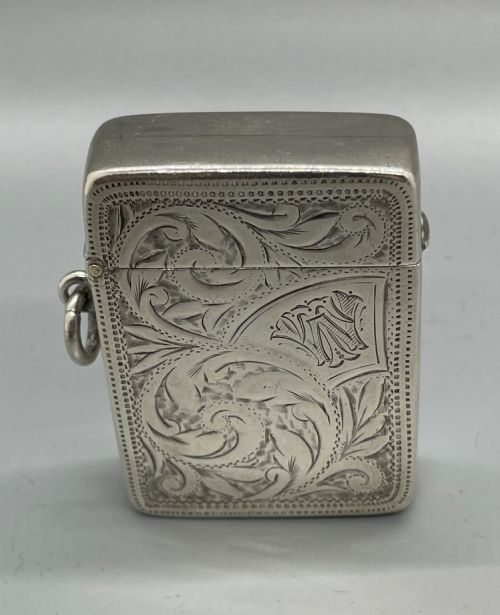
The term antique safe box covers a diverse group of secure storage objects, ranging from heavy merchant strongboxes and floor-standing iron safes to disguised book caskets and pocket silver vesta cases.
Most examples encountered on this page date from the Victorian and Edwardian eras, alongside earlier seventeenth-century iron-bound coffers and eighteenth-century fruitwood pieces.
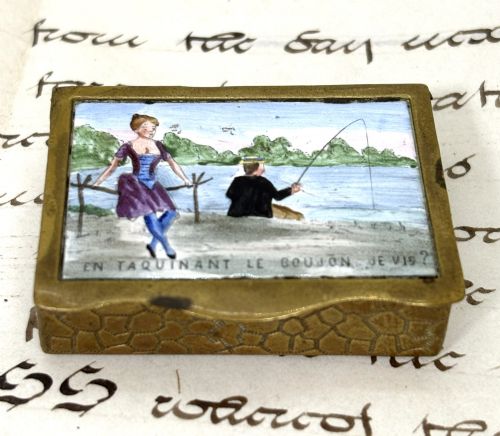
Forms vary from utilitarian cast iron security boxes intended for counting houses to decorative French brass and enamel items made for gentlemanly domestic use.

How they were made
Makers utilised robust metals such as cast iron, wrought iron, brass and polished steel alongside timber frames of oak, walnut, cedar and kingwood to construct these secure containers.
Complexity of construction is evident in the intricate mechanisms, from multi-dial combination locks and complex steel levers to hidden compartments housed within carved wooden book boxes and faux bindings.
Antique Safe Box Retail Price Guide 2026
Typical asking prices for safe box among the pieces listed under this phrase on Sellingantiques today, from the lower quarter to the upper quarter. They describe what is for sale here now, not the wider market.
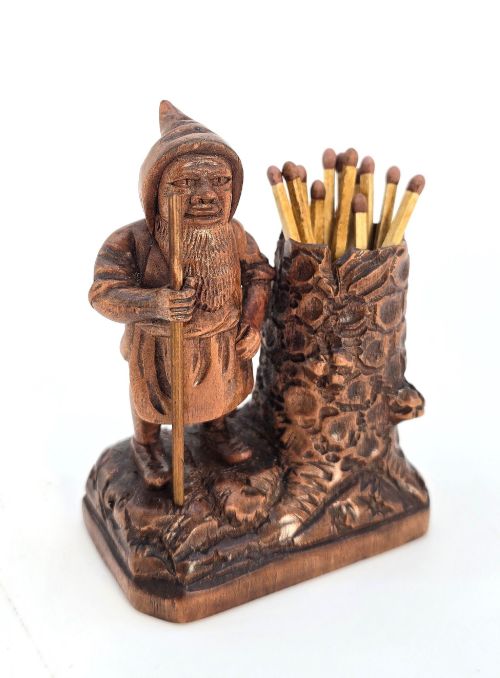
A carved limewood match striker shaped as a smiling gnome keeps watch over matches from the year 1916.
What varies in quality
Quality rests upon the integrity of the locking mechanism and the survival of original keys, complex internal steel levers and working combination dials.
Finishing touches differentiate standard utility items from elite commissions, seen in hand-etched steel plating, finely cast brass mounts, detailed wood carving and vitreous enamel crests.
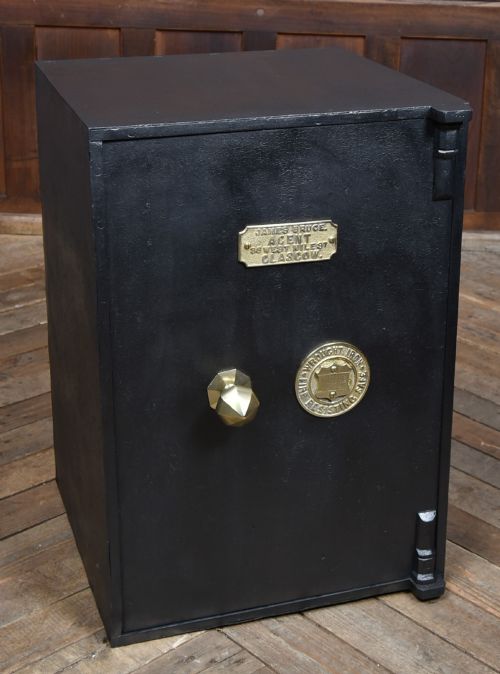
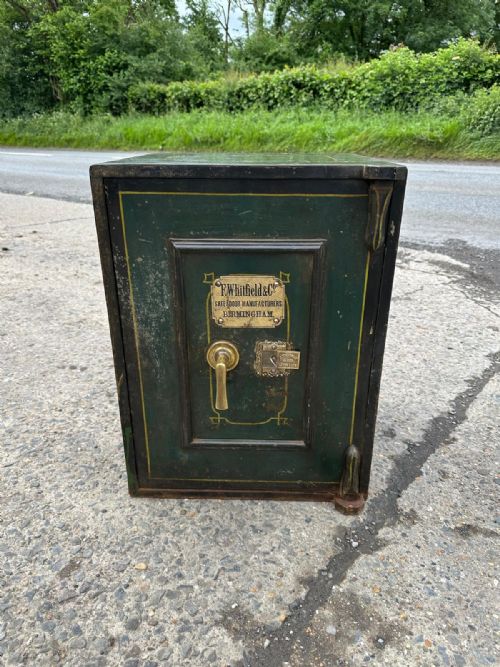
James Bruce·Sampson Mordan & Co·A & J Zimmerman·F. Whitfield & Co·Robert Pringle
The Antique Safe Box Glossary
- Vesta case
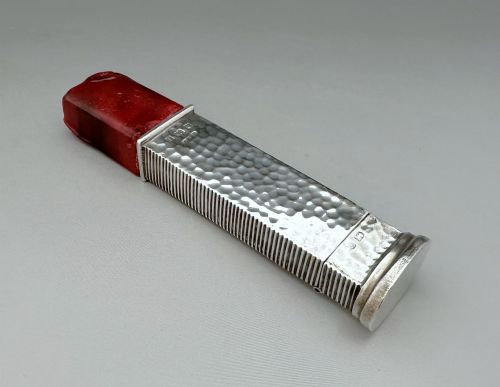
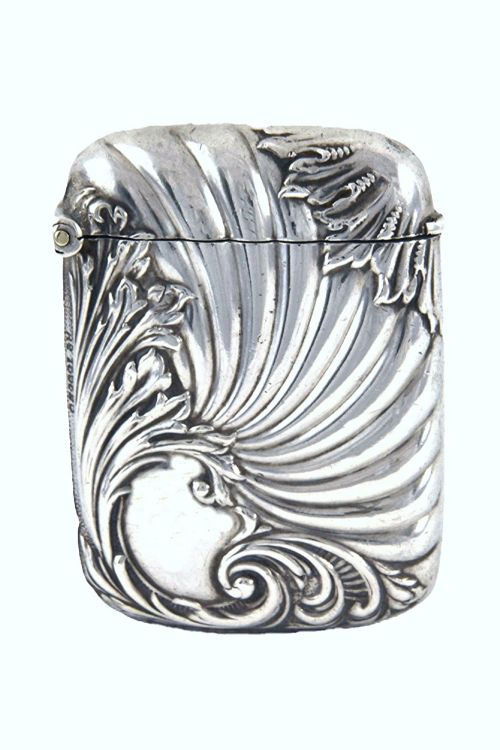
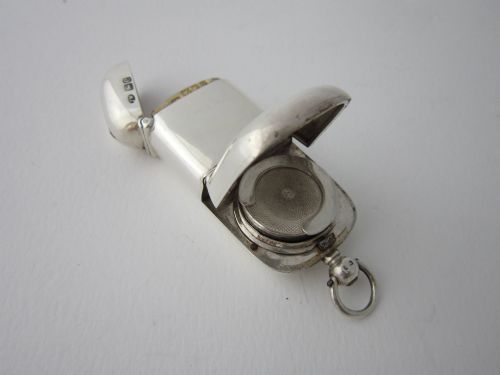
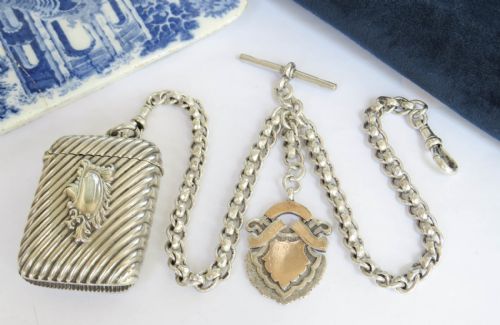
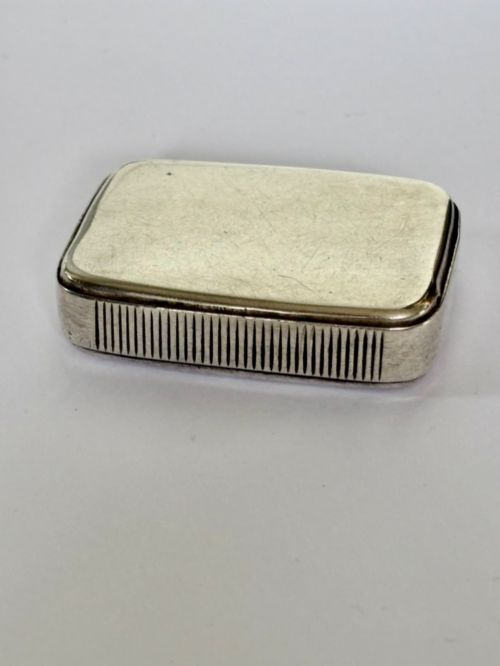
- A small pocket container designed to hold matches, often featuring a textured striking strip on the base. These silver and brass boxes frequently incorporated sliding drawers or spring lids.
- Strongbox
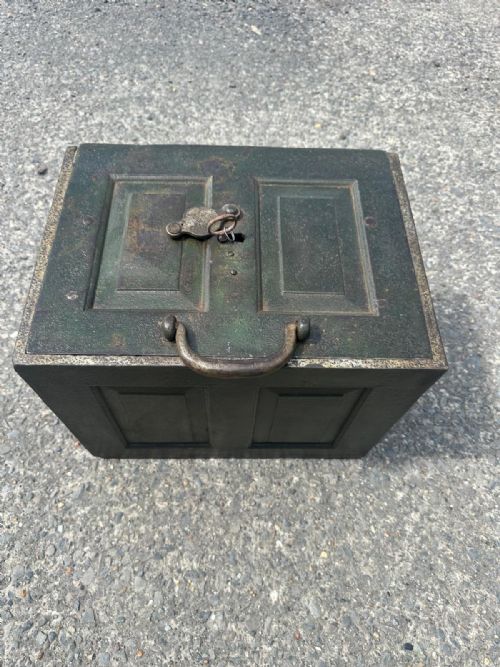
- A heavily reinforced metal or iron-bound chest built to store documents, bullion and coin. They typically feature complex internal locking lids and sturdy carrying handles.
- Tramp art
- A style of woodworking created by carving notched geometric patterns into salvaged wooden boxes and small cabinets. It relies on pocket knives and simple chisels rather than joinery.
- Coffre-fort
- A French term for a strongbox or safe, usually denoting a heavy iron-bound chest or locking cabinet. These pieces often display elaborate exterior strapwork and concealed keyholes.
- Castle top
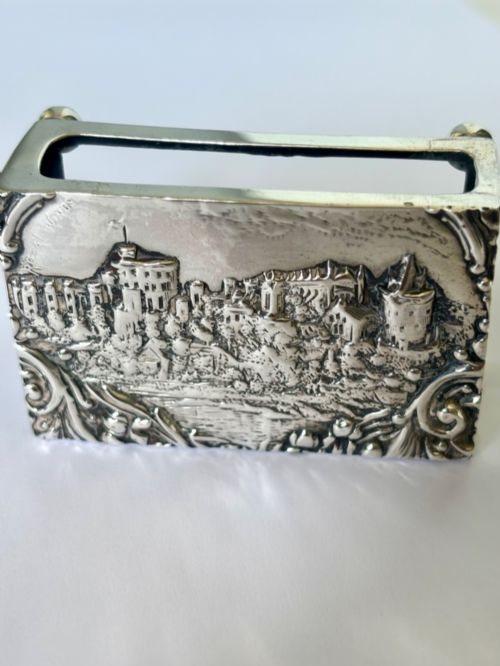
- A specific decorative motif on silver vesta cases and matchbox covers depicting a named landmark or building in high relief. Windsor Castle and similar architectural scenes appear frequently.
Antique Safe Box: Frequently Asked Questions
What is the difference between a strongbox and a safe?
Strongboxes are typically portable iron-bound chests built with heavy locking lids and drop handles for transport by merchants. Safes are usually heavier, stationary units designed to be bolted down in counting houses or offices.
Portable strongboxes rely on external strapwork and internal lever locks, whereas larger Victorian safes incorporate thick cast iron walls and sophisticated drill-resistant door mechanisms.
How do I care for iron and steel parts?
Metal components require a dry environment and occasional application of microcrystalline wax to prevent oxidation and active rusting. Avoid liquid polish on antique steel plates, as it strips historical dark patination.
Moving internal lock parts benefit from a tiny drop of sewing machine oil applied sparingly to the pivots. Wooden housings around iron safes should be cleaned with gentle beeswax rather than modern solvent sprays.
Are book safes actually made of paper?
Book safes are usually constructed from carved wood, leather-tooled calfskin, or heavy cast metal fashioned to mimic the appearance of bound volumes. Actual paper books converted into hiding places are far less common among period pieces.
Examples take the form of hollowed wooden blocks covered in tooled leather or carved limewood compartments disguised as library volumes intended to sit discreetly on a shelf.
How can I tell the period of a metal safe box?
Dating relies on the style of the locking mechanism, the manufacturing marks, and the surrounding cabinetry or decorative motifs. Seventeenth-century examples display hand-forged steel strapwork and complex internal bolt covers, while Victorian pieces utilise stamped brass and mass-produced cast iron.
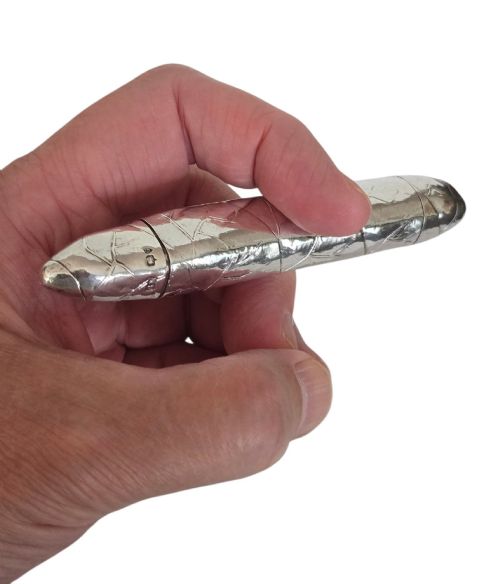
Birmingham and London silver hallmarks on smaller vesta boxes provide exact assay office date letters down to the specific year of manufacture.