






Antique French Coffer
An antique french coffer offers substantial storage built with centuries of regional craftsmanship and sturdy timber.
Antique French Coffer
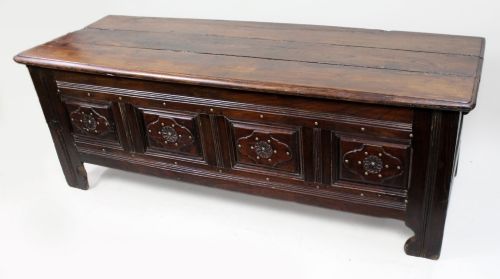
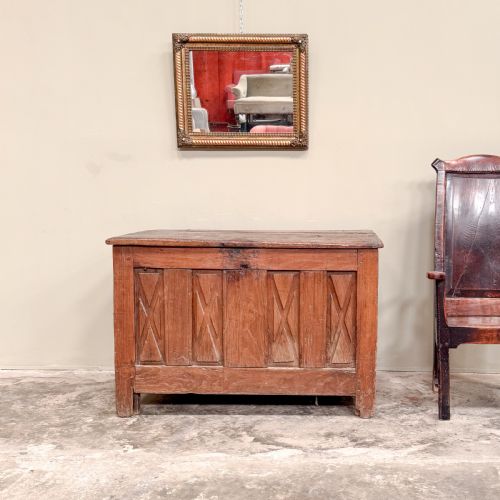
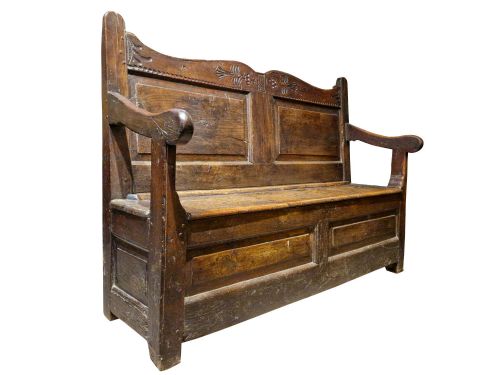
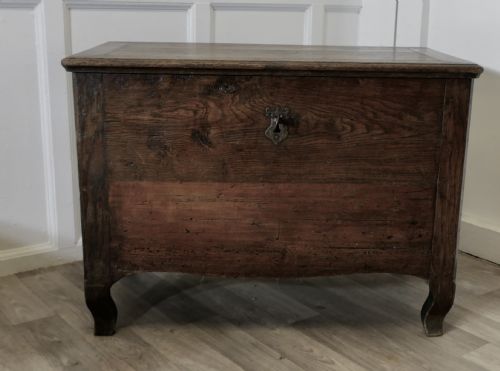
When you search for an antique french coffer, you encounter heavy storage chests and blanket boxes designed for domestic utility. These pieces originate from various regions and span several centuries, with robust oak and chestnut examples dominating the selection.
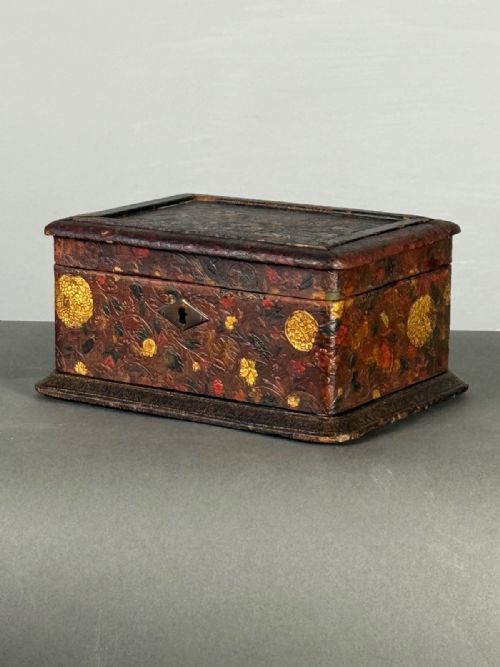
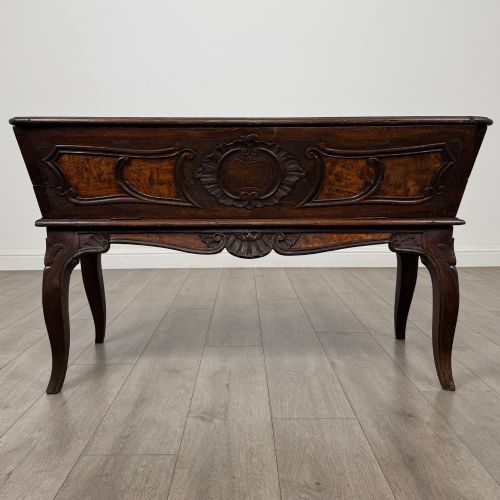
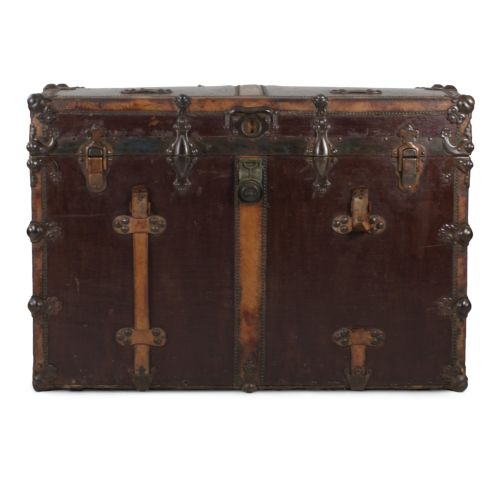
The inventory ranges from simple provincial dough bins and plank trunks to elaborately mounted travel luggage. Earlier centuries favour solid joined timbers, while later periods introduce leather cladding and specialised metal hardware.
How they were made
Cabinetmakers constructed these chests primarily from native hardwoods such as oak, chestnut, walnut and elm, joined with traditional pegged mortise and tenon joints. Panels were frequently hand-carved with geometric or floral motifs, particularly in provincial workshops.
Many storage trunks and travel pieces incorporated iron hasps, brass studs and leather coverings to withstand frequent handling. Specialised boxes relied on internal framing and metal hinges to support lifting lids and secure heavy contents.
A sturdy elm box fitted with iron hasps and carrying hoops once travelled as a cannonball container.
What varies in quality
Quality rests upon the selection of timber and the integrity of the original construction methods. Heavier gauge metals, intact leather bindings and deeply carved panels distinguish superior examples from plain utilitarian boxes.
The refinement of the joinery and the survival of original hardware determine the standing of each piece. Maker attribution, particularly on later trunks, adds a distinct tier of distinction.
Susse Freres Paris·Louis Vuitton
The Antique French Coffer Glossary
- Coffer
- A large wooden chest used historically for storing valuables, textiles or documents. These pieces typically feature a hinged lid and robust construction.
- Dough bin
- A specialised domestic trough or box utilised for preparing bread dough. They often double as storage furniture with lift-up tops.
- Hasp
- A slotted metal plate that fastens over a staple and is secured with a pin or padlock. This hardware is common on travel trunks and strong boxes.
- Provincial
- Denoting items originating from regional areas outside the capital. These pieces display local styles and traditional construction methods.
- Commode
- A low piece of furniture containing drawers or compartments. French variants in this category occasionally incorporate lift-top storage.
Antique French Coffer: Frequently Asked Questions
What is an antique french coffer used for?
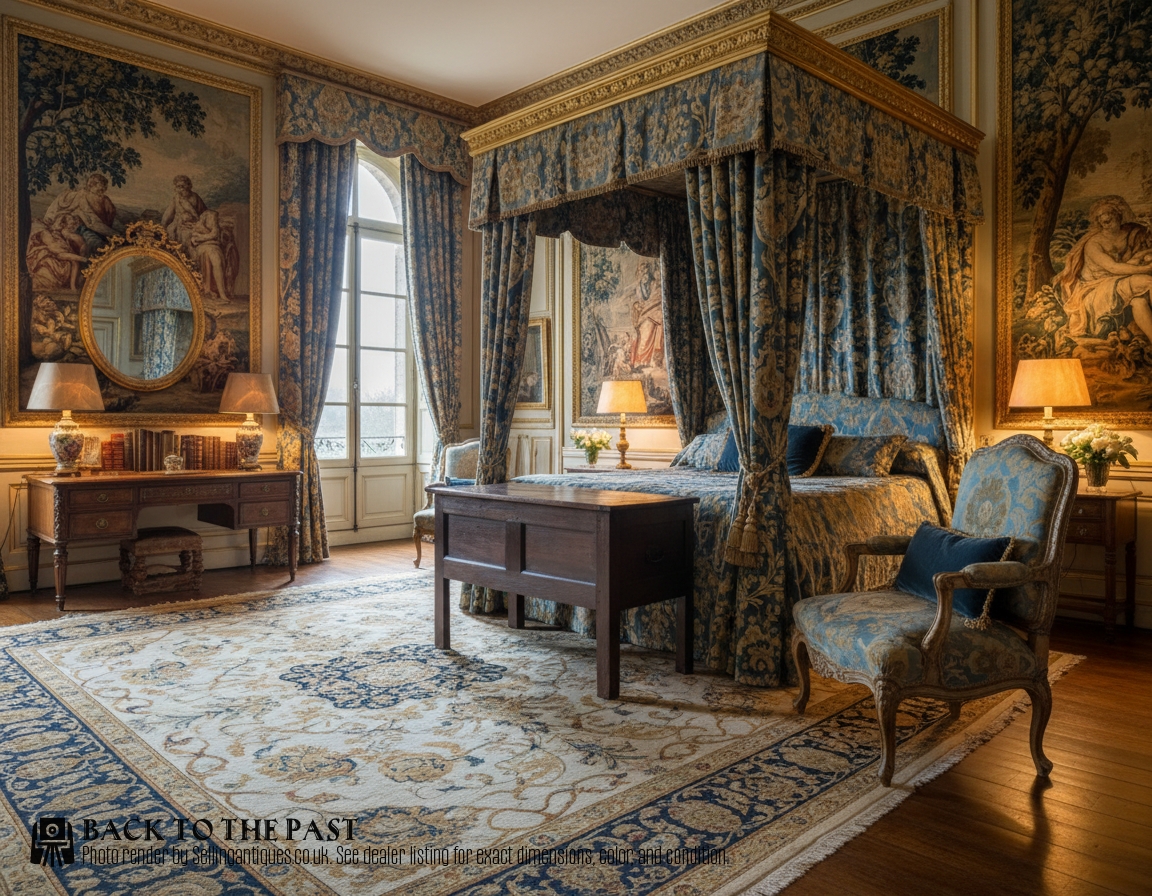
These pieces served practical household functions such as storing blankets, linens, dry goods and valuables. Today, they function effectively as coffee tables, window seats or statement storage chests in living spaces.
Their robust construction allows them to handle heavy everyday use while maintaining a distinct historical presence in a room.
How do I date an antique french coffer?
Dating relies on examining the timber species, joinery techniques and hardware. Earlier centuries utilise heavy hand-sawn oak or chestnut with pegged joints, whereas later 19th-century and 20th-century pieces incorporate machine-cut elements, leather cladding or specialised manufacturer stamps.
Stylistic cues such as Gothic carvings, provincial motifs or Belle Epoque mounts also help narrow down the period of manufacture.
How do I care for leather clad trunks?
Leather-covered trunks require stable humidity levels and protection from direct sunlight to prevent the hide from drying and cracking. Dusting with a soft, dry cloth is usually sufficient for routine maintenance.
Avoid applying modern chemical cleaners to historic leather surfaces to preserve the original patina and finish.