
Oak Coffer
An oak coffer is a solid timber chest built for security and storage, offering tangible links to domestic life from the sixteenth century onwards.
Oak Coffer
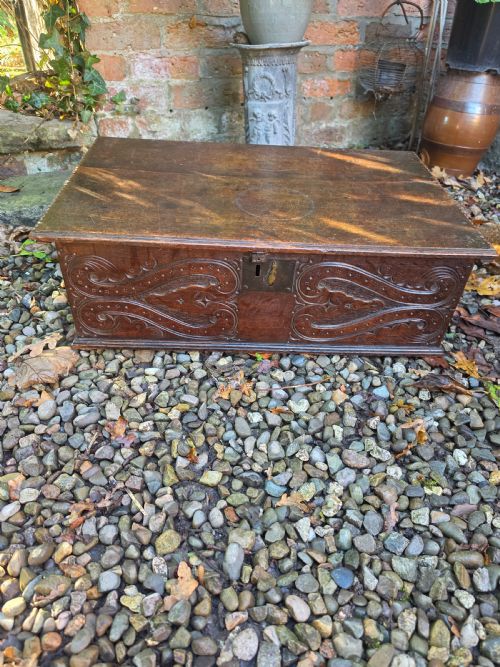
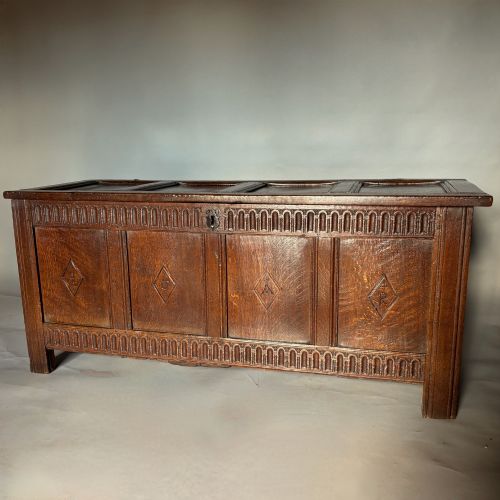
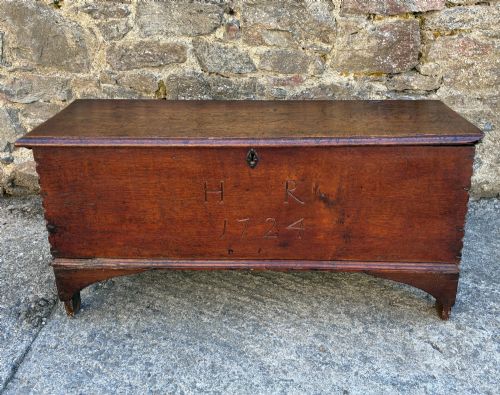
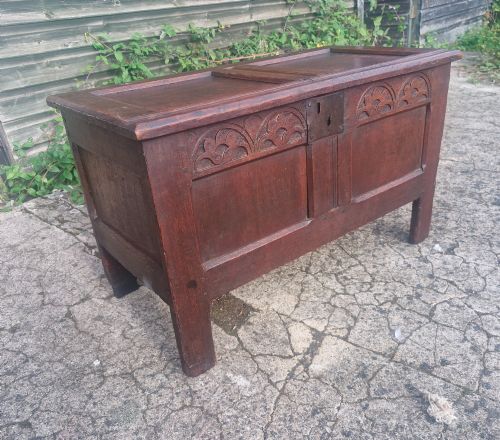
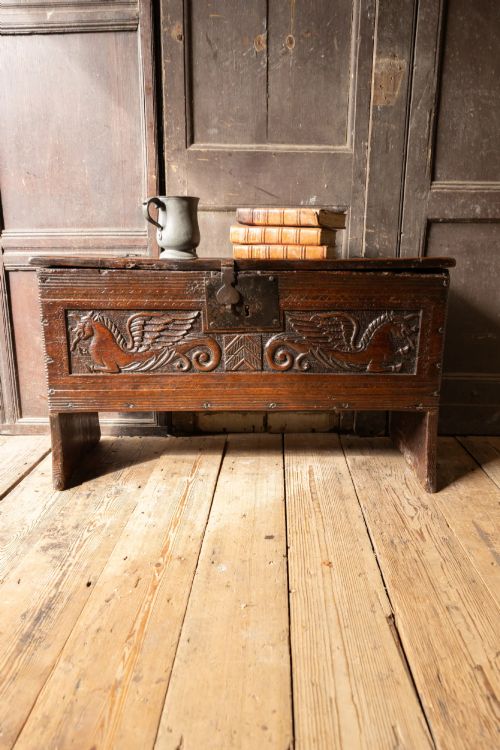
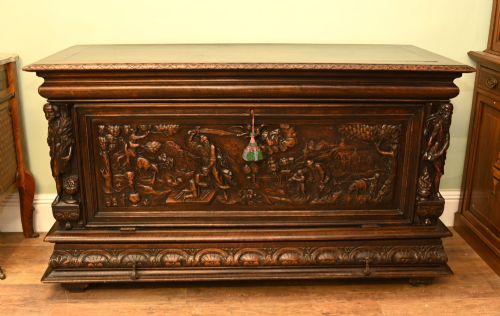
An oak coffer is a robust storage chest used across domestic and ecclesiastical interiors from the sixteenth century onwards. Surviving examples range from plank-constructed document boxes to large joined storage chests with carved panels.
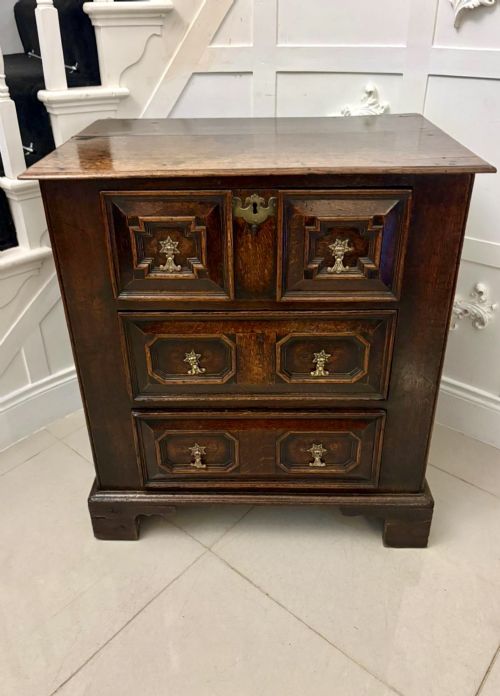
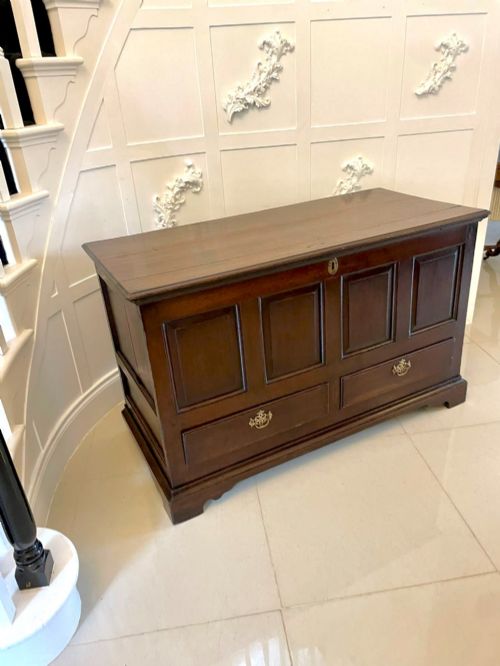
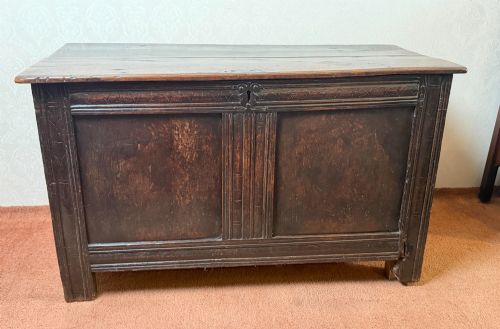
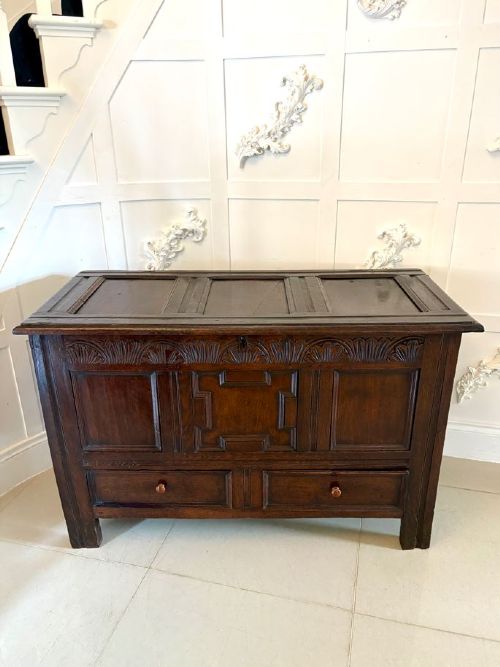
The pieces listed under this search phrase include seventeenth-century joined coffers, eighteenth-century mule chests fitted with lower drawers, and later revival forms. Smaller variants such as Bible boxes and coffer bach specimens also appear frequently.
Makers utilised native English oak alongside ironwork hinges and brass handles. Regional variations span Welsh craftsmanship, West Country boarded chests, and continental European examples.
How they were made
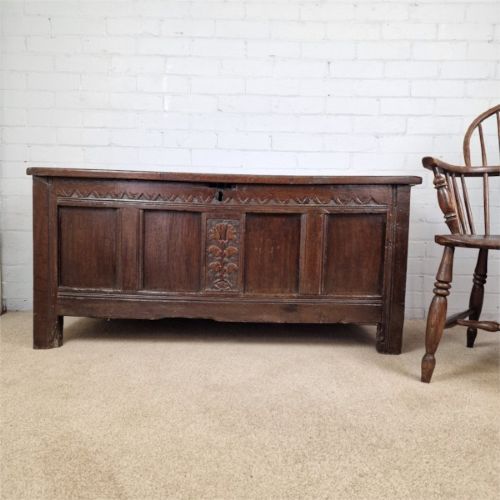
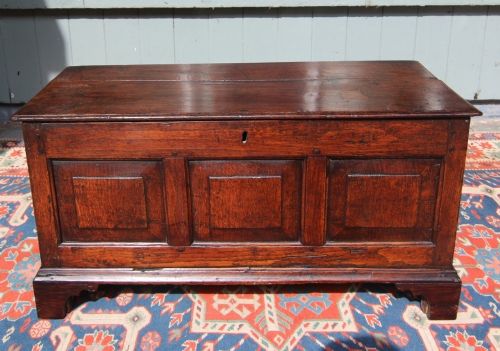
Carpenters constructed early coffers using heavy oak planks fastened with iron nails or pegged tenon joints. Frame and panel construction evolved later, allowing the timber to expand and contract safely with seasonal humidity changes.
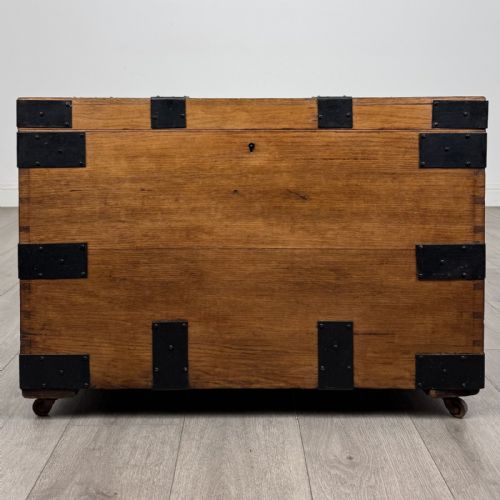
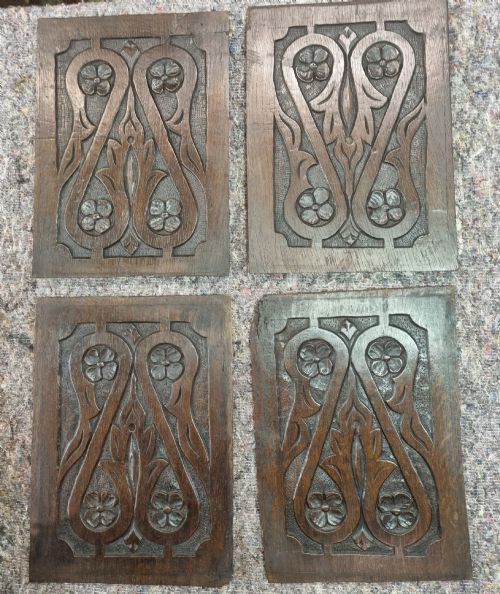
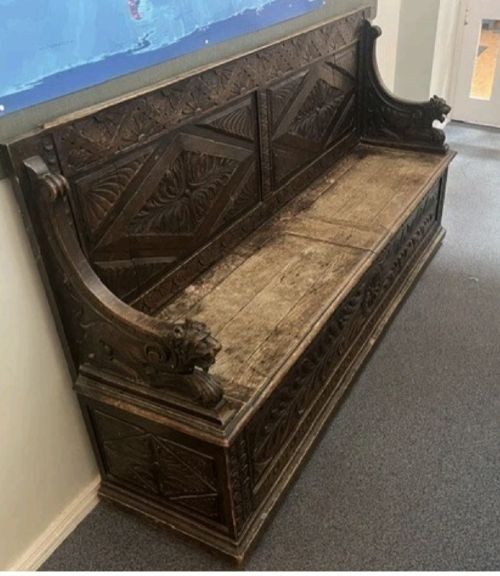
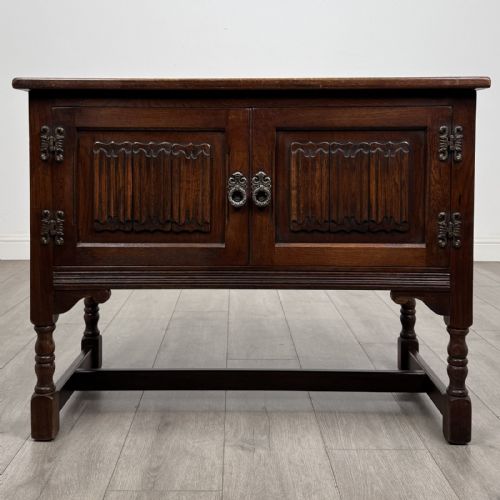
Surface decoration relies on hand-carved geometric patterns, linenfold motifs, and occasional marquetry inlay. Iron bindings, brass acorn handles, and castors are found on later nineteenth-century adaptations.
Listings span multiple centuries from the 16th century through to the Edwardian period, predominantly rendered in oak with occasional walnut and elm.
What varies in quality
The standard of a coffer depends upon the integrity of its timber selection and the precision of its joinery. Early joined examples displaying crisp hand-carved panels command greater regard than later vernacular pieces with heavy later alterations.
Proportion and untouched original surface patination distinguish finer chests from heavily restored or composite items. Original ironwork hinges, locks, and internal till boxes further elevate a piece's integrity.
The Oak Coffer Glossary
- Coffer
- A large wooden chest traditionally used for storing valuables, textiles, or documents. These storage pieces form the primary focus of this search.
- Mule chest
- An oak storage chest featuring one or more drawers beneath the main lifting compartment. This form emerged during the seventeenth and eighteenth centuries.
- Joined oak
- Construction method utilising pegged mortice and tenon joints to hold stiles and rails together around a floating panel. This technique prevents the timber from splitting.
- Linenfold
- A carved wood panel motif resembling folded cloth, popular on sixteenth and seventeenth-century furniture. It gives a textile texture to solid oak surfaces.
- Coffer bach
- A small Welsh chest or coffer, often fitted with a drawer below, used for domestic storage. The term translates from Welsh as little coffer.
Oak Coffer: Frequently Asked Questions
What was an oak coffer used for?
An oak coffer served primarily as secure domestic storage for household valuables, linen, and important documents before fitted wardrobes and cupboards became common.
People also used them as benches or tables within the home when floor space was limited.
How do I date an oak coffer?
Dating relies on examining the construction methods, tool marks, and style of carving present on the timber. Pegged joined frames generally indicate earlier seventeenth-century work, whereas machine-cut timber points towards later revival pieces.
Hardware such as original iron hinges and brass fittings also helps establish the era of manufacture.
What is the difference between a coffer and a mule chest?
A standard coffer consists of a single deep compartment accessed by lifting the top lid. A mule chest incorporates one or more drawers built into the base beneath the main storage cavity.
This drawer addition represents an evolution in domestic storage convenience during the late seventeenth and eighteenth centuries.
How do I care for antique oak furniture?
Antique oak benefits from stable indoor humidity and shelter from direct sunlight or intense heat sources. These environmental controls prevent the ancient timber from drying out or splitting.
Applying a light coat of traditional beeswax helps maintain the natural finish and protects the surface patination.