
Blanket Box Trunk
When searching for a blanket box trunk, you are looking at substantial lidded receptacles built to store textiles, linens, and travel gear across centuries.
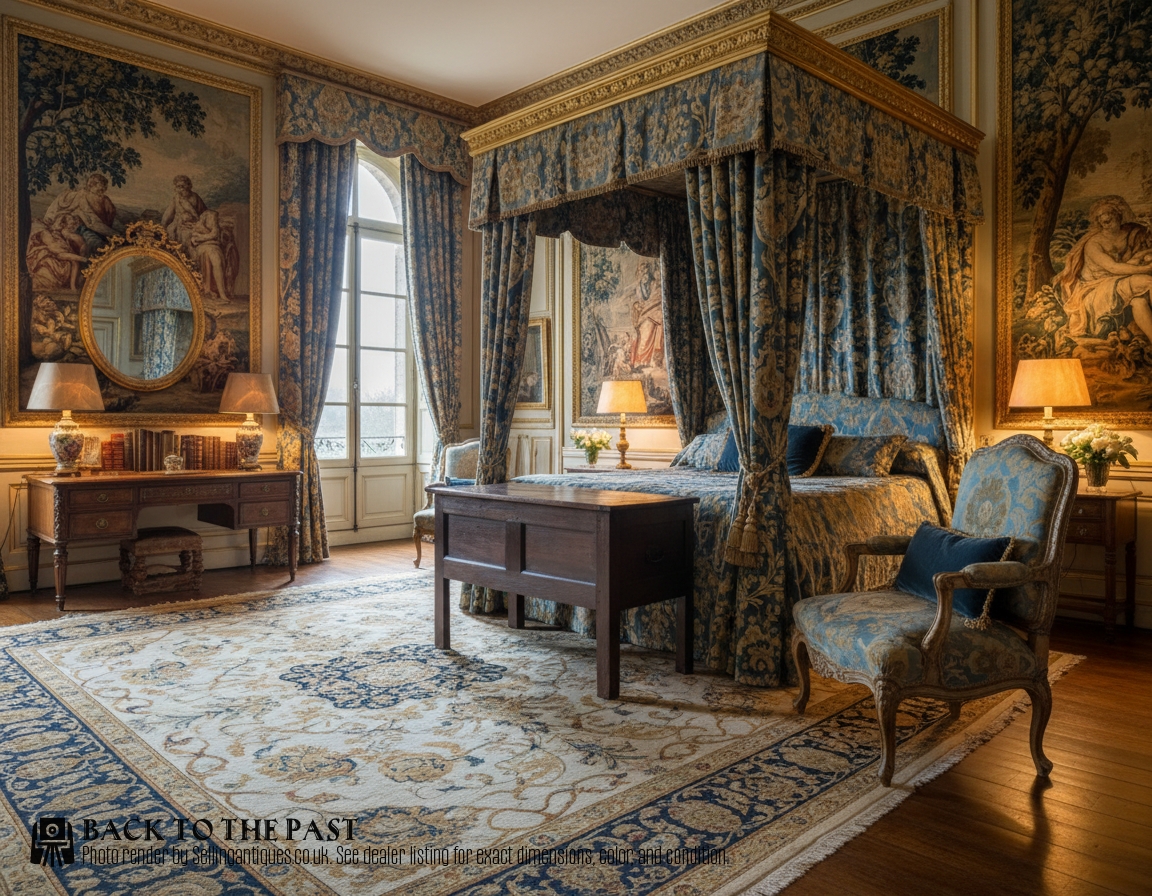
Blanket Box Trunk
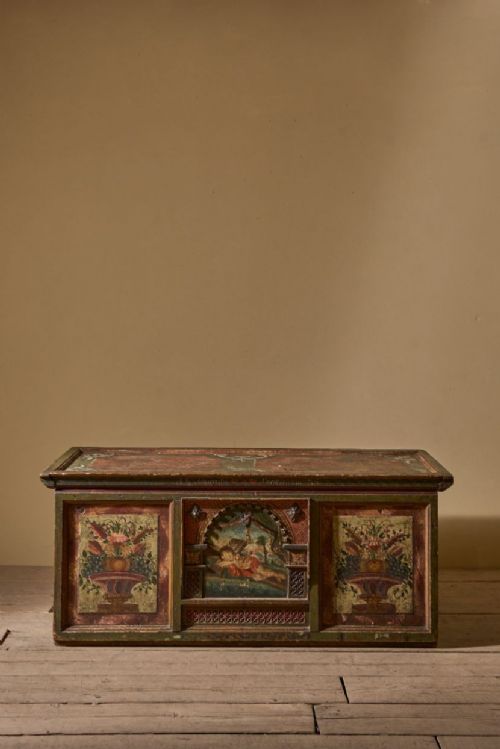
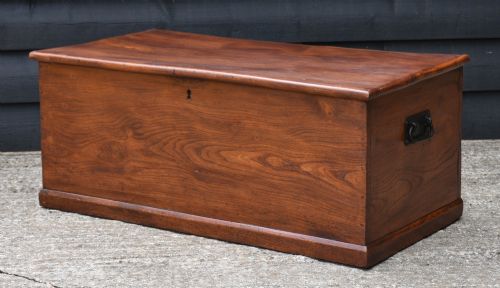
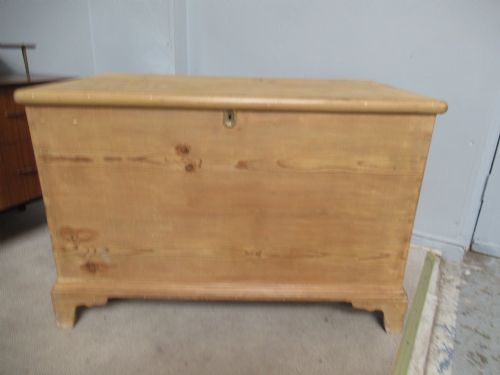
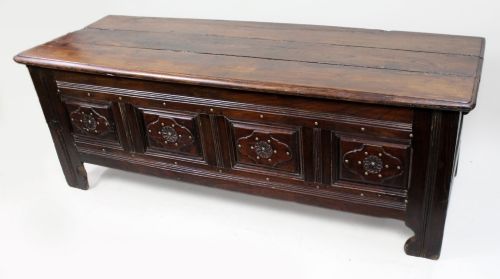
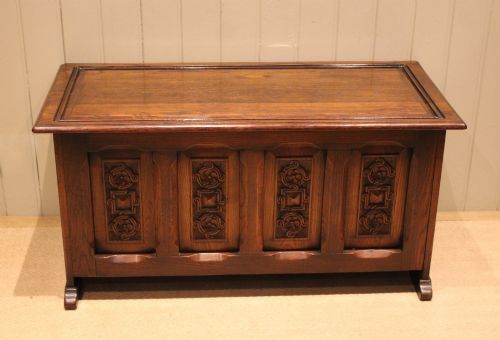
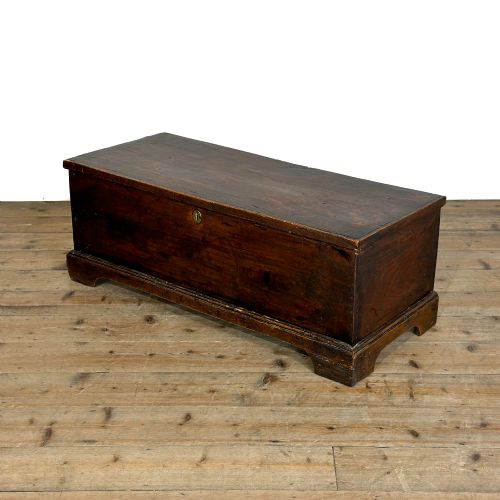
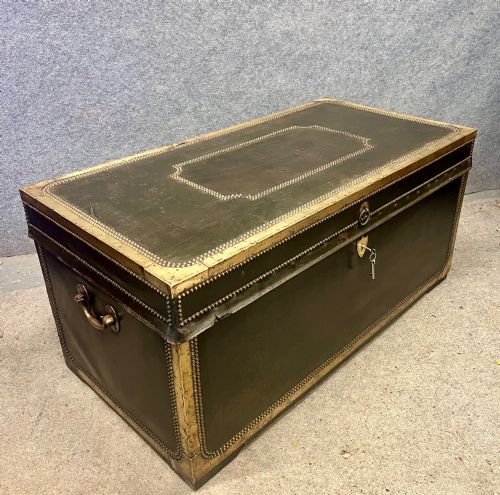
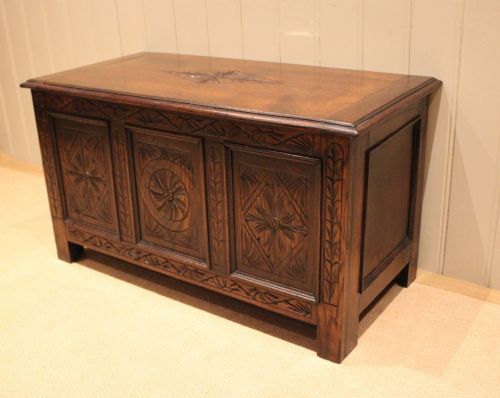
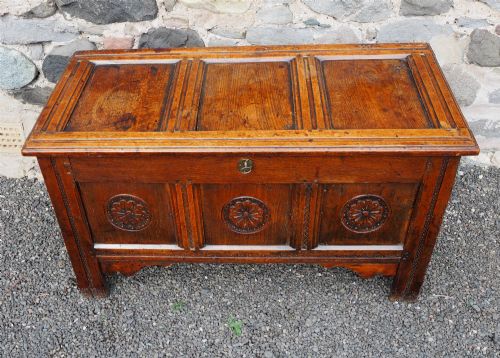
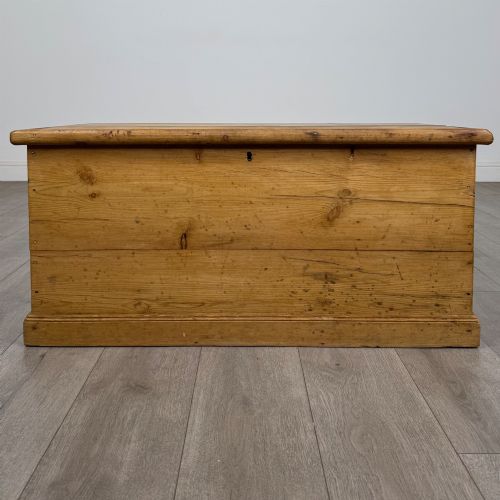
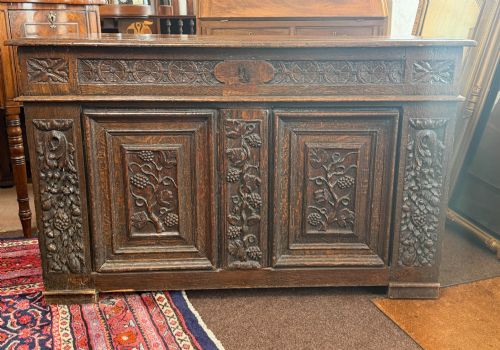
A blanket box trunk encompasses utilitarian pine travel chests, heavy elm storage chests, and robust oak coffers designed to safeguard household goods. The variety on this page stretches from seventeenth-century carved panelled designs to nineteenth-century campaign trunks fashioned for travel.
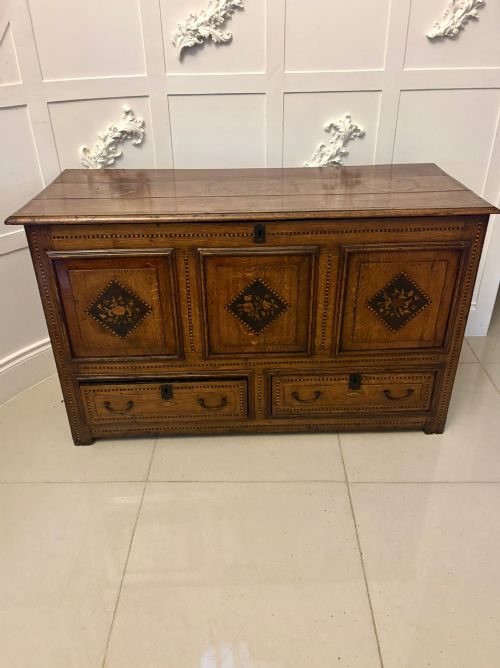
Domestic pieces typically take the form of heavy timber coffers or mule chests featuring internal or external drawer storage below the main compartment. Travel variants utilise reinforced corners, drop handles, and durable timbers suited to movement across land and sea.
How They Were Made
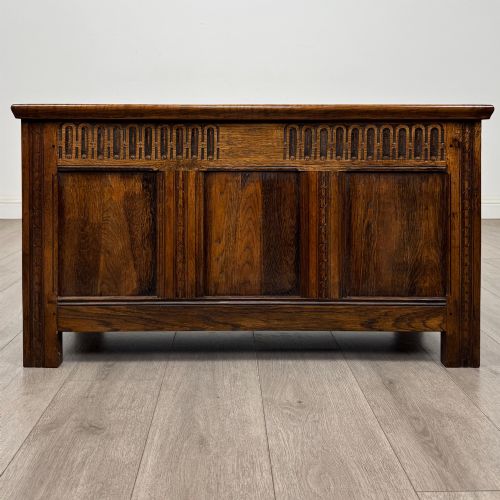
Construction relies heavily on native timbers such as oak, elm, and pine joined by panels, pegged frames, or simple six-plank assemblies. Joinery methods evolved from early pegged frame-and-panel techniques to robust dovetailing on later domestic boxes.
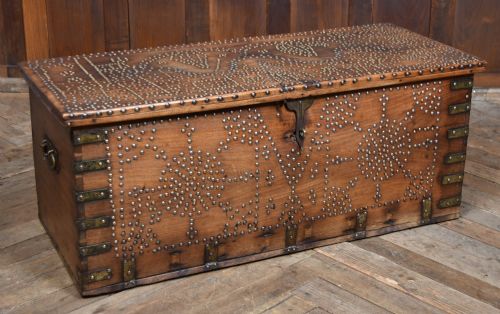
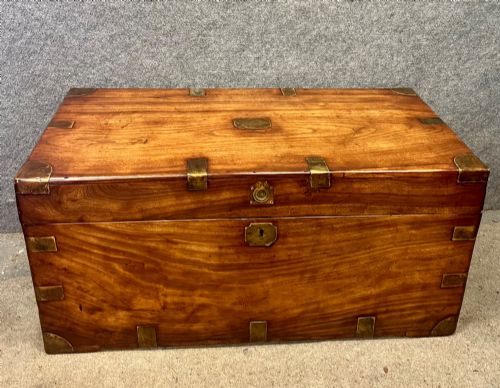
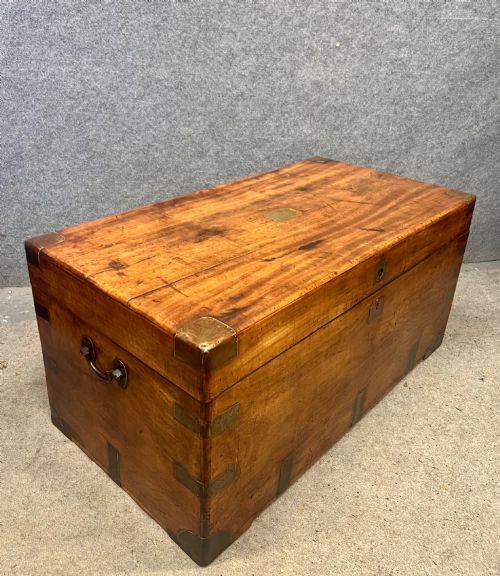
Travel pieces incorporate protective hardware including brass mounts, iron straps, and studded leather to reinforce corners and edges against the rigours of transit. Exotic woods like camphor wood and padouk appear frequently in campaign trunks due to their natural resistance to pests.
Materials span native oak, elm, and pine alongside exotic camphor wood and padouk.
What Varies in Quality
Quality rests upon the selection of timber, the integrity of the original construction, and the survival of surface patination. Superior examples display dense, well-figured grain, original hardware, and minimal structural alteration over time.
Finer domestic coffers often exhibit intricate carving, marquetry inlay, or complex panel mouldings executed by skilled hands. Conversely, purely utilitarian travel and storage trunks are judged by the completeness of their brass mounts, strapping, and functional locking mechanisms.
Samuel Pratt
The Blanket Box Trunk Glossary
- Mule chest
- A storage chest featuring one or more drawers beneath the primary lidded compartment. This form bridges the gap between the traditional coffer and the modern chest of drawers.
- Campaign trunk
- A portable chest built in sections or fitted with carrying handles for military officers or travellers. These pieces utilise durable exotic woods and reinforced metal corners.
- Coffer
- A heavy wooden box with a hinged lid used historically for valuables and textiles. Early examples feature pegged frame-and-panel construction.
- Six-plank construction
- A primitive method of building chests using six plain boards joined directly at the edges. Nails, dowels, or dovetails secure the vertical and horizontal planes.
- Marquetry
- The art of applying decorative veneer pieces to a structure to form geometric or pictorial designs. This technique elevates plain panels into elaborate decorative surfaces.
Blanket Box Trunk: Frequently Asked Questions
What is a blanket box trunk?
A blanket box trunk is a heavy lidded chest traditionally used for storing household linens, blankets, and woollens. These receptacles evolved from early wooden coffers into specialised travel and domestic storage furniture.
Over the centuries, makers adapted the form from simple planked boxes to sophisticated panelled furniture and reinforced campaign chests. They remain versatile household pieces suitable for modern living rooms and bedrooms.
How were campaign trunks used?
Campaign trunks were designed for military officers and officials travelling across the British Empire. Their robust construction allowed them to withstand frequent loading onto ships and carriages.
Built from durable woods like camphor and teak, they often feature brass strapping and flush handles to prevent snagging during transport. Today, they serve as sturdy coffee tables or accent storage pieces.
How do I date an oak coffer?
Dating an oak coffer involves examining the construction methods, tool marks, and style of any carved ornamentation. Early pieces from the seventeenth century typically employ pegged frame-and-panel joinery rather than modern fixings.
Changes in moulding profiles and hinge types also provide clues to the era of manufacture. Examining the natural wear and patina helps confirm the age of the timber.
Can I use an antique trunk as a coffee table?
Antique trunks make excellent coffee tables because their flat tops provide a practical surface for books and daily items. Their internal storage space also helps conceal clutter in a sitting room.
When selecting a piece for this purpose, ensure the height matches your seating and the lid remains stable. Pine travel trunks and low elm chests are particularly well-suited to this role.