
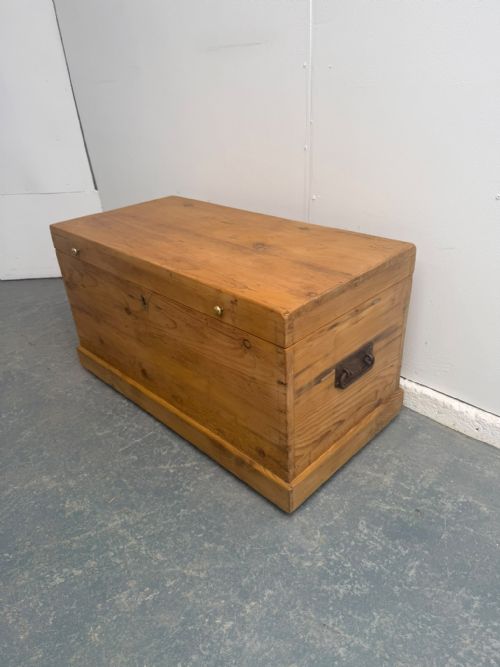


Edwardian Blanket Box
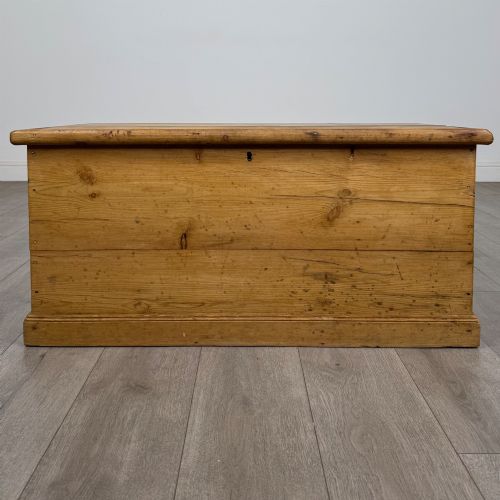
An Edwardian blanket box brings enduring utility to a room, offering robust storage disguised in solid oak or pine.
Edwardian Blanket Box
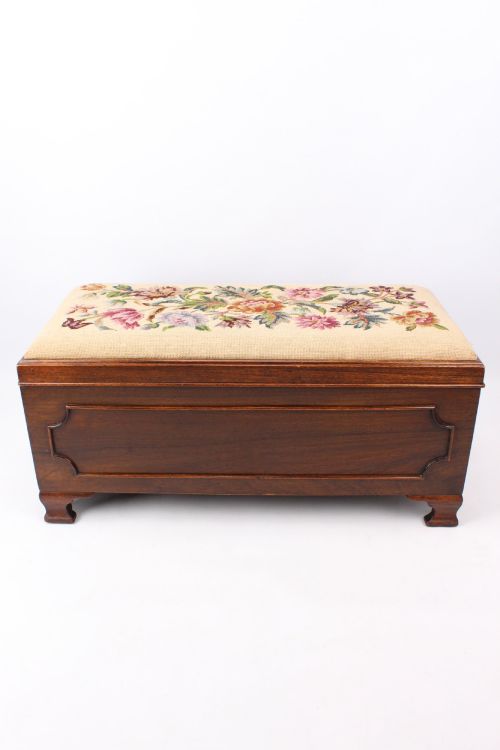
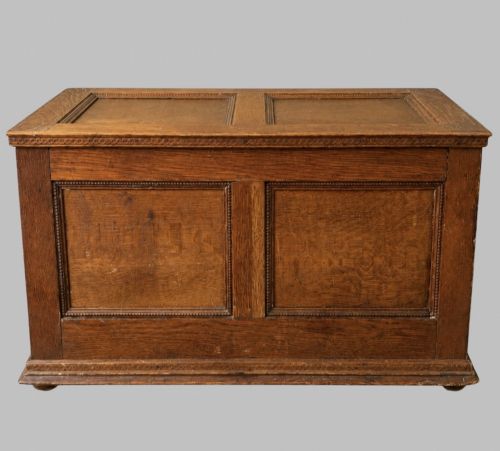
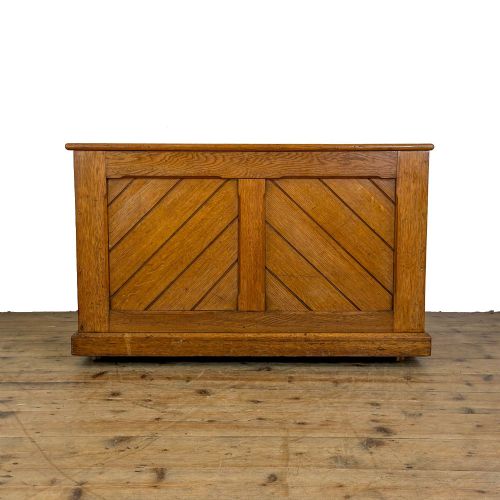
An edwardian blanket box is a practical storage chest designed for domestic interiors, frequently found in solid oak or pine across the surviving examples. These pieces serve to house textiles and household goods, adopting straightforward proportions that suit bedrooms and hallways alike.
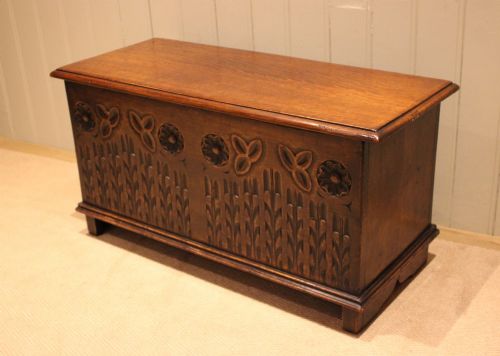
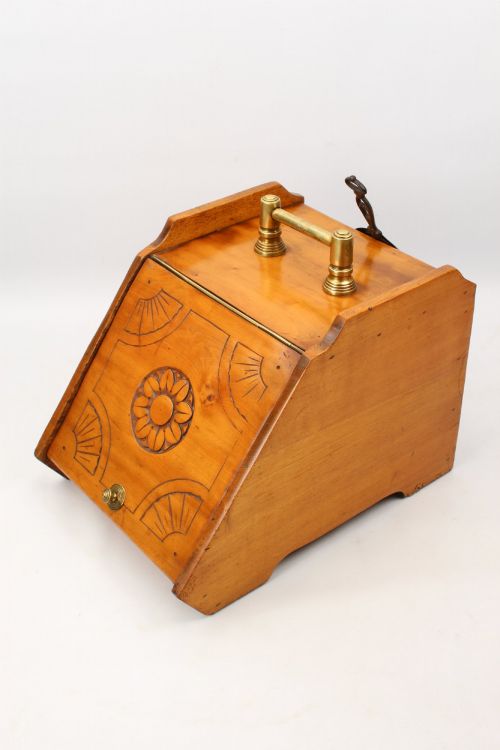
The pieces meeting this search phrase include straightforward oak chests alongside lighter pine storage boxes. Makers of the period occasionally incorporated carved panels or simple mouldings, keeping the emphasis firmly on functional utility rather than elaborate ornament.
Materials and construction
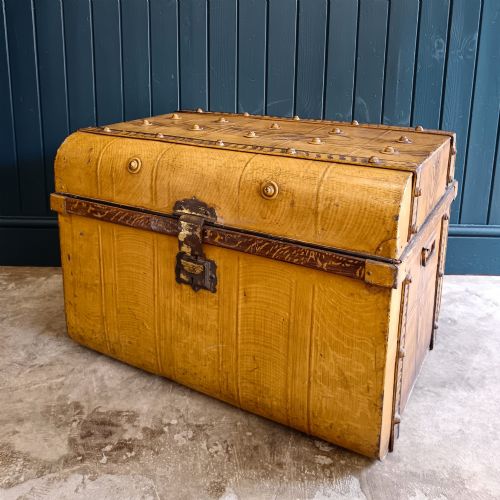
Timbers such as oak and pine form the primary structure of these boxes, joined with traditional carpentry methods that ensure lasting strength. Metal hardware, including iron or brass handles and hinges, frequently reinforces the corners and lids for practical travel or home placement.
Surfaces receive simple wax or polished finishes that protect the wood while revealing its natural grain. Some variations feature painted pine or canvas coverings, reflecting the diverse domestic and travel requirements of the period.
A surprising number of these sturdy chests survive with their original travel labels still pasted to the lid.
Distinctions in quality
The grade of timber and the precision of the joinery mark the difference between standard utility pieces and finer examples. Solid oak construction with clean dovetail or panel joints commands greater regard than simpler nailed pine alternatives.
Original hardware, such as intact brass fittings or functioning locks, preserves the integrity of the piece. Subtly carved details or well-balanced proportions elevate a standard storage box into a piece of considered furniture.
Aux Etats Unis·W Insall
The Edwardian Blanket Box Glossary
- Coffer
- A heavy wooden chest traditionally used for storing valuables or linens. These pieces often feature hinged lids and sturdy panel construction.
- Campaign chest
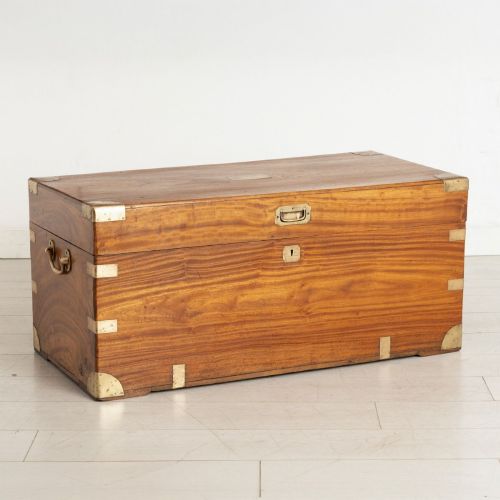
- A portable trunk or chest made in sections with recessed brass handles, originally designed for military officers on the move. They utilise durable woods like camphor or teak to withstand travel.
- Panelling
- A method of framing wooden boards within a grooved structure to allow for natural wood expansion. This technique prevents warping in large chest lids and sides.
- Steamer trunk
- A low-profile travel trunk designed to fit beneath cabin berths on ocean liners. They typically employ canvas, metal, or leather over a wooden core.
Edwardian Blanket Box: Frequently Asked Questions
How were blanket boxes originally used?
These boxes provided secure storage for household linens, woolen blankets, and heavy garments in domestic bedrooms. Their robust construction protected textiles from dust and moths.
In many homes, they doubled as casual seating benches at the foot of a bed or beside a hearth when fitted with cushions.
How do I care for an antique wooden box?
Keep the wood conditioned by applying a traditional beeswax polish periodically to nourish the surface. Avoid placing the box near direct heat sources or in damp environments to prevent the timber from splitting.
Dust the interior gently and air the chest out regularly if storing textiles long term.
What is the difference between oak and pine boxes?
Oak offers a dense, heavy structure with a pronounced grain, making it durable and resistant to wear over generations. Pine provides a softer, lighter alternative that was often painted or finished simply for everyday use.
Oak examples generally occupy a more formal position in the home, while pine versions served practical storage roles in utility spaces.
How can I date an edwardian storage chest?
Examine the construction methods, such as the type of screws, hinges, and internal linings used by the maker. Edwardian pieces often display cleaner, less ornate lines than their Victorian predecessors.
Look for stamps, labels, or retailer marks inside the lid or along the interior edges for definitive chronological clues.