

Antique Pottery Pitcher
When you search for an antique pottery pitcher, you meet utilitarian vessels carrying centuries of glaze, transfer print, and hand-painted lustre.
Antique Pottery Pitcher
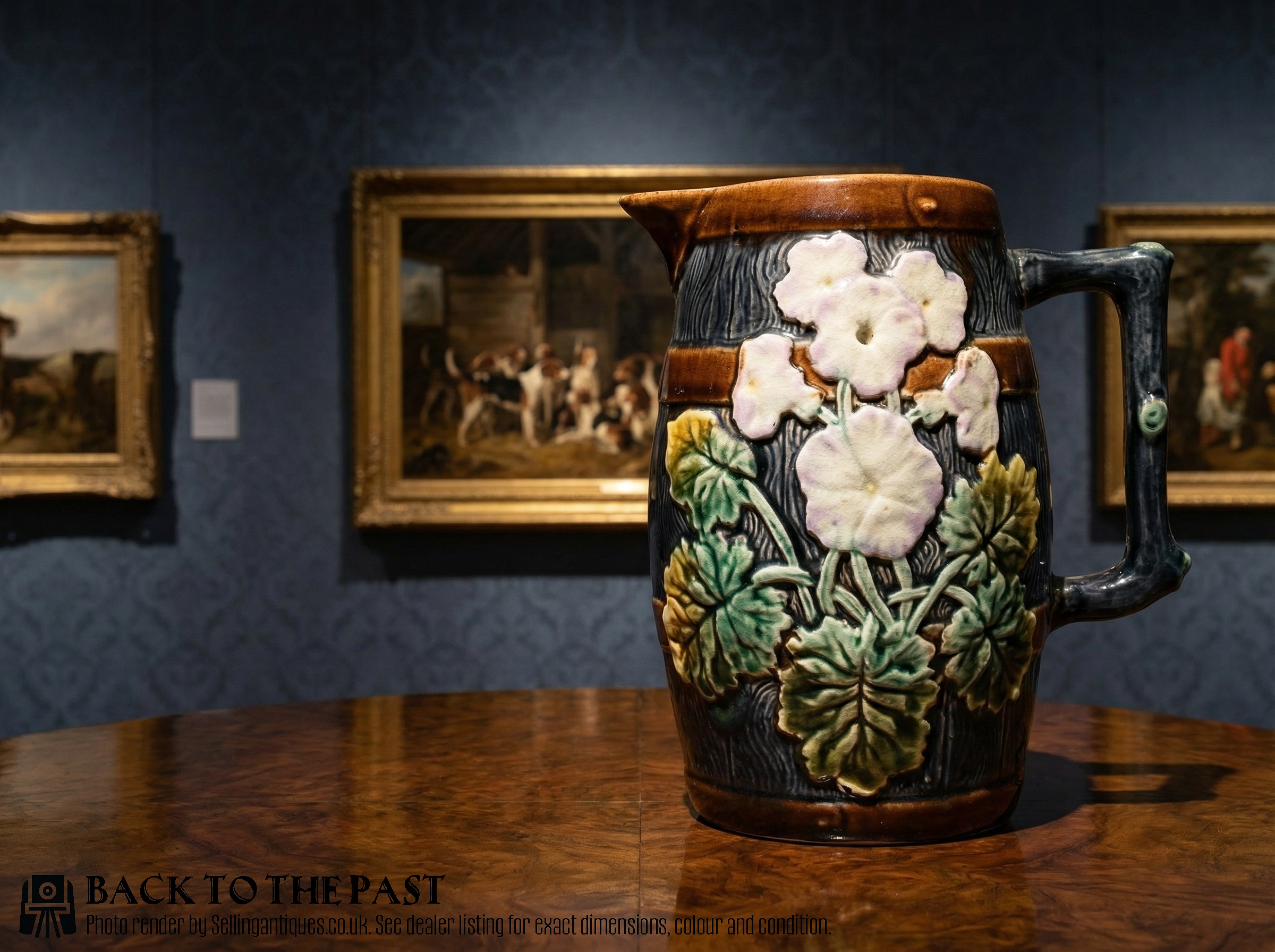
An antique pottery pitcher encompasses utilitarian pouring vessels, commemorative jugs, and decorative ewers spanning the eighteenth and nineteenth centuries. You encounter earthenware, creamware, and ironstone forms originating from English potteries, Dutch delftworks, and continental workshops.
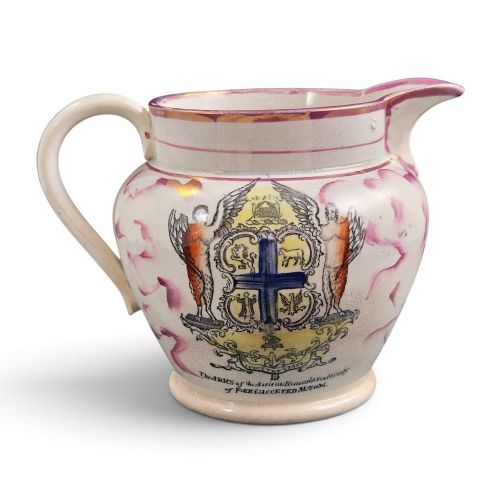
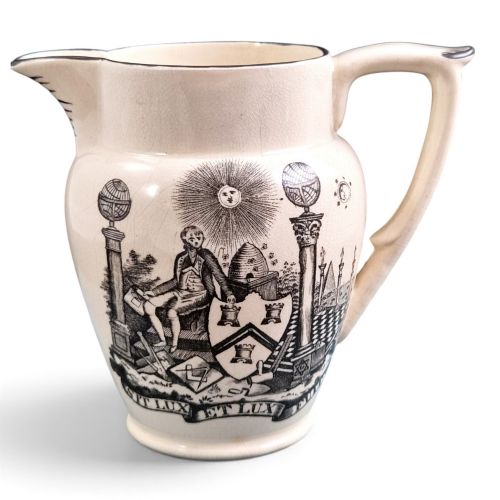
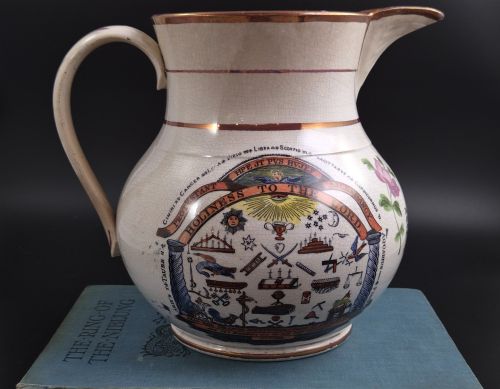
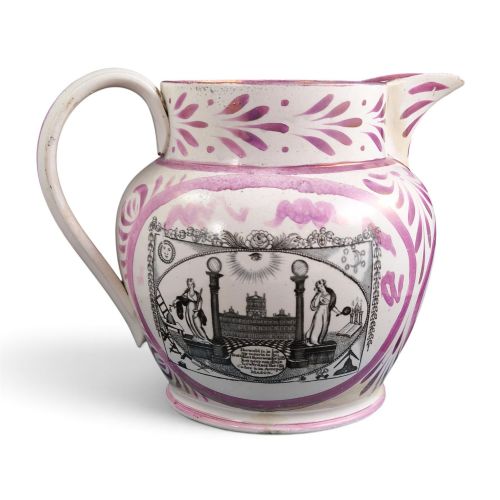
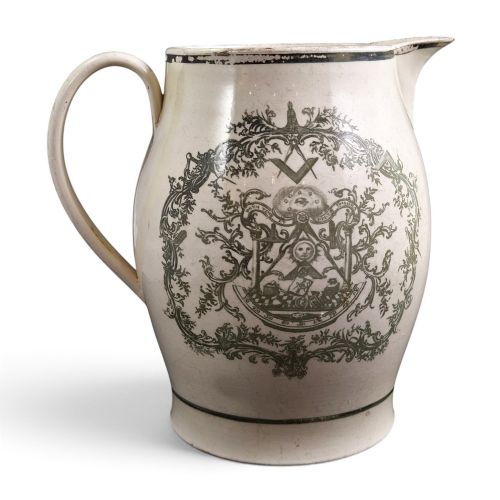
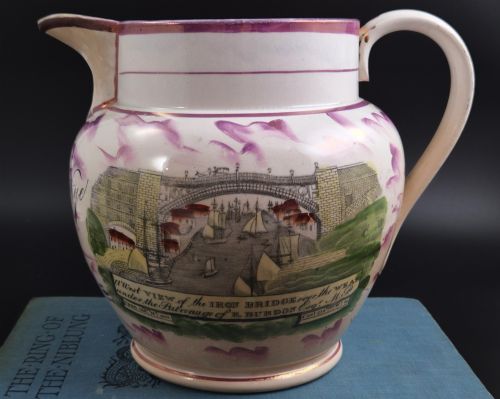
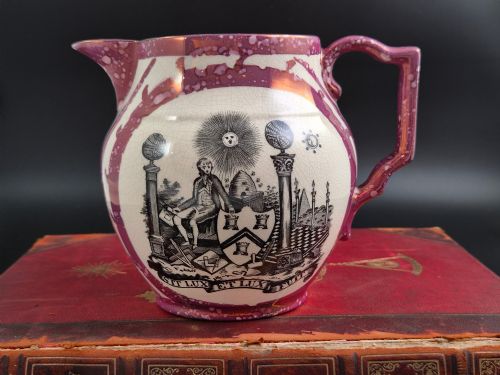
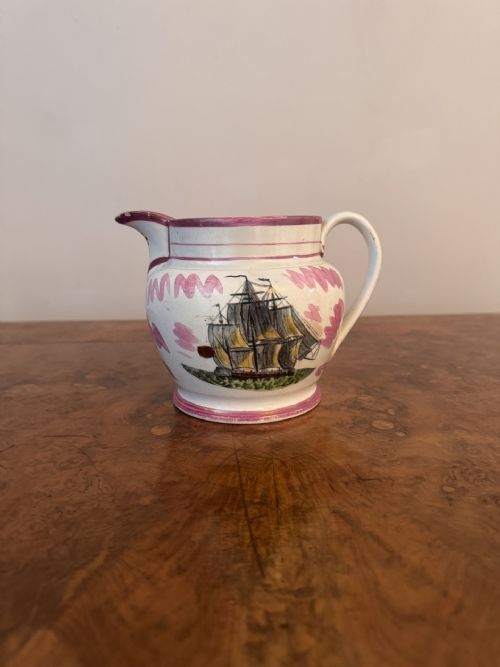
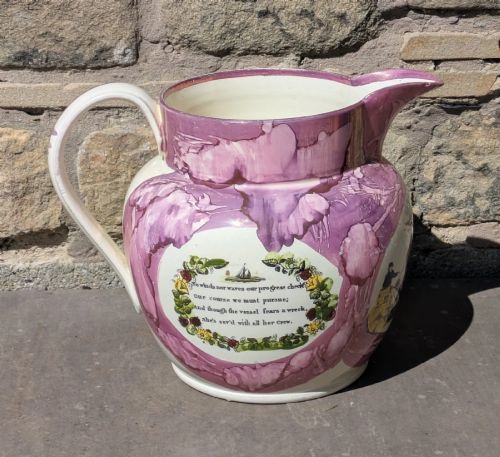
The most common examples on this page are nineteenth-century Staffordshire and Sunderland lustre jugs decorated with maritime themes, masonic symbols, or transfer-printed scenes. Georgian creamware and Victorian Gaudy Welsh patterns also appear frequently among the diverse pouring vessels.
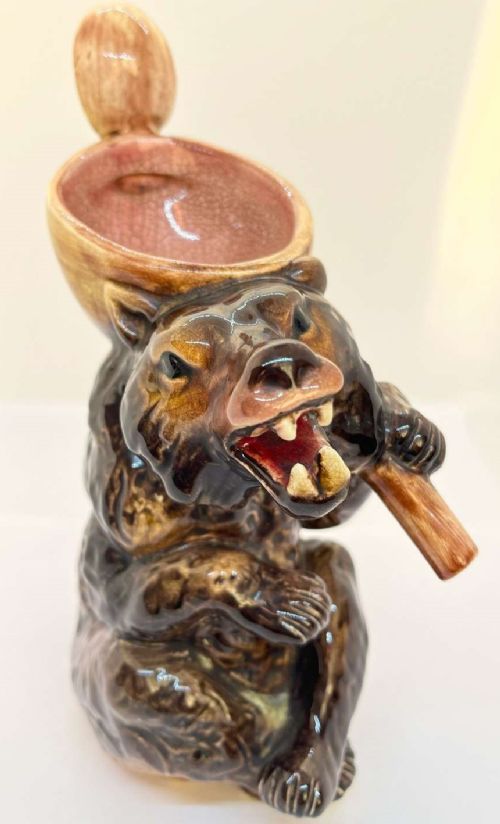
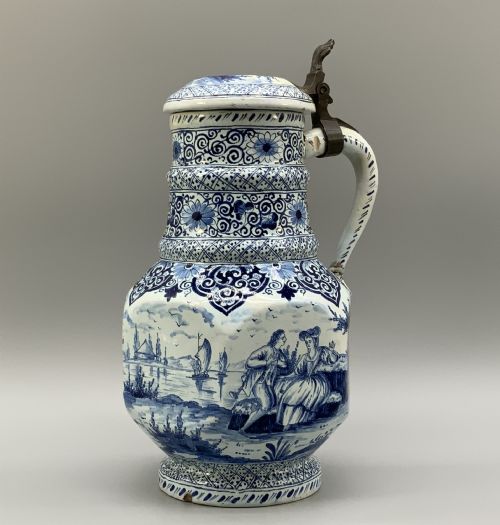
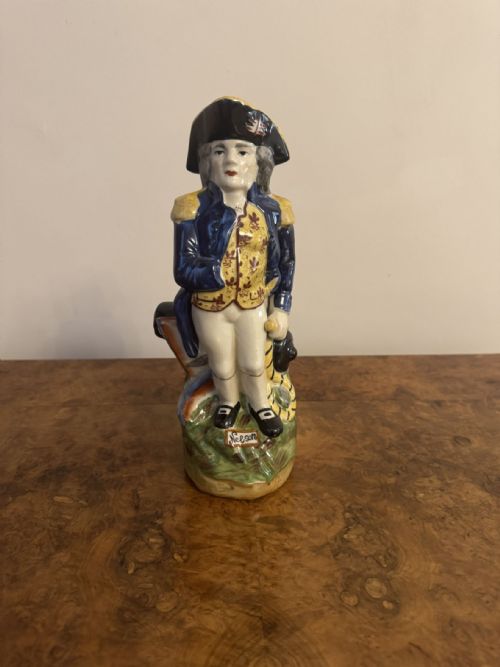
The selection extends to Dutch delftware, Japanese Meiji period pitchers, and Italian majolica pharmacy jugs. These encompass specialised forms such as toby jugs, puzzle jugs, and cow creamers alongside standard domestic water and milk jugs.
Materials and methods
Potters utilised earthenware, creamware, ironstone, and stoneware bodies, shaping them on the wheel or moulding them in clay. Pieces received glazes including metallic lustre, tin enamel, or translucent lead formulations to seal the porous ceramic body.
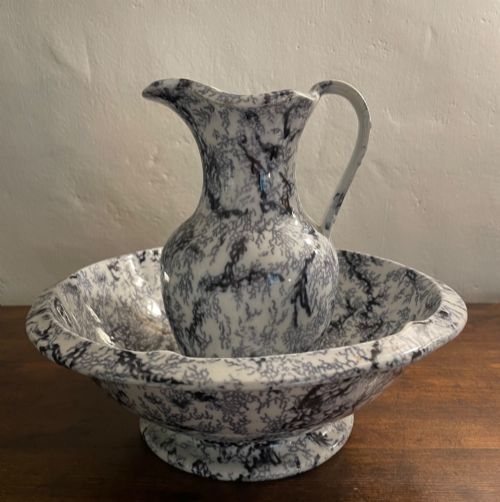
Decoration relied on hand-painted polychrome pigments, black or blue transfer printing, and applied slip techniques. Firing in traditional kilns fixed these pigments beneath or above the glaze, sometimes incorporating pewter, silver, or ceramic lids.
Antique Pottery Pitcher Retail Price Guide 2026
Typical asking prices for pottery pitcher among the pieces listed under this phrase on Sellingantiques today, from the lower quarter to the upper quarter. They describe what is for sale here now, not the wider market.
Materials recorded on this page include earthenware, creamware, stoneware, and glazed ceramic.
Assessing quality
Quality rests upon the crispness of the moulding and the precision of the transfer print or hand-painted brushwork. Superior pieces display even glaze coverage without excessive pooling or dry patches, alongside well-balanced handles and pouring spouts.
Historical significance and decorative complexity elevate certain jugs above standard domestic ware. Examples featuring named commemorative subjects, intricate multi-phase lustre finishes, or documented pottery marks represent the upper tier of the range.
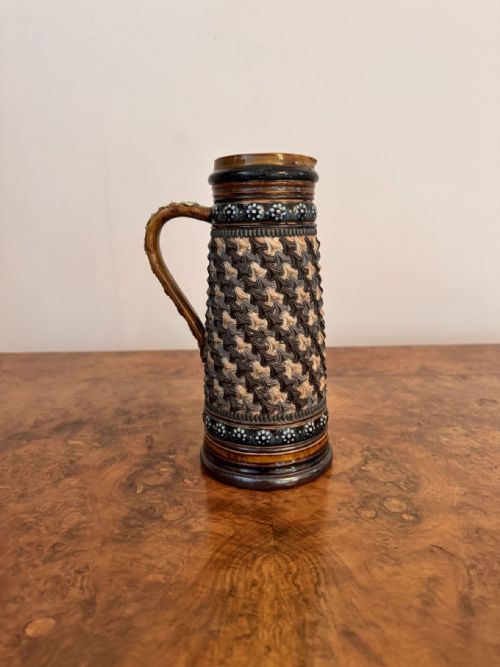
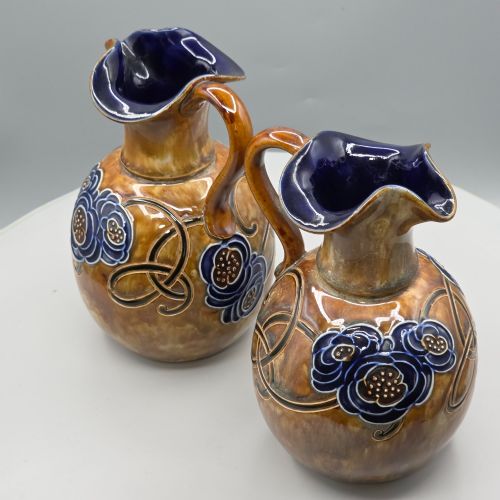
Doulton Lambeth·Cantagalli Florence·John Rogers Son·Keeling Co
The Antique Pottery Pitcher Glossary
- Creamware
- A refined earthenware developed in eighteenth-century England featuring a pale yellowish straw-coloured glaze.
- Transfer printing
- A decoration technique where an engraved copper plate transfers a design onto paper and then onto the ceramic body.
- Lustreware
- Pottery decorated with a metallic film that produces an iridescent or reflective copper, pink, or silver sheen upon firing.
- Slipware
- Pottery decorated with liquid clay applied to a contrasting clay body before firing, often trailing lines or patterns.
- Toby jug
- A pottery jug modelled as a jovial seated figure holding a mug of beer and a pipe, popular in Georgian and Victorian times.
- Delftware
- Tin-glazed earthenware produced in the Netherlands, typically painted in blue with maritime or floral motifs.
Antique Pottery Pitcher: Frequently Asked Questions
What is a pottery pitcher used for?
These vessels served primarily for pouring water, milk, or beer during domestic meals and social gatherings. Many examples also functioned as commemorative objects, displaying political slogans, fraternal symbols, or local landmarks.
Over time, collectors transitioned these utilitarian items into display pieces, utilising their decorative handles, spouts, and transfer-printed histories as focal points in period interiors.
How do I date an old pitcher?
Dating relies on identifying the ceramic body type, such as eighteenth-century creamware versus nineteenth-century ironstone, alongside stylistic markers like transfer print colours and lustre techniques. Potters often included specific dates, historical events, or registry marks on commemorative pieces.
Examining the base, glaze texture, and wear patterns provides further context for placing a pitcher within the Georgian or Victorian eras.
Are lustre jugs made of real metal?
The metallic sheen comes from a thin layer of actual metal, such as copper or gold, applied in solution to the glazed ceramic surface before a final low-temperature firing. This technique creates the distinctive pink, copper, or silver reflection seen on Sunderland and Staffordshire pieces.
The underlying body remains standard earthenware or ceramic, meaning the metal content is strictly a surface finish rather than a solid construction.
How should I display pottery pitchers?
Display these jugs on stable shelving away from direct sunlight and high-traffic areas to protect their historic glazes and handles. Grouping pieces by period or theme, such as pairing transfer-printed creamware with pink lustre, highlights their shared decorative heritage.
Ensure that shelving supports the weight safely, and avoid placing them where temperature fluctuations might stress the ceramic body.