

Antique Pottery Ornaments
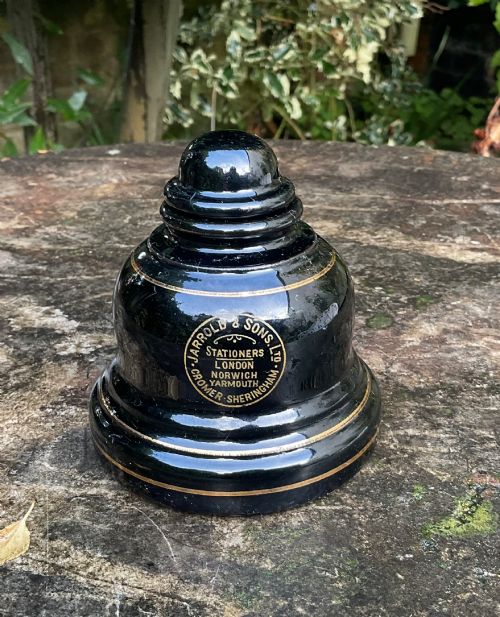
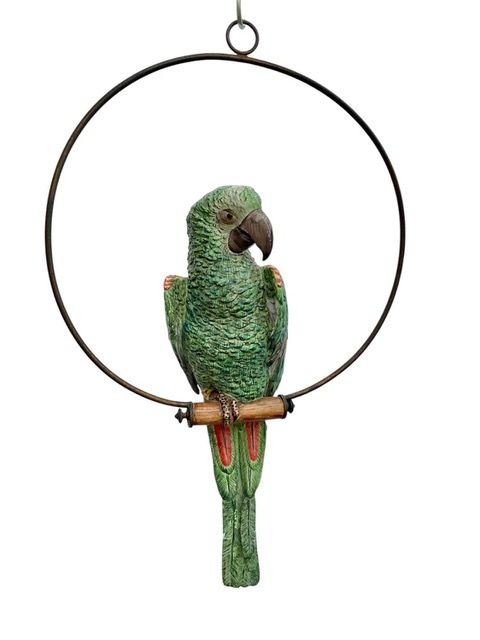
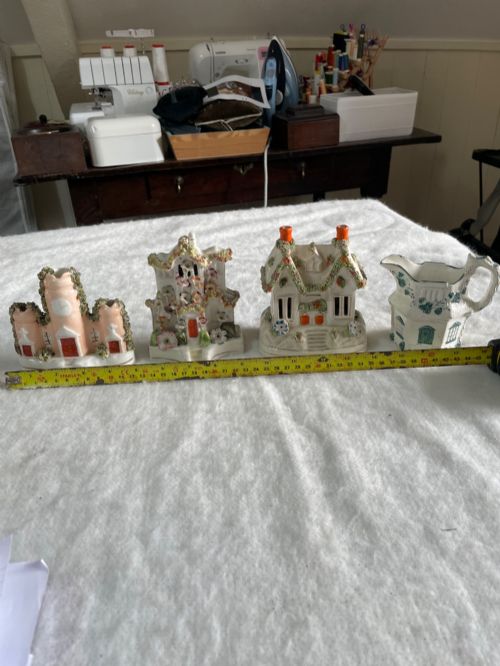
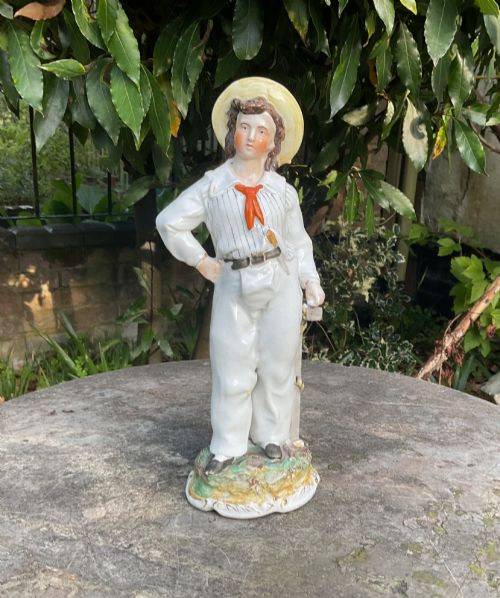
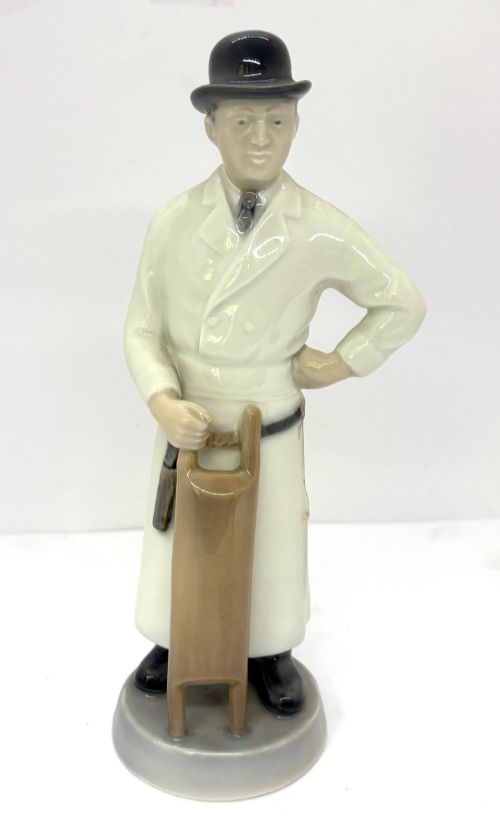
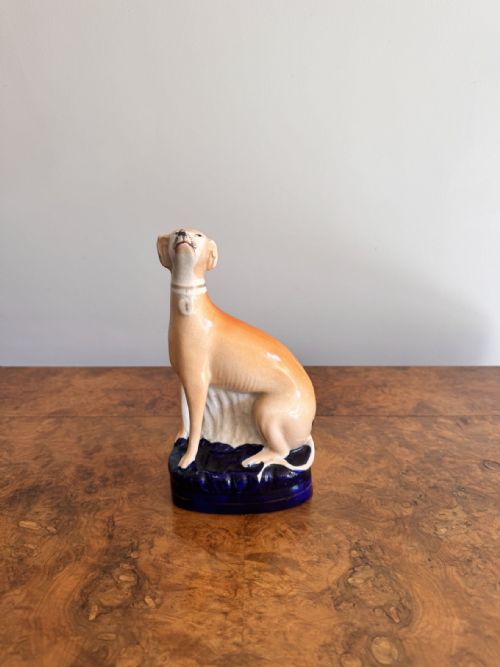
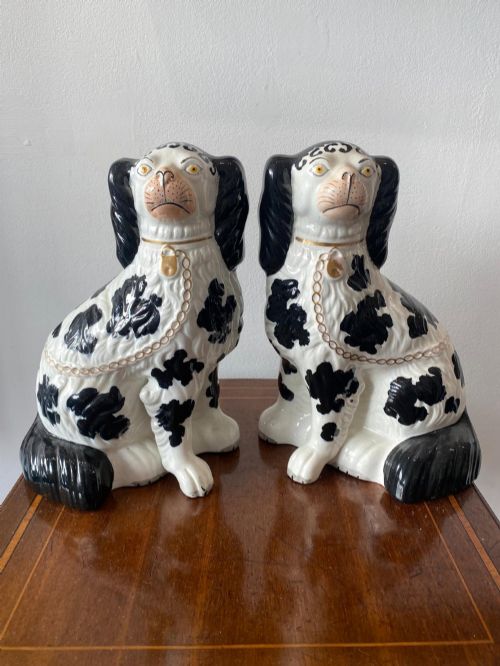
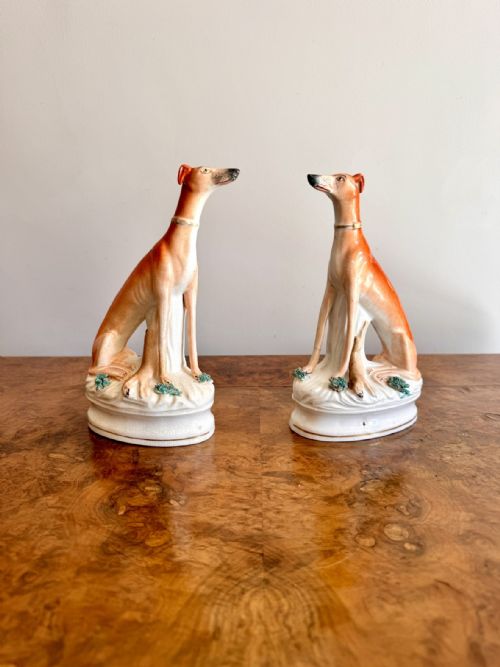
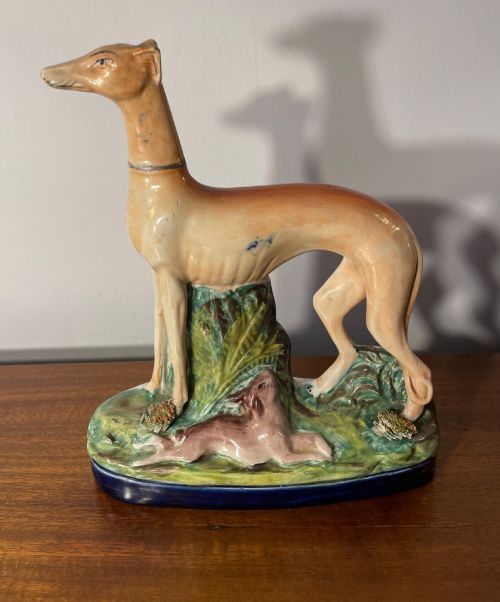
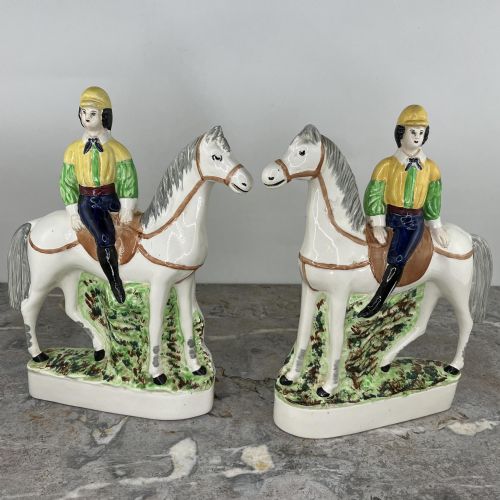
These antique pottery ornaments include Staffordshire dogs, spill vases, and portrait figures that bring character and history into a room.
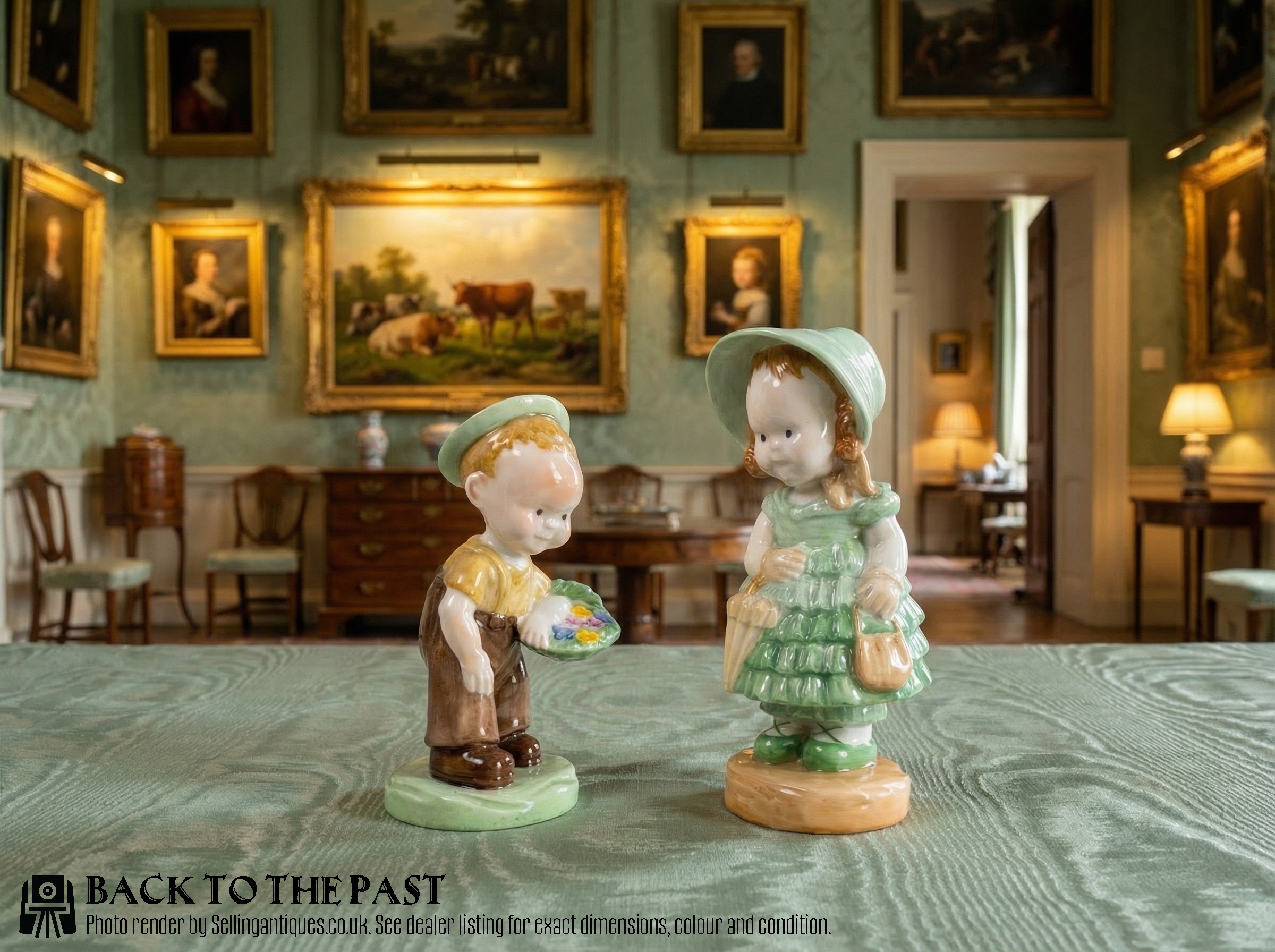
Antique Pottery Ornaments
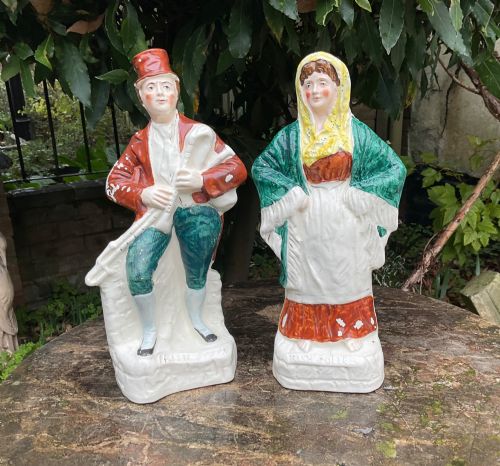
When searching for antique pottery ornaments, buyers encounter a diverse selection ranging from Victorian Staffordshire animals and portrait figures to French earthenware and Chinese porcelain. The Staffordshire tradition dominates the selection, featuring seated dogs, poodles, sheep, and historical figures designed for domestic display on mantelpieces.
Beyond English earthenware, the selection encompasses French faience figurines, Dutch Delft blue and white pottery cows, and studio pottery pieces. Forms vary from simple spill vases and practical sabots to complex theatrical groups and detailed animal pairings.
The objects span multiple centuries, with 19th-century Victorian items appearing most frequently alongside 20th-century studio pieces and earlier Chinese ceramics. Each category reflects the domestic tastes, decorative trends, and ceramic techniques of its specific period of origin.
Materials and production methods
Makers utilised earthenware, porcelain, and stoneware as the primary body materials for shaping these decorative objects. Earthenware forms, particularly common in Staffordshire production, provide a robust base for subsequent glaze and enamel applications.
Antique Pottery Ornaments Retail Price Guide 2026
Typical asking prices for pottery ornaments among the pieces listed under this phrase on Sellingantiques today, from the lower quarter to the upper quarter. They describe what is for sale here now, not the wider market.
Listings feature earthenware, porcelain, and stoneware bodies decorated with lead glazes and enamel paints across the 19th and 20th centuries.
Assessing quality in ceramic figures
Quality reveals itself in the crispness of the moulding and the precision of the hand-painted details on faces, eyes, and clothing. Superior examples maintain clear facial expressions and clean application of enamel colours without blurring or running.
The distribution of weight, stability of the base, and overall balance of paired figures indicate the skill of the original workshop. Finer pieces demonstrate careful attention to anatomical proportions in animals and realistic folds in garments.
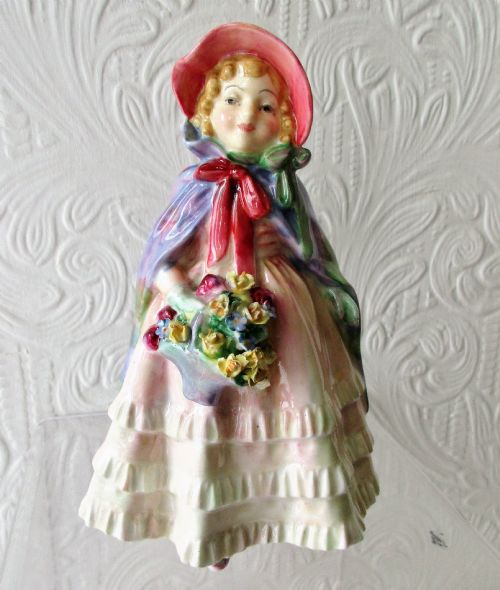
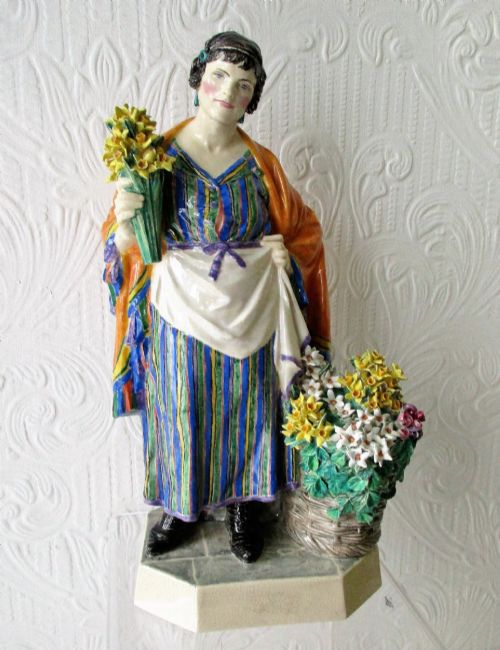
Charles Vyse·John Bevington·Berthe Savigny·Royal Doulton
The Antique Pottery Ornaments Glossary
- Staffordshire
- A term for pottery manufactured in the Staffordshire Potteries region of England, widely known for mantelpiece figures and animals. These pieces often feature earthenware bodies with painted enamel decoration.
- Spill vase
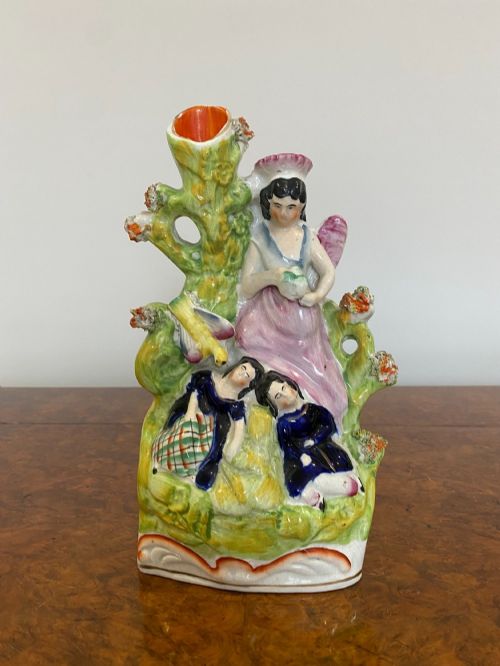
- A hollow cylindrical container attached to a ceramic figure designed to hold wooden spills for lighting fires. They combine practical utility with decorative sculptural form.
- Flatback
- A figure moulded with a decorated front and a flat, unpainted reverse intended for display against a wall. This construction method saved ceramic material and production time.
- Earthenware
- A porous pottery body fired at lower temperatures, requiring a glaze to achieve impermeability. It serves as the standard material for the majority of 19th-century English decorative figures.
- Faience
- European tin-glazed earthenware, often associated with French and continental workshops. The opaque white glaze provides a smooth ground for painted designs.
Antique Pottery Ornaments: Frequently Asked Questions
What are Staffordshire flatback figures?
Staffordshire flatback figures are pottery ornaments manufactured with a detailed front and a flat, unpainted back. Makers designed them specifically to sit flush against the wall on a mantelpiece or shelf.
This method allowed potters to use less material and produce larger decorative groups efficiently. They frequently depicted royalty, literary characters, and domestic animals.
How do spill vases function?
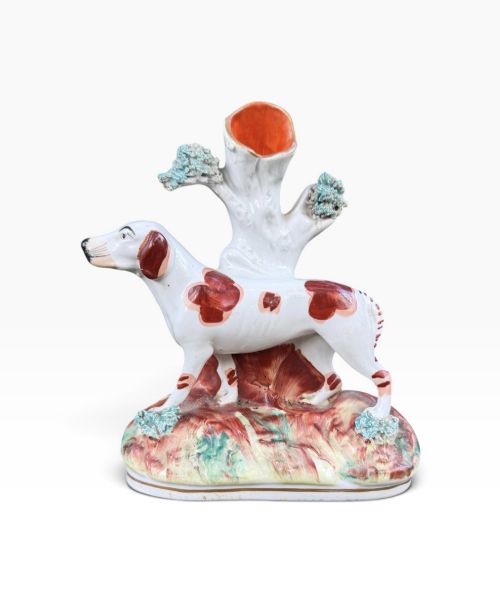
Spill vases combine a sculptural figure with an integrated tubular container designed to hold wooden splints. Households used these thin wooden spills to transfer flames from the fireplace to candles or lamps.
Makers often paired animals like deer or sheep with these containers to create functional mantelpiece ornaments. The vessel sits beside or behind the main ceramic subject as part of the unified composition.
What distinguishes earthenware from porcelain?
Earthenware is a porous ceramic body fired at lower temperatures, requiring a glaze to hold liquids and create a smooth finish. It forms the heavy, opaque base of most 19th-century Staffordshire animal figures.
Porcelain utilises refined white clay fired at much higher temperatures until it becomes vitrified and slightly translucent. This material allows for finer detail and supports the delicate work seen in formal portrait figurines.
How were antique pottery dogs used?
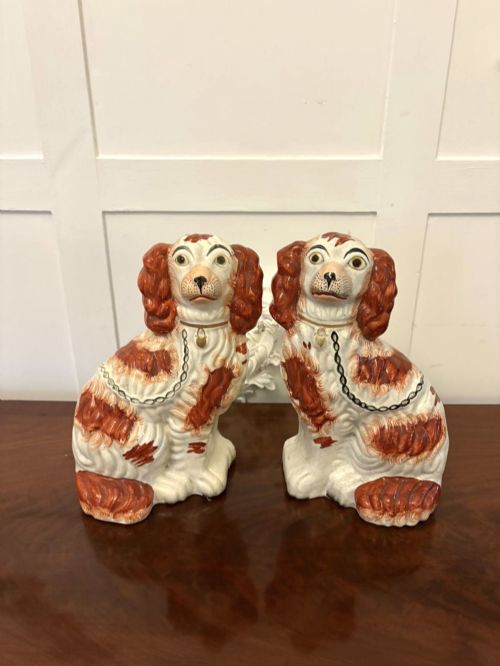
Antique pottery dogs, particularly Staffordshire spaniels and poodles, served as decorative ornaments displayed in pairs on living room hearths. Owners often placed them facing inward toward each other on either side of the fireplace.
These ceramic companions reflected domestic comfort and Victorian respectability in middle-class homes. Variants include comforter spaniels, hunting dogs, and versions holding pups.