




Antique Pottery Animal
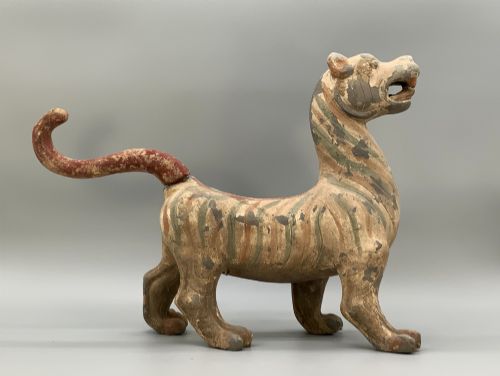
An antique pottery animal brings character to a room, ranging from Staffordshire poodles to Han Dynasty guardians and Dutch Delft cows.
Antique Pottery Animal
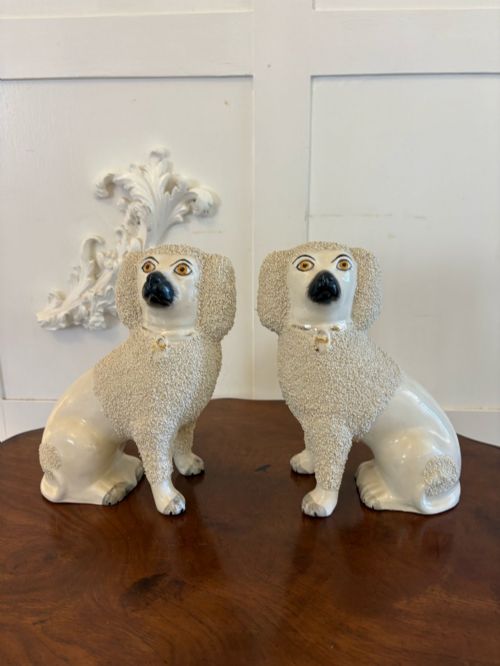
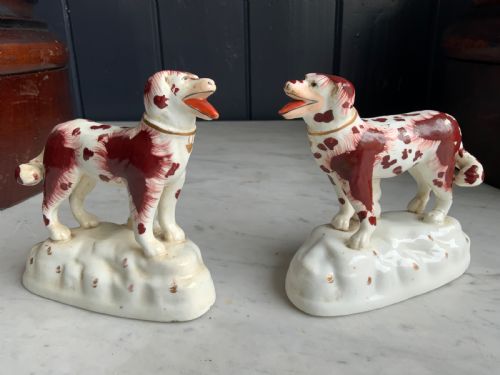
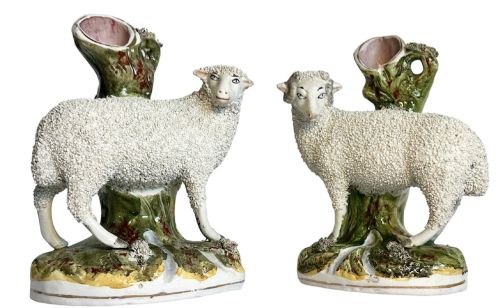
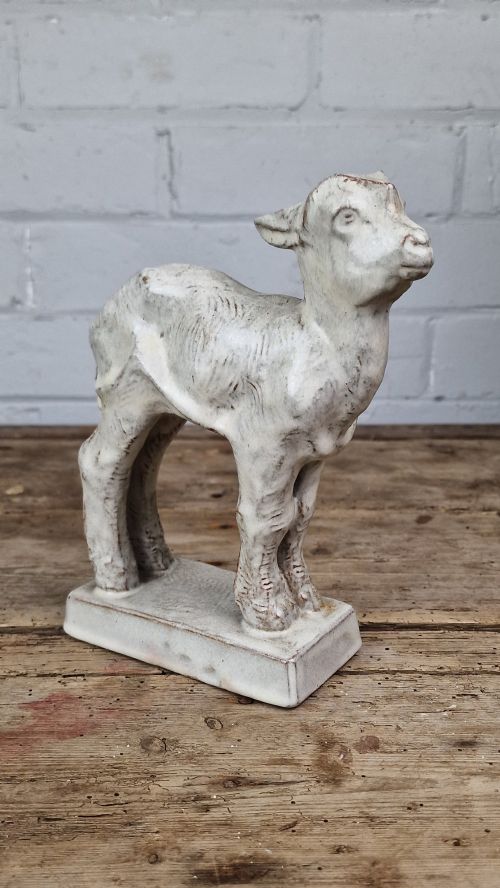
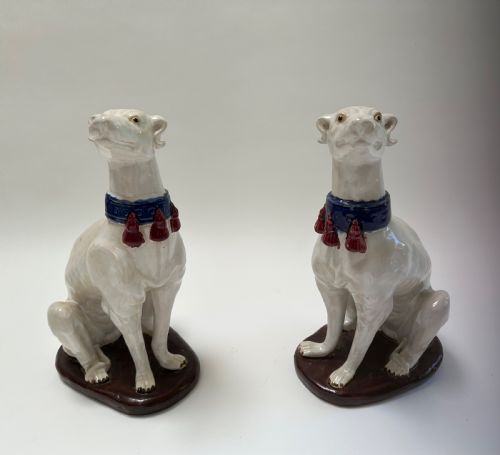
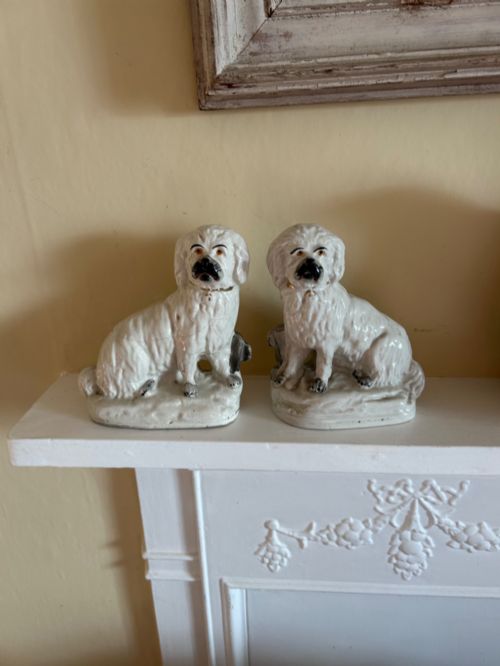
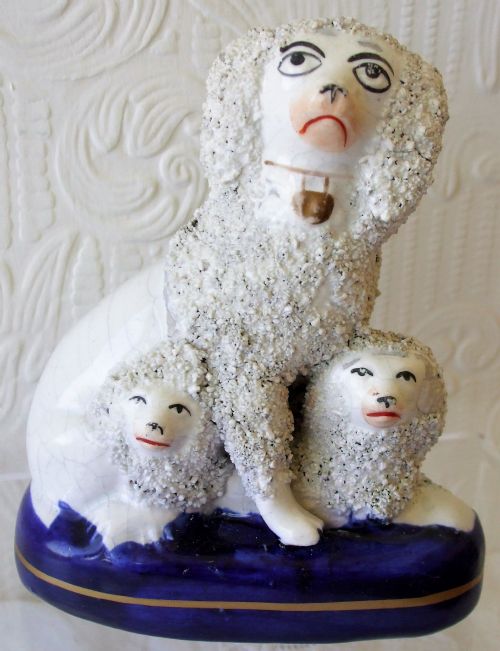
Every antique pottery animal captures a creature in three dimensions, shaped as decorative figures, sculptures, spill vases, or inkwells. Buyers searching for an antique pottery animal most frequently encounter 19th-century Staffordshire earthenware dogs, lions, sheep, and poodles produced in pairs.
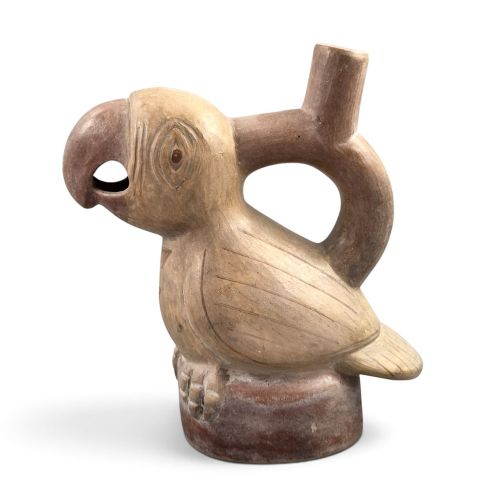
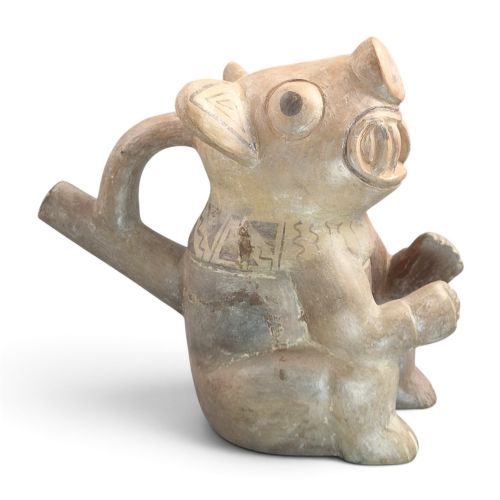
Beyond English earthenware, the category spans Chinese Shiwan pottery lions and turquoise-glazed apes, French terracotta cats from Bavent, and ancient Han Dynasty or Pre-Columbian earthenware vessels and guardian figures. These diverse traditions cross continents and centuries, uniting in their ceramic representation of beasts.
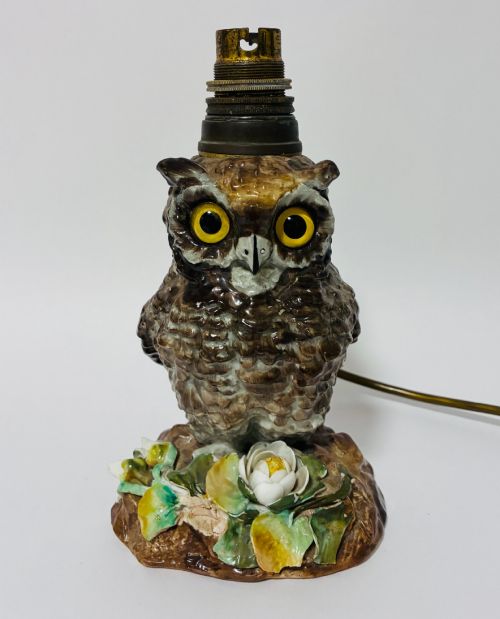
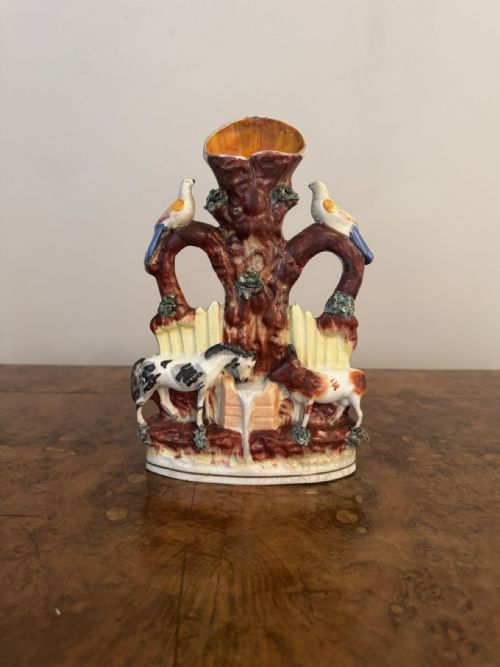
Functional pieces such as lamp bases, inkwells, and spill vases combine utility with animal form, while tiles feature painted swans, birds, and cheetahs. Whether modeled as single sculptures or symmetric pairs for a mantelpiece, the subjects include domestic pets, farm animals, exotic wildlife, and mythical beasts.
Materials and technique
Makers shaped these pieces primarily from earthenware, pearlware, terracotta, and stoneware, forming bodies by hand or in moulds before firing. Potters then applied surface decoration using lead glazes, copper lustre, enamel, blue and white pigments, or treacle glazes.
English Staffordshire works often rely on earthenware and pearlware finished with detailed hand-painting and enamel, while French folk art utilises unglazed or glazed terracotta roof tile figures. Asian ceramics employ turquoise glazes and specialised stoneware bodies typical of Shiwan kilns.
A ceramic pig sculpture hailing from Bavent in Normandy proves that even farmyard swine deserved architectural status on French rooftops.
The markers of distinction
The sophistication of the glaze application and the preservation of original pigment define the upper tier of pieces, distinguishing finely finished studio works from mass-produced domestic pottery. Depth in colour, such as copper lustre or deep cobalt on Delftware, separates exceptional specimens from standard production.
Rockingham Pottery·Doulton Lambeth·Guido Cacciapuoti
The Antique Pottery Animal Glossary
- Pearlware
- A refined earthenware developed in the late 18th century featuring a bluish glaze that pooled in recesses, designed to resemble Chinese export porcelain.
- Spill vase
- A hollow cylindrical holder attached to a figure, designed to hold wooden spills used for lighting fires or pipes.
- Treacle glaze
- A rich, dark brown translucent lead glaze that produced a glossy, syrup-like finish popular on 19th-century English pottery.
- Tyg
- A large drinking vessel with multiple handles, sometimes produced in stoneware as seen in English Doulton Lambeth pieces.
- Delftware
- Tin-glazed earthenware originating in the Netherlands, typically decorated in blue and white with maritime or floral motifs.
Antique Pottery Animal: Frequently Asked Questions
What animals appear in antique pottery?
The category includes dogs, lions, cats, sheep, cows, zebras, owls, and fish, alongside mythical beasts like Han Dynasty tigers and Chinese Shiwan Foo dogs.
These subjects reflect both domestic companionship and exotic wildlife, modeled as standalone sculptures, bookends, inkwells, or lamp bases.
How do I date an antique ceramic animal?
Dating relies on stylistic markers, material changes like the shift from pearlware to heavier Victorian earthenware, and recorded periods such as the 19th century or Regency era.
Pottery techniques, glaze types, and historical attribution to specific workshops further narrow the period of manufacture.
Why were Staffordshire animal pairs made?
Staffordshire pottery animals were frequently modeled as symmetrical pairs to adorn the mantelpieces of 19th-century homes.
These decorative figures of poodles, lions, and sheep served as domestic ornaments reflecting the tastes of the Victorian middle class.
What is a spill vase figure?
A spill vase figure integrates a hollow vertical tube beside the animal sculpture, functioning as a container for wooden taper spills.
Placed near a hearth, these combination pieces allowed residents to easily transfer fire for lighting candles or pipes without wasting matches.