




Antique Pottery Display
An antique pottery display brings centuries of ceramic artistry into your home, offering painted chargers and earthenware vessels that command attention on any wall or sideboard.
Antique Pottery Display
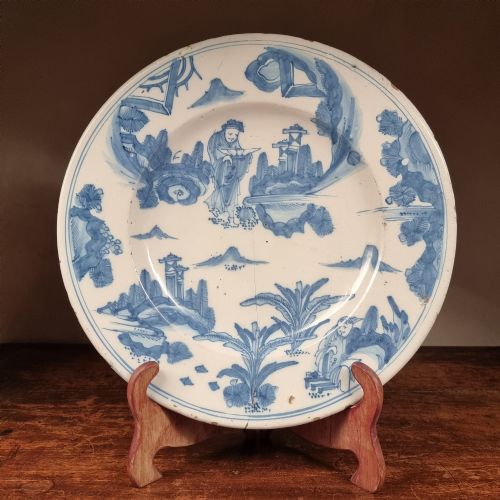
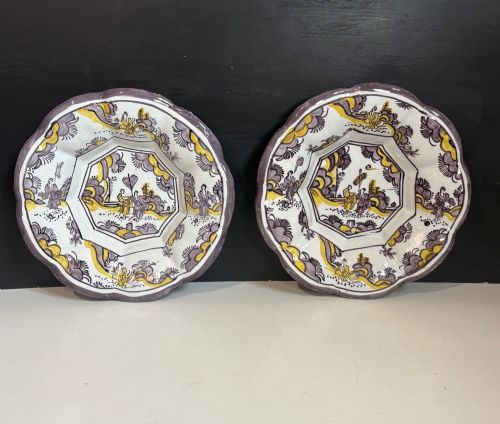
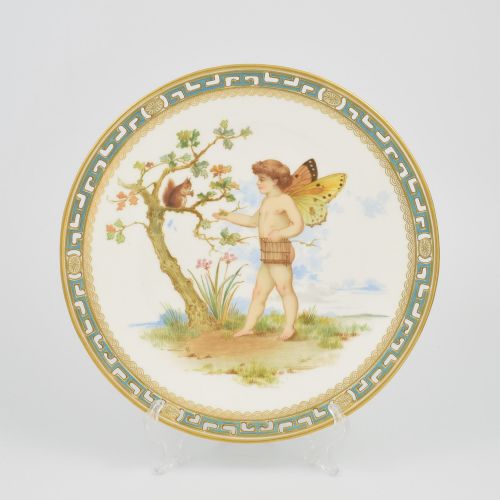
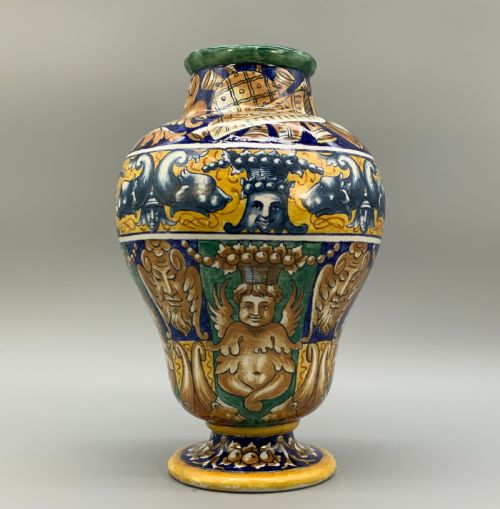
When you search for an antique pottery display, you encounter a curated selection of decorative plates, chargers, and vases originating from English, European, and Asian workshops across the seventeenth to early twentieth centuries.
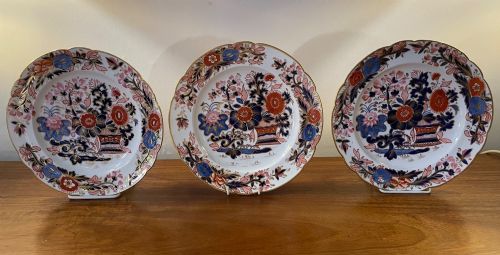
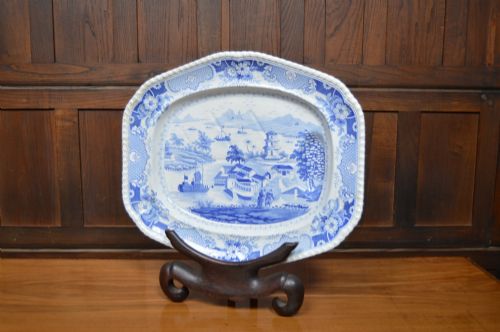
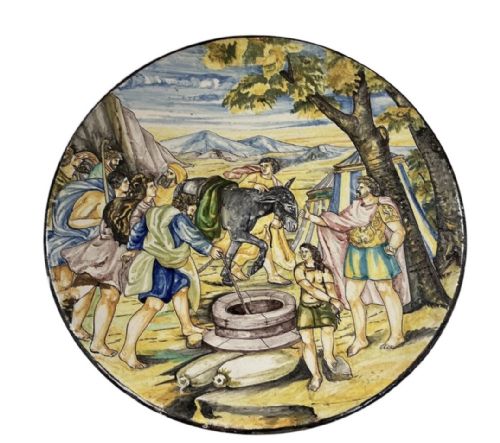
The most common pieces on this page are large chargers and decorative plates finished in tin glaze, blue and white transferware, or Japanese Imari palettes.
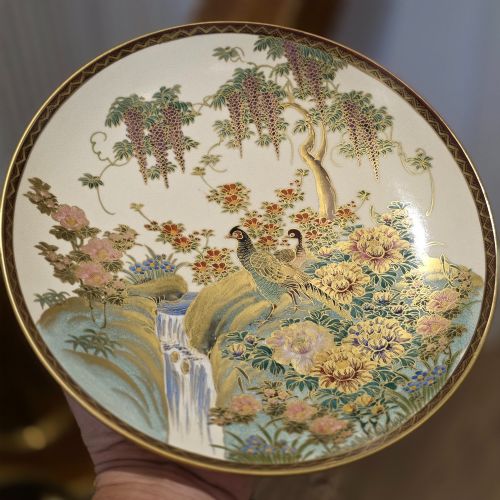
These items were originally made for visual impact in formal rooms, ranging from Dutch Delft wall dishes to Victorian earthenware plaques and Meiji period Satsuma bowls.
Materials and manufacturing techniques
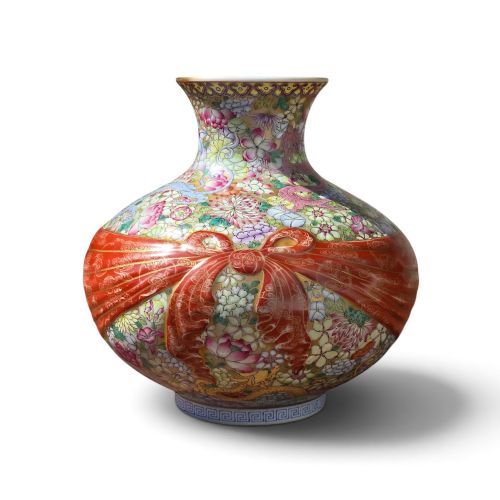
Potters built these pieces using ceramic bodies such as earthenware, ironstone, and porcelain, shaping them into plates, bowls, and tall vases.
Decorators applied tin glazes, enamel pigments, and gold leaf by hand, often firing the pieces multiple times to fix the polychrome or blue and white designs.
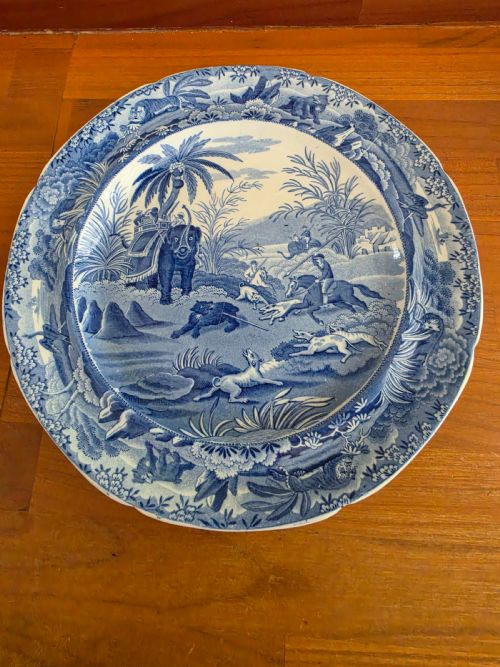
Transfer printing technology allowed English factories to transfer intricate landscape and figurative scenes onto plates before glazing and firing.
Several Victorian plates capture dramatic narratives, including one dedicated entirely to the untimely demise of a bear.
Factors determining quality
The sophistication of the hand-painted brushwork and the clarity of transfer-printed details separate standard production items from masterworks.
The richness of the enamel palette, the inclusion of gold leaf, and whether a piece bears a recognised signature or maker's mark elevate its standing.
Minton·Wedgwood·Spode·Stubbs·Reissner Stellmacher and Kessel
The Antique Pottery Display Glossary
- Charger
- A large decorative plate traditionally intended for display on a wall or sideboard rather than for dining use. These large earthenware or porcelain surfaces often feature elaborate painted or transfer-printed scenes.
- Tin Glaze
- An opaque white lead glaze containing tin oxide, providing a smooth surface for hand-painted decoration. This technique defines European delftware and maiolica.
- Transferware
- Pottery decorated by pressing a paper design inked from an engraved copper plate onto the ceramic surface. This process enabled mass production of detailed topographical and pictorial scenes in blue and white.
- Imari
- A Japanese style of porcelain featuring a distinctive palette of underglaze blue, iron red, and gold leaf. These export wares heavily influenced European ceramic design.
- Earthenware
- Porous pottery fired at lower temperatures than porcelain and stoneware, requiring a glaze to achieve water resistance. It forms the body of much historic English and European tableware.
Antique Pottery Display: Frequently Asked Questions
How do I hang a heavy charger?
Displaying large chargers securely requires specialised wall brackets or spring-loaded plate hangers designed to distribute the weight evenly across the rim. Ensure the fixing is anchored directly into solid wall structure rather than plaster alone.
Avoid wire-only hangers that rely on friction against the glaze, as historic surfaces scratch easily. Padded prongs protect the edges of antique earthenware and porcelain from chipping over time.
Are these pieces safe to use with food?
Historic ceramics, particularly tin-glazed earthenware and nineteenth-century pieces, often contain lead or other mobile compounds in their glazes. Furthermore, hairline cracks and crazing harbour bacteria that standard washing cannot remove.
Treat these items strictly as decorative objects rather than functional tableware. Gentle dusting with a dry microfiber cloth is sufficient for routine maintenance.
How can I tell Japanese Imari from European copies?
Japanese Imari porcelain displays a greyish-white body with characteristic impurities and hand-applied iron red combined with rich gilding. European adaptations often use denser, whiter paste and mechanical transfer printing beneath the glaze.
Examining the foot ring reveals unglazed potting characteristics unique to Japanese kilns of the Meiji period. Weight and ring tone when tapped lightly also help distinguish porcelain from denser ironstone copies.
What does Aesthetic Period mean?
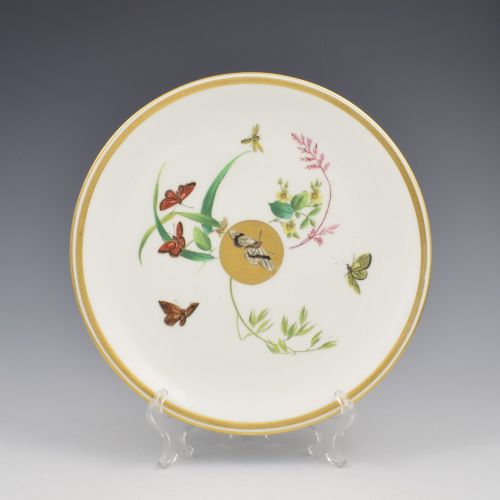
The Aesthetic Period spans the late nineteenth century when designers rejected heavy Victorian ornamentation in favour of art for art's sake. Ceramics from this movement draw heavily on Japanese motifs such as fans, birds, and bamboo.
Factories like Minton employed leading artists to paint asymmetrical compositions directly onto porcelain bodies. These pieces prioritize visual harmony and naturalistic subjects over traditional symmetry.