


Victorian Earthenware Animal
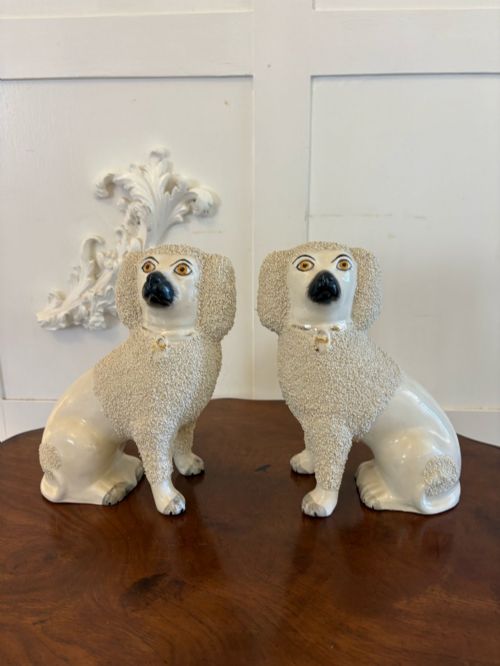
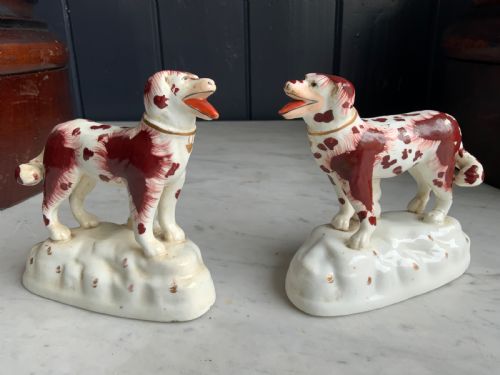
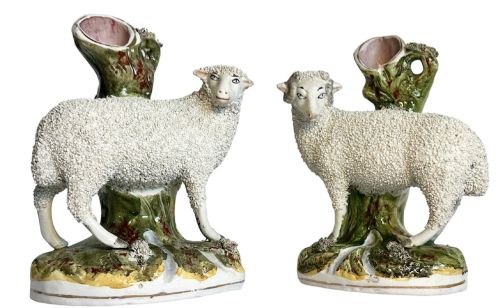
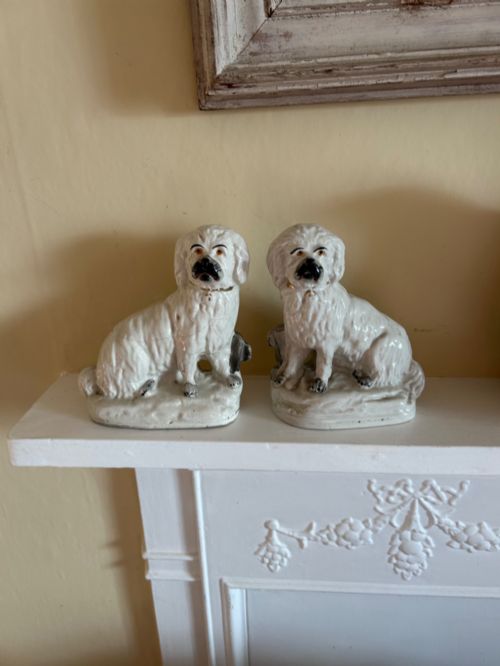
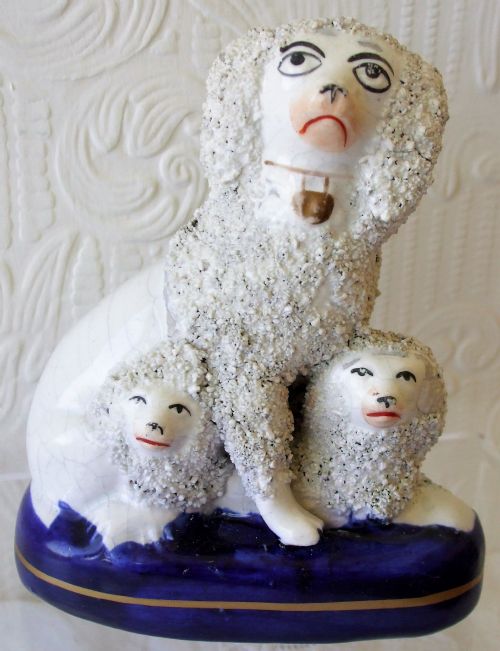
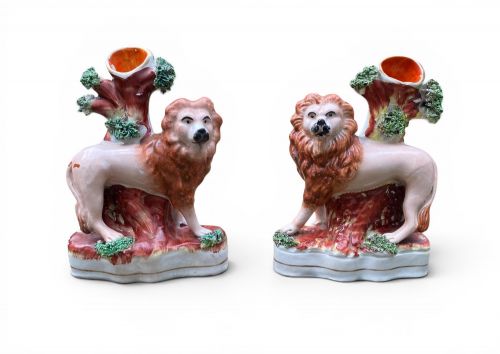
These Victorian earthenware animal figures are charming ceramic depictions of poodles, lions, sheep, and dogs that bring distinct nineteenth-century character to a room.
Victorian Earthenware Animal
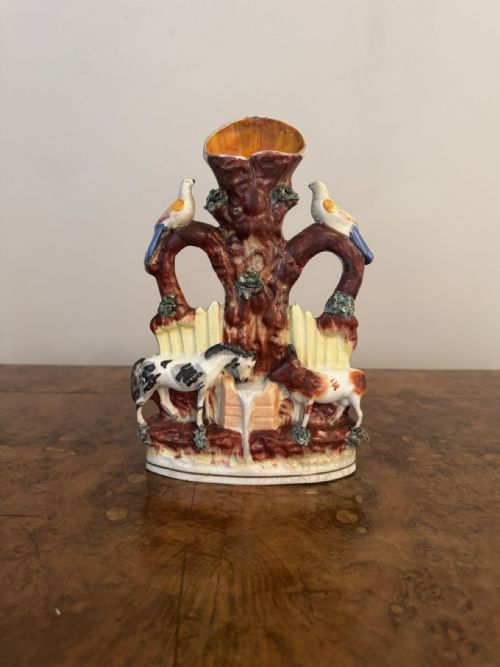
When you search for Victorian earthenware animal, you find nineteenth-century decorative figurines, spill vases, and bookends depicting domestic pets and exotic creatures. These sculptural ceramics capture popular animal subjects from the period, ranging from poodles and pugs to lions, sheep, and zebras.
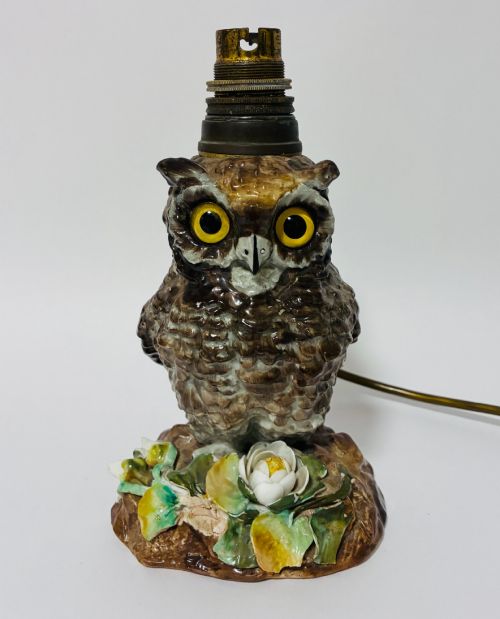
Beyond standard mantelpiece ornaments, the selection includes functional variations such as inkwells, alphabet mugs, and lamp bases. Makers utilised traditional ceramic forms to blend decorative charm with domestic utility during the Victorian era.
How they were made
Potters shaped these earthenware figures using moulds before applying surface decoration. Workers then finished the ceramic bodies with lead glazes or enamel paint to add colour and sheen.
Listings feature nineteenth-century ceramic animals created as figurines, lamp bases, bookends, and inkwells using earthenware and lead glaze.
What varies in quality
Modelling precision separates finer figures from simpler production pieces. Crisp definition in the clay and careful hand-painting of enamel details indicate superior craftsmanship.
Completeness of pairs and pairs that match in size and glaze consistency hold greater distinction. The depth and evenness of the lead glaze or treacle glaze also influence the visual presence of the ceramic.
Wooley Staffordshire·Bernard Bloch Austria·Rockingham Pottery
The Victorian Earthenware Animal Glossary
- Earthenware
- A porous type of pottery fired at a relatively low temperature. It requires a glaze to become impermeable to liquids.
- Spill vase
- A hollow ceramic holder designed to hold wooden spills for lighting candles or fires. These often sit alongside sculptural animal figures.
- Treacle glaze
- A thick, dark brown lead glaze that produces a glossy, translucent finish. It appears frequently on nineteenth-century lions and dogs.
- Lead glaze
- A glassy coating containing lead oxide applied to ceramics before firing. It creates a smooth, protective surface on earthenware.
Victorian Earthenware Animal: Frequently Asked Questions
What animals appear most often?
Poodles, lions, and sheep dominate the selection of nineteenth-century figures on this page.
Other less common subjects include zebras, pugs, and cats.
Were these figures made in pairs?
Potters frequently produced these ceramic animals as symmetrical pairs designed to flank a fireplace or mantelpiece centre.
Single figures and larger companion groups also occur within the selection.
How were spill vases used?
A spill vase combines a decorative animal figure with an attached hollow cylinder meant for storing wooden tapers.
Households utilised these tapers to transfer flames from the hearth to candles and lamps.
What is treacle glaze?
Treacle glaze is a dark brown, glossy coating applied to nineteenth-century earthenware.
It imparts a deep, reflective surface particularly common on ceramic lions.