

Victorian Staffordshire Ceramics
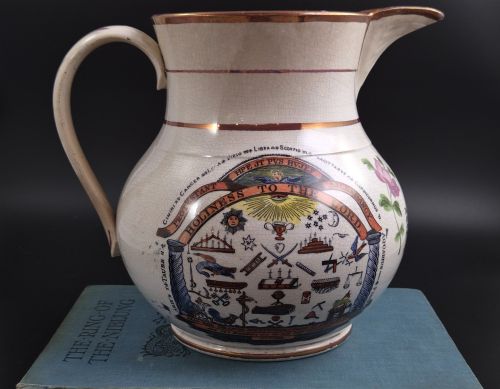
Victorian Staffordshire ceramics bring the parlour shelf of the nineteenth century alive through earthenware figures, comforter spaniels and commemorative jugs.
Victorian Staffordshire Ceramics
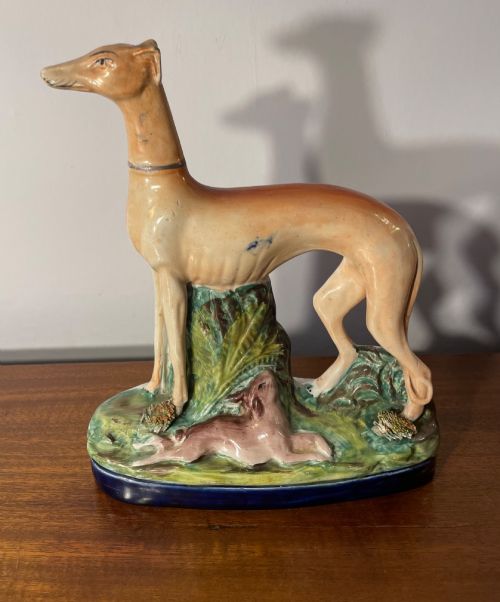
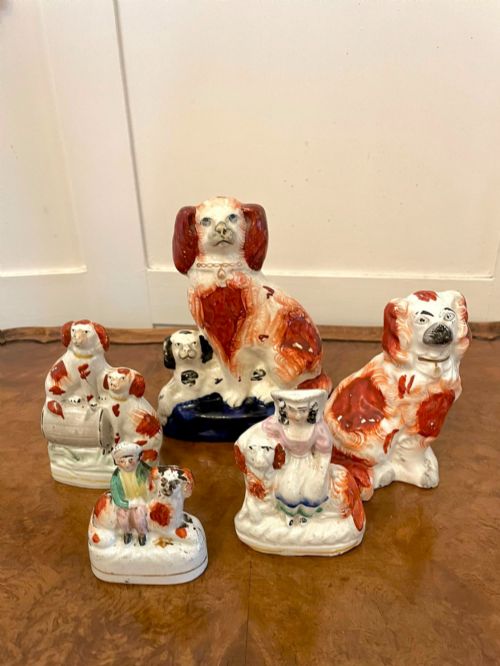
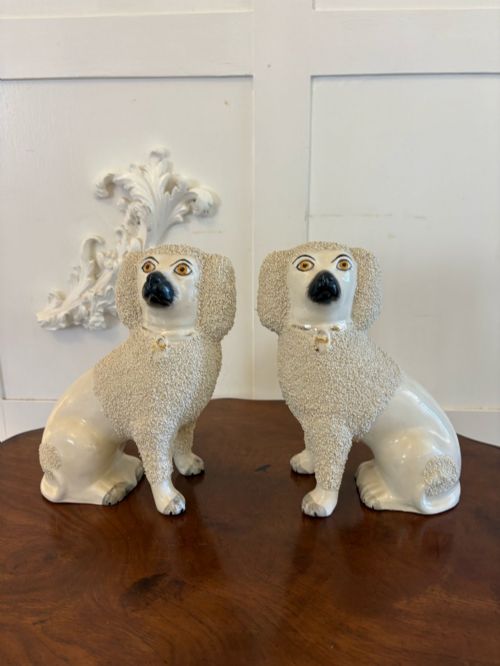
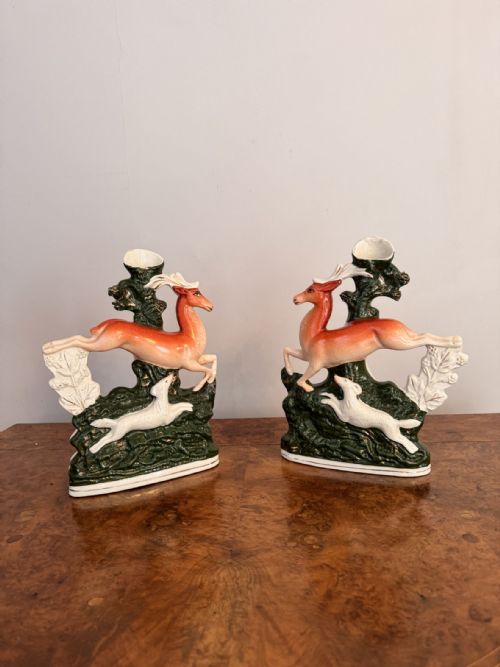
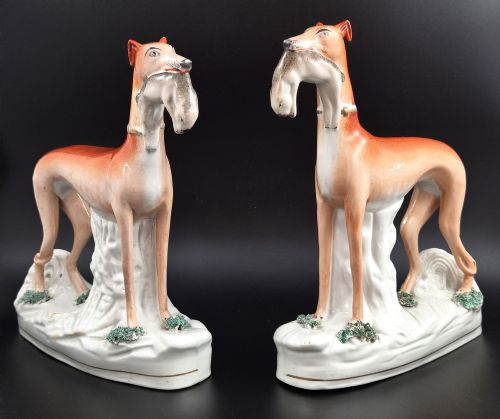
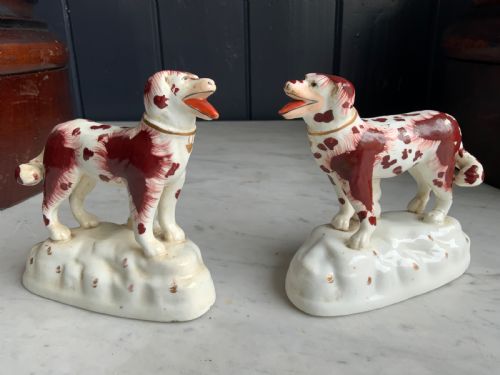
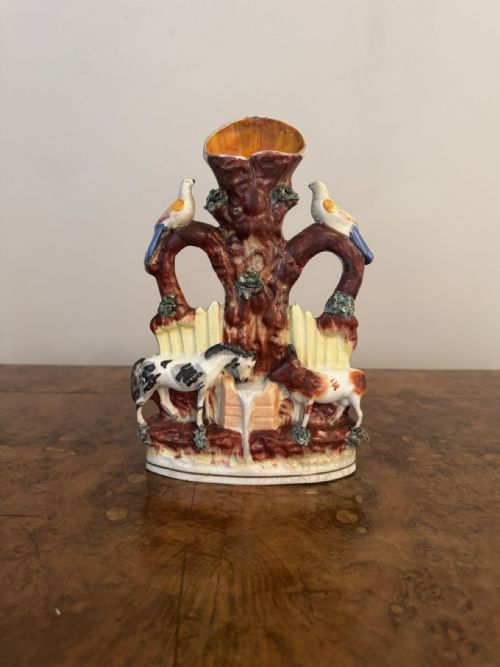
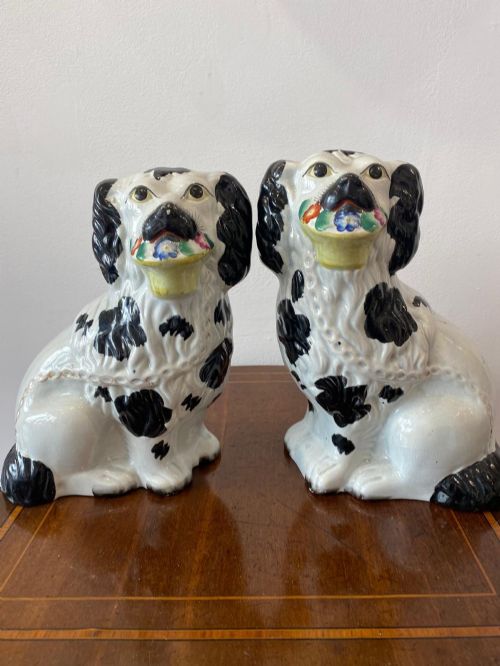
When someone searches for victorian staffordshire ceramics, they look for moulded earthenware pieces that filled domestic mantelpieces across nineteenth-century Britain. The commonest survivors on this page are decorative figures, spill vases and mantle dogs modelled in pairs to face one another.
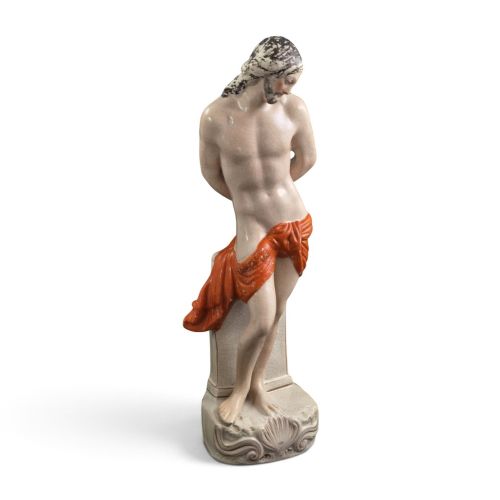
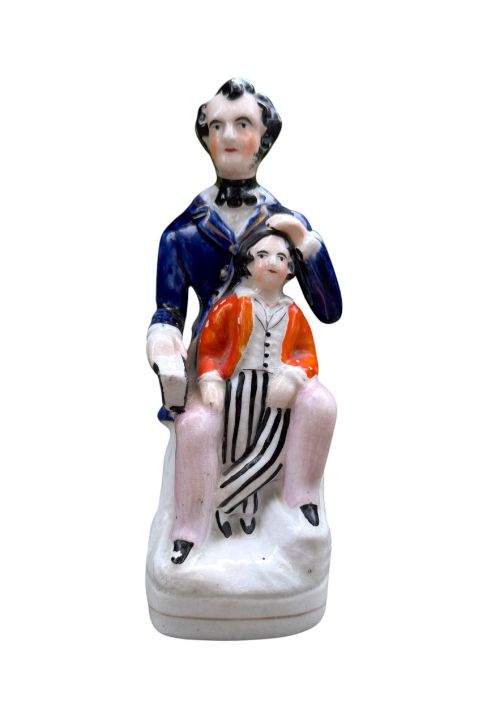
Makers shaped these utilitarian and decorative objects to honour military heroes, royalty and literary characters alongside everyday animals like poodles, greyhounds and lions. Flatback pottery figures designed to stand against a wall appear frequently alongside rounded Toby jugs and creamers.
Moulding and decorating methods
Potters formed these items using slip-casting and press-moulding techniques in earthenware clay, producing hollow bodies that dried evenly in kilns. Lead glazes and enamel colours provided the glossy finish and bright surface decoration applied by hand.
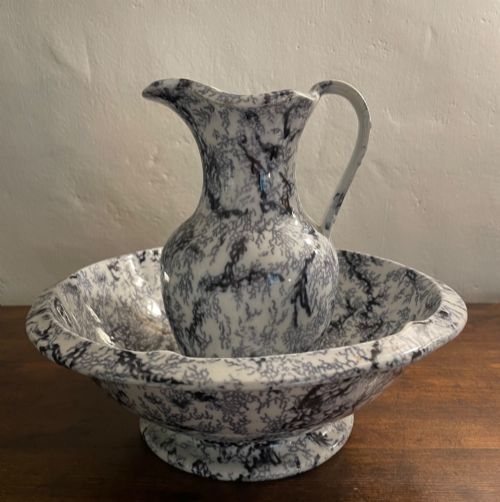
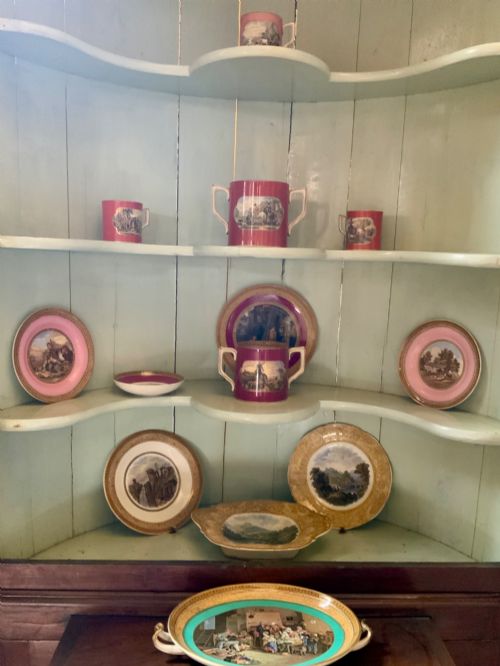
Many items received additional surface treatments including copper lustre, flow blue transfer printing and gilt highlights. Prattware pieces utilised multi-coloured underglaze printing processes to achieve distinct pictorial scenes.
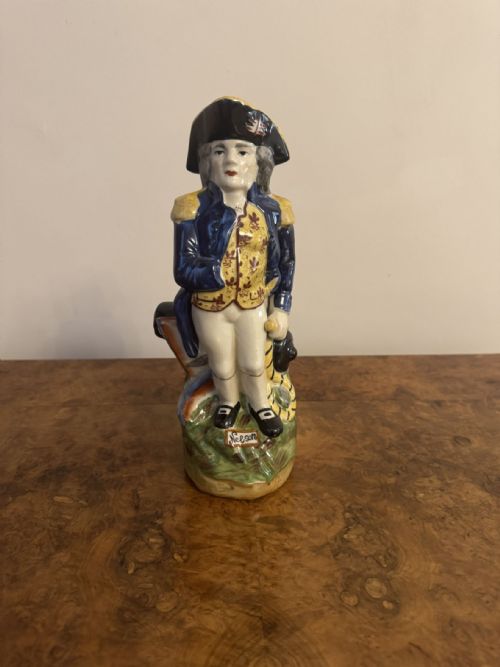
Portraits of historical figures such as Lord Nelson, Lord Shaftesbury and the Duke of Cambridge appear frequently among the ceramic inventory.
Assessing detail and execution
Pairs show consistency in sizing and modelling where lesser examples reveal distortion from the firing process. Original matched sets demonstrate greater care during production than assembled pairs matched together later.
John Bevington·Keeling & Co.
The Victorian Staffordshire Ceramics Glossary
- Flatback
- A pottery figure with a finished front and a plain, unpainted flat back intended to stand directly against a wall.
- Spill vase
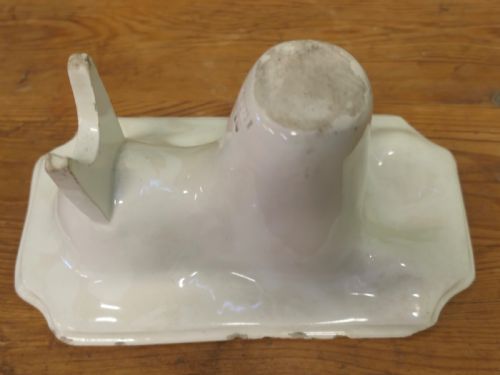
- A hollow ceramic figure incorporating an attached cylindrical holder designed to contain wooden spills for lighting fires or pipes.
- Prattware
- English earthenware decorated with specific underglaze colour prints, most notably blues, ochres and greens.
- Toby jug
- A pottery jug modelled in the likeness of a stout, cheerful person typically holding a mug and a pipe.
- Flow blue
- A transfer-printed earthenware style where cobalt blue bled into the surrounding white glaze during firing to create a hazy effect.
Victorian Staffordshire Ceramics: Frequently Asked Questions
How do I spot fake Staffordshire dogs?
Examine the weight, crazing of the glaze and the style of the base. Nineteenth-century pieces show authentic age through natural wear and heavy earthenware construction rather than modern resin casts.
Look underneath for the hollow interior and manufacturing vent holes typical of period press-moulded pottery. Modern reproductions often lack the characteristic hand-painted variations found on genuine Victorian examples.
Were Staffordshire figures meant to be used?
Most mantle dogs and portrait figures served purely as decorative ornaments for the Victorian parlour shelf. They reflected the owner's tastes, political sympathies and moral interests.
Certain forms like Toby jugs, basins and ale tankards functioned as practical tableware for serving drinks during meals or gatherings. These items combined utility with cheerful household display.
Why do spaniels come in pairs?
Comforter spaniels were modelled as facing pairs to sit symmetrically at either end of a fireplace mantelpiece. This arrangement suited Victorian interior design preferences for balanced display.
Single dogs occasionally survived separation, but matched pairs represent the standard way manufacturers sold them. Each dog mirrored the other to create a unified focal point in the room.