

Antique Porcelain Lighting
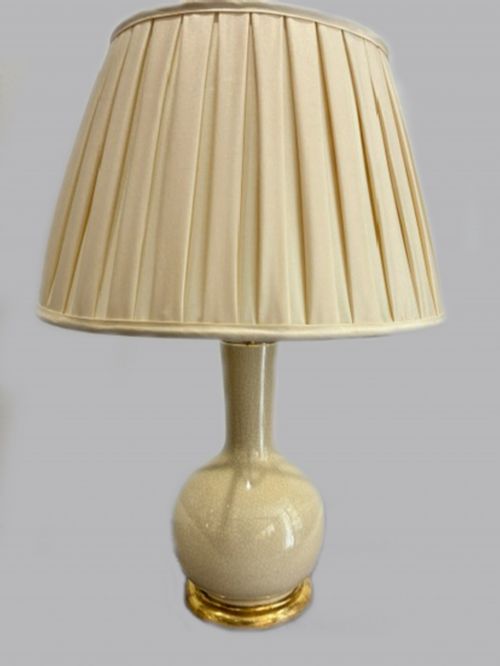
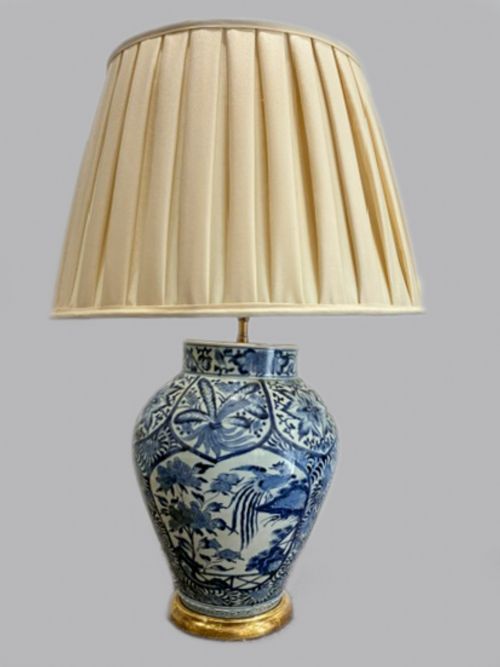
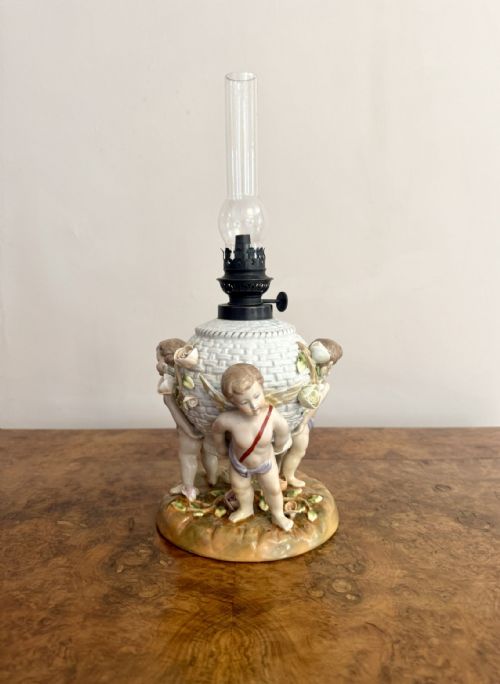
Antique porcelain lighting brings tactile weight and layered pattern to a room, drawing on Victorian and Chinese Qing Dynasty workshops.
Antique Porcelain Lighting
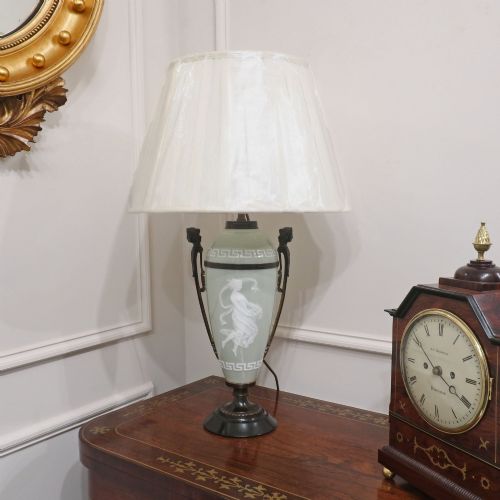
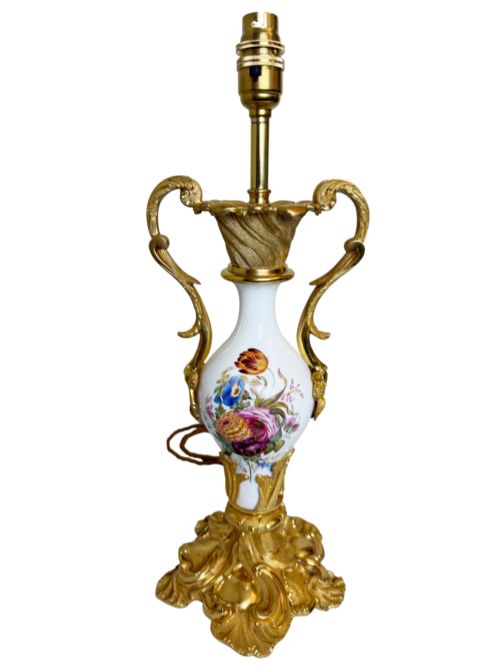
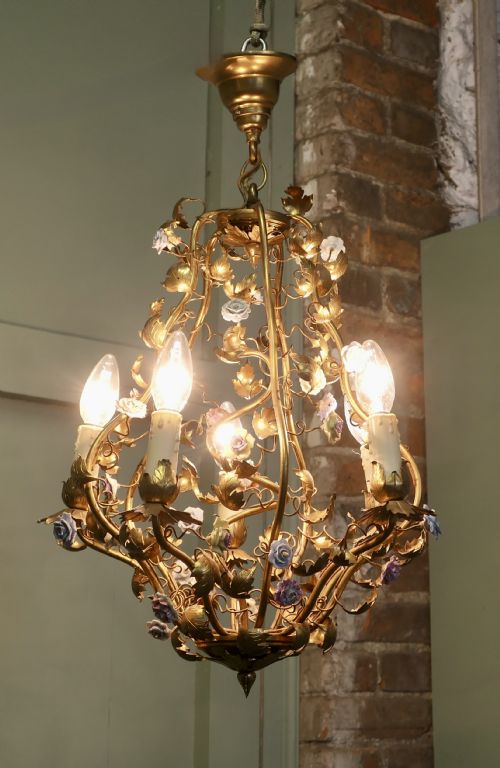
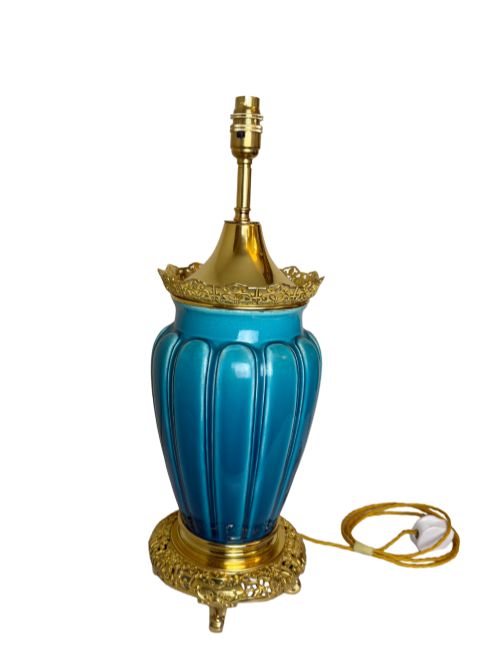
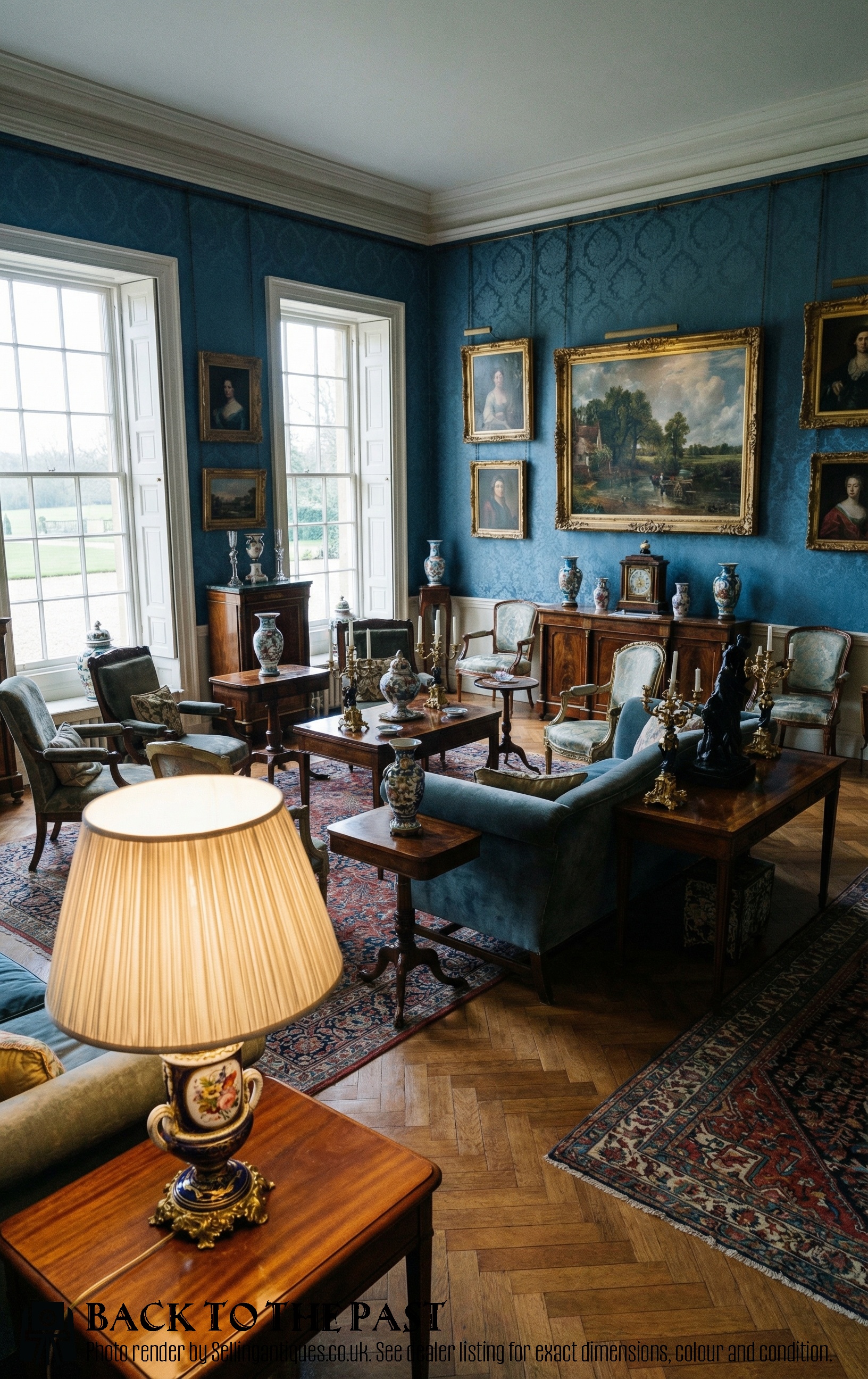
When you search for antique porcelain lighting, you encounter table lamps built from nineteenth-century vessels paired with brass, gilt, or ormolu mounts. These pieces combine utilitarian electrical conversion with decorative ceramic bodies originating from European and Chinese furnaces.
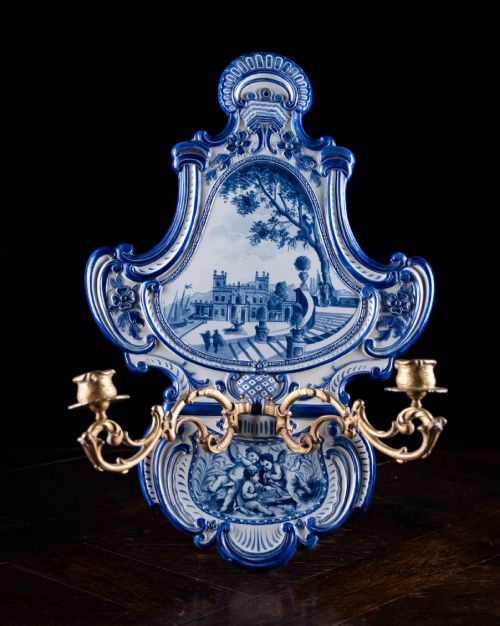
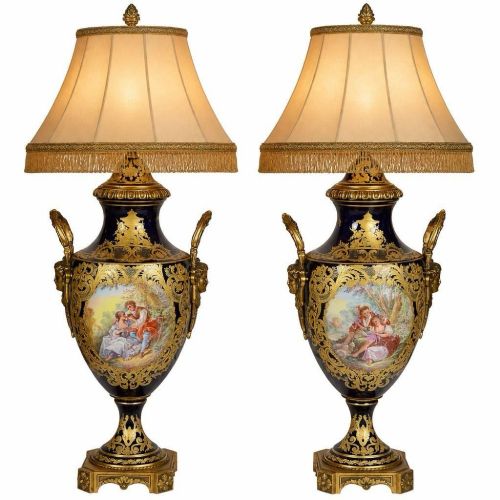
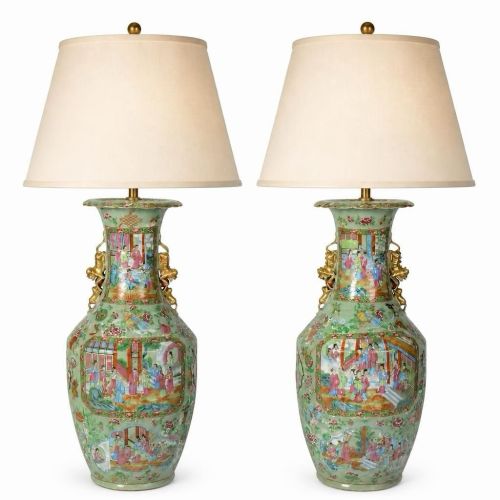
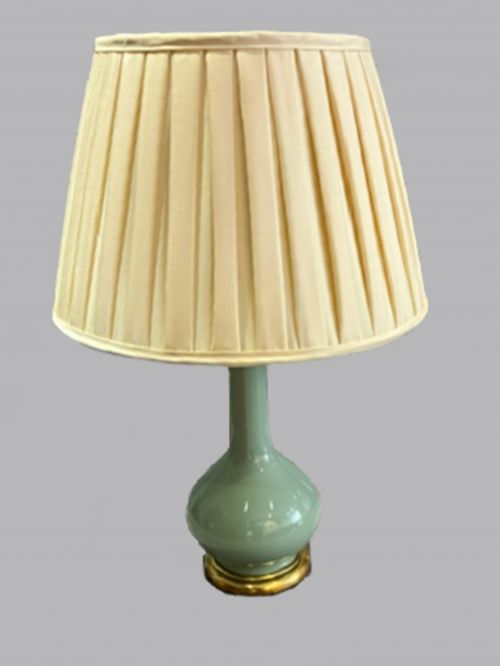
The selections available here lean towards nineteenth-century production, featuring Victorian cream and gilt vessels alongside French Sevres style pieces and Chinese Chinoiserie exports. Table lamps dominate this category, transforming decorative vases into functional household illumination.
A buyer examining these objects finds a distinct dialogue between eastern and western decorative traditions. The physical presence of a porcelain body anchored in heavy metal base hardware defines the typical form encountered in this search.
How antique porcelain lighting was made
Makers constructed these table lamps by mounting ceramic bodies onto metal hardware, utilising brass, ormolu, and gilt to secure the foot and neck. The porcelain itself displays hand-painted or glazed surfaces, often finished with textile components like silk and fabric shades.
Vessels from the Chinese Qing Dynasty tradition utilise famille verte and famille rose palettes, applied with mineral pigments over a fired white base. European works, including French Sevres style pieces and Victorian cream-glazed items, integrate moulded clay shapes with decorative metallic fixtures.
Antique Porcelain Lighting Retail Price Guide 2026
Typical asking prices for porcelain lighting among the pieces listed under this phrase on Sellingantiques today, from the lower quarter to the upper quarter. They describe what is for sale here now, not the wider market.
Some nineteenth-century decorators happily drilled through priceless export vases to chase the latest electrical trends.
What varies in quality
The division between standard examples and superior pieces rests on the crispness of the porcelain decoration and the weight of the surrounding metal mounts. Fine ormolu and heavy brass fittings indicate greater workshop investment than thin, pressed components.
Painted detail distinguishes simpler utilitarian conversions from masterwork ceramics. Hand-applied enamels with fine register and depth elevate a vase lamp above mass-produced decorative wares.
The Antique Porcelain Lighting Glossary
- Ormolu
- Gilded bronze or brass mounts applied to furniture and ceramic bases. This decorative metalwork provides structural support and visual contrast to the glazed porcelain body.
- Famille Rose
- A palette of Chinese porcelain enamels dominated by opaque pink. This decorating style gained prominence during the Qing Dynasty and appears frequently on export vases.
- Famille Verte
- A classification of Chinese ceramic decoration using transparent green as the predominant enamel colour. Artisans combined this hue with iron red, blue, and yellow to render floral and figurative scenes.
- Sevres style
- A descriptive term for European porcelain emulating the royal French factory. These pieces typically feature rich ground colours, heavy gilding, and finely painted pastoral or exotic motifs.
Antique Porcelain Lighting: Frequently Asked Questions
How do I safely wire an antique porcelain lamp?
Rewiring requires a qualified electrician to inspect the internal brass fittings and ensure modern safety standards are met without damaging the ceramic body.
Historic threaded pipes and sockets often need replacement to accommodate contemporary plugs and cords securely.
What styles are common in antique porcelain lighting?
The available selection includes Victorian cream and gilt designs, French Sevres style pieces, and Chinese Qing Dynasty export vases.
These varied origins reflect nineteenth-century interior tastes that favored both European classical revival and elaborate Chinoiserie aesthetics.
How do I clean antique porcelain and brass?
Dust porcelain surfaces gently with a dry, soft cloth to protect hand-painted enamel and gilt details from moisture damage.
Brass and ormolu mounts require non-abrasive cleaners applied carefully to avoid staining the surrounding ceramic glaze.
Are these lamps converted from older vases?
Many nineteenth-century lighting pieces began as decorative vases or jars before receiving electrical fittings later in their lifespan.
This adaptation process preserves the original ceramic artistry while giving the vessel a functional role in modern rooms.