






Antique Oriental Wall Plates
Antique oriental wall plates bring rich palettes and meticulous hand-painted detail from eastern workshops straight to British interiors.

Antique Oriental Wall Plates
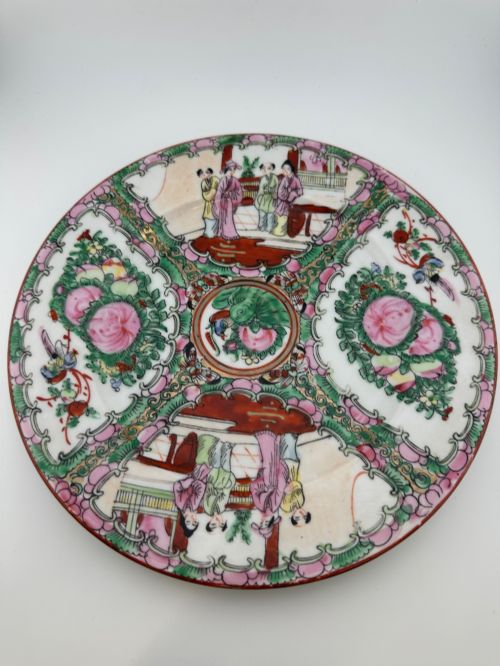
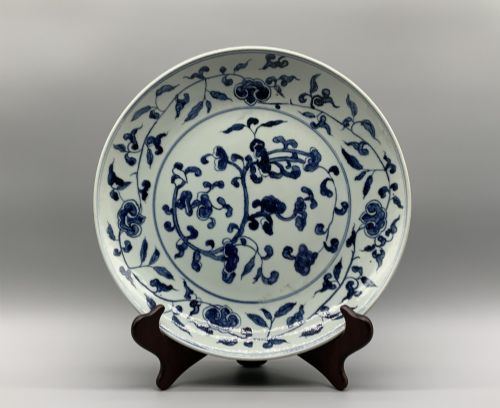
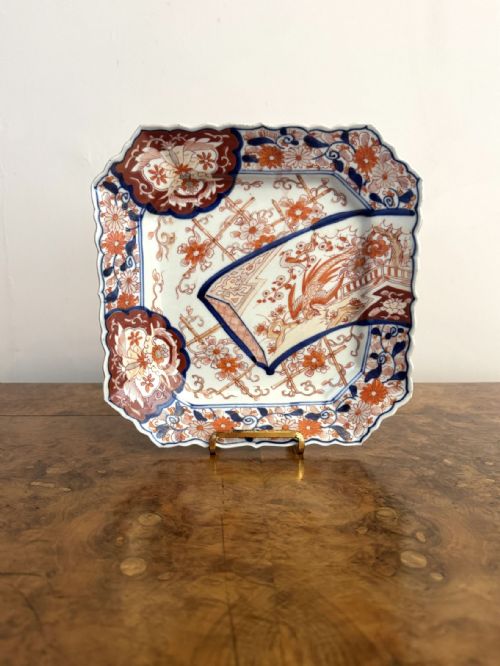
These items span from late nineteenth-century productions up to the early twentieth century, with occasional earlier Chinese blue and white porcelain pieces from the Kangxi period appearing. Formats range from standard circular dishes to scalloped edges, square shapes, and oval porcelain platters.
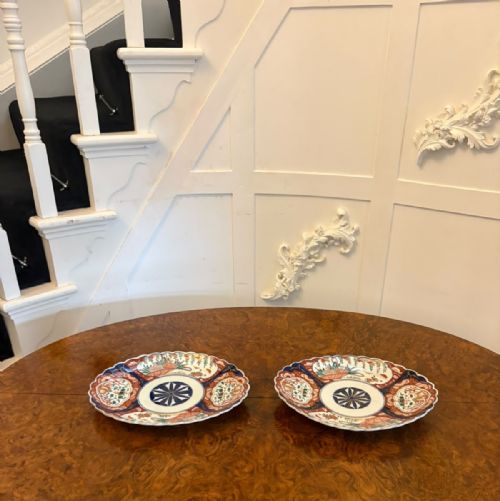
Japanese examples dominate the selection, bringing traditional motifs such as birds, fish, dragons, and landscapes into domestic spaces. Buyers find both individual statement chargers and matching pairs intended for symmetrical room decoration.
How they were made
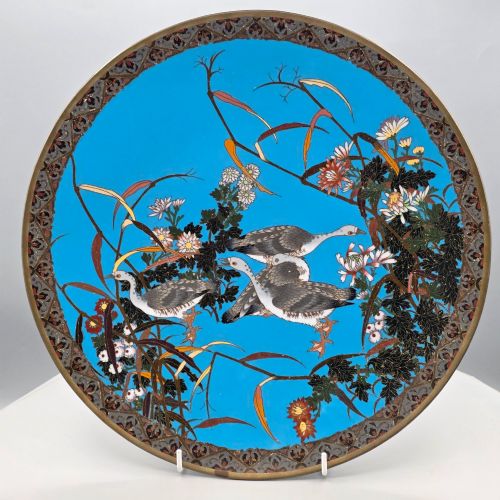
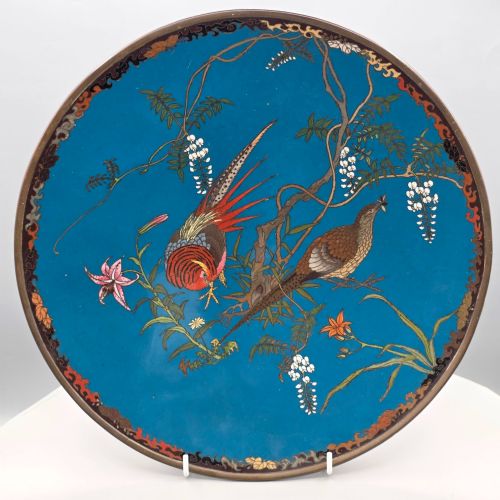
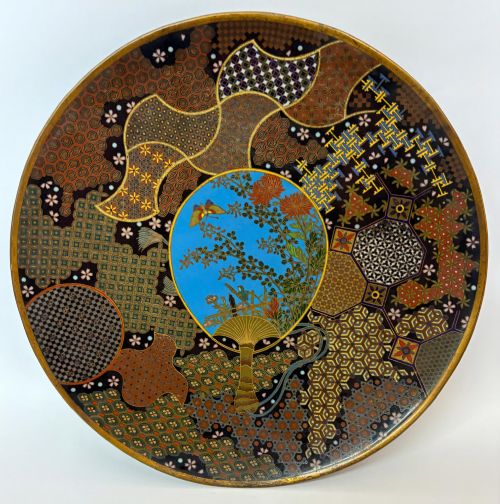
Porcelain and earthenware pieces rely on precise throwing and moulding techniques before painters apply cobalt blue, iron red, and gold leaf pigments beneath or over the glaze. Cloisonne examples build up their imagery by soldering fine metal wires onto copper or brass bases to form individual cells, which artisans then fill with coloured enamel pastes before firing and polishing.
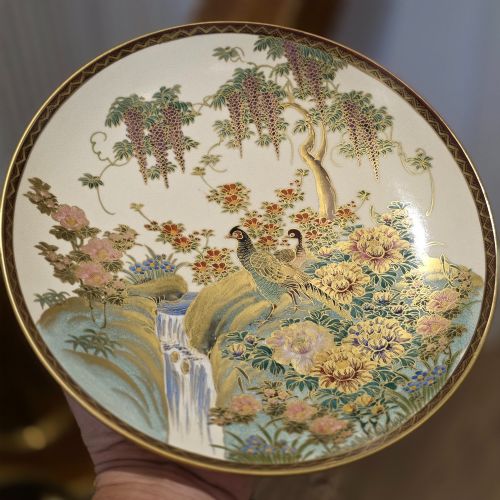
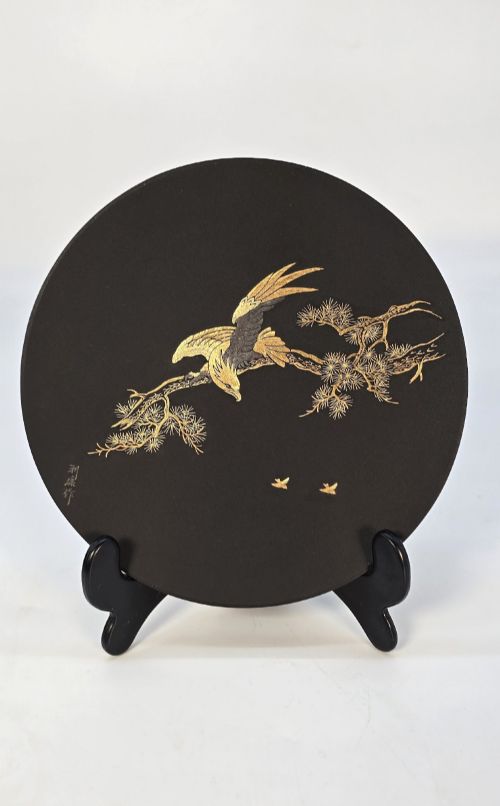
Metal plaques utilise heavy iron or bronze foundations decorated with contrasting gold and silver inlay work. Satsuma wares employ raised moriage enamel details to create textured surfaces across floral and avian scenes.
Listings feature items spanning the eighteenth century to the early twentieth century, predominantly utilising porcelain, enamel, and copper.
What varies in quality
The standard of painting and enamel work dictates the tier of each piece, separating mass-produced export wares from master-signed studio creations. Crispness of line, complexity of motif, and the density of gold leaf application signal superior craftsmanship.
In cloisonne items, the fineness of the wirework grid and the absence of pitting in the fired enamel surface define the upper range of output. Condition of the glaze and retention of original gilding significantly influence the desirability of porcelain chargers.
Koshida
The Antique Oriental Wall Plates Glossary
- Imari
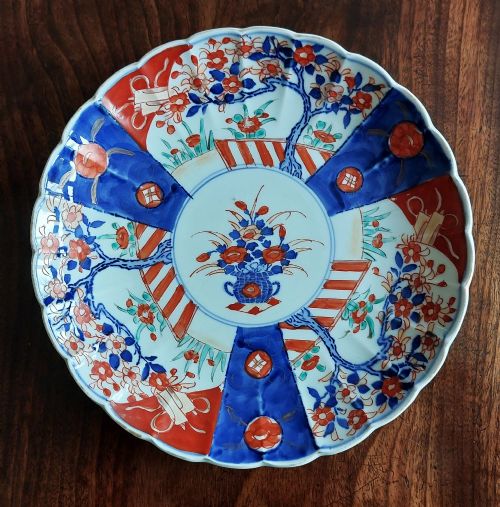
- A style of Japanese porcelain featuring a distinctive palette of underglaze blue, iron red, and added gold highlights. These wares were heavily exported to Europe from the port of Imari.
- Cloisonne
- A decorative metalwork technique where thin wires form raised compartments on a vessel body to hold coloured enamel pastes. The entire surface is then fired and ground smooth.
- Satsuma
- A type of Japanese earthenware characterised by a fine crackle glaze and elaborate polychrome enamel decorations often enriched with gold leaf. Production centred on Satsuma province before spreading to major cities.
- Charger
- A large decorative plate or platter primarily intended for display on a wall or sideboard rather than dining use. They provide expansive surfaces for complex pictorial scenes.
- Moriage
- A Japanese ceramic technique using piped clay or enamel slip to build up raised, textured relief patterns on the surface of a vessel.
Antique Oriental Wall Plates: Frequently Asked Questions
How do I hang antique plates?
Displaying these chargers safely requires spring-loaded brass wall hangers that grip the rim securely without causing friction damage to the glaze or enamel surface. Ensure the wall fixing anchors directly into solid masonry or a timber stud rather than relying solely on plasterboard.
Position plates at eye level away from direct sunlight to prevent the gradual fading of delicate iron reds and gold leaf over time.
Were these plates meant for dining?
Most large examples function strictly as decorative chargers or display plaques rather than tableware. Their generous diameters and intricate surface designs suited formal reception rooms and parlour display cabinets.
Smaller dishes could serve light refreshments, but the presence of heavy gilding and fragile enamel work means daily domestic use was rarely intended.
How do I tell Imari from Satsuma?
Imari pieces use a hard porcelain body with a resonant ring, painted in deep underglaze blues combined with vibrant iron reds and gilt. Satsuma items utilise an earthenware body covered in an ivory-toned glaze featuring a fine network of tiny crackles.
Satsuma surfaces often incorporate raised moriage details, whereas Imari relies entirely on flat or subtly textured pigment applications.
What is the Meiji period?
The Meiji period spans the rule of Emperor Meiji from eighteen sixty-eight to nineteen twelve, marking an era of rapid modernisation and flourishing export arts in Japan. Craftspeople during this time produced exceptional cloisonne, Satsuma, and porcelain wares tailored for Western collectors.
Pieces from this era frequently exhibit high technical mastery in metal inlay and enamel shading.