







Vintage Japanese Display Dishes
These vintage japanese display dishes bring striking Meiji period porcelain and cloisonne enamel into modern rooms.

Vintage Japanese Display Dishes
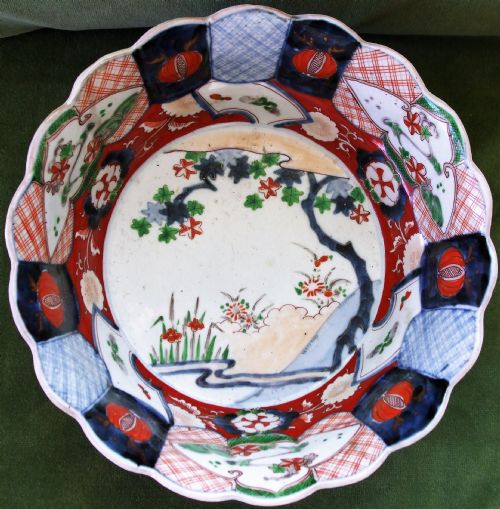
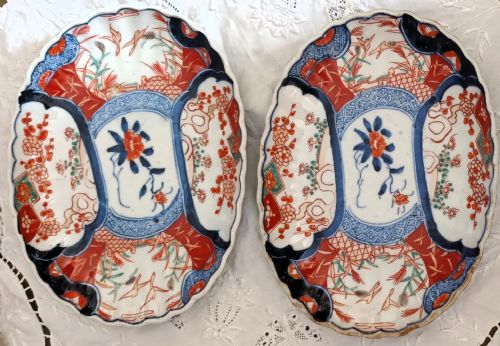
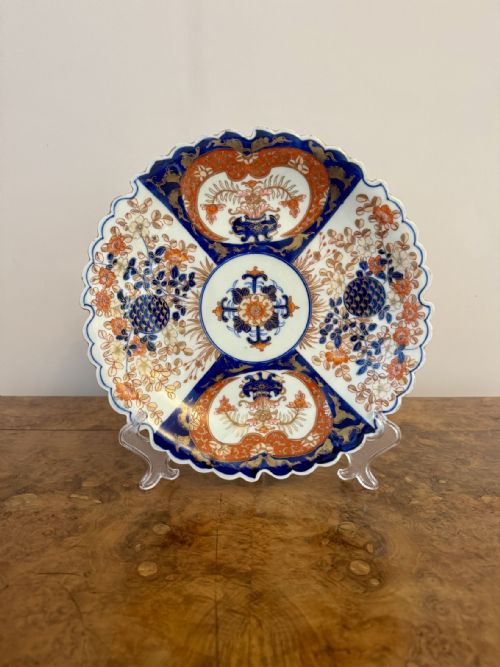
Vintage japanese display dishes encompass porcelain plates, large chargers, and bowls created for decorative display during the late nineteenth and early twentieth centuries. Buyers seeking these items encounter substantial imari chargers with traditional blue and iron-red palettes alongside intricate cloisonne enamel trays depicting birds, fish, and landscapes.
The selection ranges from square and hexagonal porcelain plates to deep bowls with scalloped edges produced across the Meiji, Taisho, and Victorian eras. Most pieces date from around nineteen hundred, whilst earlier examples trace back to the nineteenth century and the Edo period.
Forms vary from standard circular plates to large wall-hanging chargers measuring significant diameters, designed specifically to showcase traditional Japanese ceramic and metalwork skills. These objects serve as focal points in interiors, offering rich patterns and hand-painted motifs.
How vintage japanese display dishes were made
Artisans constructed porcelain bodies by throwing or moulding clay before applying underglaze blue and iron-red pigments, often supplemented with gilt and gold leaf details. Cloisonne enamel pieces utilise copper bases fitted with thin wire cells that hold coloured enamels fired in kilns.
Hand painting forms the basis of the surface decoration, with skilled makers applying detailed pigments to depict mythological figures, flora, and fauna such as koi, ibis, and owls. Glaze application and repeated firing cycles produced the durable, lustrous finishes seen on both porcelain chargers and metal trays.
Several plates depict the Seven Lucky Gods sharing space with leaping koi and Mt Fuji.
What varies in quality
Quality separates standard production wares from masterworks through the precision of the hand-painted brushwork and the complexity of the compositional design. Superior pieces display crisp cobalt blues, meticulously applied gold leaf, and intricate wirework in enamel compositions that maintain visual balance across large surfaces.
The crispness of moulded edges, particularly on scalloped, square, and hexagonal plates, indicates the care taken during production. Variations also lie in the depth of the glaze and the refinement of the underlying porcelain body, distinguishing ordinary utility items from ambitious decorative pieces.
Koshida
The Vintage Japanese Display Dishes Glossary
- Imari
- A style of Japanese porcelain featuring a distinct palette of underglaze blue, iron-red, and gilt highlights. These wares were heavily exported during the nineteenth century.
- Charger
- A large decorative plate intended for display on a wall or sideboard rather than for dining use. They often measure considerable diameters.
- Cloisonne
- A metalwork technique where fine wire is soldered to a copper base to create cells filled with enamel paste and fired. This method produces vivid pictorial scenes.
- Meiji Period
- The historical era spanning from eighteen sixty-eight to nineteen twelve, characterised by intense artistic production and international export of Japanese crafts.
Vintage Japanese Display Dishes: Frequently Asked Questions
How were vintage japanese display dishes used?
These pieces were primarily manufactured for export and decorative display in western interiors during the late nineteenth and early twentieth centuries. Households placed large chargers on walls or sideboards to showcase Japanese craftsmanship.
Smaller plates and bowls functioned as table centrepieces or cabinet displays, highlighting intricate hand-painted motifs and traditional pigments.
How do I date vintage japanese display dishes?
Dating relies on stylistic markers, materials, and documented production periods associated with the Meiji, Taisho, and Edo eras. Porcelain bodies from the nineteenth century often exhibit heavier potting and deeper underglaze tones.
Later pieces from around nineteen hundred frequently incorporate brighter enamel combinations and more complex border patterns reflecting evolving export demands.
What is the difference between imari and cloisonne?
Imari refers to porcelain decorated with underglaze blue, iron-red, and gold leaf, utilising ceramic firing techniques. The designs are painted directly onto the clay body before glazing.
Cloisonne is a metalwork medium using copper bases and wire partitions filled with coloured glass enamels. These pieces rely on vitreous fusing rather than ceramic glazing.
How do I care for vintage japanese display dishes?
Display these items away from direct sunlight to preserve the stability of gilt accents and enamel pigments. Dust porcelain and cloisonne surfaces gently with a soft, dry cloth.
Avoid using liquid cleaners or submerging metal-based enamel pieces in water, as moisture can affect the copper and wire components.