


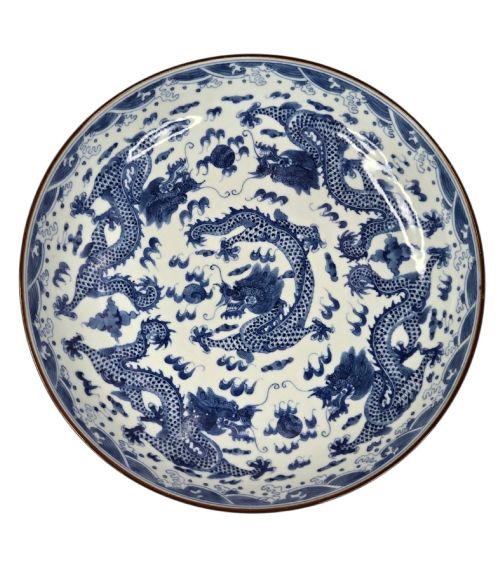

Antique Oriental Dish
An antique oriental dish brings centuries of ceramic artistry to a room, offering intricate patterns from Chinese and Japanese kilns.
Antique Oriental Dish
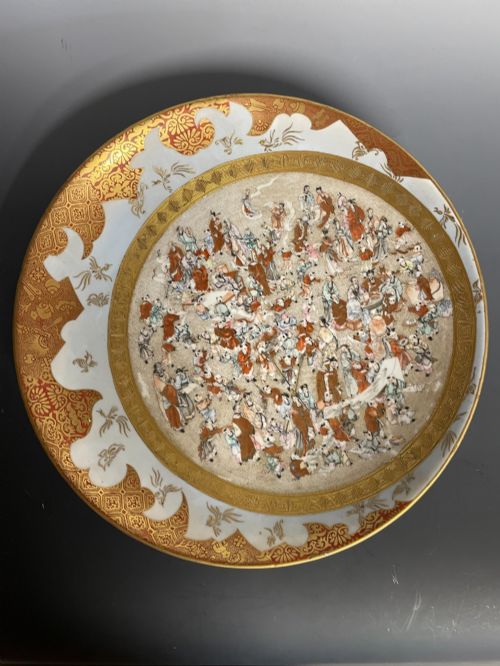
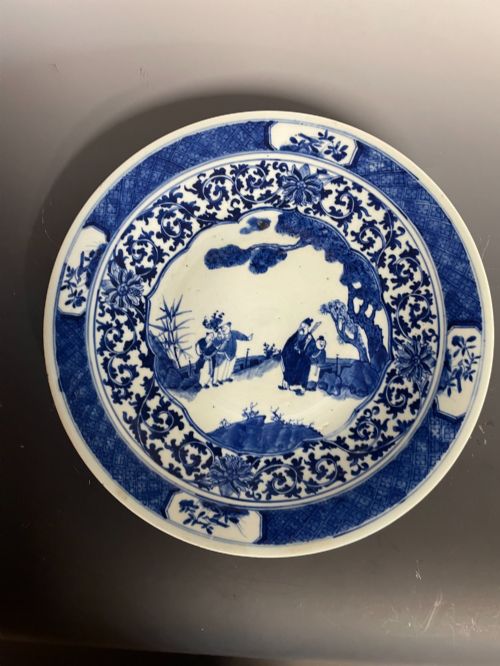
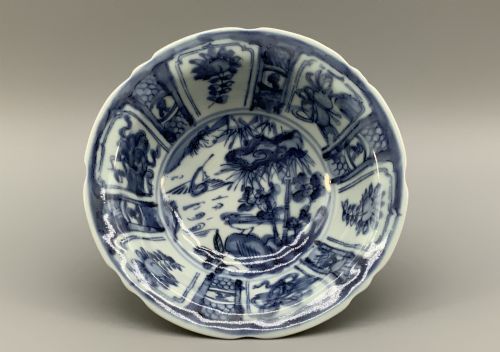
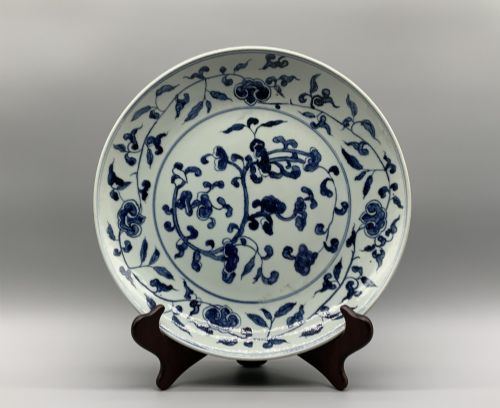
An antique oriental dish spans centuries of craftsmanship from Chinese dynasties and the Japanese Meiji period, taking forms such as decorative plates, bowls, chargers, and serving platters. Buyers exploring this selection encounter works fashioned in porcelain, earthenware, and enamel, alongside specialised items like brush washers and lacquer sake tables.
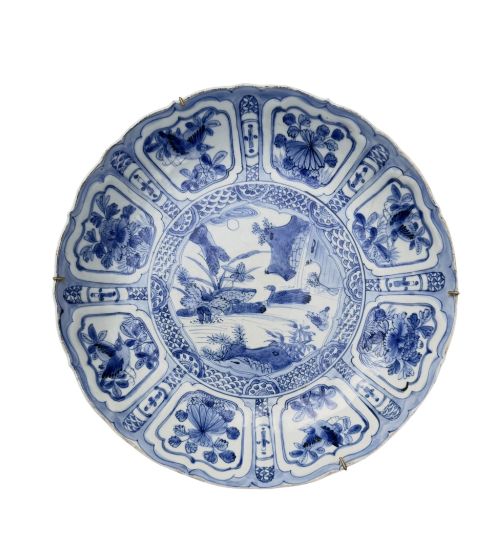
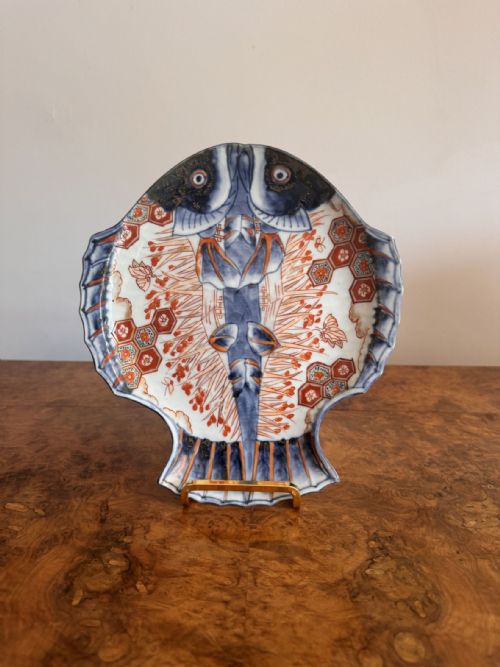
The most common pieces on this page are Japanese Imari plates and chargers originating around 1900 or the late nineteenth century, alongside Chinese blue and white porcelain and Famille Rose wares. These items range from lobed bowls and scalloped edge dishes to fish-shaped plates and large chargers decorated with birds, flowers, and dragons.
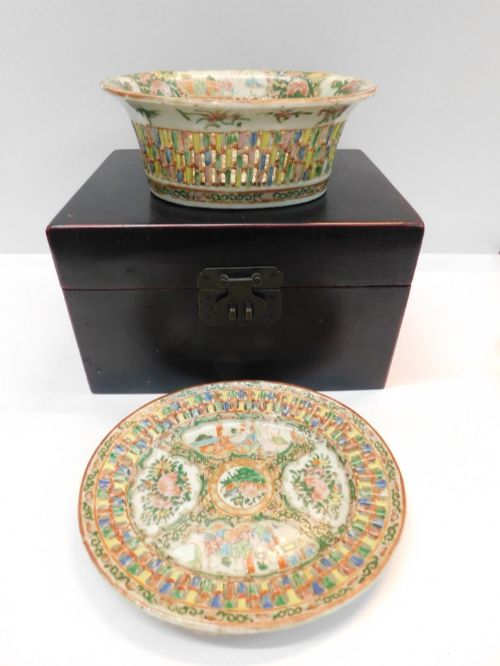
Origins stretch from the Kangxi and Qianlong periods of the eighteenth century through to Victorian and early twentieth-century interpretations. Collectors select these items for display or service, appreciating the variety of forms including square bowls, reticulated chestnut baskets, and patinated iron plaques.
How they were made
Potters utilised porcelain and earthenware bodies, applying cobalt underglaze, enamel, and glaze before firing in high-heat kilns to achieve vibrant surfaces and durable finishes. Many works incorporate detailed hand-painting in cobalt blue, famille rose pigments, and Japanese Imari palettes.
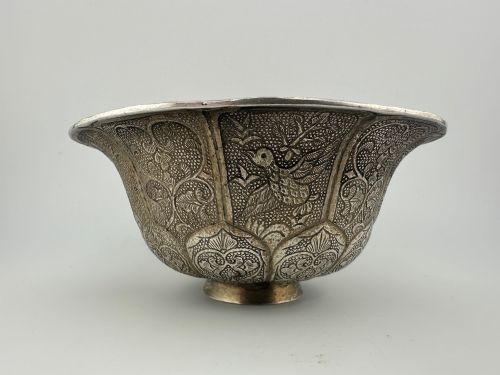
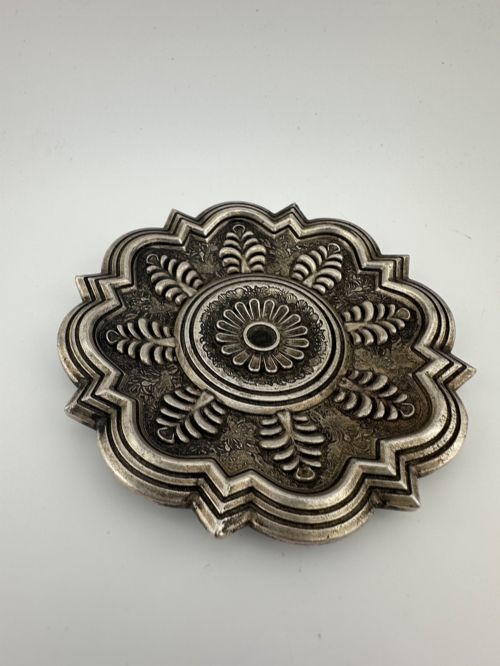
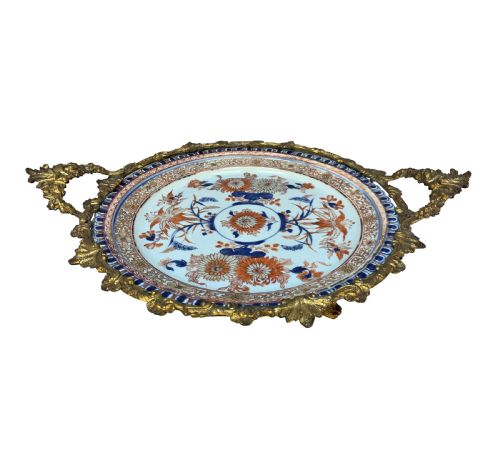
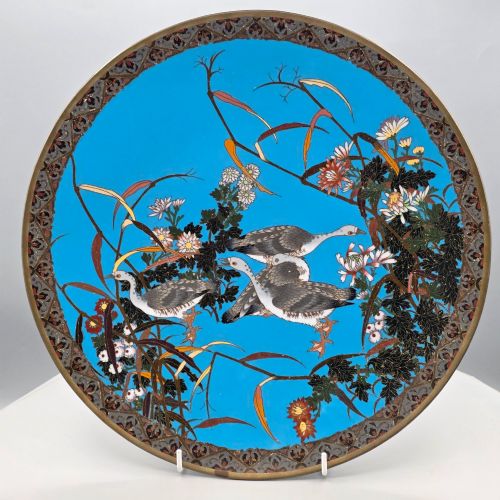
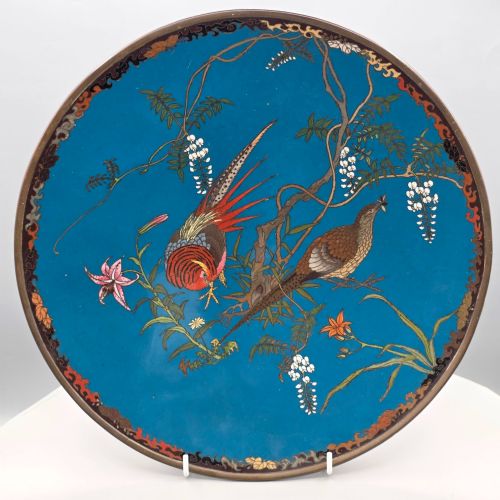
Advanced metalwork and decorative techniques appear in pieces featuring gold leaf, gilding, white metal, and ormolu mounts. Cloisonne enamel items rely on wire cells affixed to a base, filled with enamel pastes, and fired multiple times, while other objects integrate patinated iron with gold and silver inlay.
Listings feature items from the 18th Century, 19th Century, Victorian era, and early 20th Century, constructed from porcelain, earthenware, wood, and enamel.
What varies in quality
The distinction between standard items and exceptional works lies in the execution of the painting and the complexity of the form. Plates and chargers with finely detailed motifs, such as exotic birds, five-clawed dragons, and chrysanthemums, demonstrate superior artisan skill compared to simpler production pieces.
Material application and mounting elevate certain objects, visible in the precision of cloisonne wirework, the richness of gold leaf and gilding, and the presence of custom ormolu mounts. Scalloped edges, chamfered squares, and unusual shapes like fish-shaped plates demand higher technical mastery from the potter.
The Antique Oriental Dish Glossary
- Imari
- A style of Japanese porcelain featuring a distinct palette of underglaze blue, iron red, and gilt highlights. These pieces were extensively produced for export during the Meiji period and earlier.
- Famille Rose
- A palette of opaque enamel colours dominated by pink or rose, introduced in Chinese ceramics during the Qing dynasty. It allowed artists to render soft tonal gradations on plates and bowls.
- Cloisonne
- A metalworking technique where thin metal wires form raised barriers on a surface to enclose areas filled with enamel paste. The object is then fired and polished to a smooth finish.
- Charger
- A large decorative plate utilised primarily for display or formal service rather than daily dining. These substantial pieces often showcase the most elaborate artistry of their period.
- Reticulated
- Designed with an openwork pattern or pierced lattice structure. This technique appears on specialised vessels such as chestnut baskets and stands.
Antique Oriental Dish: Frequently Asked Questions
How do I display an antique oriental dish?
These pieces suit mounting on plate stands for cabinet display or placement on flat surfaces like tables and sideboards where their painted patterns remain visible. Chargers and large dishes often feature sufficient presence to anchor a wall display.
Ensure stable supports are utilised, particularly for heavier porcelain or enamel items, to prevent accidental tipping during daily movement in the room.
Can these dishes be used for food?
Most antique oriental dishes function best as decorative objects rather than active tableware due to their age and delicate glaze compositions. Historic pigments and glazes can suffer wear from modern cutlery and washing methods.
Displaying them preserves the enamel work, gold leaf, and cobalt underglaze details applied by makers centuries ago.
What is the difference between Chinese and Japanese porcelain?
Chinese porcelain often reflects dynastic traditions such as the Kangxi or Qianlong periods, utilising motifs like five-clawed dragons, famille rose enamels, and fine blue and white cobalt designs. Japanese works, particularly from the Meiji period, frequently exhibit dynamic Imari palettes or intricate cloisonne enamel.
Examining the specific painting style, kiln marks, and subject matter helps distinguish the origin of each piece.
How should I clean my antique dish?
Dusting gently with a soft, dry cloth removes everyday particles without risking the delicate enamel or gilt surfaces. Avoid harsh chemical cleaners, abrasive sponges, and prolonged soaking in water.
If moisture is necessary for cleaning, use a damp cloth followed immediately by thorough drying with a lint-free towel.