
Antique Oak Dial Clock
An antique oak dial clock brings steady presence to a room through honest timber and a clear, uncrowded face.
Antique Oak Dial Clock
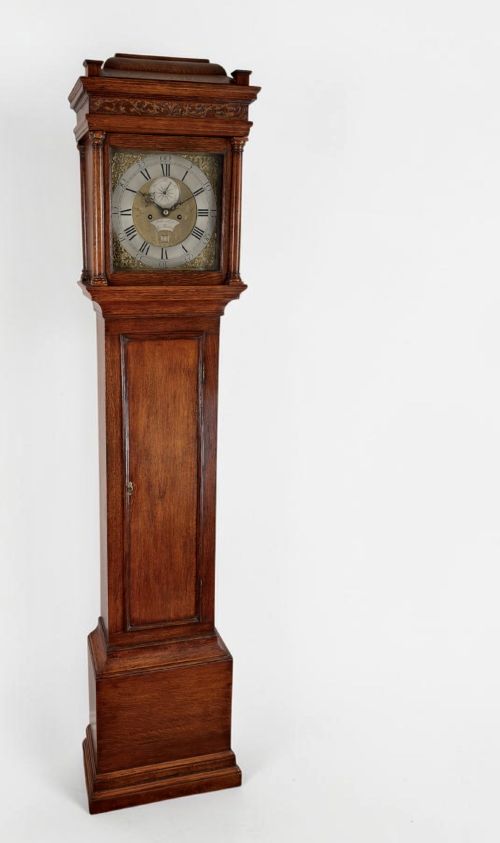
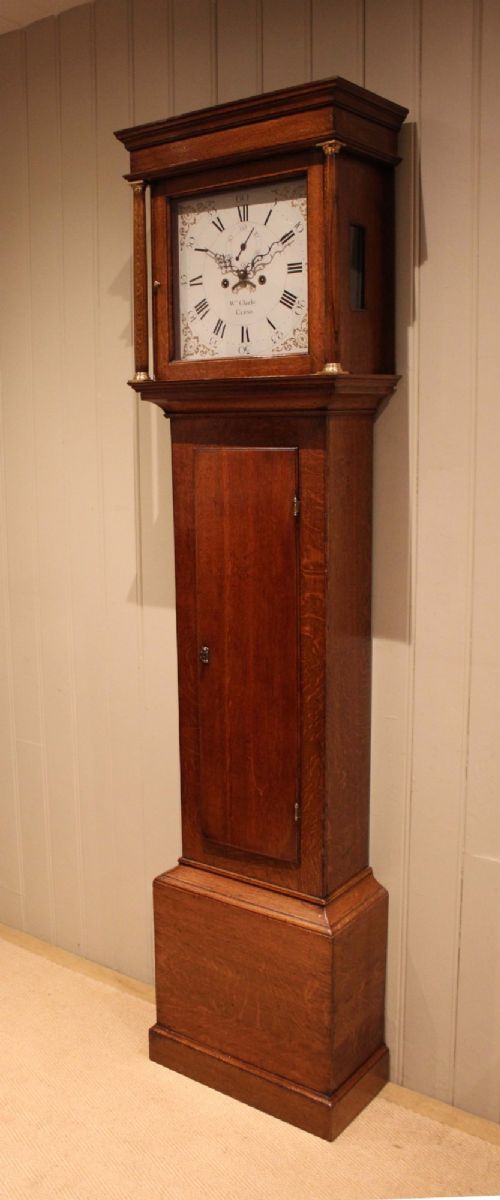
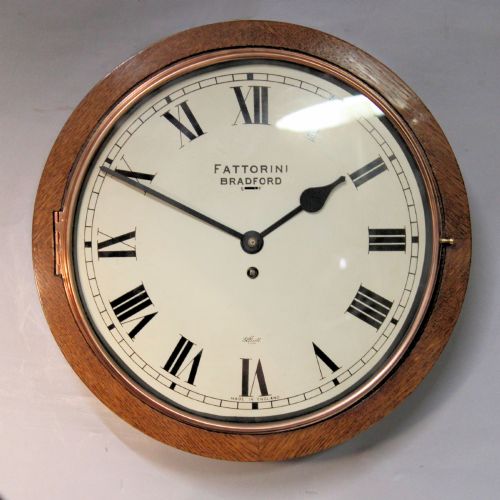
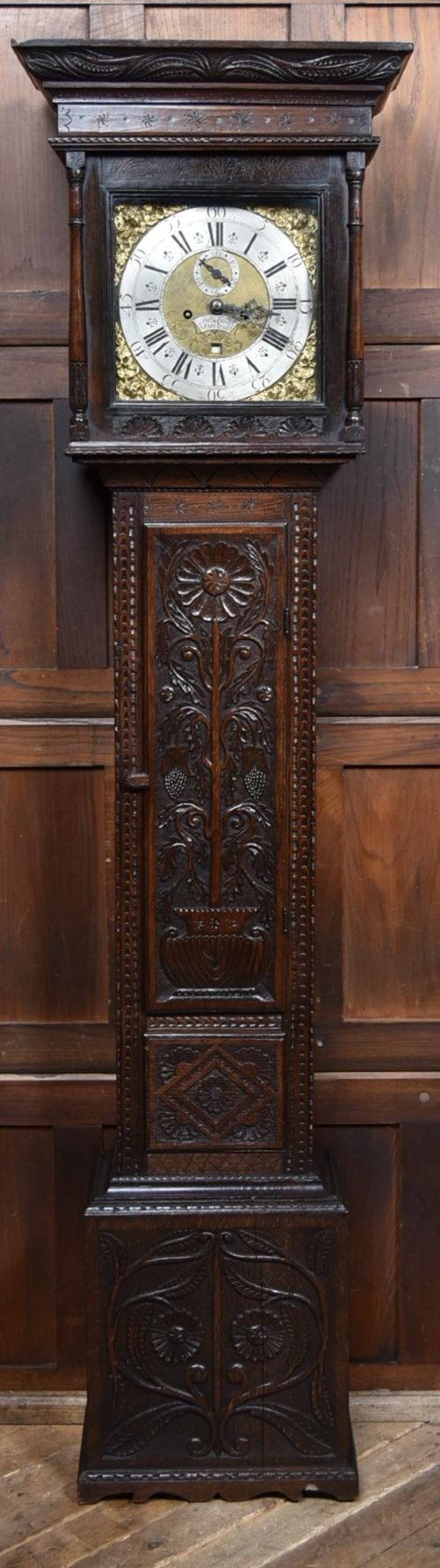
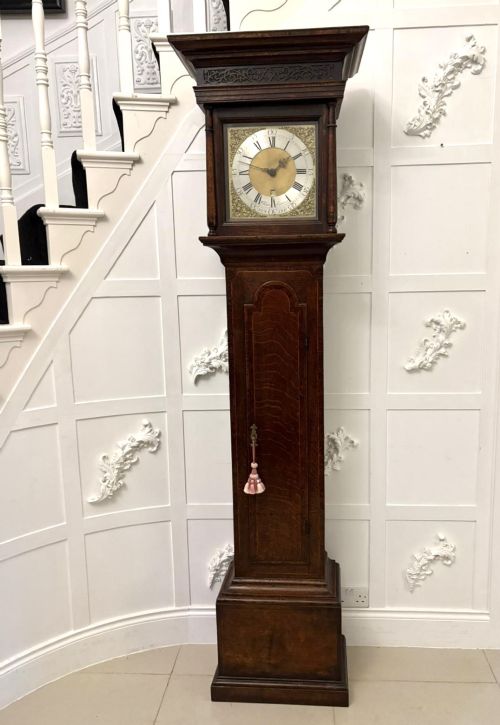
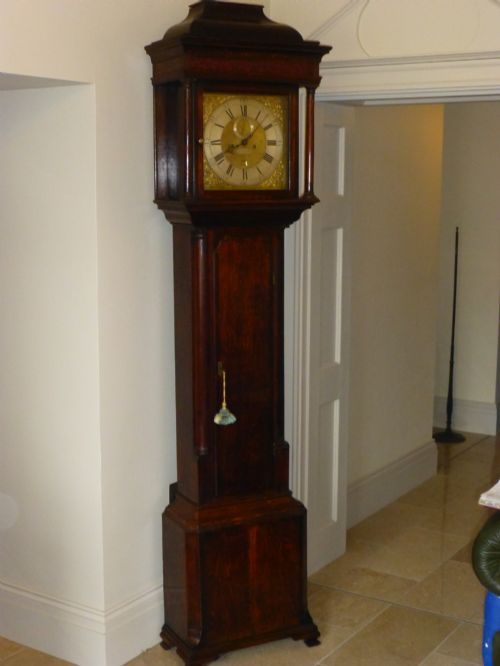
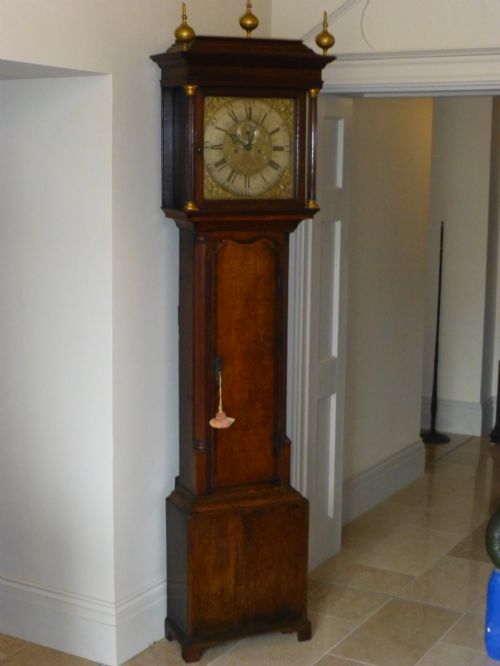
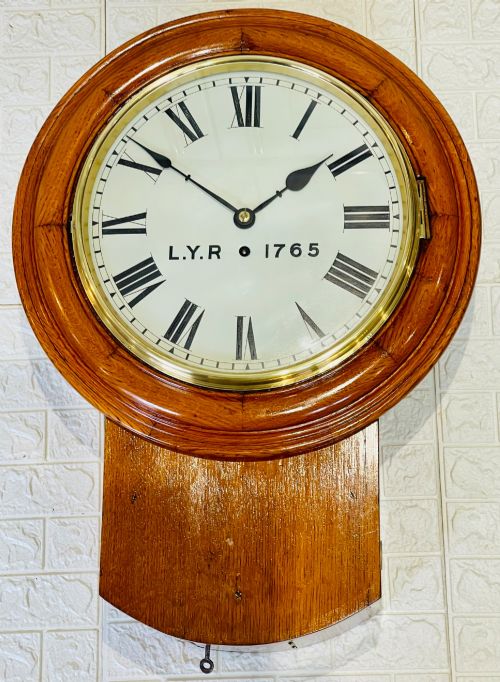
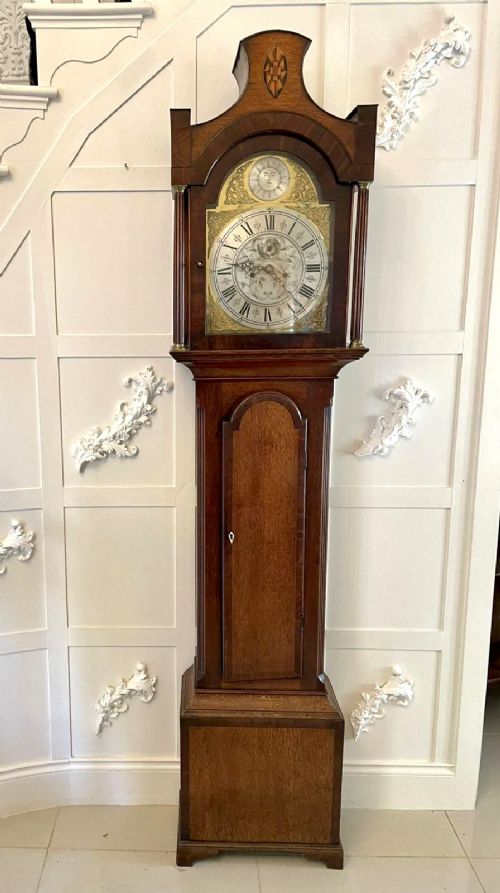
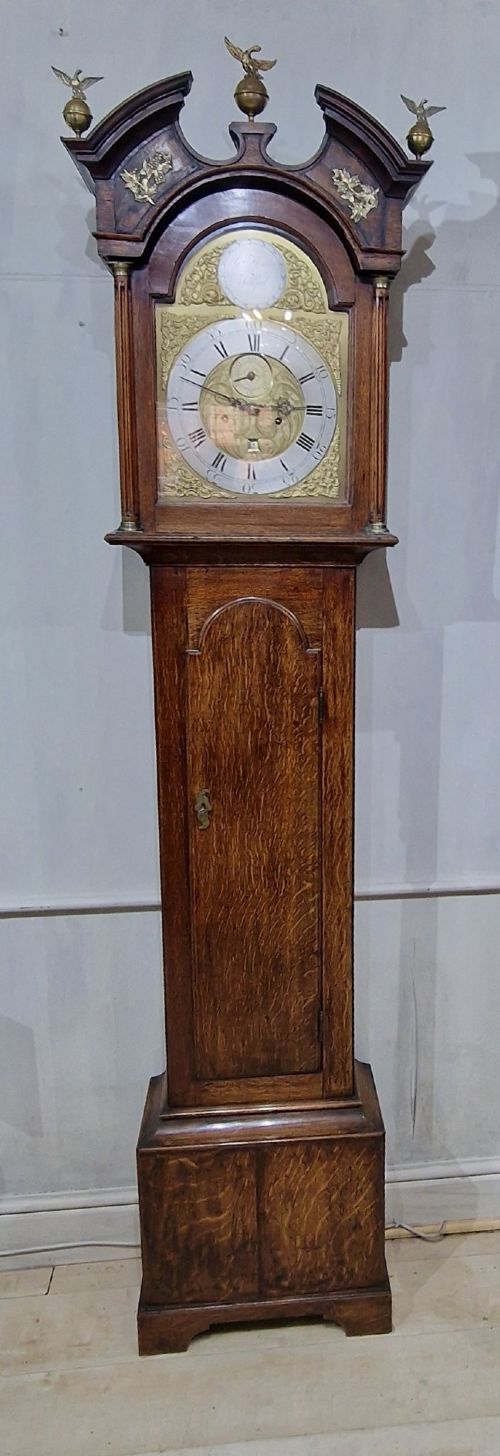
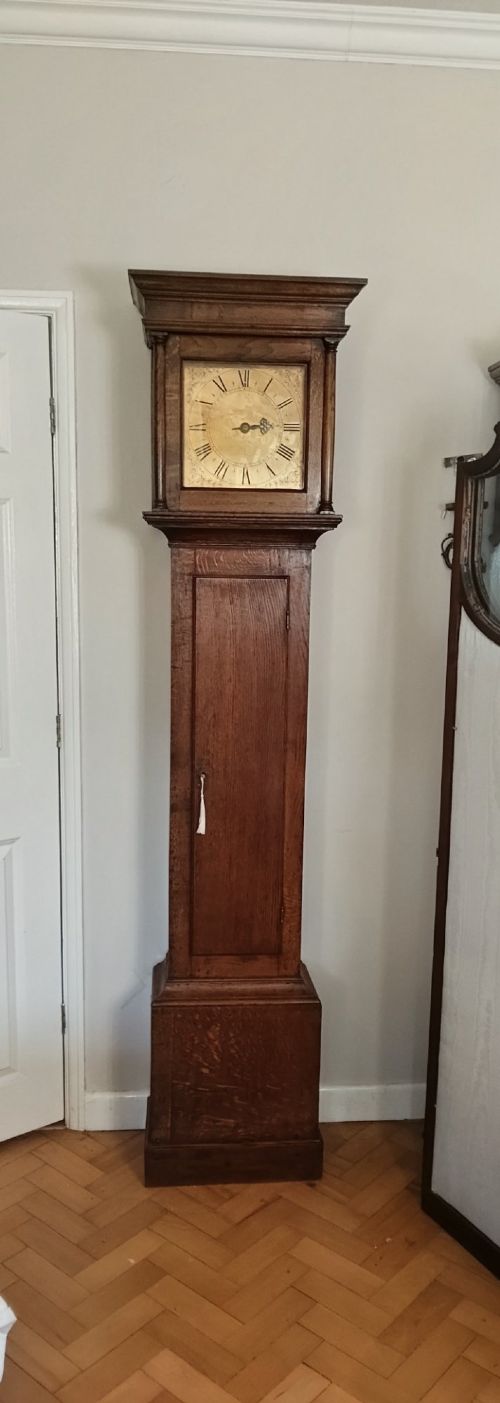
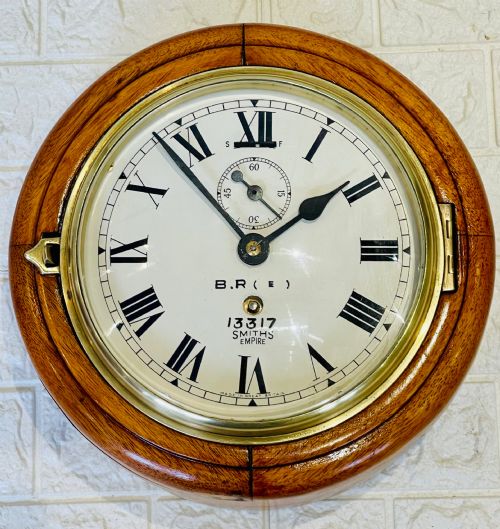
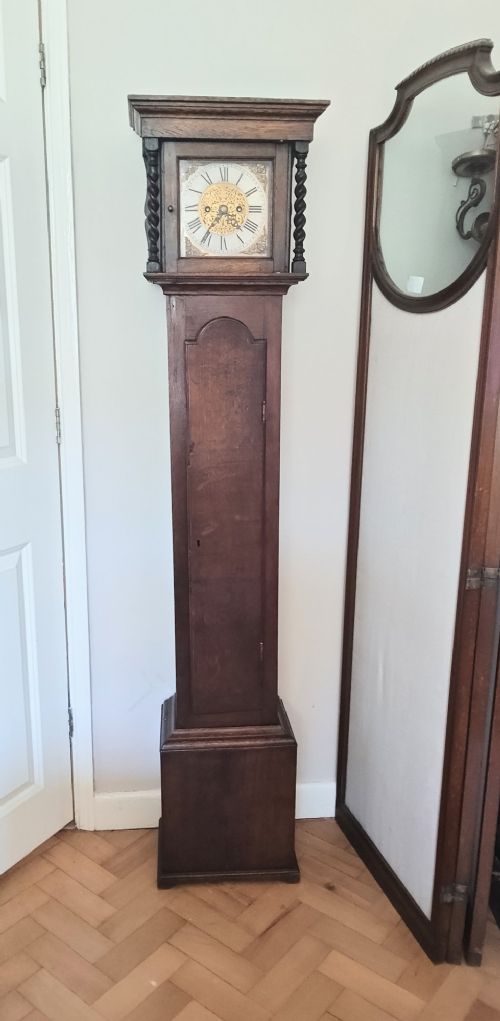
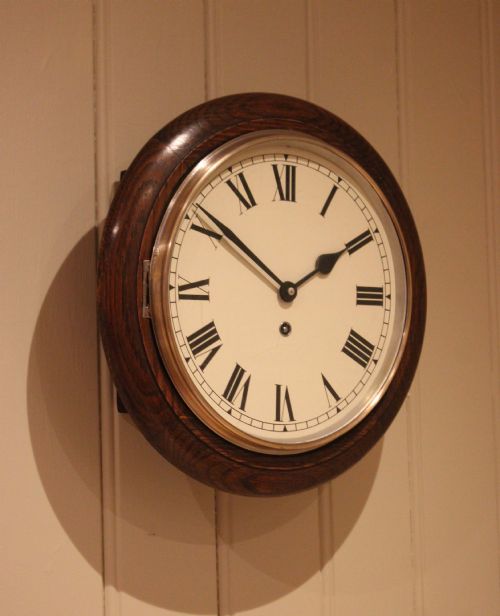
When you search for an antique oak dial clock, you encounter timepieces built to tell the hour in homes, offices and railway stations across centuries. The pieces on this page span wall-mounted circular dials, tall floor-standing longcases and compact bracket clocks.
The dominant forms you meet are heavy-cased longcases and wall-mounted dial clocks designed for clear legibility. These items rely on oak cases paired with brass, enamel or painted faces.
Originating largely from British and European workshops, these clocks range from early Georgian country pieces to twentieth-century railway and office timekeepers. The variety reflects shifts in domestic and industrial utility over generations of clockmaking.
Materials and construction
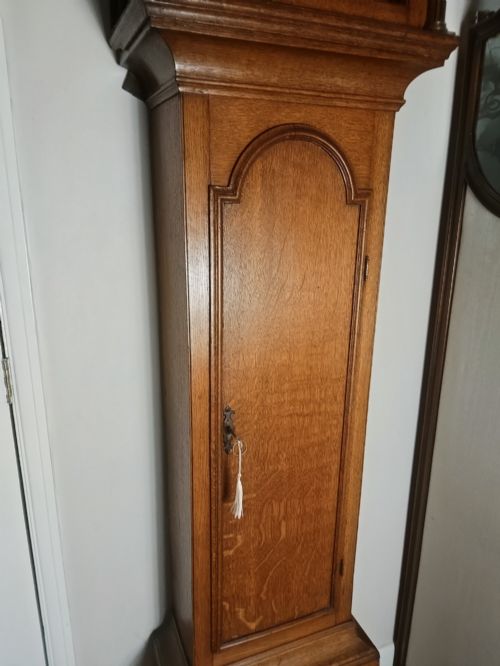
Makers constructed these clock cases using solid oak, occasionally incorporating burr oak, walnut or mahogany veneers for visual depth. The timber was seasoned, joined and carved by hand to house the delicate mechanical movements securely.
Dial faces incorporate brass, silvered metal, glass and painted enamel to display the hours clearly. Movements rely on brass and steel gears, powered by weights, springs or chain-driven fusee mechanisms.
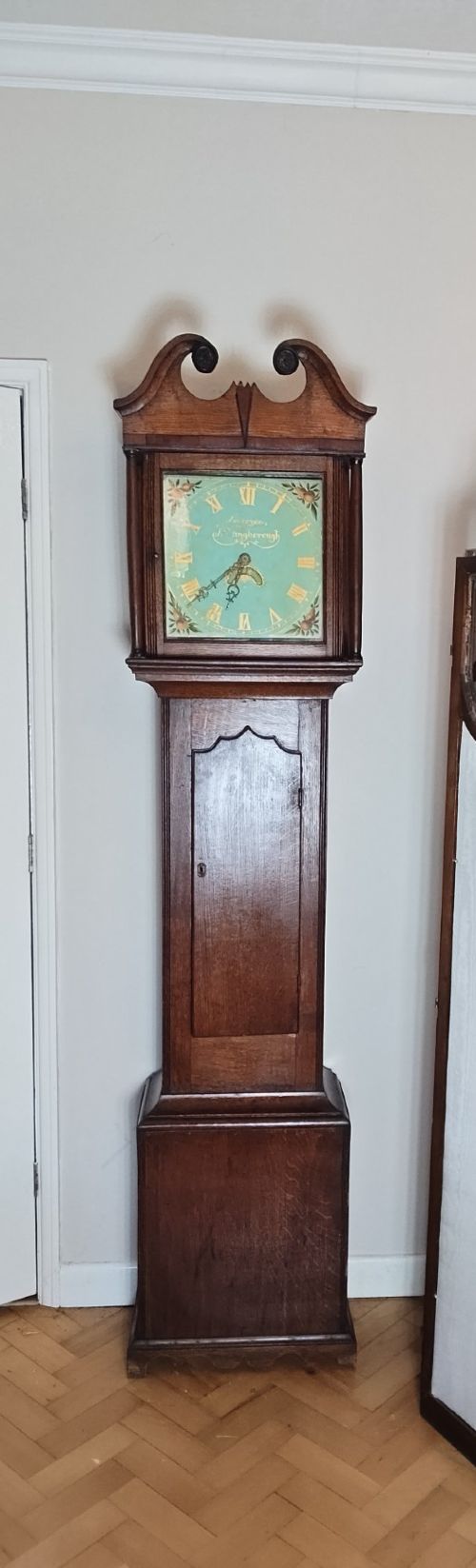
One cheerful longcase clock arrives ready to chime in a distinct duck egg blue finish.
Distinctions in quality
Quality rests in the crispness of the case carving, the precision of the dial engraving and the complexity of the movement within. Superior examples display careful joinery and well-finished brass work that withstands decades of service.
The distinction between a standard utility clock and a finer piece often lies in the maker's attention to movement refinement, such as fusee mechanisms or musical chiming arrangements, rather than mere decorative flourish.
Lee of Great Marlow·Jn Smith Macclesfd·Richard Corless of Stockport·Smith of Chester·James Hendrie Falkirk·George Hallifax Of Doncaster·Winterhalder and Hofmeier·Thomas Webbe of New Quay·Gustav Becker·Anthony Binks
The Antique Oak Dial Clock Glossary
- Dial
- The visible face of the clock where the numbers and hands display the time. It is often protected by a brass bezel and a hinged glass door.
- Fusee
- A conical pulley used in spring-driven clocks to maintain equal power as the mainspring unwinds. This mechanism improves the timekeeping accuracy of the movement.
- Longcase clock
- A tall floor-standing timepiece, commonly known as a grandfather clock, housing a weighted movement and pendulum within a vertical wooden trunk.
- Escapement
- The mechanical linkage that translates the swing of the pendulum into controlled pulses for the gears. It produces the characteristic ticking sound of the clock.
- Bracket clock
- A portable table or shelf clock originally designed to sit upon a wall bracket. These pieces often feature intricate wooden cases and striking movements.
Antique Oak Dial Clock: Frequently Asked Questions
How do I wind an antique dial clock?
Most mechanical clocks require a key inserted into the dial face to wind the springs or draw up the weights. Turn the key gently until you feel resistance, taking care not to overwind the movement.
Consult the specific mechanism type before starting, as chain-driven fusee clocks require a steady hand to pull the chains downward without damaging the internal gearing.
Where should I hang a wall dial clock?
Choose an interior wall free from dampness, direct sunlight and heavy vibrations. Wall-mounted dial clocks need a secure fixing directly into masonry or wall studs to support the weight of the oak case.
Hang the clock at eye level so the dial is easily visible, and ensure the wall is flat so the pendulum hangs plumb and the beat remains even.
Why does my clock gain or lose time?
Mechanical clocks are sensitive to temperature changes, humidity and the settling of the building over time. Small variations in the swing of the pendulum alter the speed of the gear train.
Regulation is achieved by adjusting the small nut on the pendulum rod to lower or raise the bob, slowing down or speeding up the beat until it matches true time.
How do I identify the period of an oak clock?
Examine the construction methods of the oak case, the style of the numerals on the dial and the shape of the hands. Georgian pieces often display simpler brass chapter rings, while Victorian and Edwardian examples incorporate different woods or railway markings.
Signatures inscribed on the dial or movement backplate often point directly to the maker and the active era of the workshop.