
Antique Miniature Artwork
Antique miniature artwork packs astonishing portraiture and delicate painting into tiny compasses, catching the eye with centuries of human likeness.
What antique miniature artwork is
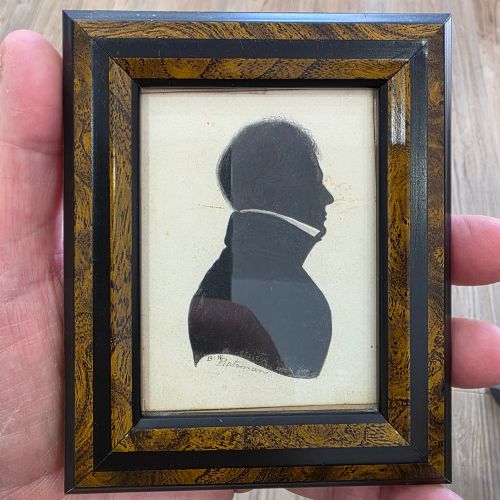
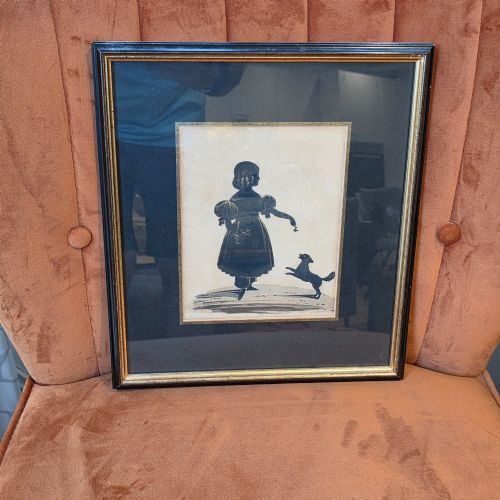
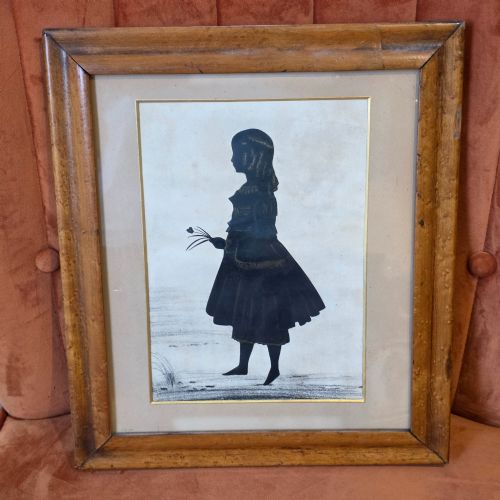
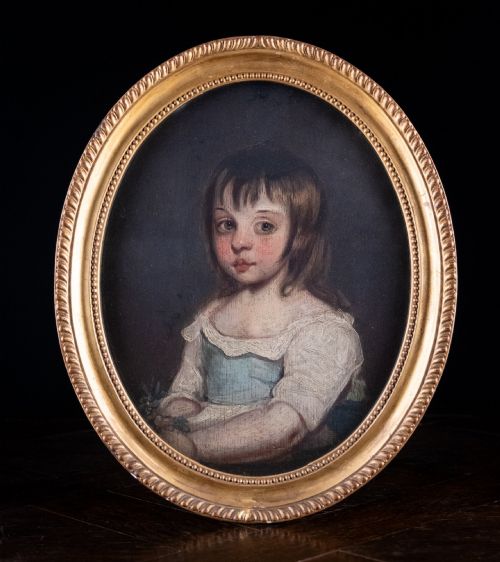
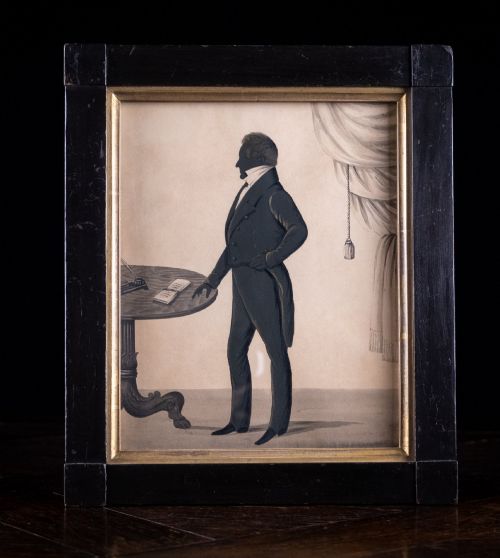
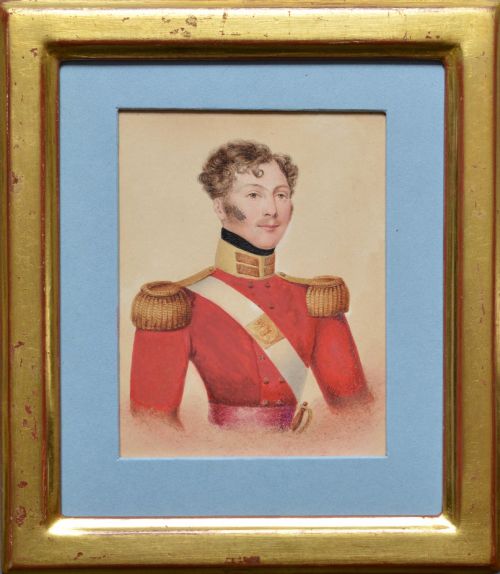
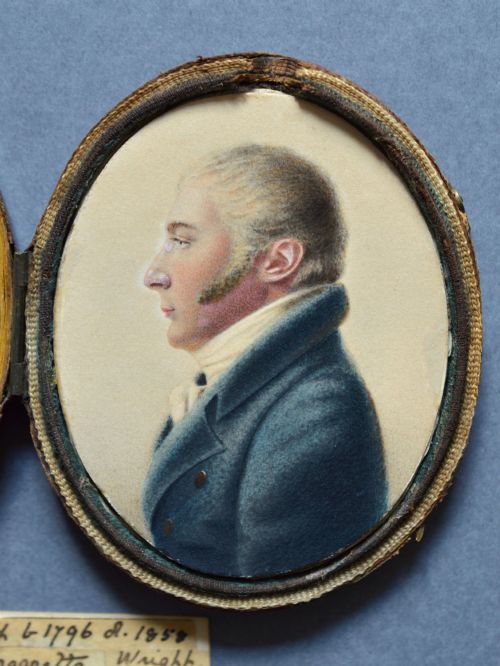
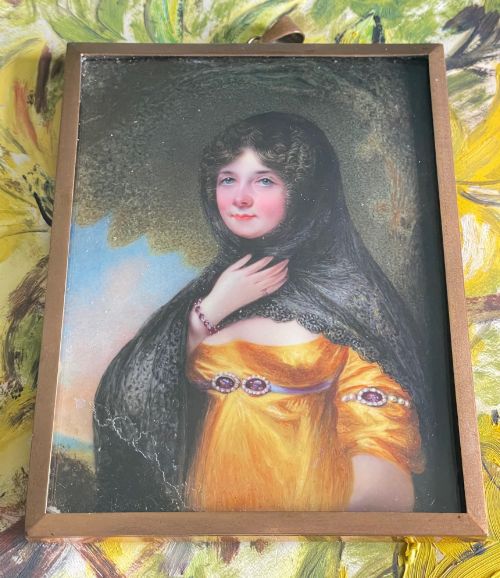
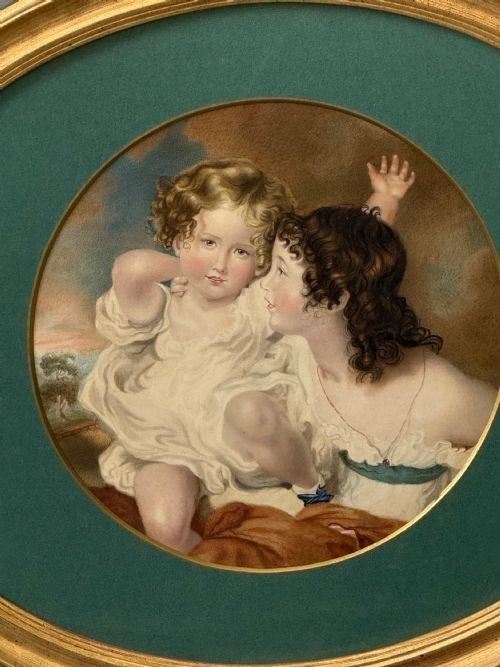
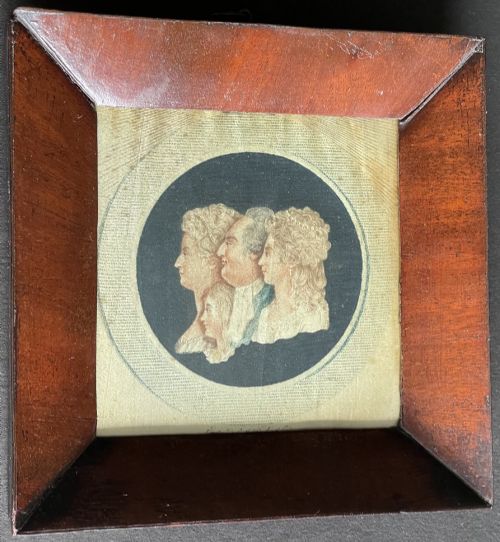
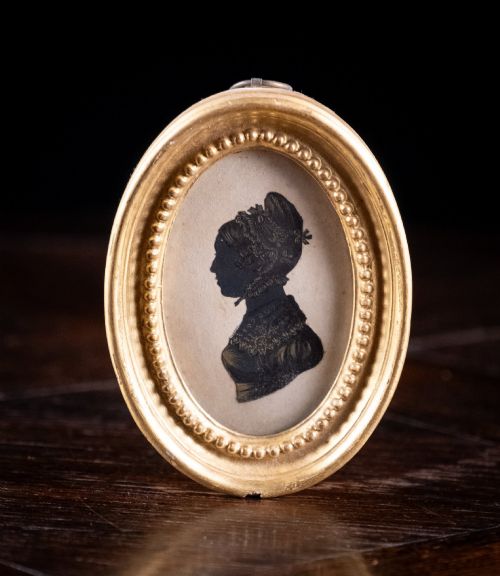
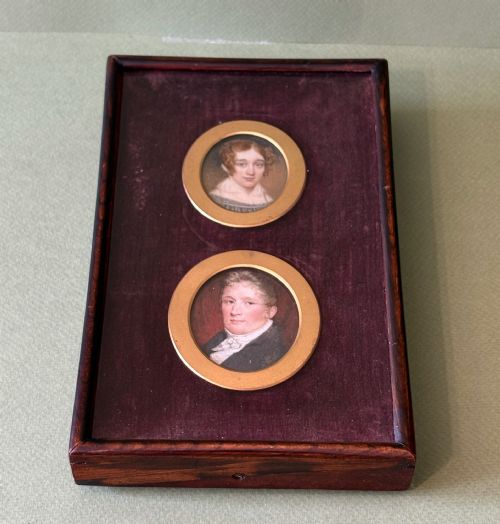
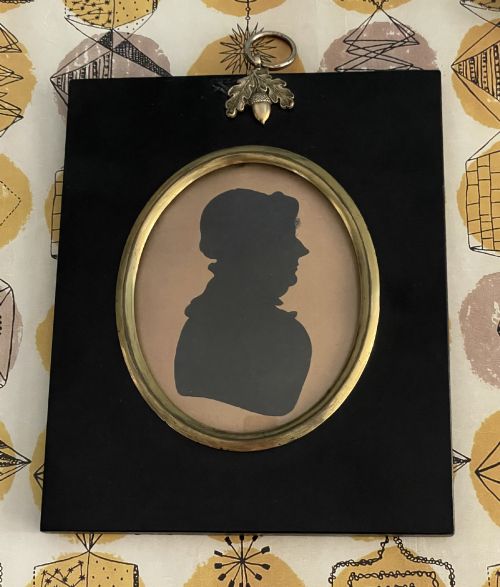
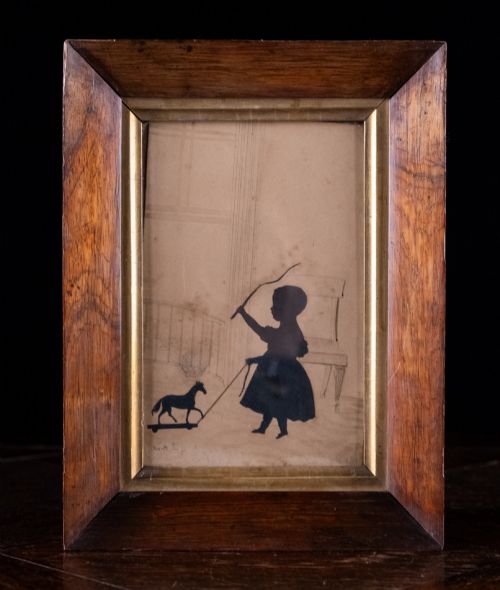
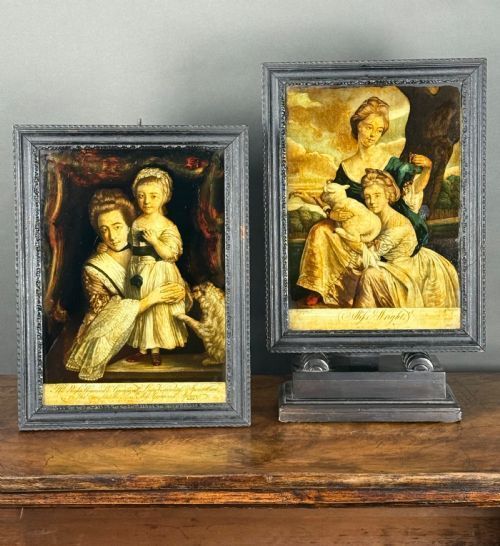
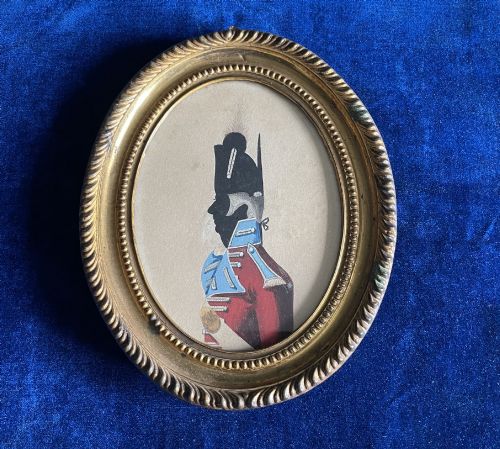
The pieces listed here showcase both portrait miniatures and wall art created in diverse formats. Surviving examples range from naive nineteenth century studies to sophisticated works by named artists like Susie Lassam and Richard Cosway.
Portraits of leading comic actresses, young ladies with ringlets, and flapper women dominate the selection. These small masterpieces provide a direct window into past fashions and personal portraiture traditions.
How they were made
Makers housed these fragile paintings in protective enclosures made of brass, gilt metal, gilt brass, and giltwood. Many pieces incorporated curved glass frontispieces to shield the delicate pigments from dust and handling.
Retail Price Guide 2026
Typical UK retail prices for miniature artwork, calculated from the Sellingantiques database of over a million retail prices indexed since 2003. This retail price guide relies exclusively on Sellingantiques data; no external sources or auction records are used, so the figures do not describe the wider market.
Some sitters stared down the centuries with such intense ringlets that even the flappers of the twenties had to approve.
What varies in quality
Quality rests in the precision of the brushwork and the psychological depth of the sitter's expression. Master painters captured living character and fine details like ringlets or lace with astonishing fidelity, whereas naive works relied on simpler charm.
The sophistication of the surrounding frame also marks the grade of the piece, with heavy gilt brass and chased metalwork elevating the presentation. Original glass and undisturbed mountings separate untouched survivors from later assembled pairings.
The Antique Miniature Artwork Glossary
- Portrait miniature
- A small-scale painting, usually a portrait, executed with high detail on media such as board or card. These portable objects were often worn or carried by loved ones.
- Watercolour
- A paint medium using water-soluble pigments that produces translucent washes. It was frequently employed on paper or board for delicate nineteenth century miniatures.
- Gilt brass
- A base metal alloy coated with a thin layer of gold to give a rich metallic sheen. It provided durable and decorative framing for small artworks.
- RMS RA
- Initials denoting professional artistic membership in bodies such the Royal Miniature Society and the Royal Academy. Such credentials marked accomplished painters of the period.
Frequently Asked Questions
How were miniature portraits displayed?
Makers housed these small paintings in specialised metal frames made of brass, gilt brass, or giltwood. Many included protective glass coverings and rings for suspension or tabletop display.
Their diminutive scale allowed owners to carry them discreetly or group several together on a drawing room wall for intimate contemplation.
How do I date a miniature painting?
Dating relies on the sitter's costume, hair styling, and the framing materials characteristic of specific eras. Georgian examples often feature powdered hair or elaborate caps, while Victorian pieces display distinct ringlets.
Art Deco works introduce twentieth century subjects like flapper women and named artists working in distinct modernist modes.
Who painted these miniatures?
Makers ranged from professional artists holding royal society memberships to anonymous naive painters. Some pieces emerged from circles associated with celebrated portraitists like Richard Cosway.
Signed works or identifiable studio hands provide direct links to the skilled practitioners who dominated portraiture across successive centuries.