


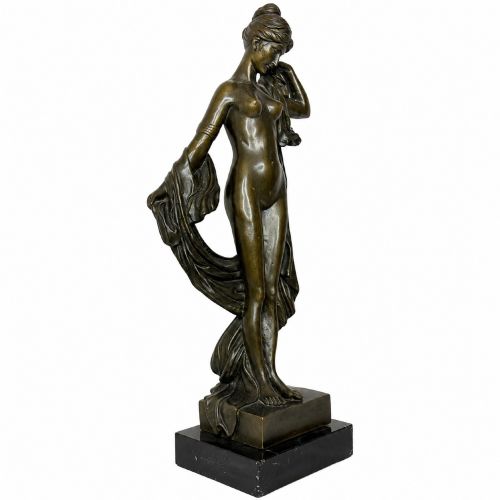
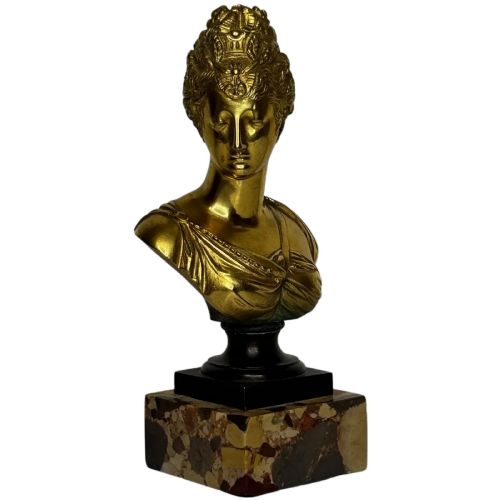
Antique Metal Figure
An antique metal figure brings domestic classical presence and historic casting craft directly to a mantelpiece.
Antique Metal Figure
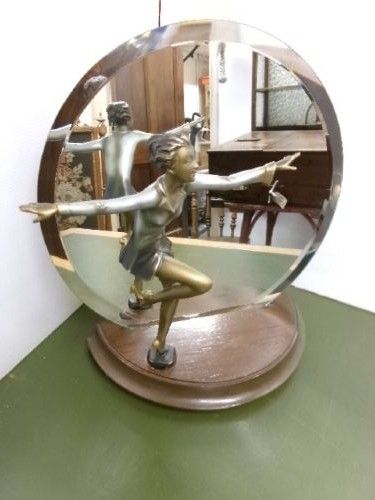
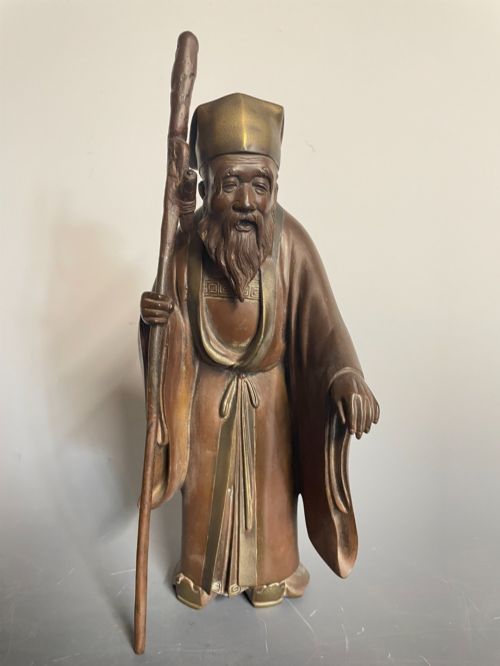
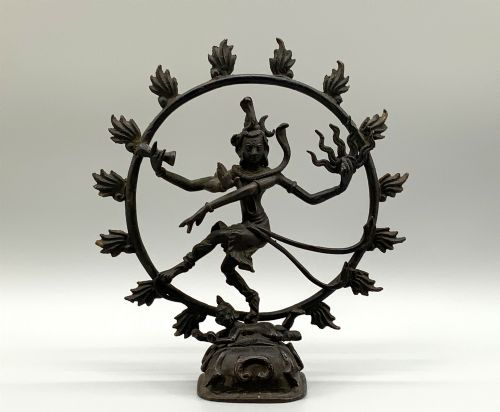
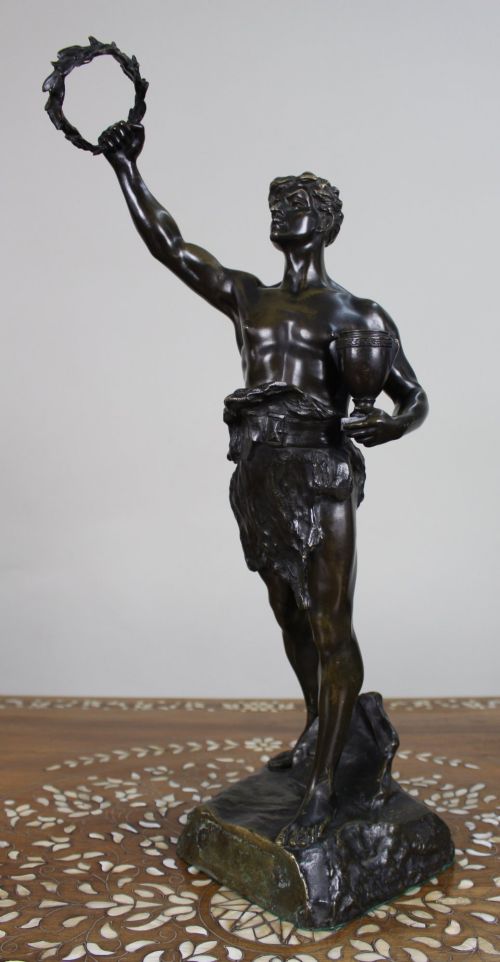
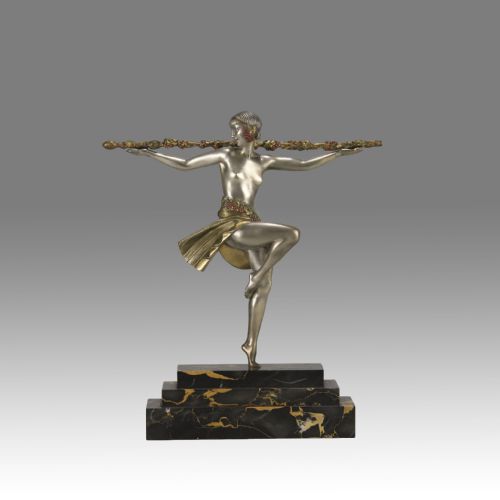
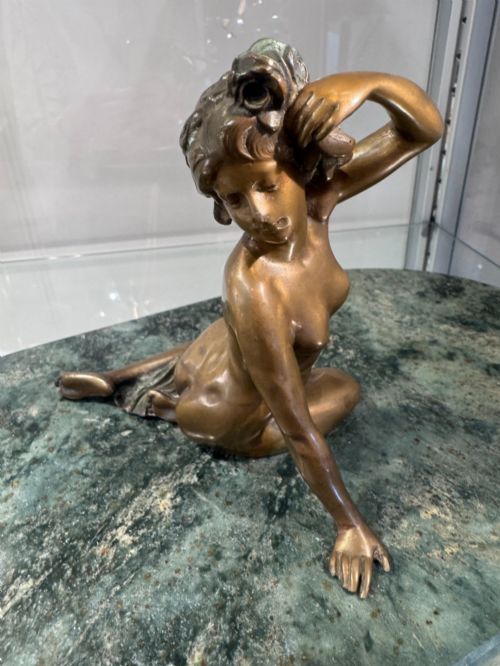
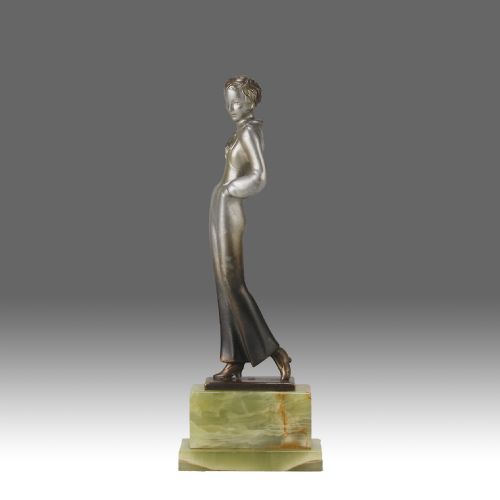
An antique metal figure encompasses sculpted representations of human, animal, and mythological subjects cast in bronze, spelter, brass, and pewter. These objects span periods from the 17th century through to the Art Deco and Art Nouveau movements of the early 20th century, alongside works originating from Meiji period Japan and South Asia.
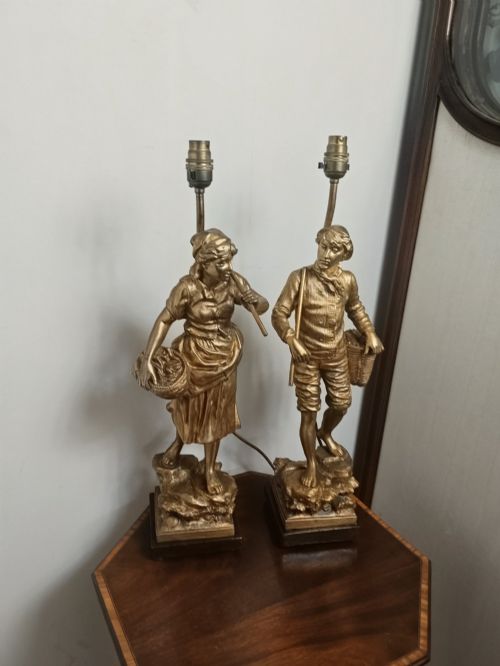
Buyers frequently encounter 19th-century French bronzes, patinated spelter table lamps, and animalier studies of birds and beasts mounted upon marble bases. The selection also includes Grand Tour souvenirs and decorative doorstops reflecting domestic utility.
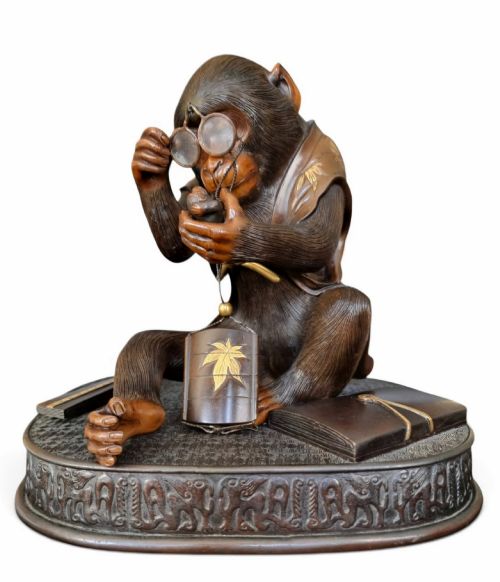
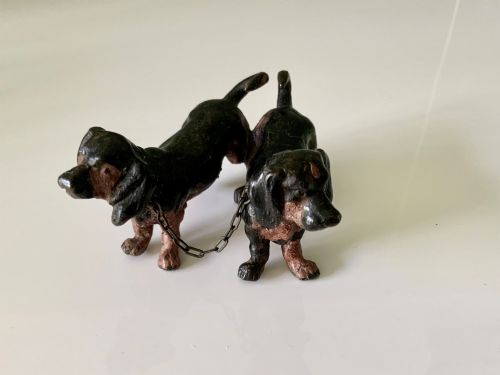
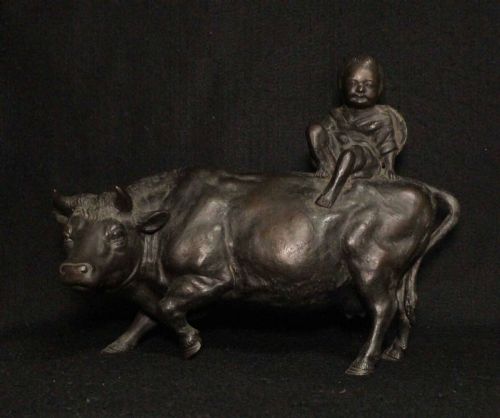
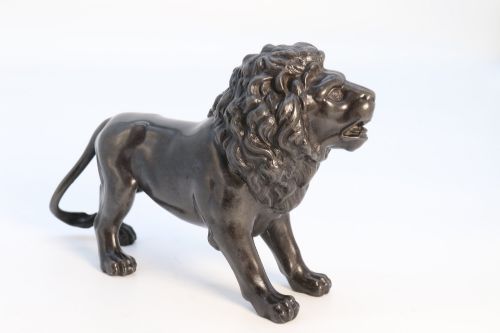
Forms vary widely from intimate okimono and classical lions to large figural groups and gilt-bronze deities, showing the diverse global traditions captured within the category.
Materials and casting methods
The objects are primarily produced through metal casting techniques, utilising bronze, gilt bronze, spelter, and brass. Cold-painted surfaces and patinated treatments provide colour and texture to the metal skin.
Many sculptures incorporate secondary materials such as marble bases, hardstone inlays, wood, and glass elements to support or house the metallic form.
The inventory contains works from the 16th century through to mid-century modern animalier sculptures.
Assessing quality in metal sculpture
Quality rests upon the crispness of the original chasing and the fidelity of the cast to the sculptor's intended detail. Finer works display meticulous surface finish, subtle patination, and coherent proportions without loss of definition in extremities or drapery.
The integrity of the mount, whether an integral bronze plinth or a fitted marble and slate base, distinguishes workshop standards. Signed pieces and attribution to established makers elevate the standing of the casting significantly.
Pierre le Faguays·Josef Lorenzl·E Rousseau·F.Milliot·Claude Michel Clodian·E Villanis·L & F Moreau·Christophe Fratin·Emile Carlier·Henri Godet
The Antique Metal Figure Glossary
- Animalier
- Art depicting realistic animals, particularly popular during the 19th century through French and European foundries.
- Spelter
- A zinc alloy frequently utilised as a cost-effective substitute for bronze, often given a bronzed or painted finish.
- Cold-painted
- A technique where paint is applied to cold metal without subsequent firing, common in Austrian and continental figures.
- Okimono
- A Japanese decorative object or carved figure designed for display on a shelf or tokonoma.
- Patination
- The natural or chemical surface oxidation film that develops on metal over time, influencing colour and depth.
Antique Metal Figure: Frequently Asked Questions
How do I distinguish bronze from spelter?
Bronze is heavier, colder to the touch, and rings with a clear tone when struck gently. Spelter is softer, lighter, and often reveals a silvery grey metal beneath chips in the patinated surface.
Examining the underside or discreet areas often reveals the base metal colour more clearly without harming the piece.
What does cold-painted mean?
Cold-painted refers to metal figures decorated with oil or enamel paints applied directly to the surface without high-temperature firing. This method yields vibrant polychrome finishes characteristic of early 20th-century decorative pieces.
Care must be taken during cleaning, as moisture and modern solvents can easily lift these delicate historical pigments.
How should I clean an antique metal figure?
Dusting gently with a soft, dry brush is sufficient for routine maintenance. Avoid water, harsh polishes, and chemical cleaners that strip away original patination and historic wax finishes.
Preserving the aged surface skin safeguards both the visual character and the long-term integrity of the metal.
Where were most 19th-century figures cast?
France dominated European metal sculpture production during the 19th century, with numerous foundries operating around Paris. These workshops produced everything from classical Grand Tour reductions to contemporary animalier studies.
Other notable centres included Britain, Austria, and specialised studios in Japan for export bronzes and okimono.