





Oriental Metal Decor
These pieces of oriental metal decor bring heavy bronze, brass, and copper into a room with distinct regional forms.
Oriental Metal Decor
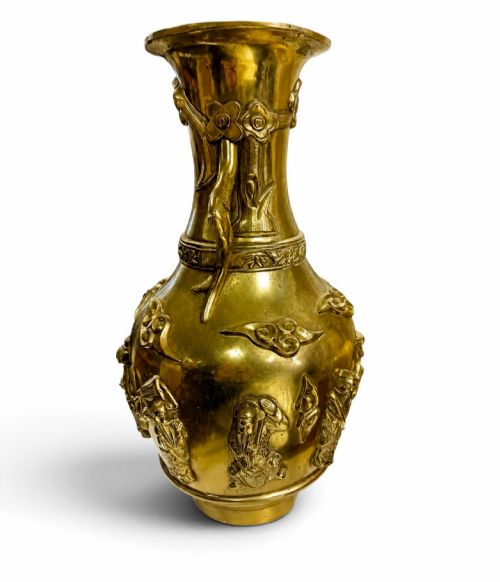
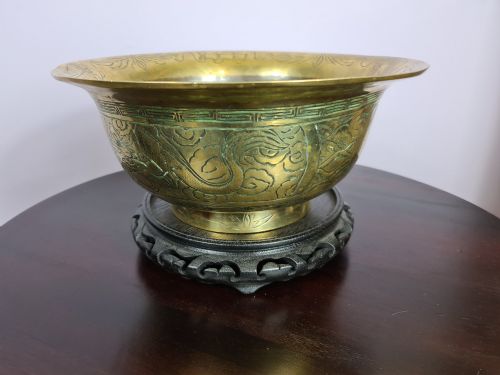
Buyers seeking oriental metal decor encounter items ranging from large baluster vases to temple lions and decorative bowls. The selection includes pieces spanning the Victorian era, Edwardian period, and the early twentieth century.
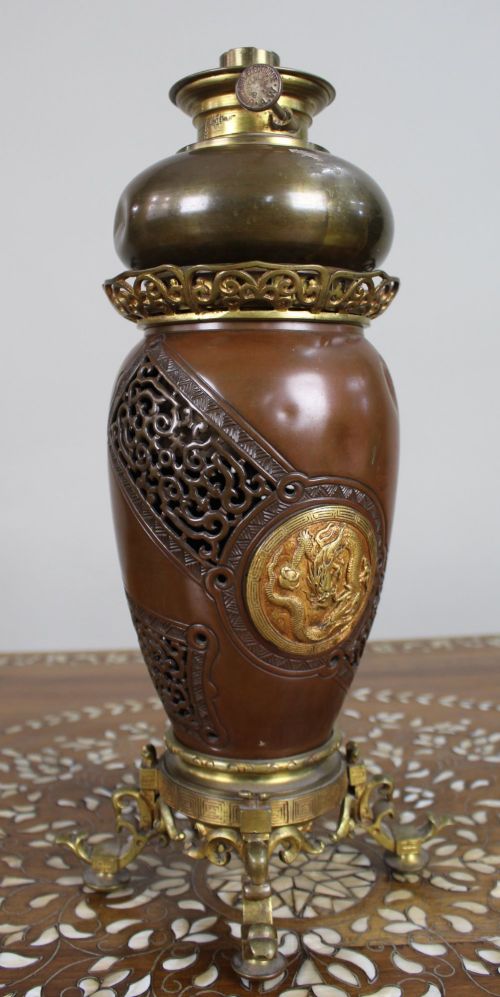
Most examples originate from Japanese, Chinese, and Kashmiri workshops. The forms encompass bronze statues, brass jardinieres, and cloisonne plaques with distinct cultural motifs.
Objects on this page display specific regional techniques, from high-relief casting to detailed enamel work. These items function primarily as decorative centrepieces or vessels within domestic interiors.
Materials and construction
Artisans utilised copper alloys, bronze, and brass to form the primary structures of these vessels and sculptures. Casting methods allowed for high-relief figures and heavy, durable wall sections.
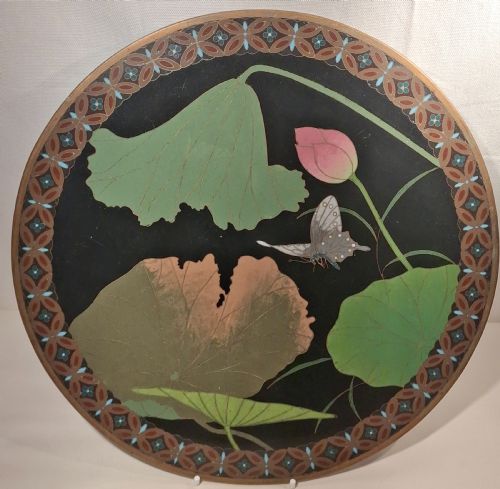
Surface decoration frequently incorporates paint and enamel, particularly in cloisonne work where metal wires create cells for coloured pastes. Mixed metal techniques also appear on Japanese bronzes from the Meiji period.
Oriental Metal Decor Retail Price Guide 2026
Typical asking prices for oriental metal decor among the pieces listed under this phrase on Sellingantiques today, from the lower quarter to the upper quarter. They describe what is for sale here now, not the wider market.
Periods represented span from the late nineteenth century through the Edwardian era up to 1930.
Markers of distinction
Quality rests upon the crispness of the casting and the depth of the relief work. Pieces featuring intricate depictions of figures and foliage demand greater skill from the metalworker.
The precision of the enamel application and the weight of the bronze or brass foundation determine the overall substance of the object. Subtleties in the finish separate standard production items from finer studio pieces.
The Oriental Metal Decor Glossary
- Cloisonne
- Enamelling technique where thin metal wires are soldered to a metal base to create compartments filled with paste and fired. This method produces intricate colourful patterns across plaques and vases.
- Baluster vase
- Tall vessel form with a rounded body that tapers towards a narrow neck and flares at the rim. Such profiles appear frequently in nineteenth-century Chinese metalwork.
- Jardiniere
- Large decorative container designed to hold potted plants or serve as a standalone basin. These heavy metal pieces often feature cast relief decoration around the exterior.
- Meiji Period
- Japanese historical era lasting from 1868 to 1912 noted for high levels of metalwork and bronze production. Works from this time often display sophisticated mixed metal techniques.
- Xuande Base Mark
- Identifying stamp referencing the Xuande Emperor's reign, frequently utilised as an honourable mark on later Chinese bronze and copper-alloy vessels.
Oriental Metal Decor: Frequently Asked Questions
What metals are used in these decorative pieces?
The objects utilise bronze, brass, copper, and copper alloys for their primary structures. Enamel and paint also appear on specific surfaces.
These materials provide the heavy weight and durable qualities expected in traditional casting.
How do I identify a Meiji period bronze?
Meiji period bronzes originate from late nineteenth and early twentieth-century Japan. They often feature mixed metal details and accomplished casting.
Look for refined surface textures and distinct regional motifs associated with Japanese workshops.
Where were these metal items displayed?
Owners typically placed these vessels and sculptures on prominent surfaces within reception rooms. Jardinieres held indoor plants while large vases stood on floors or heavy furniture.
Temple lions and statues acted as focal points in domestic settings.
How do I tell Chinese and Japanese pieces apart?
Chinese pieces often incorporate distinct motifs such as Daoist immortals or dragon base marks. They frequently utilise high-relief copper alloys and heavy brass forms.
Japanese items from the Meiji period frequently showcase cloisonne plaques and mixed metal bronze constructions.