







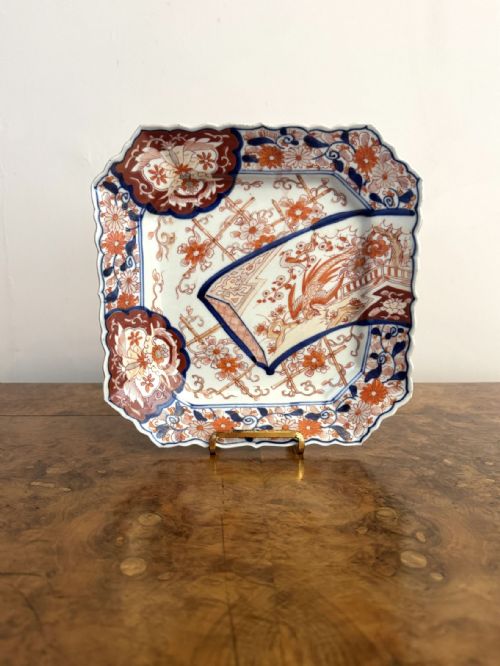
Antique Japanese Ceramic Display
These pieces for antique japanese ceramic display bring centuries of skilled firing and hand painting into modern rooms.
Antique Japanese Ceramic Display
An antique japanese ceramic display piece brings decorative porcelain and earthenware into living spaces through plates, chargers, bowls, and vases. These objects originate largely from the Meiji period, nineteenth century, and early twentieth century, reflecting traditional kiln practices.
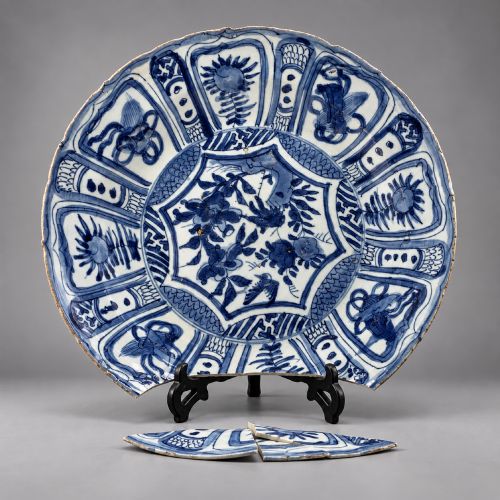
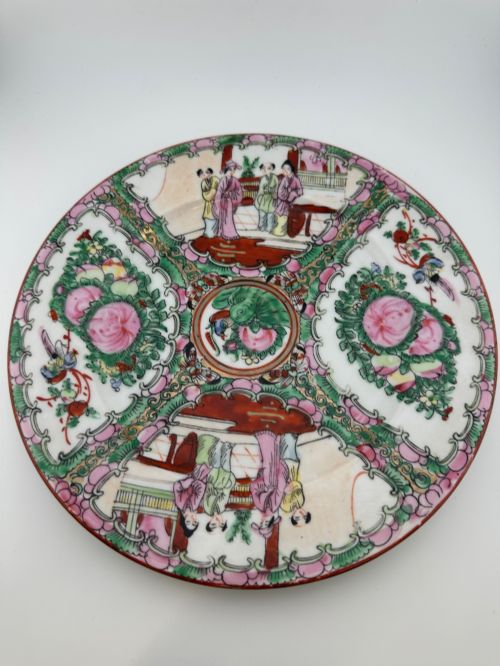
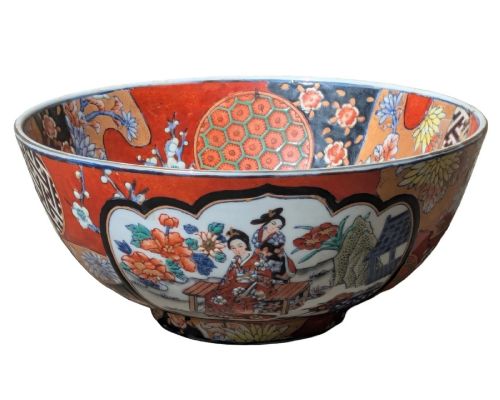
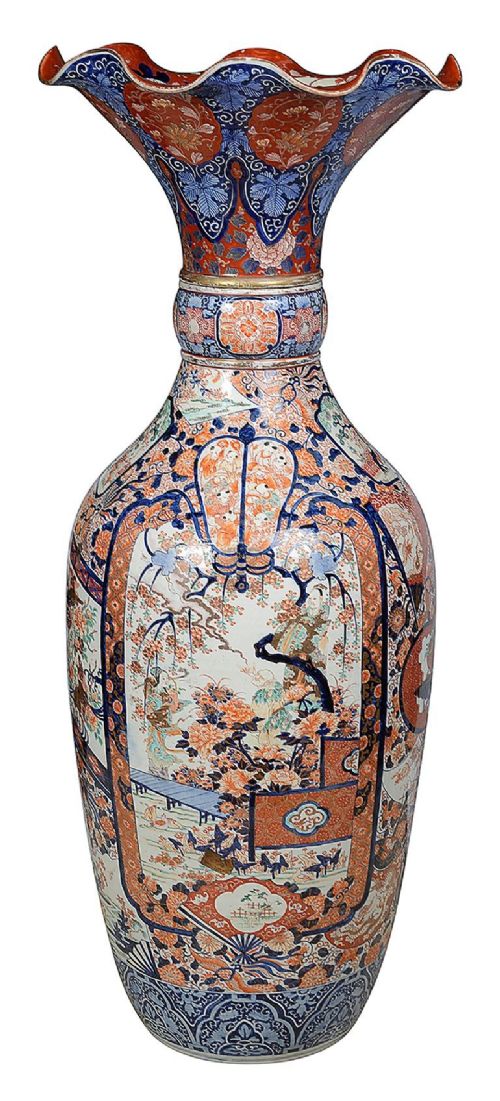
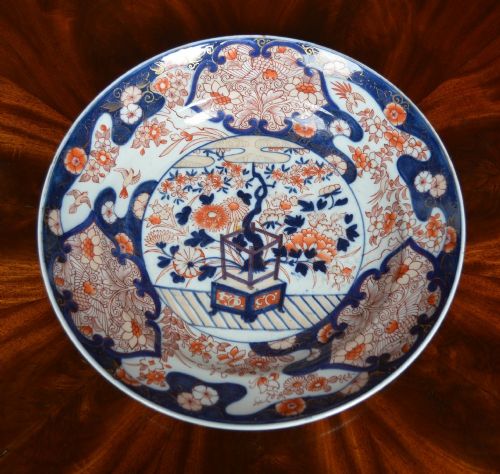
The form most commonly met on this page is the Imari charger or plate, alongside Satsuma bowls and Arita lidded vases. Makers arranged floral, bird, and figure motifs across circular, square, hexagonal, and scalloped edges intended for visual presentation.
Pieces span eras from the Edo period through to the Showa period, intersecting occasionally with nineteenth-century British Aesthetic Movement interpretations. Buyers encounter diverse scales, ranging from cabinet plates to floor-standing vases.
How they were made
Potters shaped porcelain and earthenware bodies on the wheel or by hand before applying underglaze blue, enamel colours, and gilding. Kiln firing fixed the vitrified body and set the mineral pigments permanently into the glaze.
Surface decoration frequently incorporated gold leaf and delicate enamel work over white or blue-and-white porcelain grounds. Skilled artists painted intricate details such as exotic birds, floral arrangements, and mythical figures directly onto the fired surface.
Listings span multiple production eras, encompassing nineteenth-century Victorian pieces alongside Edo, Meiji, Taisho, and Showa periods.
What varies in quality
Quality rests upon the precision of the hand painting and the complexity of the enamel and gold leaf application. Finer examples display meticulous brushwork on well-balanced forms, while simpler pieces show broader, more repetitive patterns.
The clarity of the porcelain body and the richness of the palette distinguish standard production items from exceptional workshop output. Signed pieces by recognised Meiji makers often demonstrate superior control over firing and detailing.
Koshida·Kozan
The Antique Japanese Ceramic Display Glossary
- Imari
- A style of Japanese porcelain featuring a distinct palette of underglaze blue, iron red, and gilt highlights. These wares were exported extensively through the port of Imari from the Edo period onward.
- Satsuma
- A type of earthenware with a crackled ivory glaze, typically decorated with polychrome enamels and gilding. Satsuma pottery became prominent during the Meiji period for international export markets.
- Arita
- The Japanese town and surrounding region famous as the birthplace of Japanese porcelain production. Arita kilns supplied durable blue-and-white and polychrome wares for domestic use and trade.
- Charger
- A large decorative plate intended primarily for display on a wall or sideboard rather than for dining. Chargers provide a wide canvas for elaborate narrative or floral compositions.
- Meiji Period
- The era of Japanese history lasting from 1868 to 1912, marked by opening trade with the West and high artistic output in ceramics. Works from this period show great technical ambition.
Antique Japanese Ceramic Display: Frequently Asked Questions
How do I display heavy chargers safely?
Large chargers require sturdy wall hangers designed specifically to distribute weight evenly across the rim. Alternatively, heavy pieces sit securely on deep plate stands placed on solid cabinets or tables.
Avoid placing display items near high-traffic walkways where accidental knocks might dislodge them from their supports.
How do I tell Imari from Satsuma?
Imari wares use hard porcelain bodies with blue-and-white underglaze combined with iron red and gold enamel overglaze. They produce a clear ringing tone when lightly tapped.
Satsuma pieces utilise an earthenware body covered in a finely crackled cream glaze, painted with dense polychrome designs and raised gold work.
Can I wash these ceramic pieces?
Antique ceramics decorated with enamel and gold leaf require gentle dry dusting with a soft brush rather than immersion in water. Moisture can seep into unglazed bases or damage delicate surface gilding over time.
Keep pieces away from direct sunlight to preserve the vibrancy of the historical enamel colours.
What is the Aesthetic Movement connection?
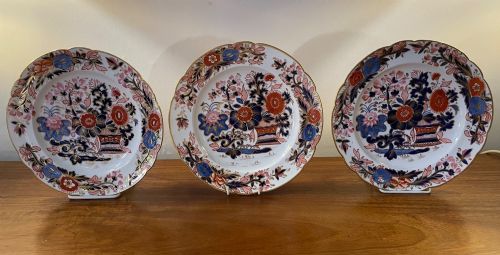
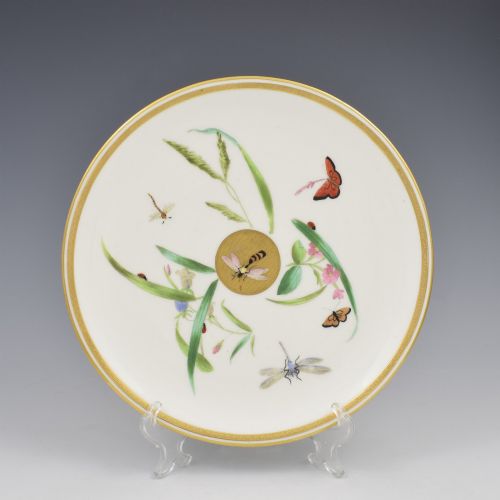
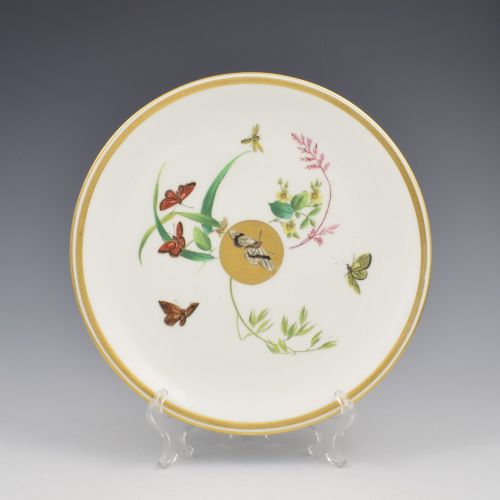
Nineteenth-century European designers drew heavy inspiration from Japanese design principles, creating ceramics that adapted Eastern motifs for Western tastes. Minton dessert plates from this era incorporated Japanese-style sun and butterfly motifs.
These pieces reflect the Victorian fascination with imported art objects following the opening of Japanese trade routes.