
Antique Inlaid Furniture
Antique inlaid furniture brings together cabinet-making and detailed surface decoration across tables, desks, and cabinets from the seventeenth century to the twentieth.
Antique Inlaid Furniture
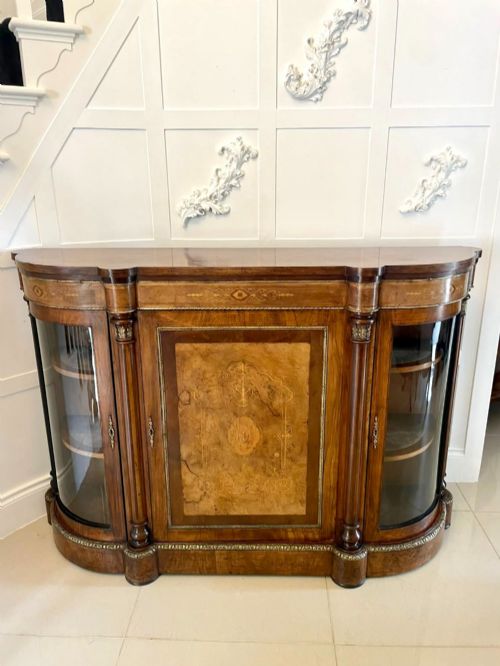
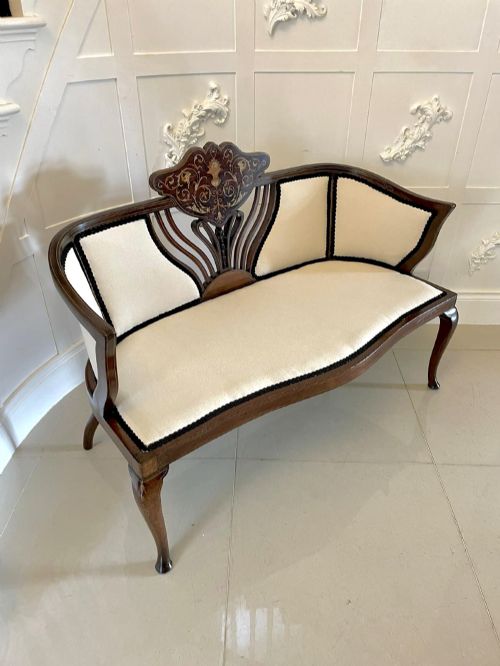
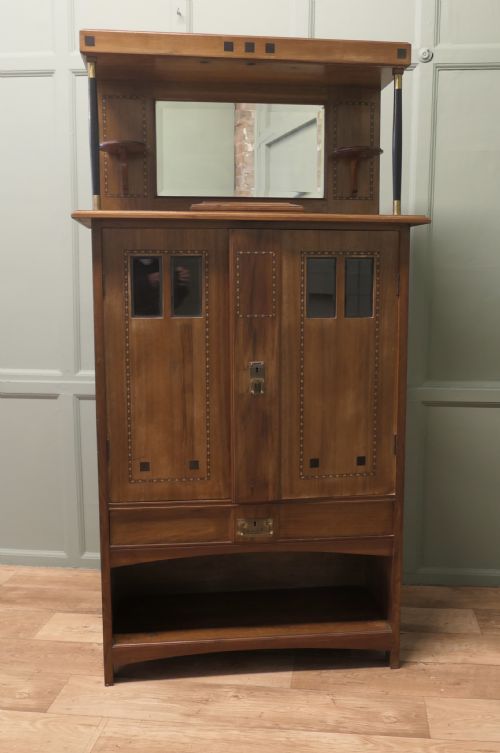
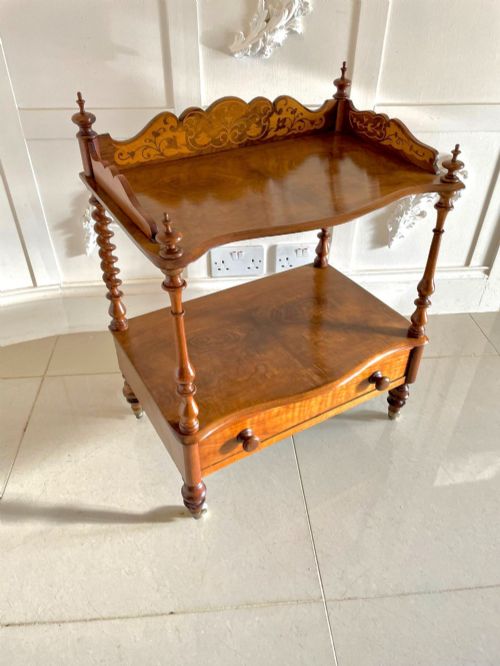
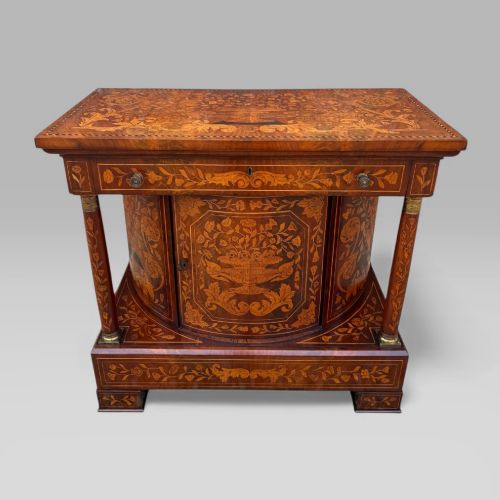
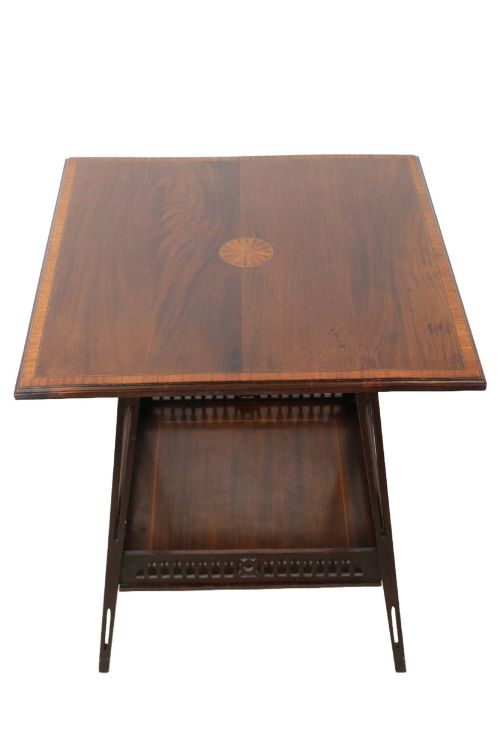
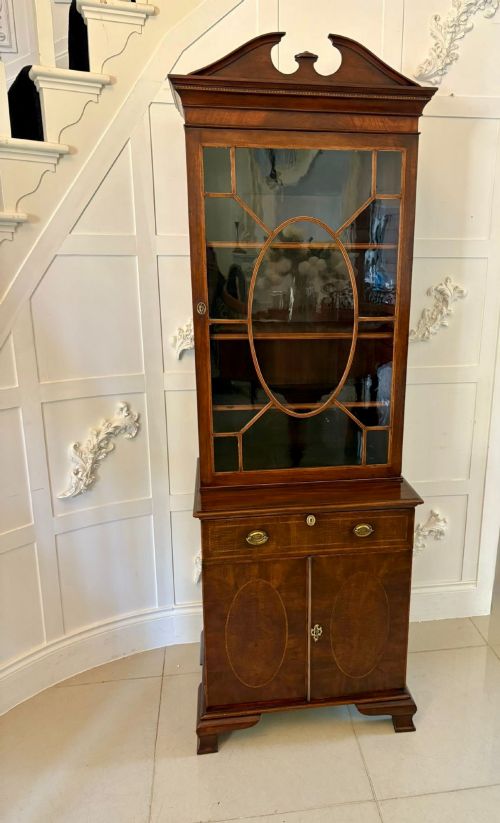
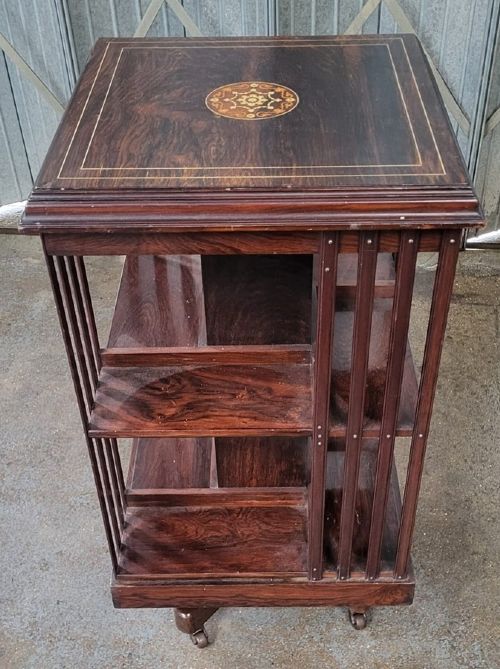
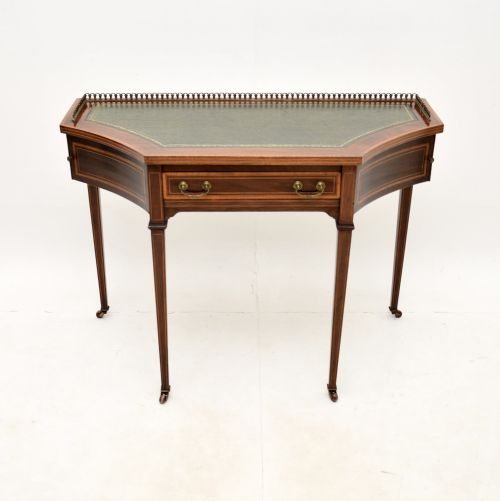
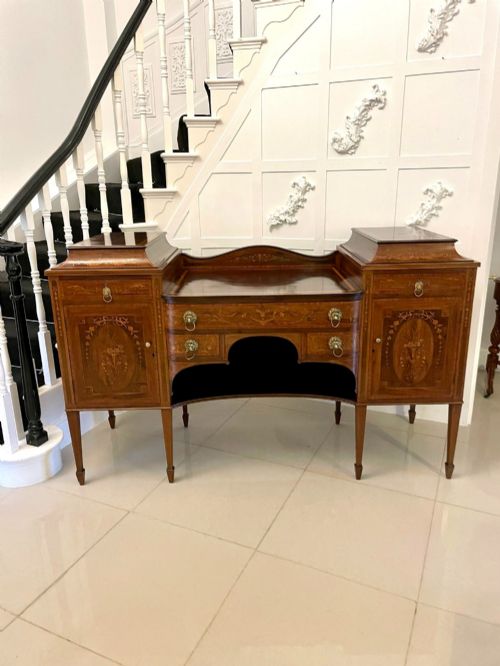
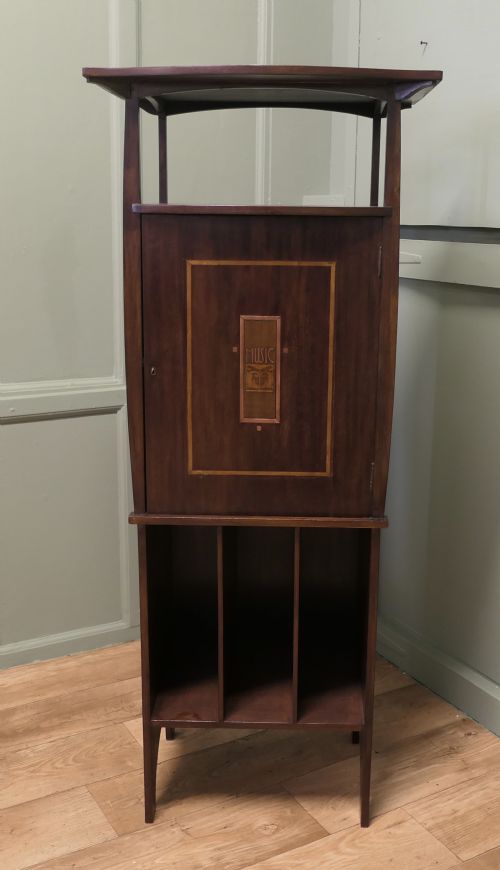
When you search for antique inlaid furniture, you encounter a wide selection of practical household forms spanning multiple centuries and European design traditions. The pieces appearing here range from modest Edwardian occasional tables and revolving bookcases to substantial eighteenth-century Dutch walnut marquetry cabinets and George III card tables.
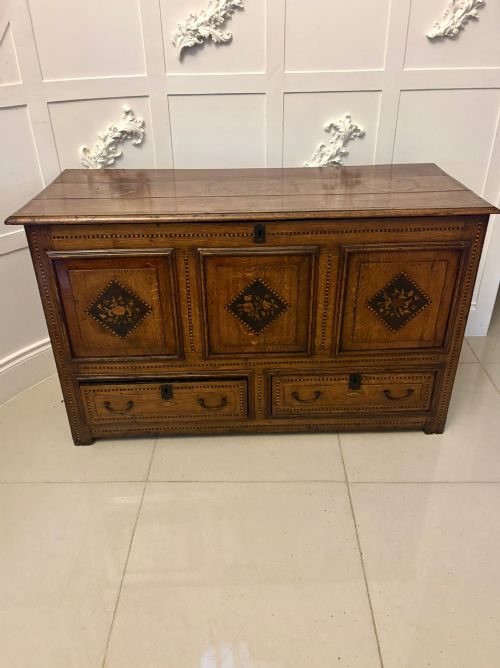
You are most likely to meet mahogany, walnut, and rosewood items produced during the Victorian and Edwardian periods, alongside regional specialities such as Dutch floral marquetry and French Louis-style cabinets. These items serve the same domestic functions today as they did originally, acting as writing desks, sideboards, lamp tables, and storage chests.
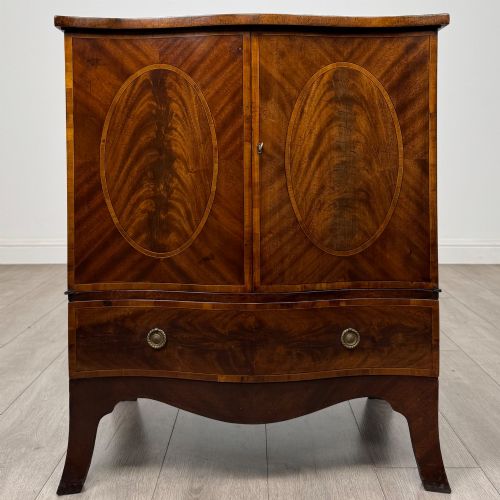
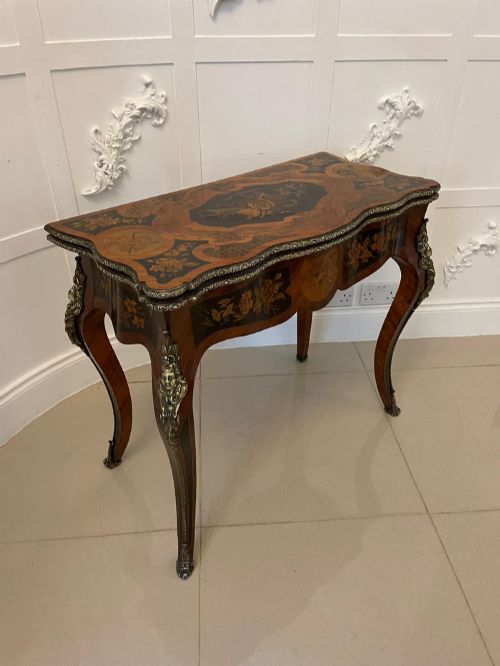
The category encompasses diverse stylistic revivals, including Sheraton Revival, Louis XV Revival, and Dutch Baroque interpretations. Each piece combines structural woodwork with contrasting timber, brass, or shell inserted directly into the primary surface to create geometric patterns or pictorial motifs.
How they were made
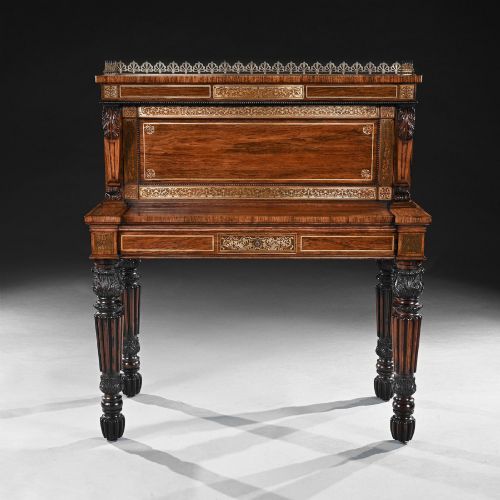
Craftsmen built these items using solid woods like oak and mahogany for carcases and framing, applying fine veneers of walnut, satinwood, kingwood, and rosewood to visible exterior surfaces. The decorative patterns depend on precision cutting, where contrasting timbers or brass strips are fitted tightly into carved channels within the primary wood.
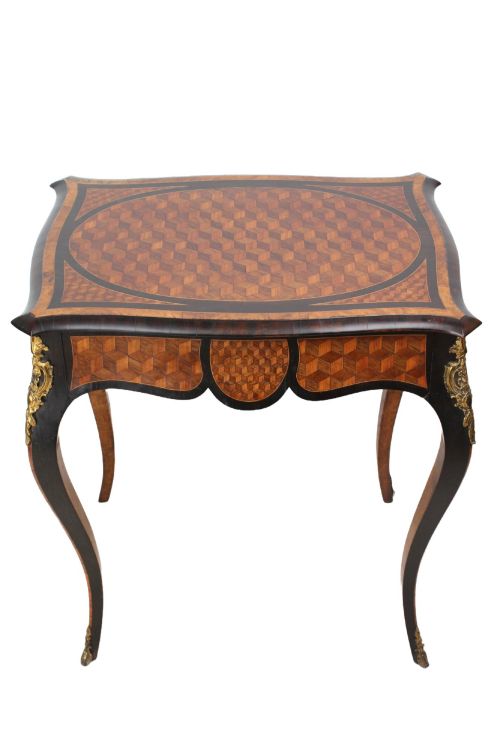
Marquetry techniques involve assembling pictorial designs from various tinted woods, ivories, and metals on a paper template before gluing the entire assembly onto the ground timber. Parquetry relies on geometric arrangements of small wood blocks to form repeating patterns, often seen on tabletop surfaces and bureau lids.
Metal mounts in ormolu and cast brass frequently frame the edges or protect the corners of French and English pieces, while contrasting stringing lines define the drawers and panel borders of Georgian and Edwardian cabinetry.
Several pieces include hidden writing surfaces and revolving book storage designed to keep nineteenth-century reading habits entirely organised.
What varies in quality
The standard of antique inlaid furniture depends heavily on the precision of the initial timber selection and the tightness of the joints between the contrasting decorative elements. Superior examples display seamless integration where the inserted wood meets the base timber, without excessive use of dark filler to hide gaps.
Makers achieved higher distinction through the depth and artistic ambition of the marquetry design, using natural grain variations and shaded veneers to create perspective rather than relying on flat, repetitive stamping. The quality of the secondary timbers used inside drawers and along carcase backs matches the exterior execution on finer workshops' output.
Gillows Oxford Street Workshop·JAS Shoolbred·Trevor Page & Co·Hewetsons London·GM Elwood for JS Henry·George Bullock·Edwards & Roberts
The Antique Inlaid Furniture Glossary
- Marquetry
- A decorative technique applying fitted pieces of wood veneer to a structure to form pictorial or floral designs. Artisans cut these patterns from various tinted timbers.
- Parquetry
- Geometric wood inlay forming regular patterns like cubes or herringbone. This method frequently decorates table tops and bureau flaps.
- Stringing
- Thin lines of contrasting timber or light-coloured wood inlaid around the edges of drawers and panels. It creates a neat border on Georgian and Edwardian furniture.
- Ormolu
- Gilt bronze mounted onto furniture for decorative effect. It appears regularly on nineteenth-century French pieces.
- Carcase
- The main structural body or framework of a cabinet, chest, or wardrobe before drawers and doors are fitted. Veneers and inlays are applied directly to this foundation.
Antique Inlaid Furniture: Frequently Asked Questions
How do I clean inlaid surfaces?
Dust surfaces regularly with a soft, dry cloth to prevent dirt accumulation within the grain and around the veneer edges.
Apply a microcrystalline wax sparingly when the wood appears dry, avoiding liquid polishes that can seep under lifted veneer.
Can I use these tables daily?
Most occasional tables, desks, and card tables function well for everyday use provided you protect them from excessive moisture and heat.
Use coasters and desk pads to prevent surface marking on polished mahogany, walnut, and rosewood tops.
How do I spot replacement veneer?
Examine the grain continuity and colour consistency across the decorative panels under natural daylight to identify mismatched sections.
Modern repairs often use different adhesives or timber cuts that contrast with the surrounding aged surface patina.
Where should I place antique cabinets?
Position wooden cabinets and bookcases away from direct sunlight and active heat sources like radiators to prevent timber shrinkage.
Stable room humidity protects delicate marquetry and prevents the underlying veneers from cracking or lifting.