





Edwardian Stationery Cabinet
An edwardian stationery cabinet keeps your correspondence neatly organised while bringing period timber charm to a desk.
Edwardian Stationery Cabinet
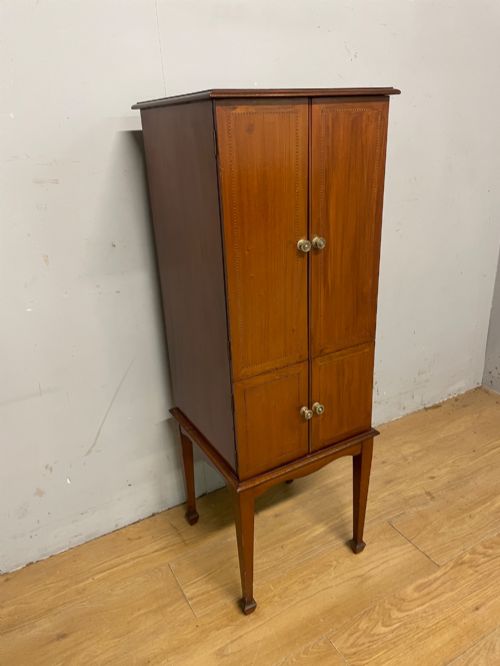
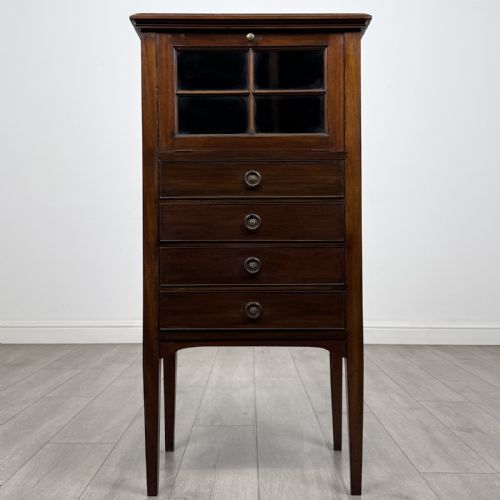
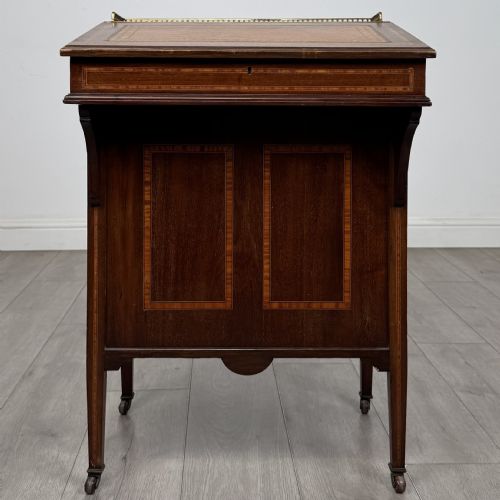
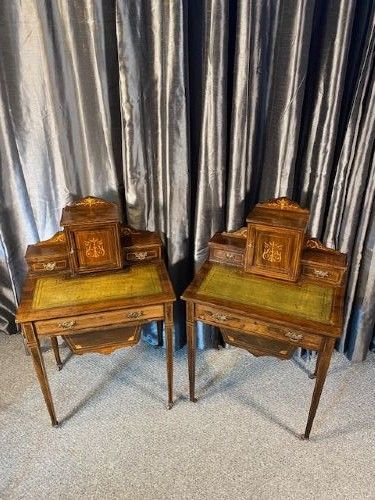
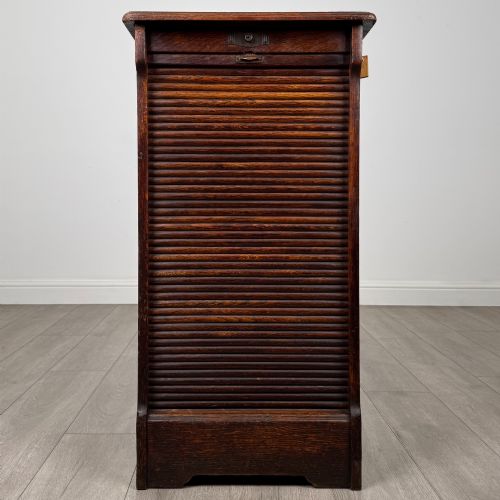
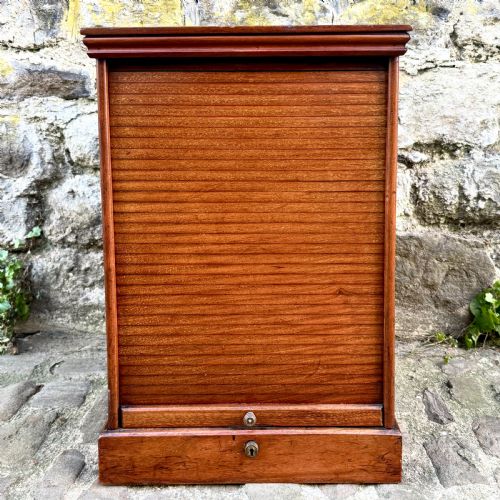
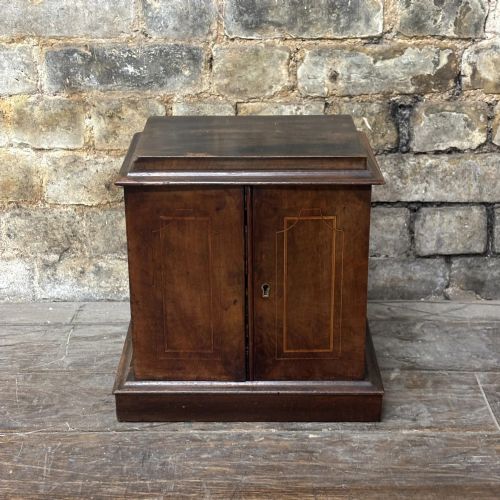
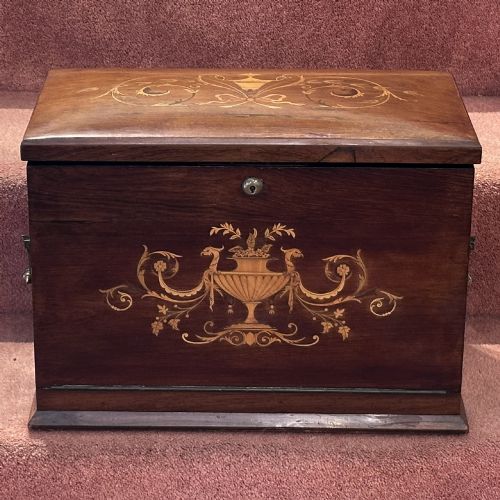
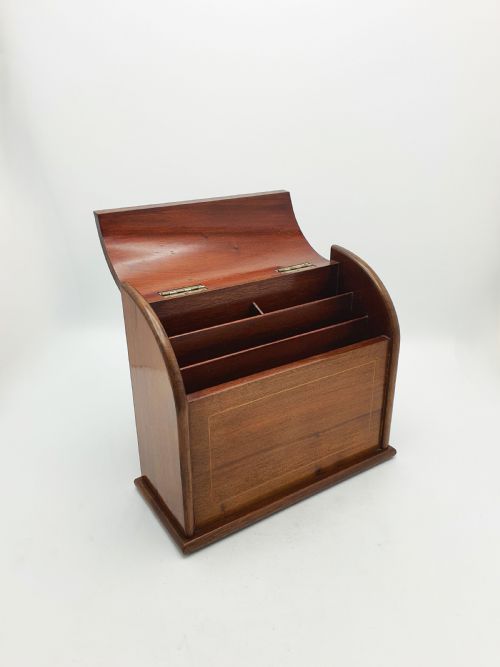
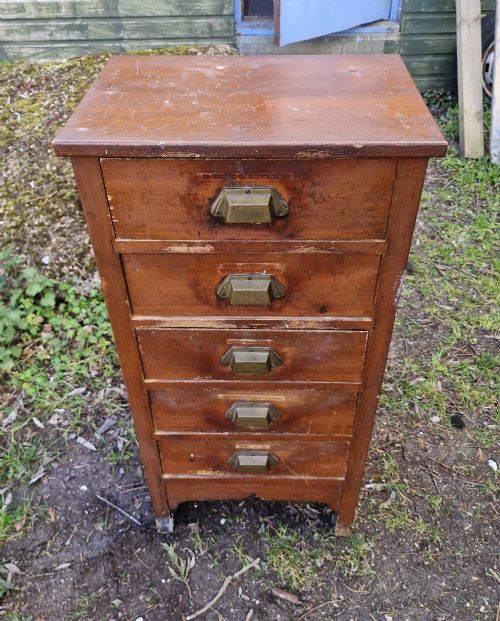
An edwardian stationery cabinet is a compact wooden piece designed to hold writing paper, envelopes and ink, appearing frequently in oak and mahogany across this selection. These items range from simple desk tidies and letter boxes to fall-front boxes and tambour front filing units made around the turn of the twentieth century. While Victorian and later pieces also appear in the records, the core of what you find here represents the refined desk accessories of the Edwardian period.
The forms vary from tabletop boxes with fitted interiors and calendar attachments to larger office cabinets and writing tables. Many incorporate internal pigeonholes and small drawers behind hinged or sliding doors to keep correspondence tidy. They reflect a time when written communication required dedicated desktop architecture.
How they were made
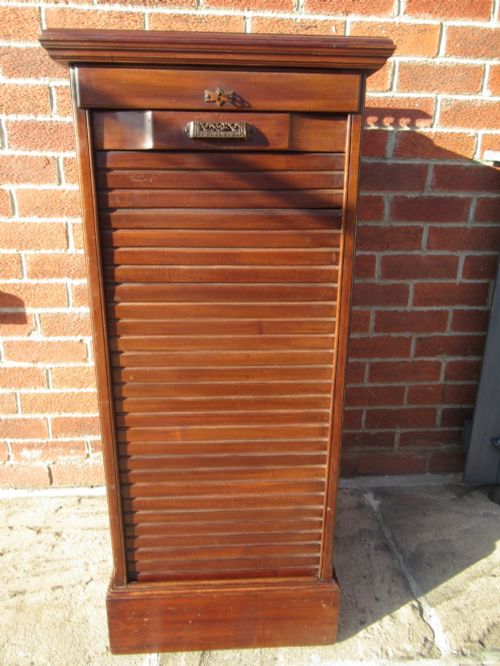
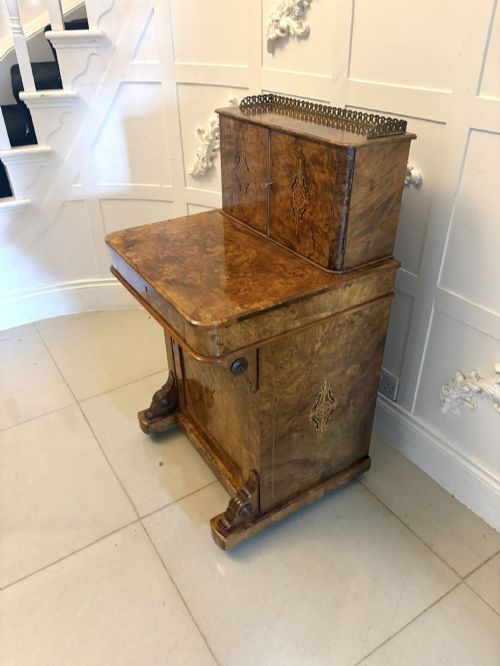
Cabinetmakers built these pieces primarily using solid timbers like oak, mahogany and walnut, often applying decorative veneers such as burr walnut and satinwood. Inlaid details in contrasting woods and brass handles or hinges complete the construction. Tambour fronts utilise slats of wood glued to fabric backings to slide smoothly around curves.
Glass panels occasionally feature in doors, while leather inserts line writing surfaces on related desks and davenports. Joinery methods of the era relied on tightly fitted joints and panel construction to handle daily desktop use without warping.
Edwardian Stationery Cabinet Retail Price Guide 2026
Typical asking prices for edwardian stationery cabinet among the pieces listed under this phrase on Sellingantiques today, from the lower quarter to the upper quarter. They describe what is for sale here now, not the wider market.
Many Edwardian stationery boxes still conceal tiny hidden compartments designed for secret correspondence and elusive postage stamps.
What varies in quality
The standard of timber selection and veneer matching defines the upper tier of these cabinets. Finely figured burr walnut and crisp marquetry inlay separate exceptional examples from utilitarian office storage. Superior pieces display meticulous attention to internal fittings, such as dovetailed drawers and original brass hardware.
The smoothness of mechanical elements like tambour shutters and hinged fall-fronts also indicates build quality. Pieces retaining fitted glass inkwells, original locks and working keys hold greater interest than those missing their internal components.
J.C Vickery of London
The Edwardian Stationery Cabinet Glossary
- Tambour
- A flexible shutter made of narrow wooden slats attached to canvas, allowing doors to curve around cabinet corners. This mechanism appears frequently on filing and stationery cabinets.
- Davenport
- A small compact desk featuring a sloping writing surface above a pedestal of drawers. These often incorporate stationery compartments and side drawers.
- Marquetry
- Decorative woodwork where pieces of veneer are fitted together to form pictorial patterns and designs. Cabinetmakers used this technique to adorn mahogany and satinwood surfaces.
- Bonheur du jour
- A light ladies writing desk featuring a small cabinet or set of shelves superstructure upon the main desk top. They emerged in the nineteenth century for personal correspondence.
- Fall-front
- A hinged panel that drops forward to reveal a writing surface or internal storage compartments. It creates a closed box appearance when secured.
Edwardian Stationery Cabinet: Frequently Asked Questions
What is an edwardian stationery cabinet used for?
These cabinets were built to hold writing paper, envelopes, stamps and ink securely on a desk. They kept personal correspondence organised before the widespread use of modern filing systems.
Today they serve a similar purpose for sorting mail, holding stationery or storing small household documents while adding period character to a room.
How do I date an edwardian stationery cabinet?
Edwardian pieces generally date from around 1901 to 1910, showing lighter timbers and cleaner lines than their heavy Victorian predecessors. Stylistic clues include Sheraton Revival influences, satinwood inlay and simpler brass hardware.
Maker labels, registration marks or stamped locks can sometimes narrow down the exact year of manufacture.
Where should I place a stationery cabinet?
Desktop models sit comfortably on top of large writing tables, bureaus or sideboards where their fitted interiors remain accessible. Larger floor-standing filing cabinets suit home studies or libraries.
Keep them away from direct heat sources and strong sunlight to protect the polished wood surfaces and delicate veneers.
What woods were used for these cabinets?
Oak and mahogany form the majority of the pieces found in this selection, often finished with polished surfaces. Finer examples utilise decorative veneers like burr walnut and satinwood.
Inlays of contrasting light and dark woods frequently decorate the exterior panels of Edwardian models.