
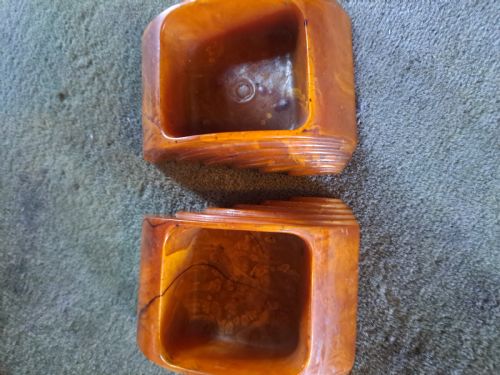


Vintage Desk Tidy
A vintage desk tidy gathers the small clutter of correspondence, keeping inkwells, pens and paper sorted on a working surface with practical order.
Vintage Desk Tidy
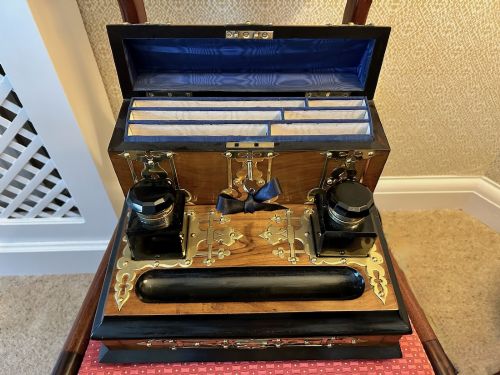
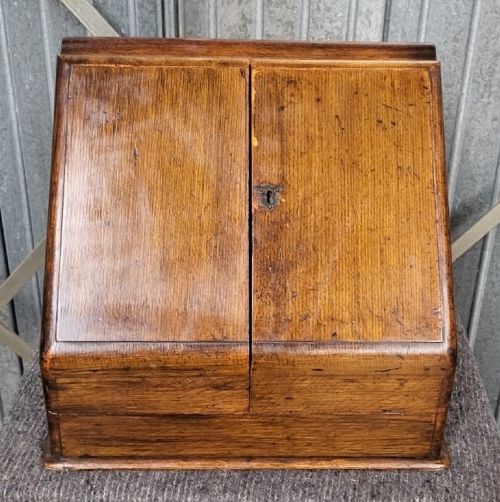
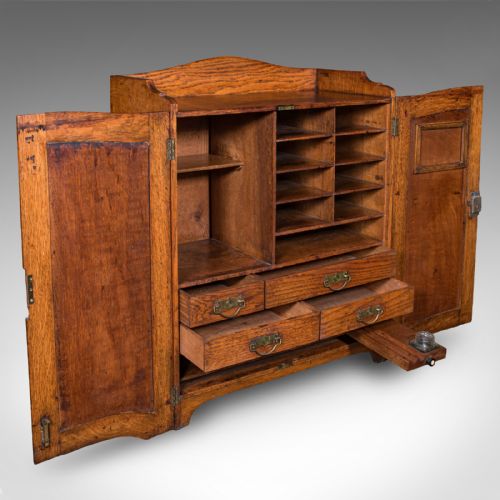
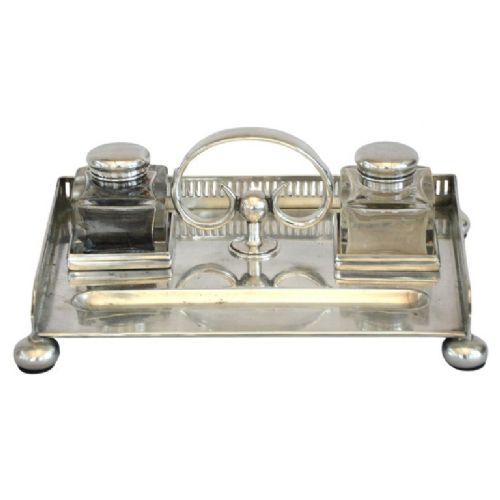
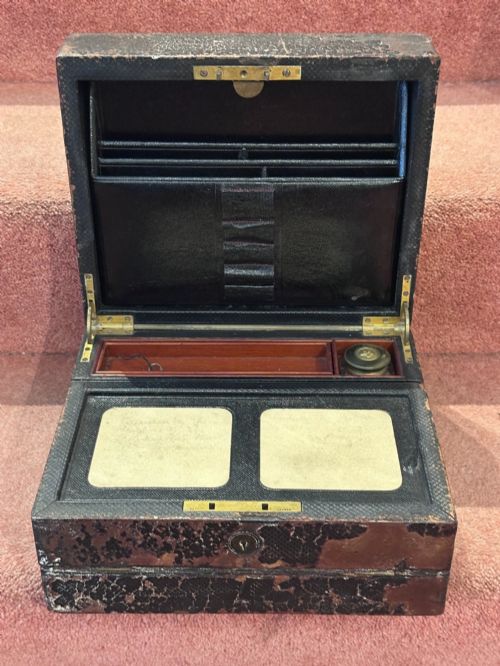
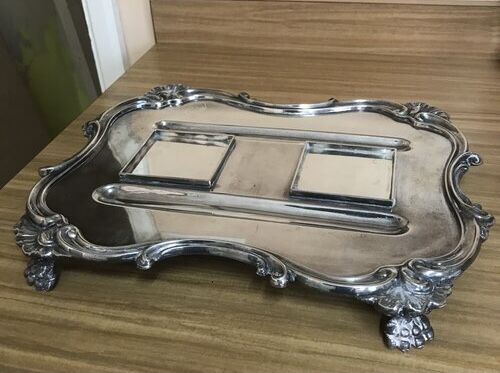
A vintage desk tidy encompasses various desktop accessories, from simple wooden letter racks and cutlery trays adapted to stationery to fitted inkstands and correspondence boxes. These items originate across the nineteenth and twentieth centuries, spanning Victorian, Edwardian and Art Deco periods.
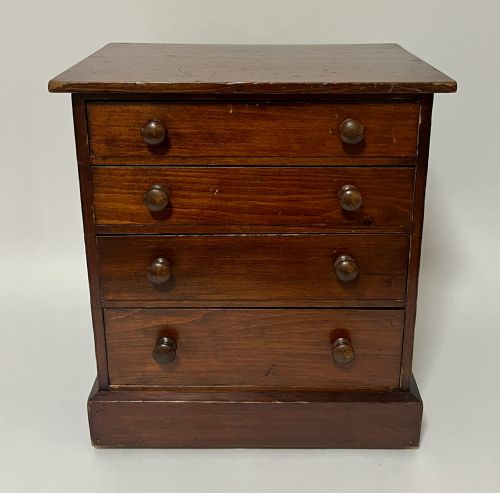
The pieces on this page appear in materials ranging from robust golden oak and walnut to ornate silver plate, brass and carved wood. Buyers encounter functional containers designed to hold pens, stamps and envelopes within domestic or office settings.
Materials and Construction
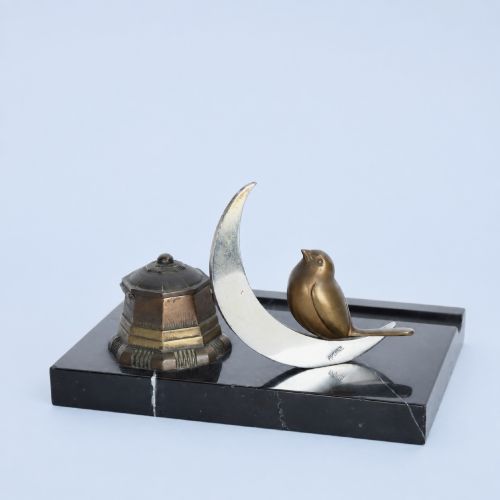
Cabinetmakers utilised hardwoods such as mahogany, oak and walnut for boxes and letter racks, frequently incorporating hinged lids, dovetailed joints and inlaid details. Metal workers cast bronze, brass and pewter into pen trays and inkstands, occasionally pairing them with cut glass inkwells or marble bases.
Specialist techniques include cold-painted bronze figures, hand-painted papier-mâché, tooled leather bindings and bone inlay on Anglo-Indian stationery boxes. These methods combined structural durability with decorative surface detail suited to formal writing desks.
Craftsmanship and Material Depth
Quality rests in the weight of the materials and the precision of the assembly, distinguishing solid metals and dense hardwoods from lighter substitutes. Superior items display crisp casting in bronze or brass, tight joinery on wooden boxes and intact glass or ceramic components without replacement parts.
The distinction between standard utility items and finer examples lies in decorative flourishes such as hand-tooled leather, intricate wood inlay and signed maker fittings from firms like Elkington or Walker and Hall.
Elkington·Walker And Hall·Harrods·WMF·Carvacraft
The Vintage Desk Tidy Glossary
- Inkstand
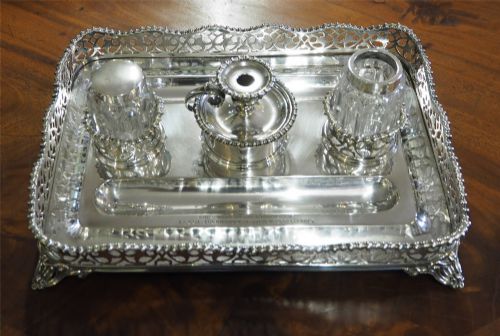
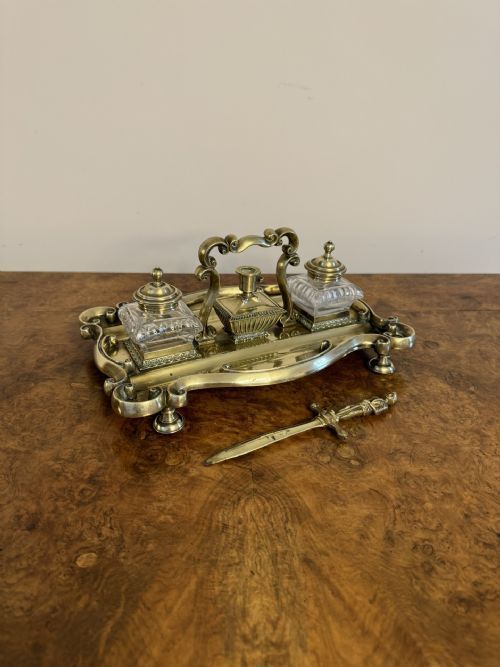
- A tray or stand holding one or more inkwells, often with dedicated channels for resting pens. These desk accessories formed the centrepiece of nineteenth-century writing furniture.
- Stationery box
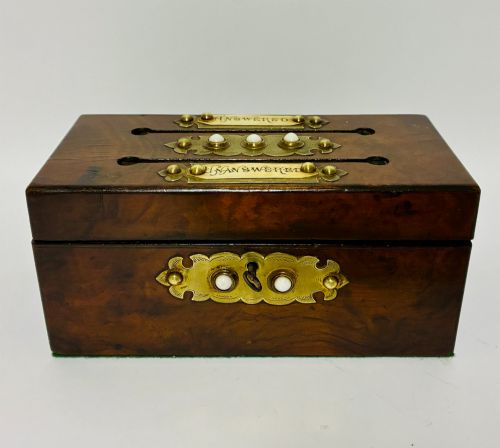
- A standing wooden or papier-mâché cabinet with tiered slots designed to organise writing paper and envelopes upright. They frequently feature fall fronts or hinged lids.
- Cutlery tray
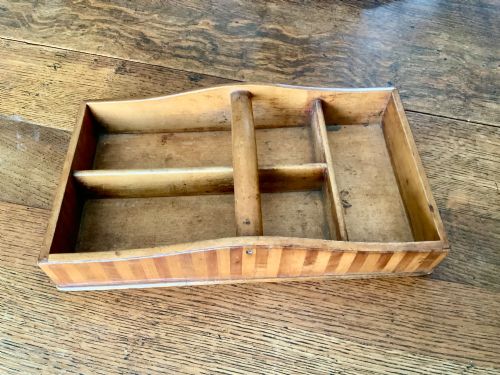
- A shallow wooden compartment with a central handle, occasionally repurposed as a desk tidy for holding loose pens and small stationery items. They appear frequently in oak and pine.
- Cold-painted bronze
- A manufacturing technique where bronze figures receive non-fired paint finishes, common on Austrian animal desk tidies from the early twentieth century.
- Faience
- Tin-glazed earthenware, seen on Dutch Delft inkstands decorated in blue and white. This porous ceramic body required careful firing.
Vintage Desk Tidy: Frequently Asked Questions
What is a desk tidy?
A desk tidy is a collective term for small desktop receptacles designed to hold writing instruments, inkwells, stamps and letters in an organised manner.
These accessories range from simple wooden trays to compartmentalised boxes with hinged lids, keeping loose stationery contained on a working surface.
How do I date a wooden desk box?
Dating relies on identifying the timber species, construction methods such as dovetailing, and the prevailing decorative style of the period, such as Victorian carving or Edwardian inlay.
Hardware like brass hinges, locks and escutcheons also provide chronological clues when matching period manufacturing standards.
Were these items used in offices?
Many of these pieces served in domestic studies, libraries and estate offices for managing daily correspondence and record keeping.
Heavier oak letter boxes and filing shelves accommodated the volume of post handled by Victorian households and clerks.
How should I clean a brass desk set?
Cleaning requires a soft cloth to remove dust, avoiding harsh chemical dips that strip away desirable historical patination.
For pieces combining metal with wood, leather or glass, care must be taken to protect vulnerable surfaces from moisture.