



Art Nouveau Accent Chair
An art nouveau accent chair brings sweeping, organic lines and floral motifs into a room, offering both decorative presence and comfortable seating.
Art Nouveau Accent Chair
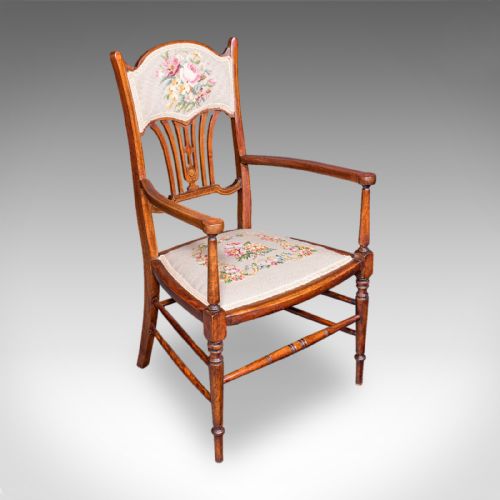
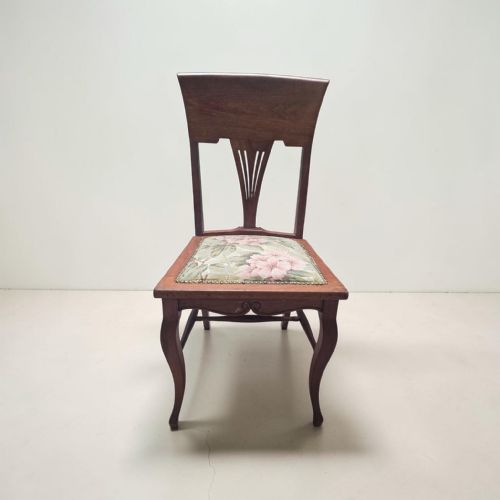
An art nouveau accent chair encompasses a variety of seating forms designed during the late nineteenth and early twentieth centuries, spanning periods from the Victorian era through to the nineteen-thirties. Buyers searching for an art nouveau accent chair will encounter armchairs, side chairs, rocking chairs, corner chairs, and occasional chairs that display the characteristic flowing styles of the movement.
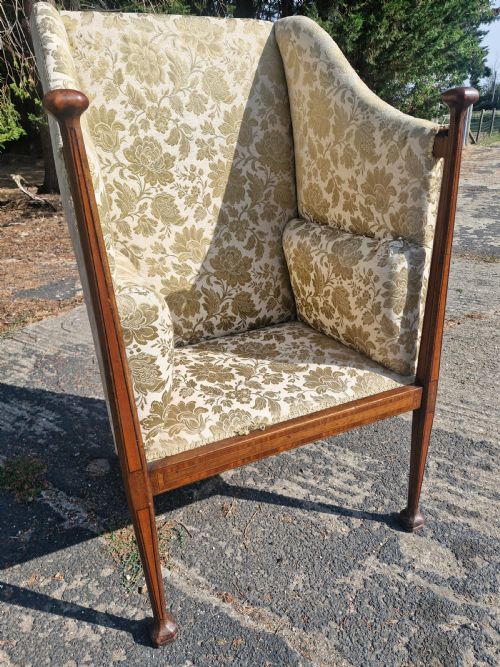
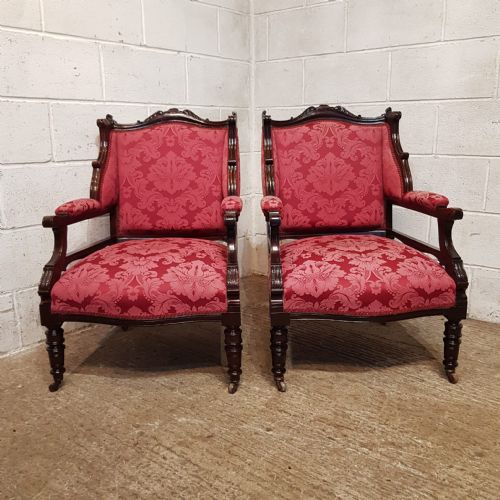
The pieces listed on this page originate from diverse European traditions, including English, French, and Viennese workshops. Forms range from low salon chairs and tall-backed hall armchairs to sturdy bentwood rockers and pairs of upholstered tub chairs.
Makers and designers from the period experimented with unconventional silhouettes, combining structural timber frames with intricate upholstery, textile coverings, and brass details. These chairs serve both a practical seating function and a distinct sculptural role within an interior scheme.
How they were made
Makers constructed these chairs primarily using hardwoods such as mahogany, oak, beech, and hard woods, often shaping the timber into curving, organic profiles. Wood inlay techniques added contrasting botanical or geometric patterns directly into the wooden frames of the seat backs and rails.
Upholstery played an essential role in the construction, utilising fabrics, textile panels, and leather supported by traditional stuffing methods. Brass elements occasionally provided structural reinforcement or decorative accents on joints and feet.
Listings feature seating produced across multiple decades, spanning Victorian, Edwardian, and nineteen-thirties production eras.
What varies in quality
The standard of a piece is defined by the ambition of its design and the skill with which the timber is shaped and joined. Chairs featuring sculptural carved elements or precise wood inlay represent a higher tier of craftsmanship compared to plain structural frames.
Integrity of the materials also dictates the standing of a chair, with dense mahogany or quarter-sawn oak holding up better through decades of use than softer woods. The complexity of the silhouette, from simple side chairs to elaborate high-backed armchairs, reflects the original maker's investment of labour and artistry.
Jacob and Josef Kohn·Liberty and Co·Anton Rosen·Louis Majorelle
The Art Nouveau Accent Chair Glossary
- Accent chair
- A standalone seat chosen to add visual interest, colour, or stylistic contrast to a room rather than forming part of a matching suite.
- Bentwood
- Wood softened by steam and bent into curved, fluid shapes, frequently utilised in Austrian and continental seating production.
- Inlay
- A technique where contrasting materials such as lighter woods are fitted into recessed spaces within a solid wood surface to create decorative motifs.
- Tub chair
- An upholstered armchair featuring a rounded, enclosing backrest that flows continuously into low armrests.
- Secession
- A stylistic movement associated with avant-garde artists and designers in Vienna who broke away from traditional historicist academies.
Art Nouveau Accent Chair: Frequently Asked Questions
Are these chairs comfortable for daily use?
Many of these pieces were designed for parlours, dressing rooms, or reception spaces rather than long hours of lounging. Upholstered models offer softer seating, while wooden side chairs prioritise upright posture and decorative presence.
Buyers intending to use a chair daily often consider the seat height and back angle to ensure it suits their living arrangements.
How do I identify an art nouveau chair?
Look for asymmetrical lines, whiplash curves, and stylised floral or botanical motifs carved into the timber or woven into the fabric. These pieces frequently abandon rigid geometric symmetry in favour of organic forms inspired by the natural world.
Makers often combined traditional carpentry with unconventional silhouettes that reflect the design philosophies of the late nineteenth and early twentieth centuries.
Where should I place an accent chair?
These seats work well in corners, reading nooks, or beside a fireplace where their sculptural woodwork and upholstery can be appreciated from multiple angles. They also function effectively in bedrooms as dressing table seats or hallway statement pieces.
Because the styles range from low salon chairs to tall-backed armchairs, consider the surrounding furniture scale before positioning.
How do I care for antique wood and upholstery?
Keep wooden frames away from direct sunlight and sudden temperature changes to protect the finish and prevent the timber from drying out. Periodic dusting with a soft cloth maintains the surface of the mahogany, oak, or beech.
Upholstered sections benefit from gentle professional cleaning suited to the specific fabric or leather used on the individual piece.