


Antique Hallway Server
An antique hallway server meets the practical needs of an entrance space through practical console tables, oak dresser bases, and mahogany sideboards.

Antique Hallway Server
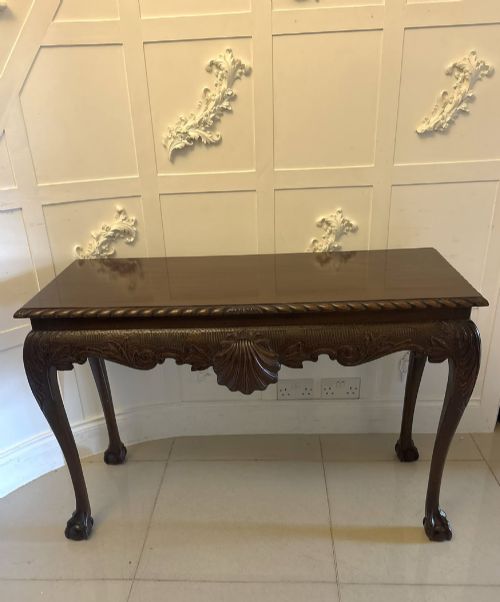
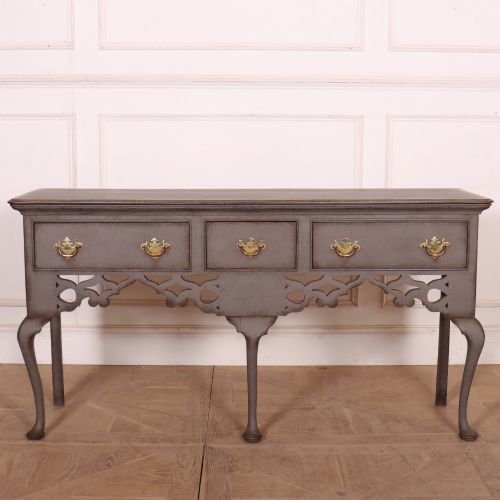
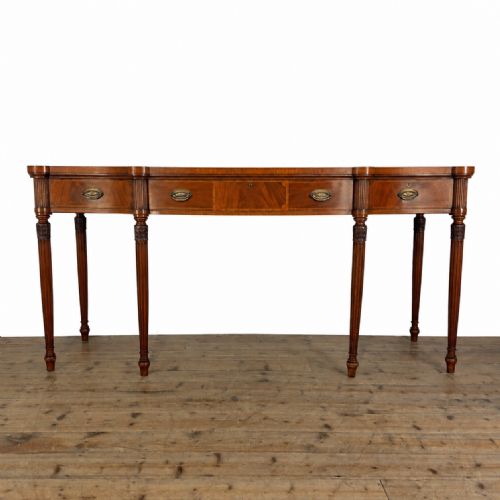
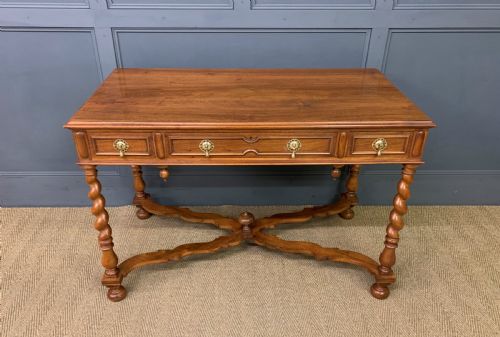
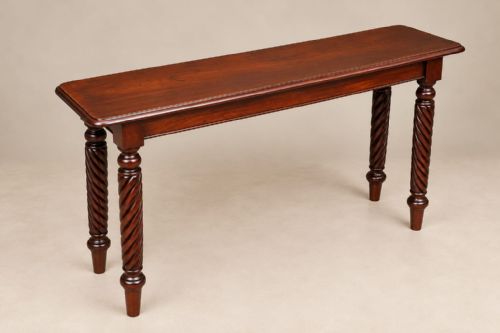
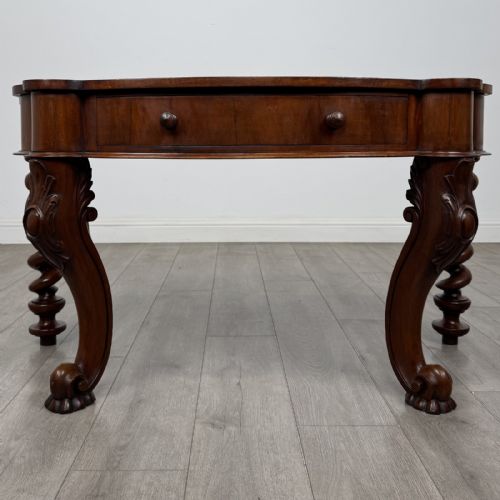
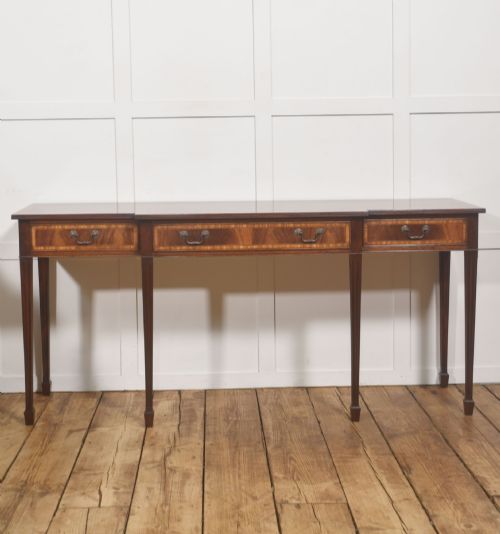
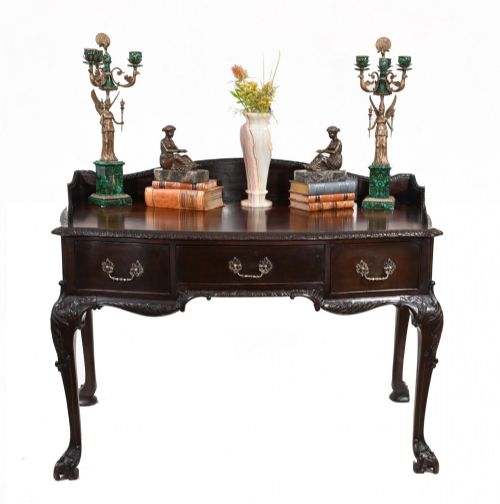
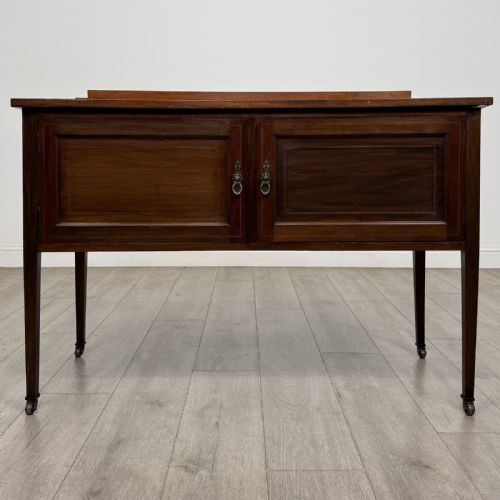
When you search for an antique hallway server, you encounter a variety of forms including console tables, side tables, sideboards, dresser bases, and cupboards. These pieces provide surface space and storage within entrance halls and transitional domestic spaces.
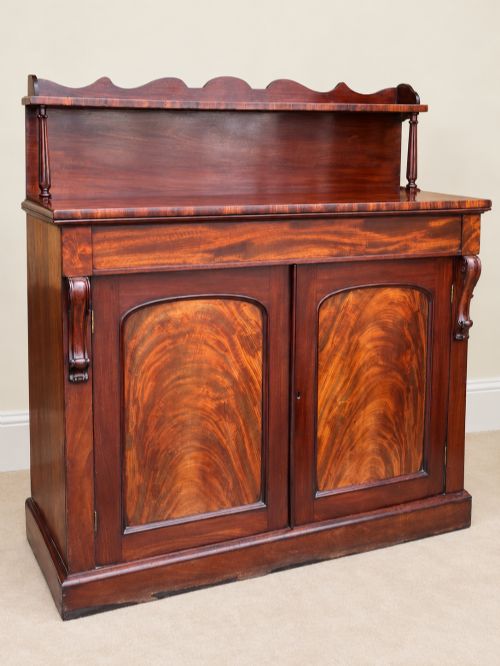
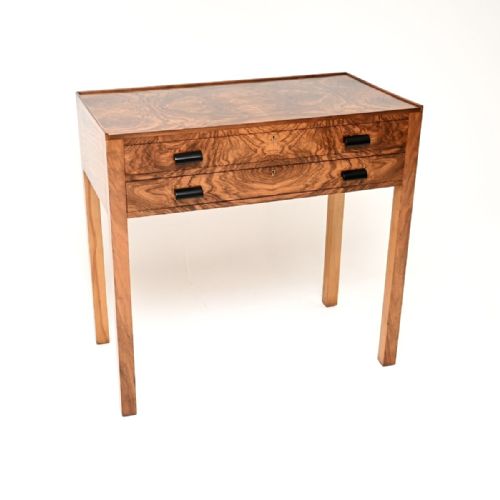
The selections span from the 17th century through to the 1930s, encompassing periods such as the 18th century, Victorian, Edwardian, and Art Deco eras. You meet sturdy oak dresser bases alongside elegant mahogany console tables and walnut serving tables.
English country and rustic farmhouse designs appear alongside formal Georgian style and Gothic revival pieces. The most common manifestations on this page are Edwardian oak side tables and Victorian mahogany serving surfaces.
Materials and construction
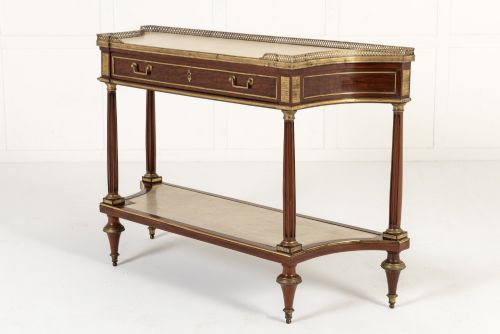
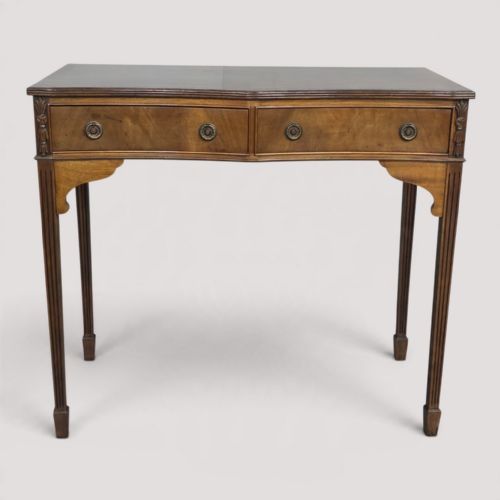
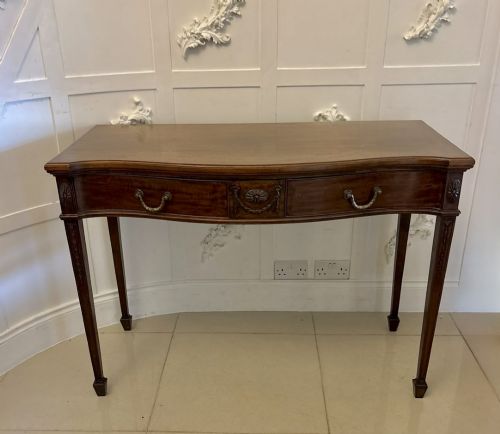
Cabinet makers utilised solid timbers including oak, mahogany, walnut, burr walnut, pine, and satinwood. Construction methods range from heavy block front oak dresser bases to finely carved Italian console tables and serpentine shaped sideboards.
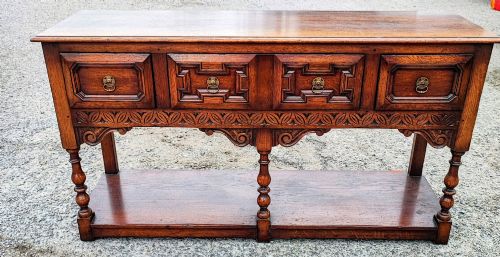
Secondary treatments involve painted finishes, brass hardware details, and inset marble tops. Turnings such as barley twist legs and cabriole structures define the structural framework of these serving tables.
Antique Hallway Server Retail Price Guide 2026
Typical asking prices for hallway server among the pieces listed under this phrase on Sellingantiques today, from the lower quarter to the upper quarter. They describe what is for sale here now, not the wider market.
A dairy table once used for churning butter now holds house keys and post with rustic charm.
Distinctions in quality
Quality rests upon the selection of timbers, such as figured burr walnut or dense solid oak, paired with the crispness of hand carving. Refined proportions in narrow console tables and breakfront sideboards separate standard utilitarian furniture from exceptional cabinet work.
The integrity of period joinery and the retention of original brass fittings indicate superior manufacture. Pieces carrying documented cabinet maker attributions demonstrate higher artisanal execution.
Hille·Fortnum and Mason·M. D. Miller and Sons
The Antique Hallway Server Glossary
- Dresser Base
- A low wooden sideboard fitted with drawers and sometimes cupboards below, historically used for serving food and storing household provisions. They form a primary category of antique hallway servers.
- Console Table
- A table designed to be fixed against a wall, often supported by ornate brackets or legs. These narrow surfaces suit tight entranceways.
- Lowboy
- A small kneehole dressing table or side table with drawers, typically dating from the 18th century. They serve as compact hallway servers.
- Barley Twist
- A type of turned wooden furniture leg resembling a spiral rope. This decorative feature appears frequently on Edwardian oak pieces.
- Serpentine
- A furniture front or edge that curves outward in the centre and inward at the sides. This contour requires skilled woodworking.
Antique Hallway Server: Frequently Asked Questions
What fits a narrow entrance?
Narrow console tables and shallow side tables provide surface space without blocking foot traffic in restricted hallways.
Compact Edwardian and Georgian pieces offer slender depths while retaining useful drawer storage.
How do I date an oak base?
Early oak pieces from the 17th and 18th centuries display pegged joints, hand-planed surfaces, and heavy block front construction.
Later Edwardian interpretations utilise machine-sawn timber and lighter hardware assemblies.
Are these surfaces water resistant?
Historic timber surfaces finished with traditional wax or polish require protection from standing water and damp items.
Marble-topped console tables offer better resilience against moisture in busy entryways.
Can I use a sideboard as a server?
Sideboards and dresser bases function effectively as hallway servers by offering deep drawers for post, keys, and daily paraphernalia.
Their substantial tabletops accommodate lamps and decorative arrangements.