

Antique Timber Credenza
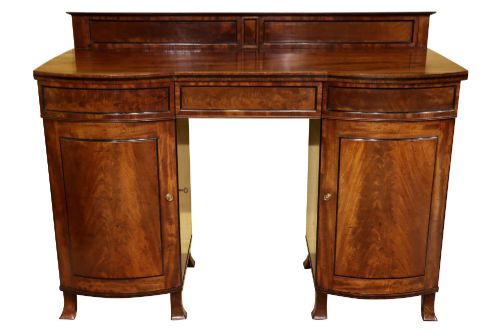
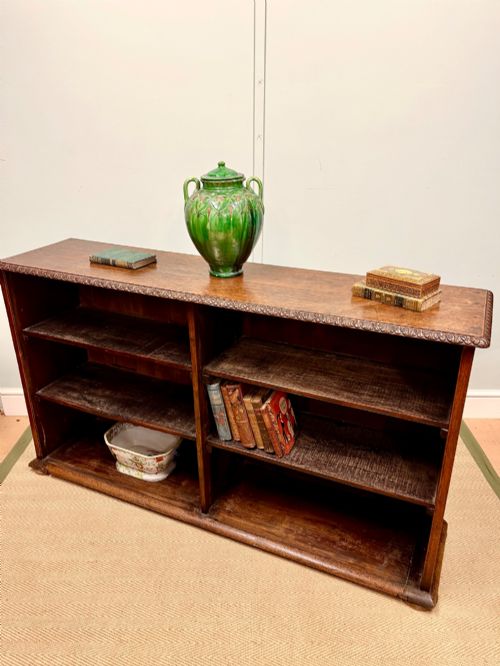
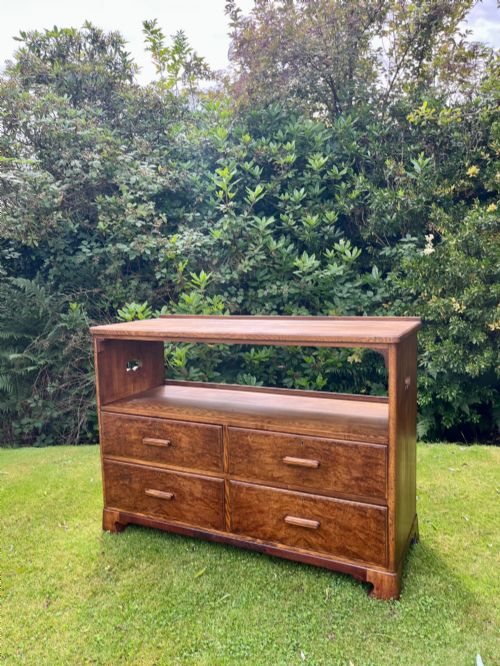
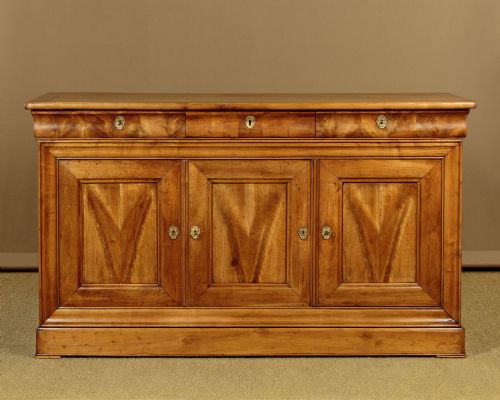
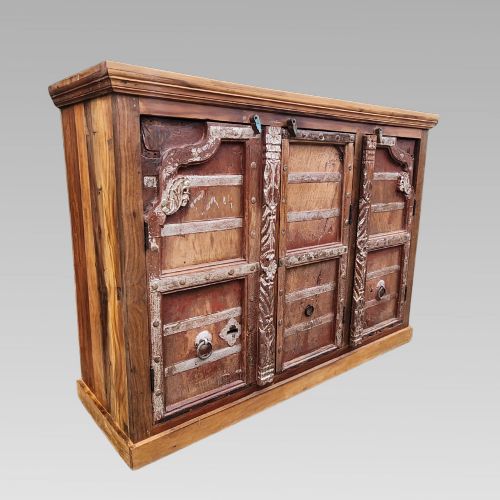
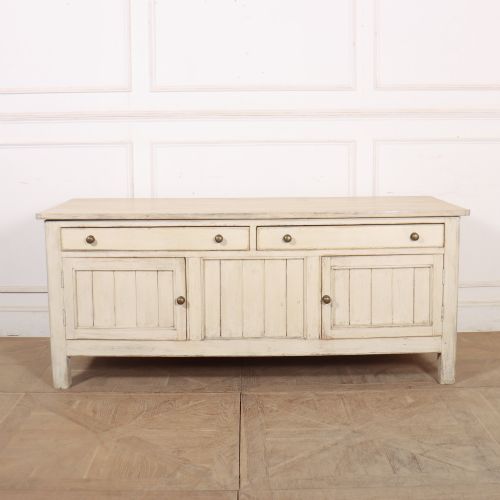
An antique timber credenza brings warmth and substantial storage to a room, drawing the eye with rich wood grains and traditional craftsmanship.
Antique Timber Credenza
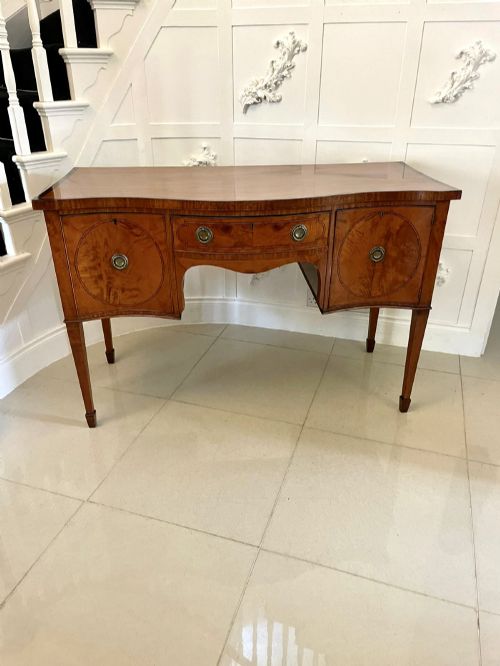
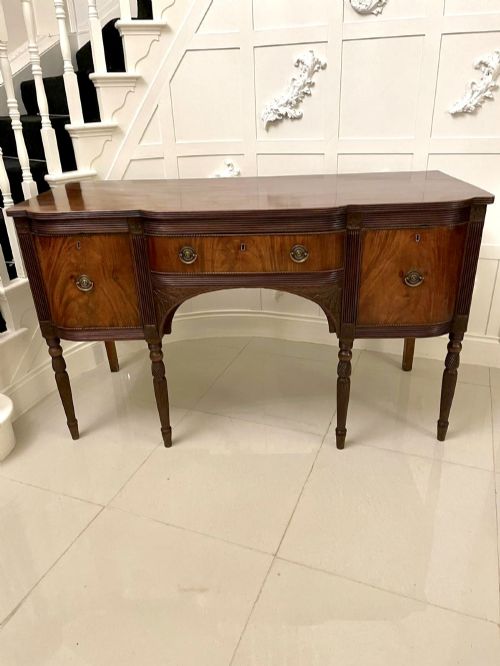
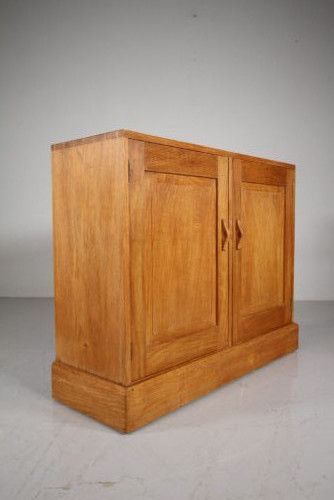
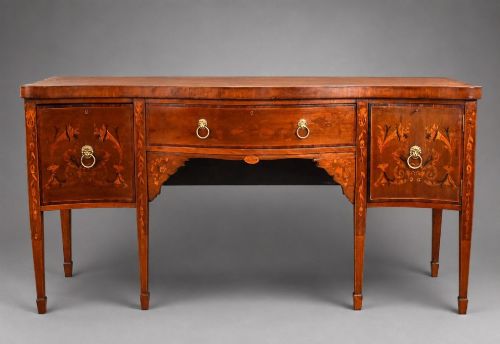
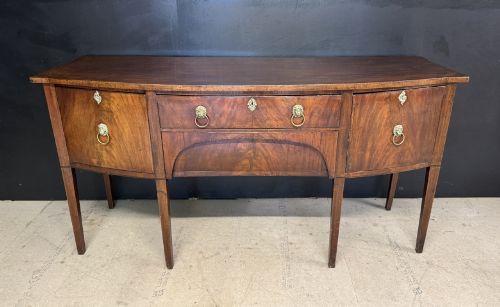
An antique timber credenza encompasses various forms of large storage furniture, including sideboards, side cabinets, and enfilades designed to hold household goods and display items. When searching for an antique timber credenza, buyers encounter pieces primarily originating from the Georgian and Victorian periods, alongside early twentieth-century examples.
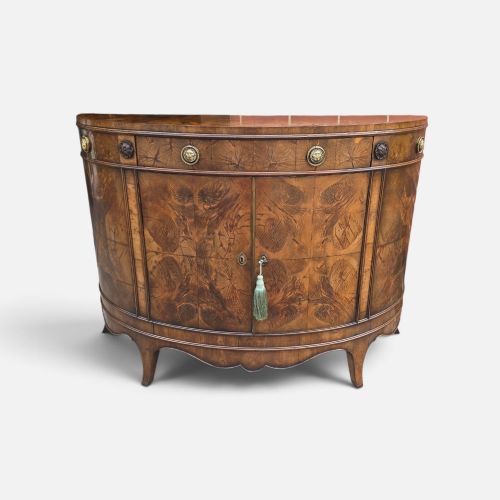
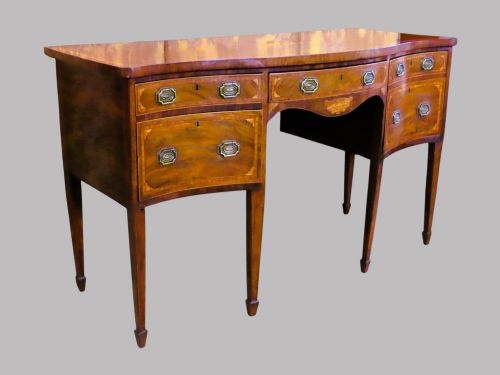
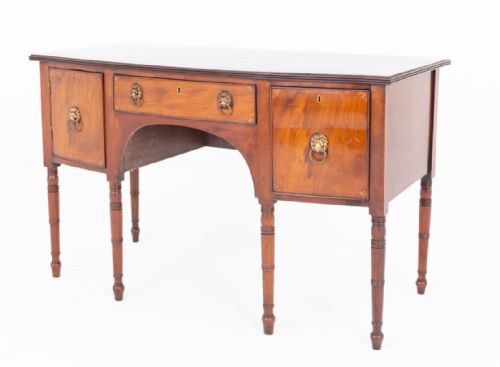
The selection ranges from bow-front and serpentine shapes to breakfront and demi-lune configurations. These forms reflect the functional demands of dining rooms and principal living spaces across different eras of British and European design.
Materials and construction methods
Cabinet makers utilised a variety of dense hardwoods, predominantly mahogany, walnut, satinwood, and oak, often enhanced by flame mahogany veneers or exotic timbers such as padauk and amboyna. Construction frequently involved structural carcases of solid timber faced with carefully selected decorative veneers.
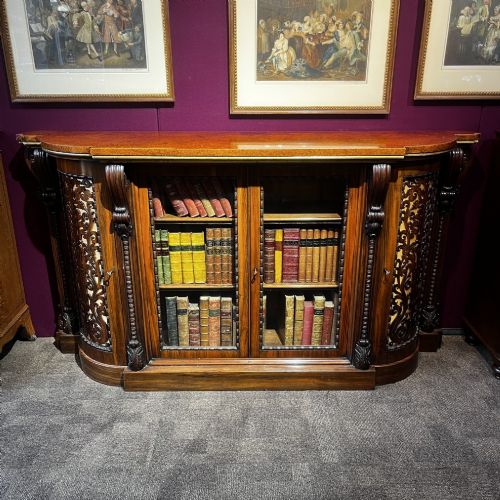
Surface ornamentation relied on brass fittings, boxwood stringing, marquetry, and glass panels. Joinery techniques ensured stability across wide cabinet fronts, particularly on curved serpentine and bow-front designs.
Periods represented range from eighteenth-century Georgian designs through Victorian craftsmanship to twentieth-century Arts and Crafts and Art Deco pieces.
Distinctions in quality
Quality rests upon the selection of timber veneers and the precision of the cabinet work, particularly around curved drawer fronts and inlaid stringing. Superior examples display continuity of grain patterns across the doors and drawers.
The sophistication of the internal framing and the original condition of brass hardware and marble tops further separate standard utilitarian storage from pieces commissioned for fine homes.
Gillows·Whytock and Reid·The Woodworkers Ltd Kilkenny
The Antique Timber Credenza Glossary
- Serpentine
- A front shape with a convex centre flanked by concave curves. This design requires advanced woodworking skill to shape timber accurately.
- Breakfront
- A cabinet design where the central section projects forward from the flanking wings. It creates depth and architectural interest on large pieces.
- Demi-lune
- A half-moon shape typical of commodes and small side cabinets. These pieces fit flat against a wall while offering a curved profile.
- Enfilade
- A long sideboard or buffet common in French furniture. It provides extensive surface space and storage behind multiple doors.
- Stringing
- Thin lines of contrasting wood inlaid into the surface of a cabinet. It creates delicate geometric borders around drawer fronts and tops.
Antique Timber Credenza: Frequently Asked Questions
Where were credenzas typically placed?
These pieces usually stood against dining room or parlour walls to hold serving dishes and silverware.
Over time, their substantial storage capacity made them useful in reception rooms and hallways for general household organisation.
How do I identify a Georgian piece?
Georgian items often feature figured mahogany, straight or bow fronts, and restrained brass drawer pulls.
They rely on proportion and timber grain rather than heavy carving for their decorative impact.
Are marble tops original?
Many Victorian cabinets and credenzas incorporate fitted marble tops to provide a durable, heat-resistant surface.
These additions were particularly popular on pieces intended for display or heavy daily use.
What is the difference between a sideboard and a credenza?
Sideboards traditionally feature long surfaces and cupboards designed primarily for dining room service and storage.
Credenzas often include enclosed cupboards and display sections, originating as low side cabinets in formal interiors.