
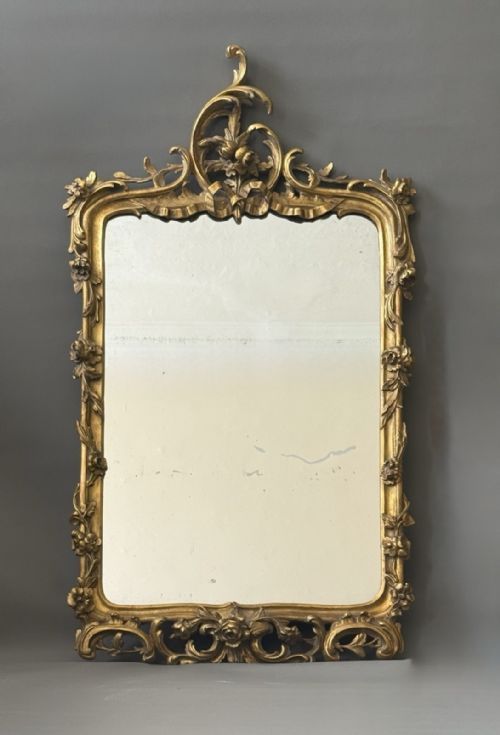
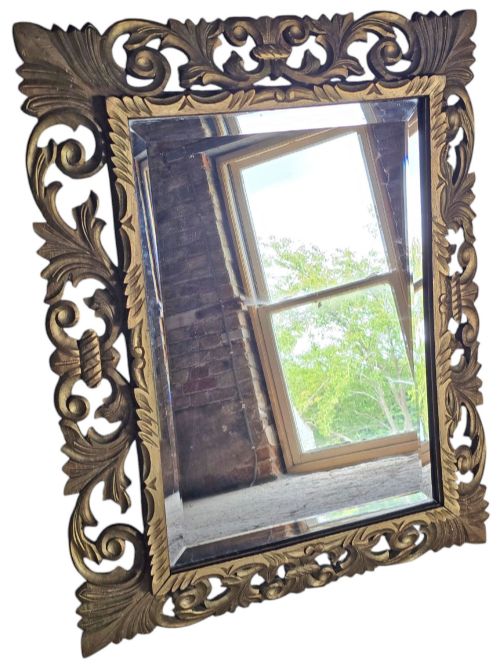

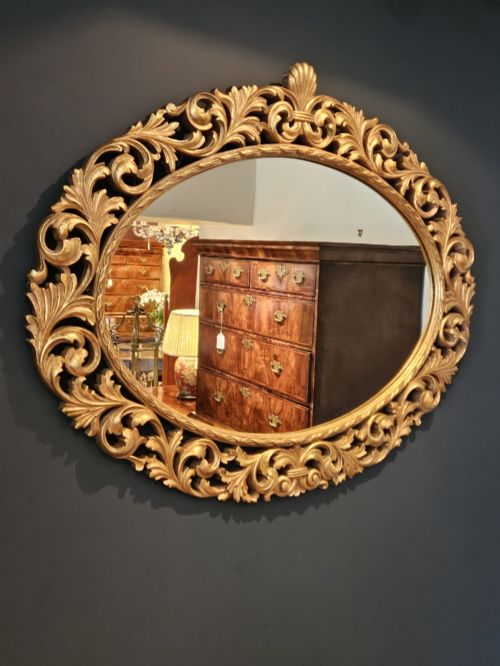
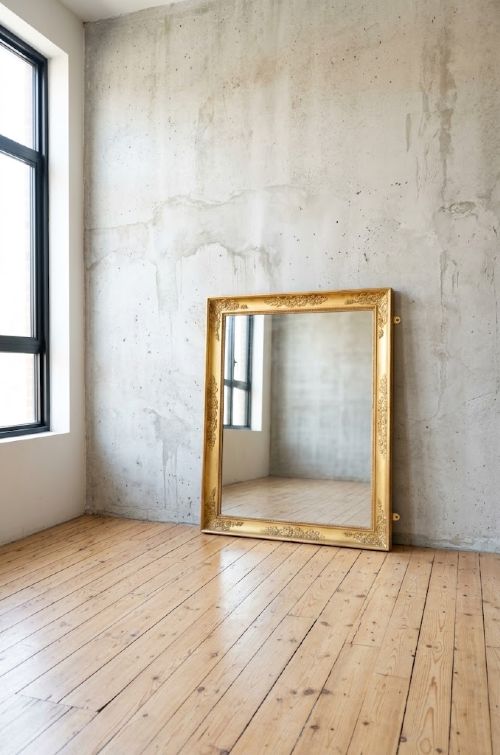
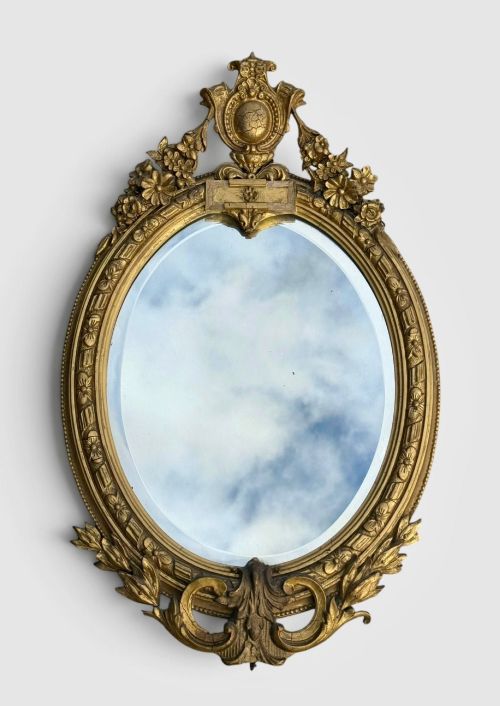
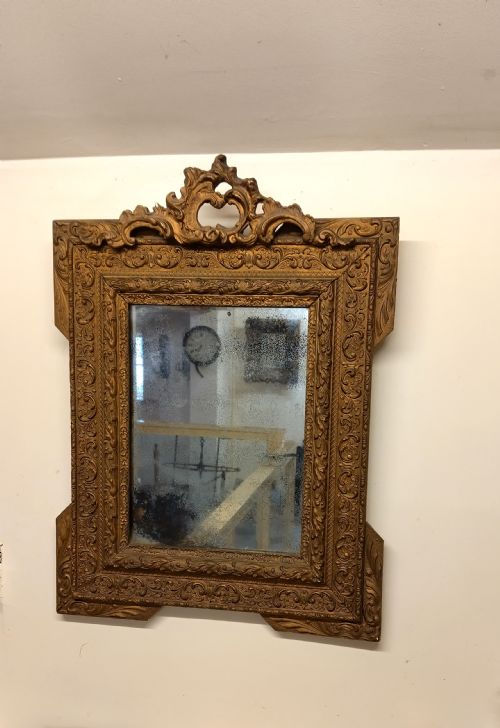
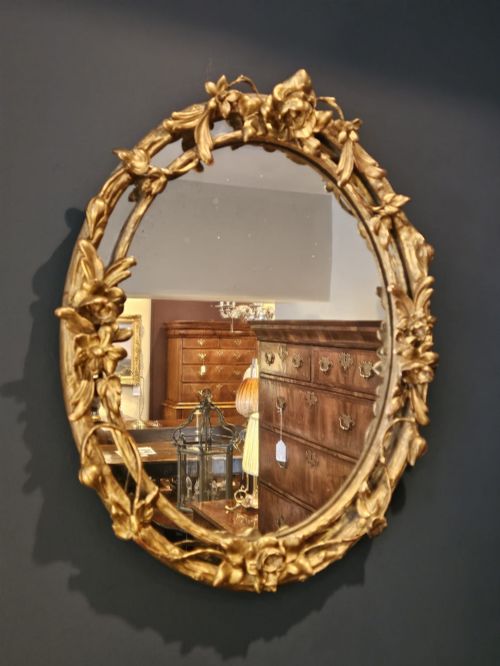
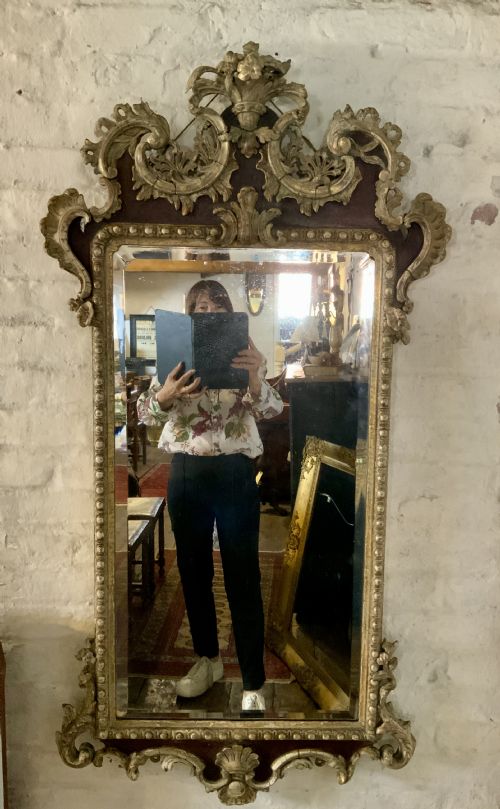
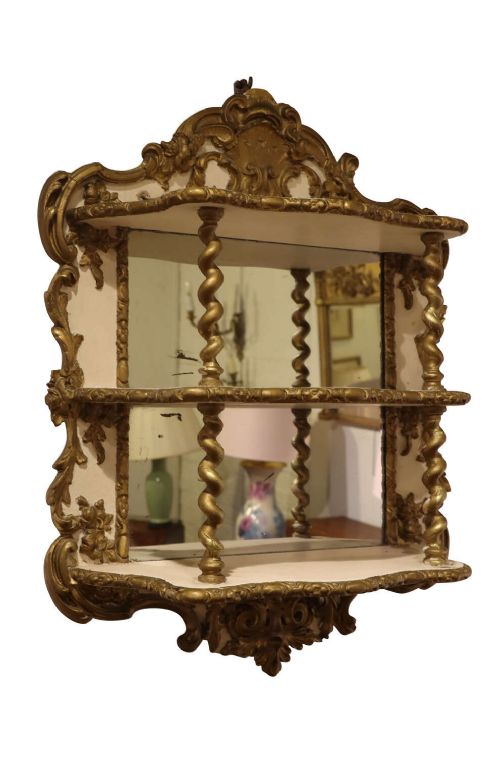
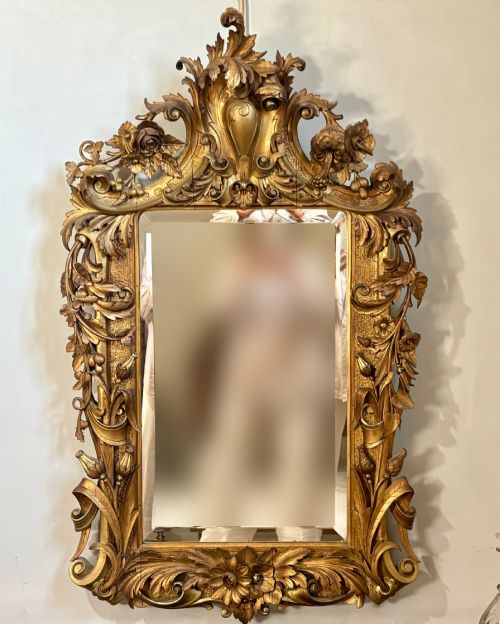
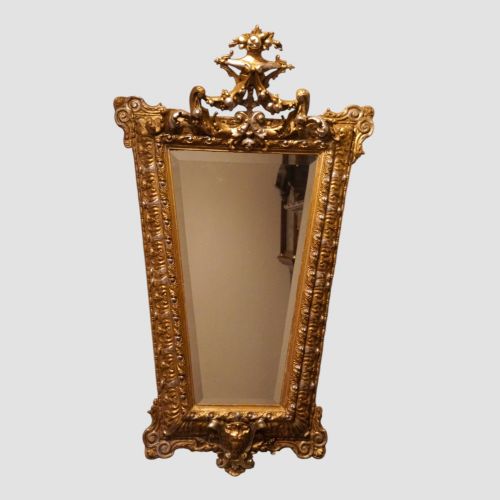
Antique Gilt Hanging Mirror
An antique gilt hanging mirror brings warmth and reflective depth to a room, catching the daylight with centuries of craftsmanship.
What They Are
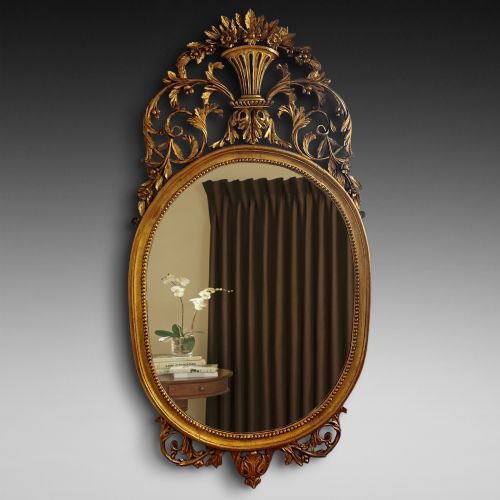
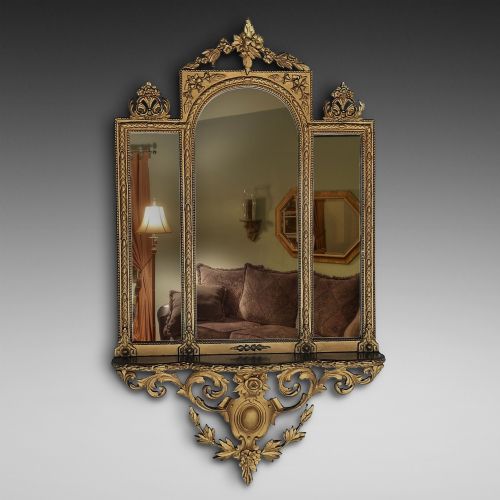
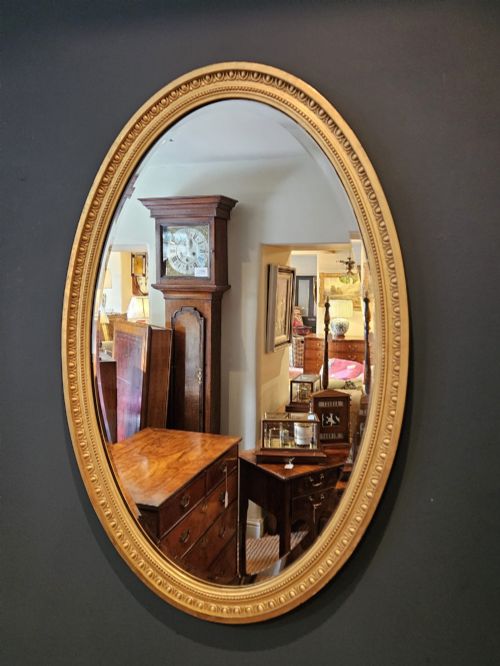
An antique gilt hanging mirror spans centuries of wall decor, drawing from Georgian, Victorian, and later revival periods.
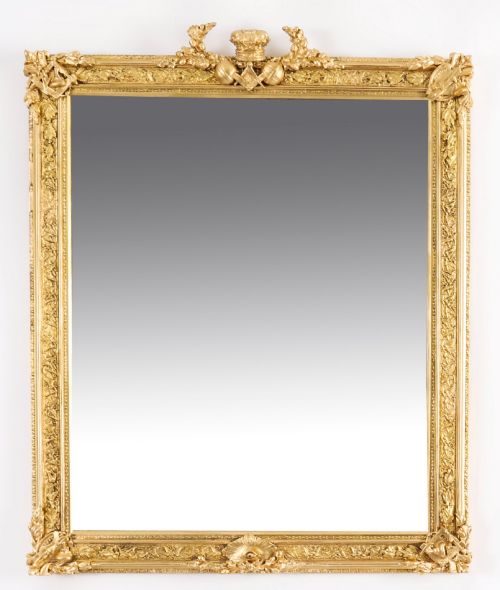
The evidence shows forms ranging from oval and circular convex plates to large rectangular overmantle mirrors and portrait orientations.
Makers drew on Italian Rococo, Adam Revival, Neoclassical, and Louis XVI styles to shape these wall pieces.
How They Were Made
Frames rely on carved timber substrates, build-ups of gesso, and applied composition ornament to achieve intricate relief details.
Gilding techniques utilise gold leaf or metallic paint finishes, sometimes contrasting two-colour gilt surfaces or incorporating faux marble paint.
Retail Price Guide 2026
Typical UK retail prices for gilt hanging mirror, calculated from the Sellingantiques database of over a million retail prices indexed since 2003. This retail price guide relies exclusively on Sellingantiques data; no external sources or auction records are used, so the figures do not describe the wider market.
Convex mirrors were traditionally placed in merchant offices so staff could keep an eye on the entire room without turning around.
What Varies in Quality
Depth and precision in hand-carved wood elements contrast with the repetitive crispness found in moulded composition ornament.
Clarity and age of the mirror glass or engraved plate alter the visual weight and character of the reflection.
The Antique Gilt Hanging Mirror Glossary
- Giltwood
- Timber that has been prepared and coated with thin sheets of gold leaf. This method creates a warm and enduring metallic surface.
- Gesso
- A plaster-like mixture applied to wood frames to provide a smooth base for carving and gilding. It allows for crisp ornamental details.
- Composition
- A moulded mixture of whiting, glue, and resin pressed into decorative motifs. It serves as a cost-effective alternative to hand carving.
- Pier glass
- A tall mirror designed to hang on the wall between windows. It maximises light reflection in traditional room layouts.
- Convex mirror
- A circular glass form curved outward to provide a wide-angle reflection of the interior. These are frequently known as bullseye mirrors.
Frequently Asked Questions
How do I hang a heavy gilt mirror?
Secure the hanging mirror directly into wall studs using heavy-duty brackets and fixings suited to the weight of the timber and gesso frame.
Ensure the wall fixings match the specific scale and construction of the particular mirror frame.
Are these mirrors suitable for bathrooms?
Historic gilt and gesso surfaces react poorly to high humidity and moisture. Keep them in dry living spaces or hallways.
Steam from showers can damage the historic mirror plate and degrade the underlying gesso composition.
What is an overmantle mirror?
An overmantle mirror is a wide horizontal hanging glass designed specifically to sit above a fireplace mantelpiece.
Victorian examples often feature grand proportions to span the full width of the hearth below.
How do I clean an antique mirror plate?
Dust the gilt frame gently with a dry, soft brush and clean the glass with a minimal amount of mild cleaner on a cloth.
Avoid letting moisture seep behind the frame edges where it could harm the old silvering or wooden backing.