

Antique German Ceramic Figure
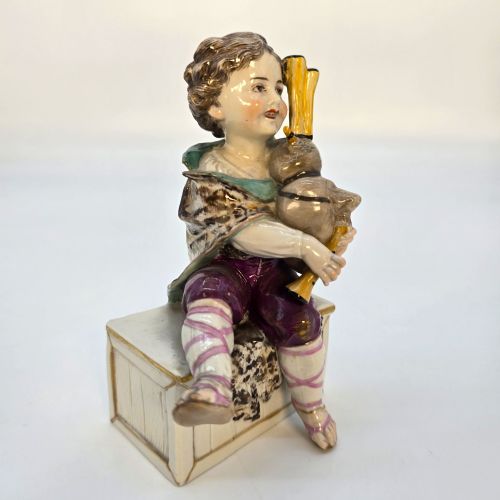
An antique german ceramic figure brings eighteenth-century modelling and Victorian character to a room through painted porcelain.
Antique German Ceramic Figure
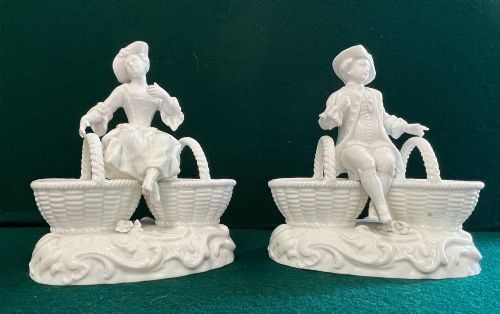
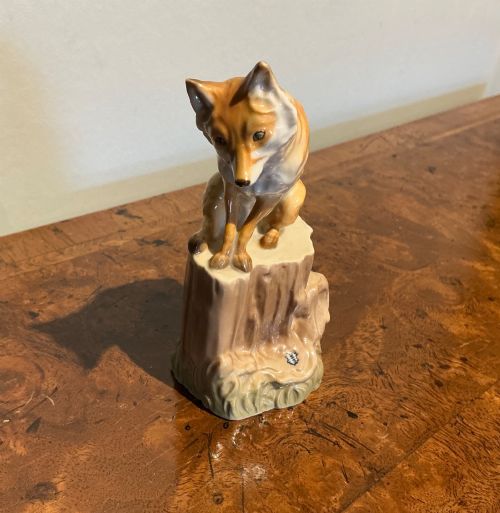
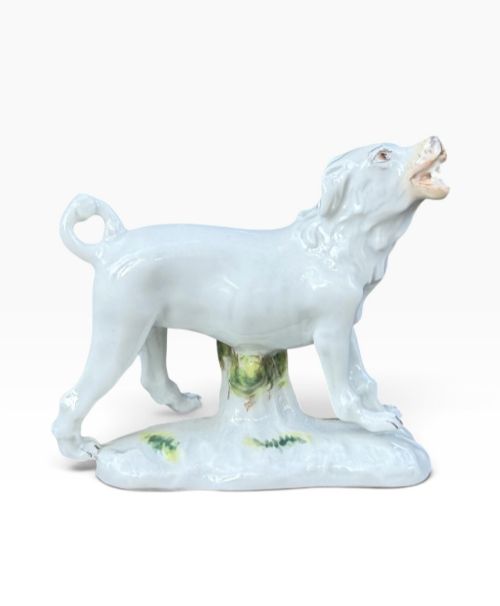
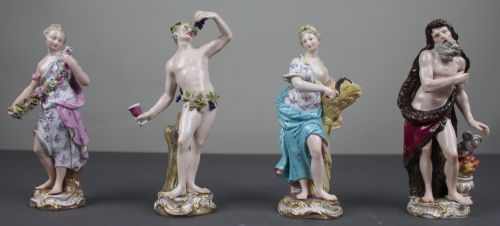
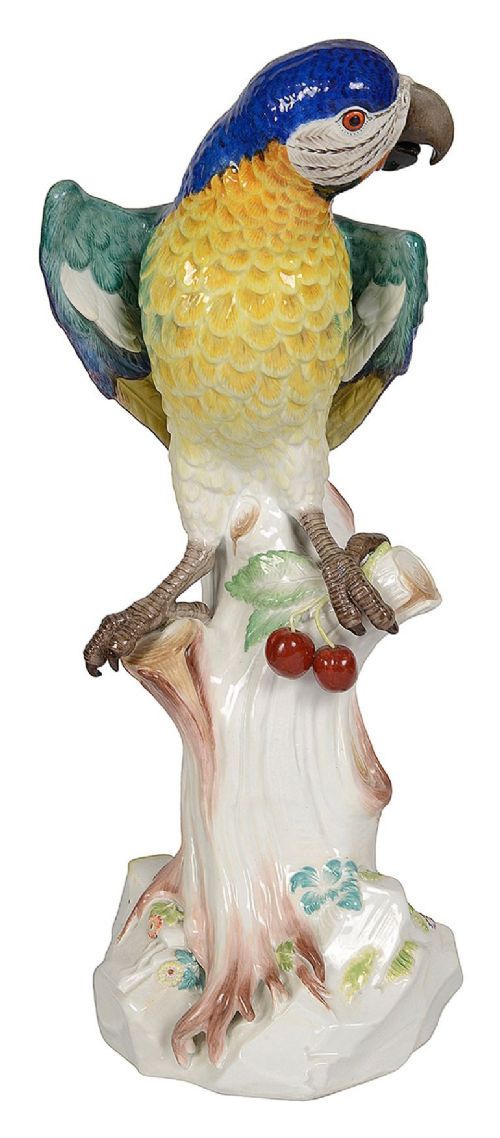
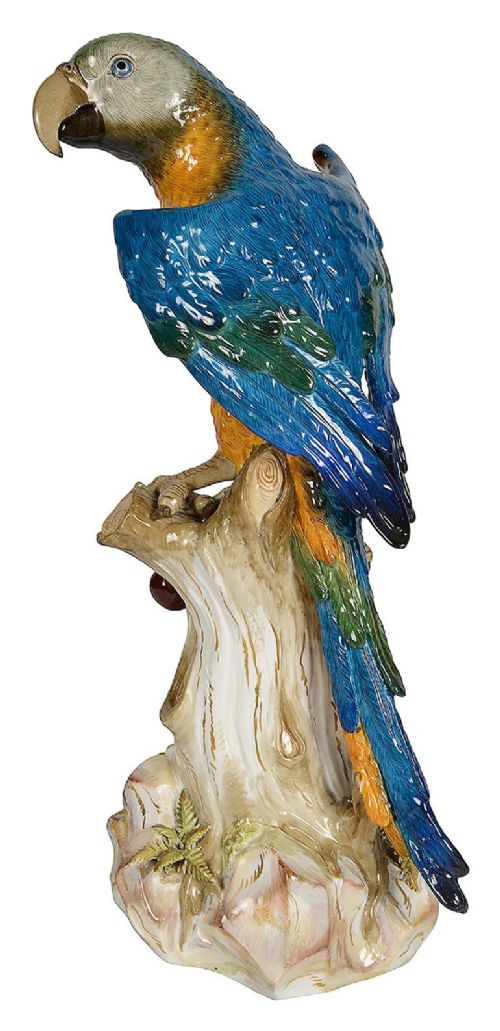
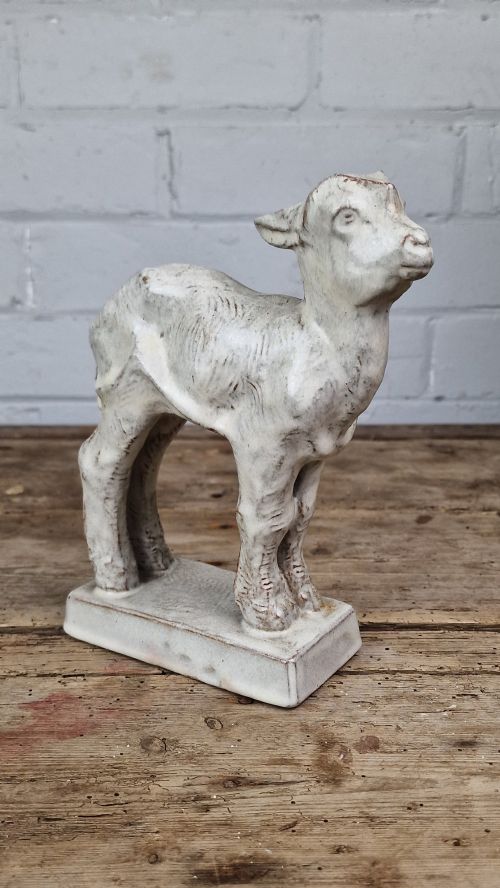
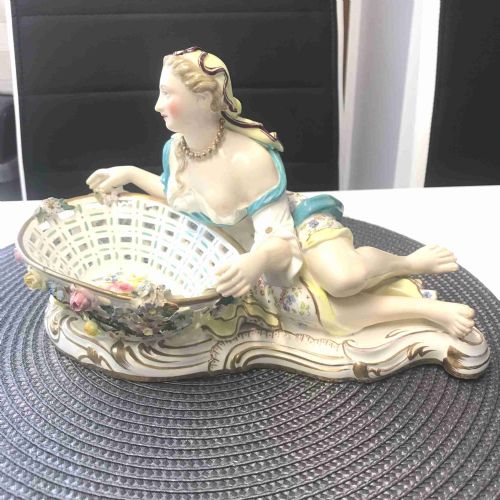
When you search for an antique german ceramic figure, you encounter modelled porcelain forms ranging from eighteenth-century street traders to Art Deco ladies and animal pairs. The selection on this page relies heavily on Meissen animals and figures, alongside Volkstedt, Sitzendorf, and Nymphenburg porcelain.
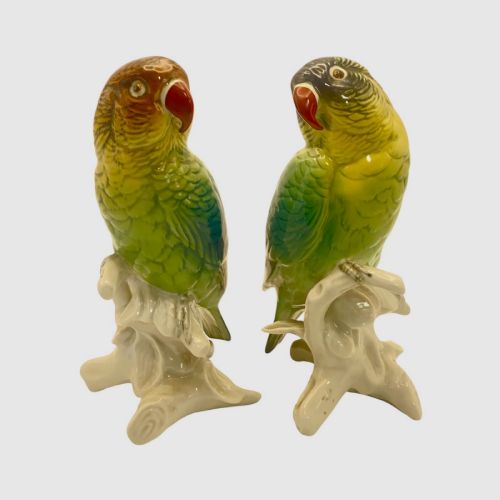
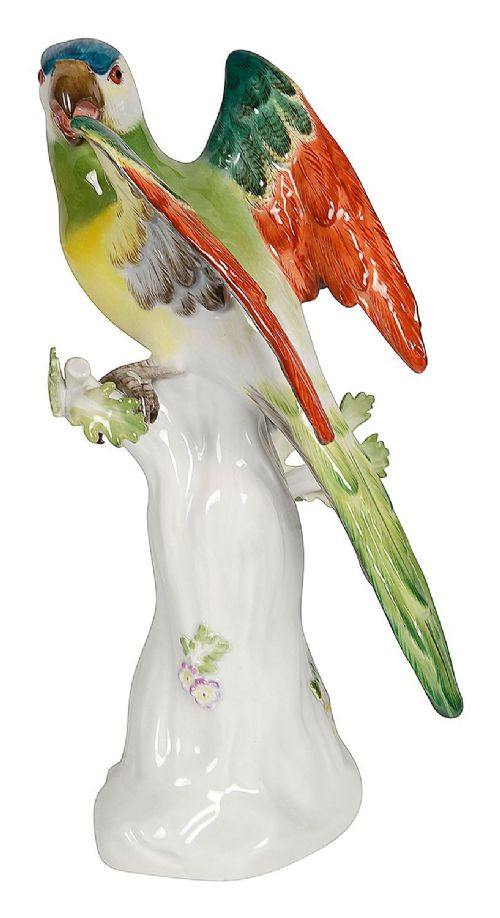
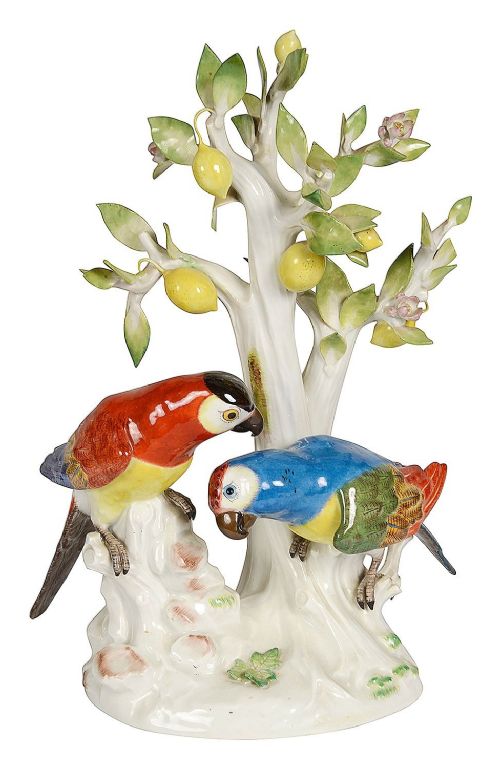
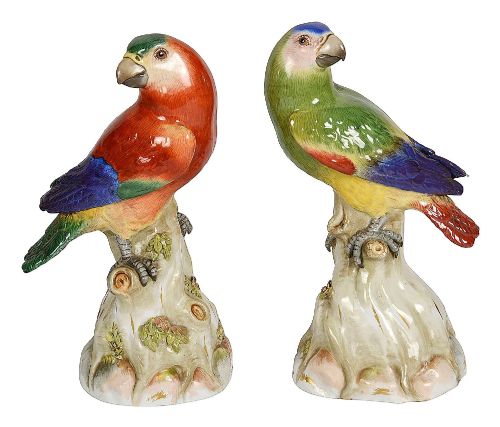
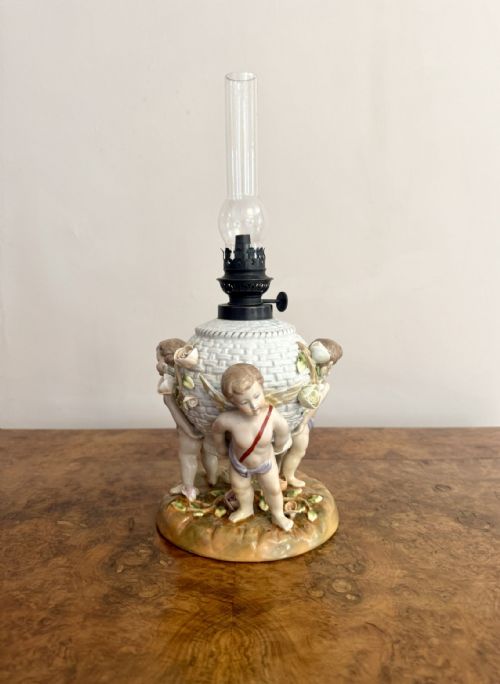
The objects take many forms, including standalone birds, human groups representing the seasons, candlesticks, and oil lamps. The most common versions met here are nineteenth-century Meissen parrots and figures produced by Thuringian factories.
Makers from Dresden and Plaue also appear, spanning rococo revival styles through to early twentieth-century German art porcelain. These pieces serve as decorative focal points, table centerpieces, or collector cabinet displays.
Materials and production
These pieces are made from hard-paste porcelain and glazed porcelain, shaped through skilful moulding and hand-modelling by ceramic artists. The surfaces receive hand-painted enamel decoration, sometimes enhanced with gold leaf and gilt highlights.
Factories utilised specialised kilns to fire the ceramic body before applying fluid glazes and overglaze enamel colours. Details such as plumage, foliage, and facial expressions were frequently hand-tooled by the modeller prior to the final firing.
Listings feature hard-paste porcelain figures and animals spanning the eighteenth, nineteenth, and early twentieth centuries, including Meissen parrots and Volkstedt candlesticks.
Judging the pieces
Quality rests in the crispness of the modelling and the precision of the hand-painted enamel work across the porcelain surface. Finer examples display lifelike anatomical detail in animals and expressive depth in human figures, whereas simpler pieces show softer contours and heavier glaze.
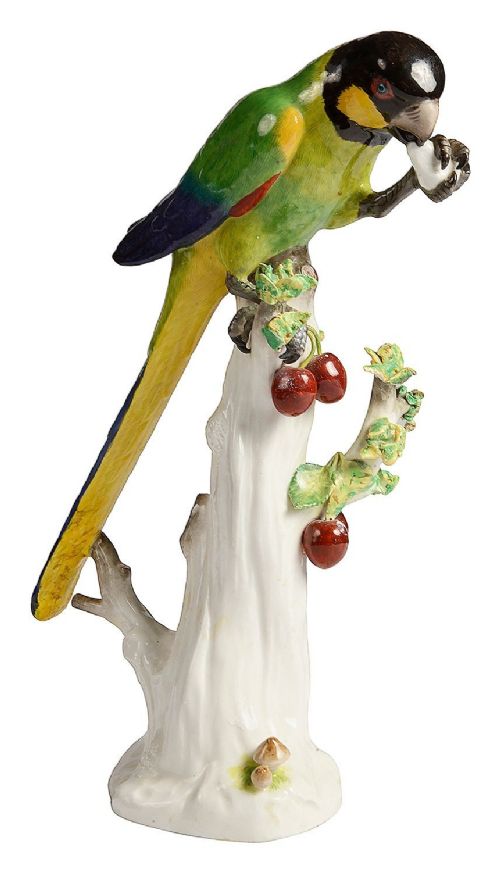
The sophistication of the original design, whether an elaborate eighteenth-century pastoral group or a large nineteenth-century parrot perched on a tree trunk, dictates the artistic merit. Condition of the delicate extremities, such as fingers, petals, and leaves, also separates standard factory output from masterworks.
Meissen·Karl Ens·Nymphenburg·Sitzendorf·Volkstedt Rudolstadt Factory·Paul Scheurich·Triebner Ens And Eckert·George Kemper·Richard Eckert·Carl Thieme Dresden·C G Schierholz·Rosenthal
The Antique German Ceramic Figure Glossary
- Hard-paste porcelain
- A vitrified ceramic composed of kaolin and petuntse that fires at very high temperatures. It forms the durable white body characteristic of fine German figures.
- Enamel
- Opaque or translucent coloured glass fused to the porcelain surface during low-temperature secondary firings. It provides the vibrant palette seen on garments and feathers.
- Gilt
- A thin layer of gold applied to surfaces for decorative accent. This technique highlights rims, garments, and architectural elements on figures and oil lamps.
- Sweetmeat dish
- A small ceremonial container or basket held by a figure to serve confectionery at dining tables. These functional items combine sculpture with tableware.
- Glaze
- A glassy coating fused to the ceramic body to seal the porous clay and provide a glossy finish. It protects the painted enamel beneath.
Antique German Ceramic Figure: Frequently Asked Questions
What periods do these porcelain figures span?
The listings encompass items created from the mid-eighteenth century through the nineteenth century and into the early twentieth century. Rococo revival and Victorian aesthetics dominate the nineteenth-century selections.
Art Deco examples from the 1930s also appear, alongside eighteenth-century models associated with specific historic periods like the Marcolini era.
Were these figures purely decorative?
While many pieces functioned solely as ornamental figurines or groups, others served practical purposes in historic homes. Examples include figural oil lamps, candlesticks, and sweetmeat baskets.
These hybrid objects combined domestic utility with elaborate sculptural ornamentation.
How should I display antique German porcelain?
These ceramic figures require stable placement away from high-traffic edges, heavy vibrations, and direct sunlight that might fade enamels. Glass-fronted cabinets protect delicate extremities like fingers and leaves from accidental damage.
Allowing adequate space around larger pieces, such as multi-figure groups or large parrots, highlights their modelling from multiple angles.