
Antique French Pottery
Antique French pottery offers tactile earthenware and glazed faience that bring rustic charm and refined provincial character to any room.
Antique French Pottery
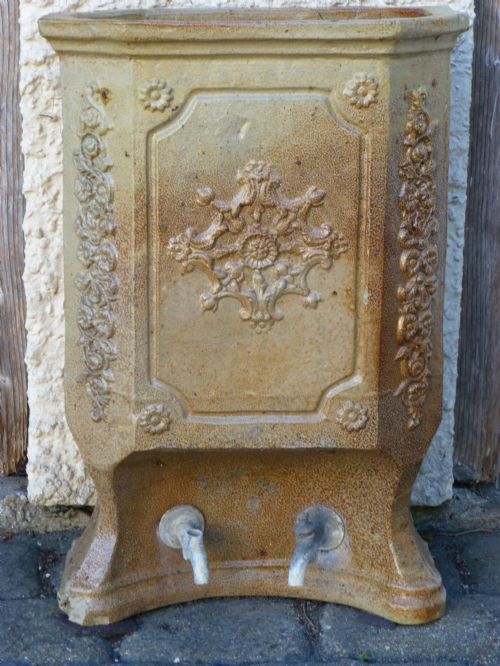
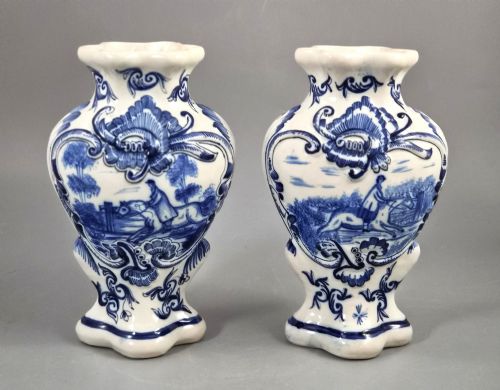
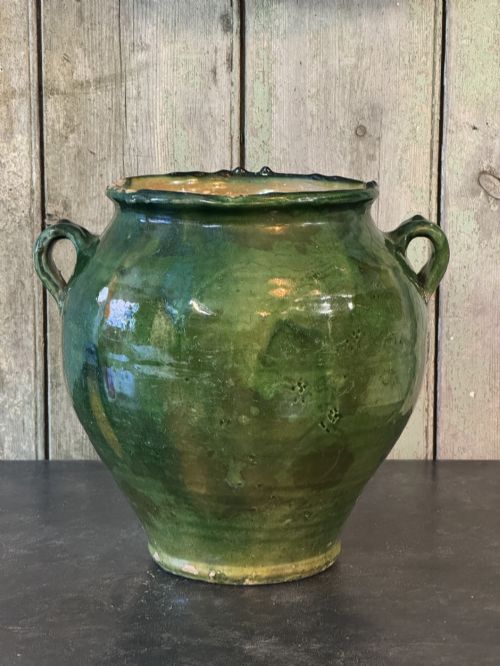
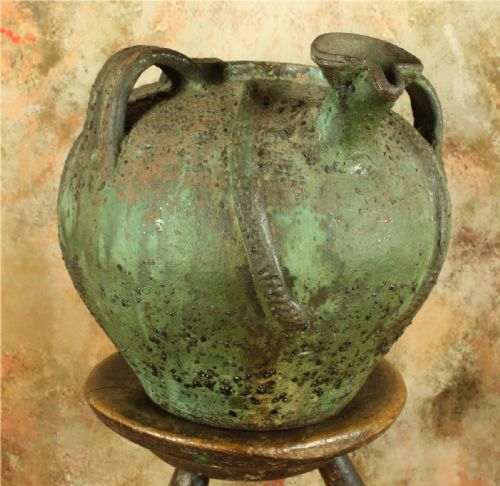
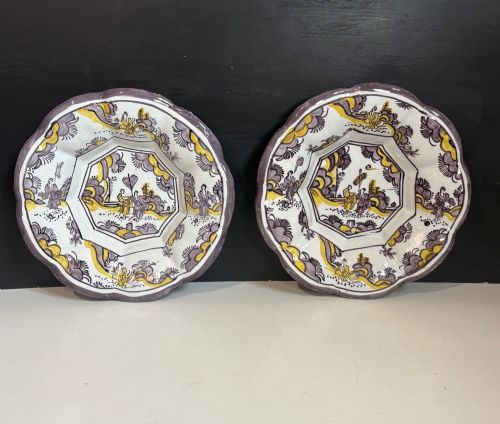
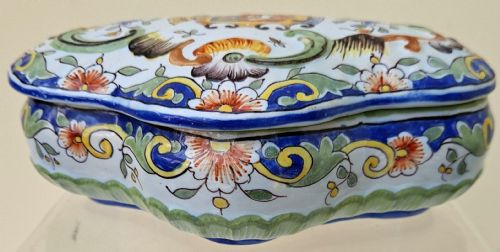
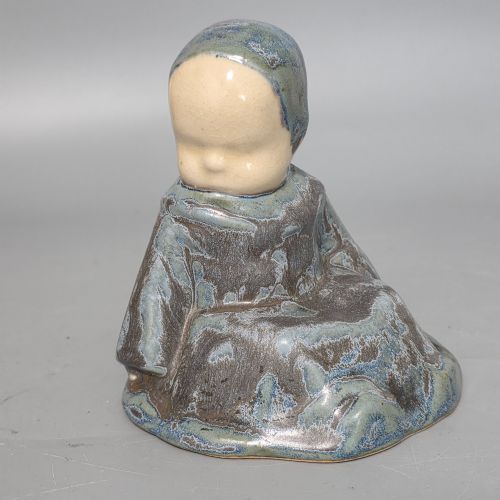
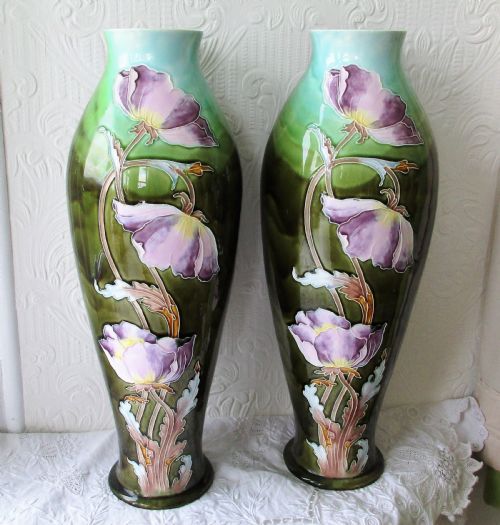
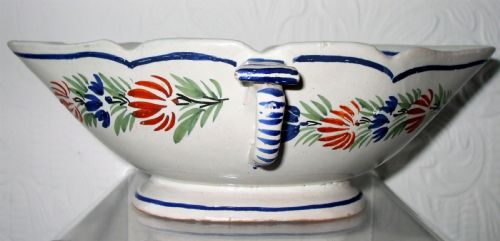
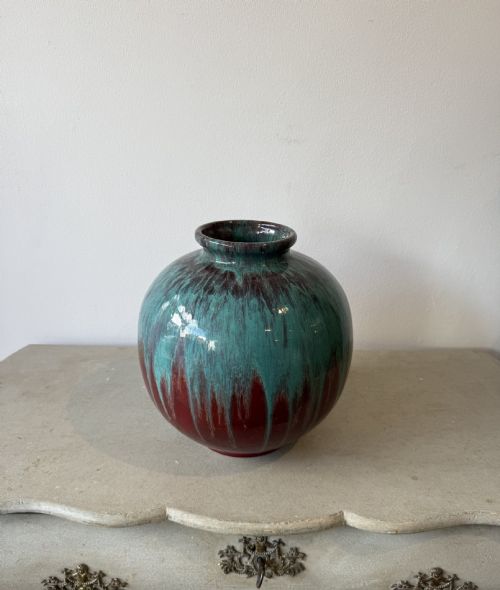
Antique French pottery encompasses domestic vessels, decorative vases, and tableware spanning the nineteenth century, including specific Regency pieces and later provincial wares. Buyers searching for antique French pottery frequently encounter glazed green confit pots, Quimper dishes, and richly painted faience vases.
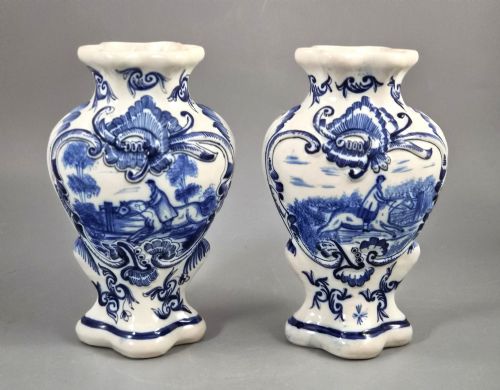
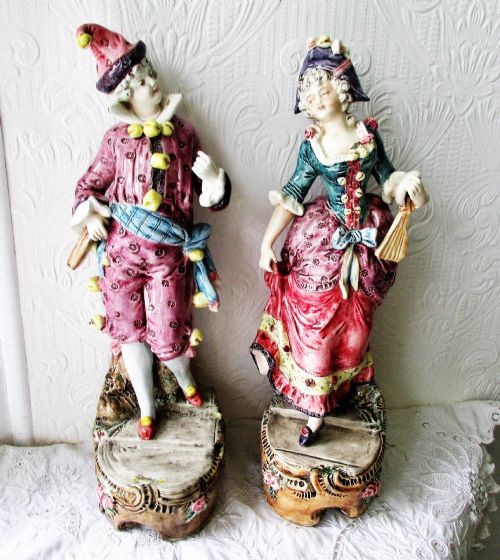
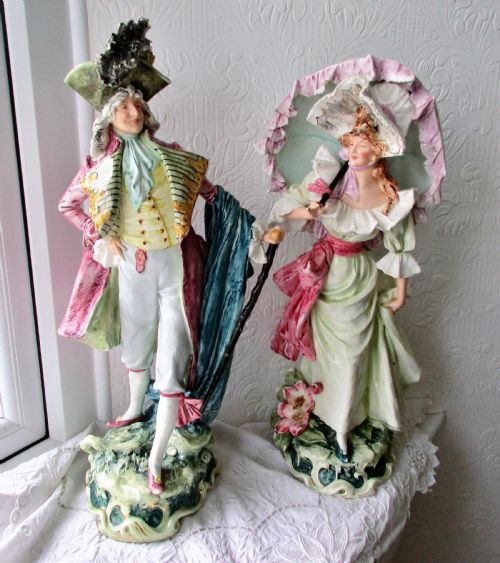
The selection ranges from functional country kitchen earthenware to decorative porcelain and faience from makers based in regions such as Desvres and Fontainebleau. These items embody traditional French country and provincial styles alongside more ornate Rococo Revival expressions.
How they were made
Potters shaped local clay and terracotta on the wheel or in moulds before applying opaque tin glazes or transparent lead finishes to the earthenware surfaces. Decoration involved hand-painted pigments directly onto the unfired glaze, capturing traditional motifs.
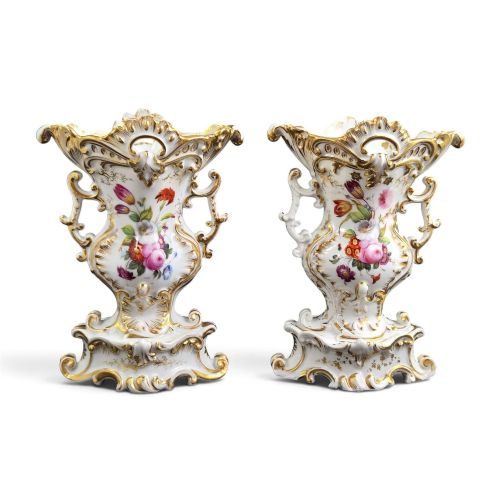
Certain pieces incorporate enamel and gold leaf highlights over porcelain or faience bodies, fired at high temperatures to secure the vibrant colours and glossy sheens.
Antique French Pottery Retail Price Guide 2026
Typical asking prices for french pottery among the pieces listed under this phrase on Sellingantiques today, from the lower quarter to the upper quarter. They describe what is for sale here now, not the wider market.
The inventory includes both regional French provincial objects and highly decorative Rococo Revival pairs.
What varies in quality
Quality rests upon the crispness of the hand-painted decoration, the evenness of the glaze application, and the overall survival of delicate details like gold leaf and enamel. Superior examples exhibit confident brushwork and well-balanced forms.
The complexity of the moulding and the prestige of the specific pottery influence the distinction between standard provincial utility items and high-end decorative vessels.
Jacob Petit·Fourmaintraux Courquin·HR Quimper
The Antique French Pottery Glossary
- Faience
- Tin-glazed earthenware produced across France, known for its absorbent clay body and painted decoration. It forms the backbone of traditional continental ceramics.
- Confit Pot
- A heavy earthenware jar with a fully glazed interior and upper body, historically used in French farmhouses for preserving meat and duck. These pots feature distinctive side handles for lifting.
- Regency
- A design period spanning the early nineteenth century characterised by classical revival details and ornate decorative flourishes. In pottery, it often signals sculptural elegance.
- Posy Vase
- A small vessel specifically designed to hold short-stemmed bunch flowers or single blooms. They appear frequently in nineteenth-century faience productions.
Antique French Pottery: Frequently Asked Questions
What is a confit pot?
A confit pot is a traditional French earthenware jar designed for preserving food in fat before refrigeration.
They feature sturdy handles and glazed surfaces that make them robust decorative accents for modern interiors.
How do I identify Quimper pottery?
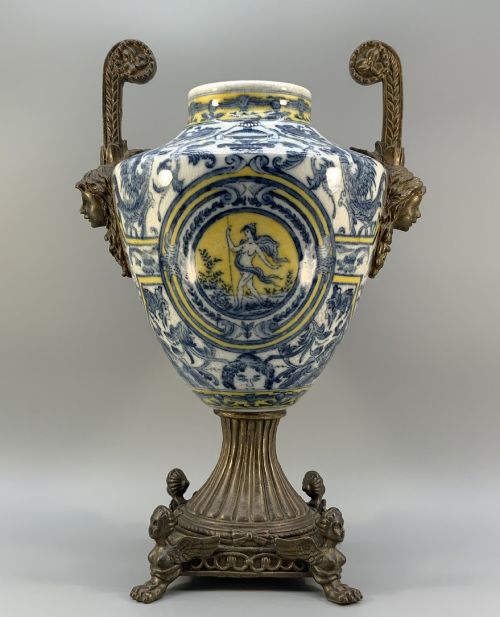
Quimper pottery is recognised by its distinctive hand-painted Breton figures and floral motifs rendered in blue, yellow, and green palettes.
These pieces often bear maker marks from the town of Quimper in northwestern France.
Where was nineteenth-century faience made?
Nineteenth-century faience was produced in various regional workshops and potteries across France, including Desvres and Quimper.
Each region developed unique decorative vocabularies tied to local traditions.
How do I care for antique pottery?
Antique pottery requires gentle handling and cleaning with a soft, dry cloth to protect fragile glazes and enamel.
Avoid using abrasive detergents or submerging porous earthenware in water for extended periods.