
French Ceramic Vases
French ceramic vases bring together hand-painted surfaces, rich glazes and gilt bronze mounts that capture centuries of continental taste.
French Ceramic Vases
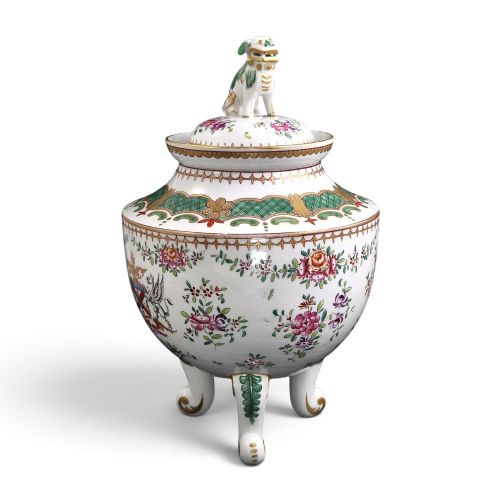
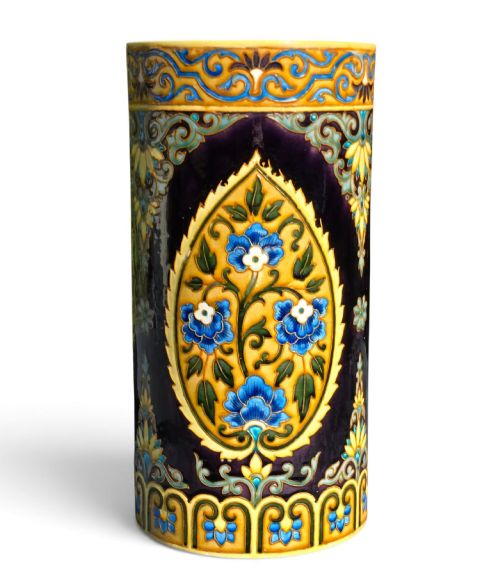
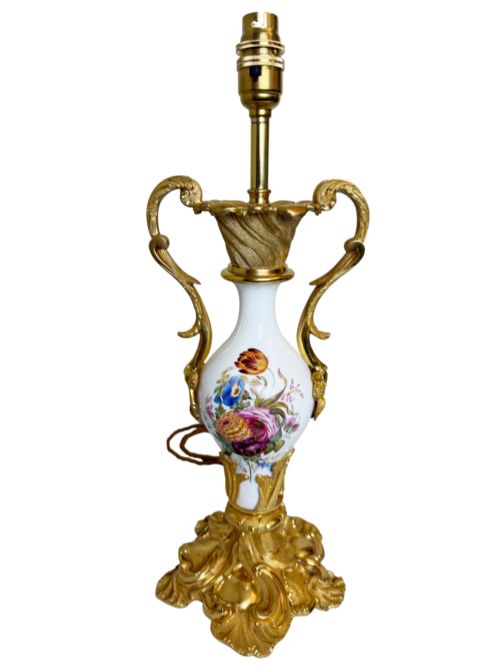
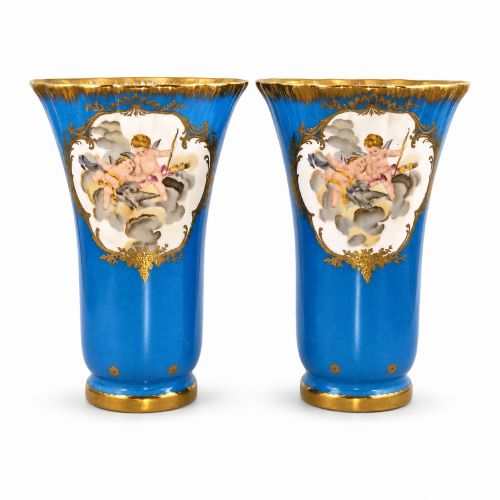
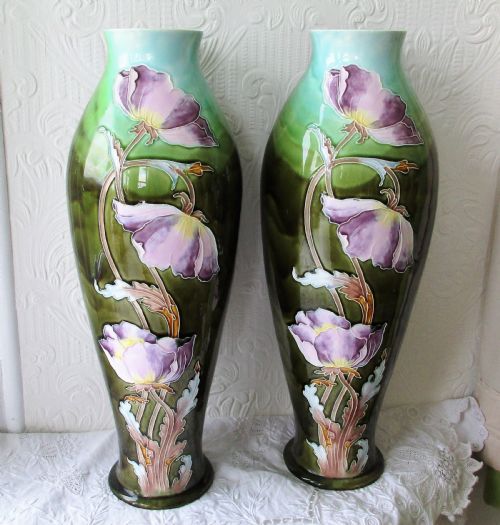
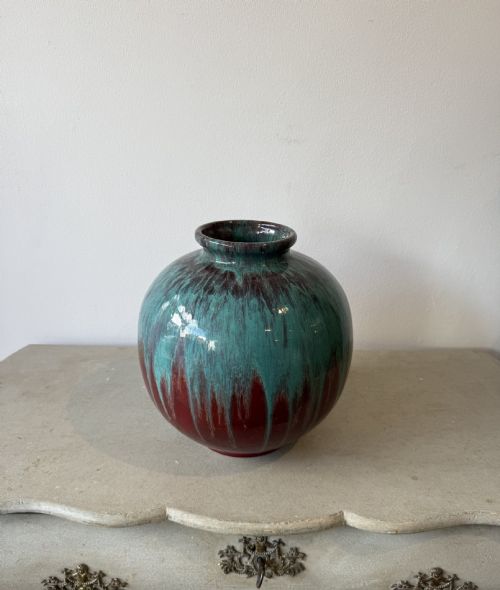
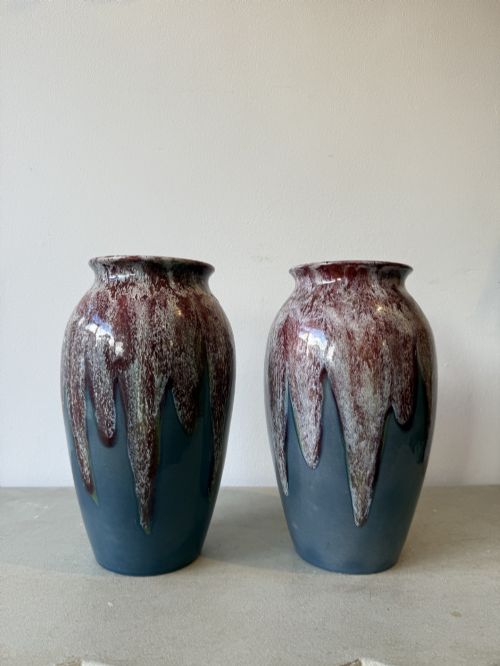
When buyers search for french ceramic vases, they encounter an array of decorative vessels spanning from the nineteenth century into the art deco period. The selection includes porcelain table lamps, earthenware umbrella stands, glazed confit pots and lidded urns designed for display.
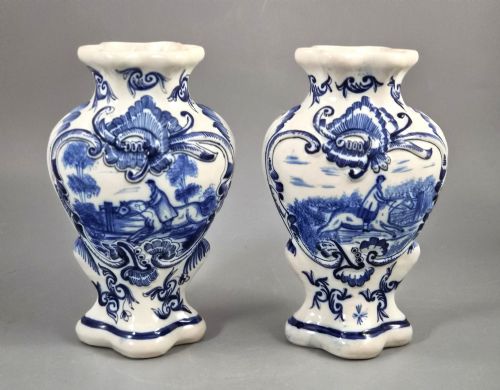
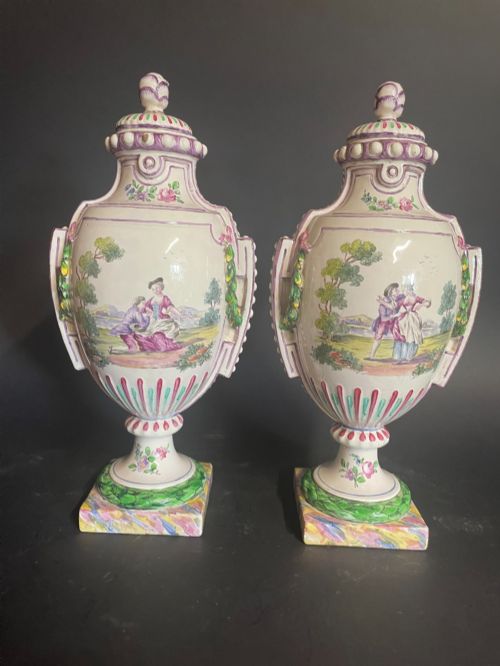
Porcelain and faience pieces dominate the selection, often taking the form of campana shapes, Medici profiles or baluster bodies. Confit pots and jardinières sit alongside highly decorated exhibition pieces originating from Paris workshops and regional pottery centres.
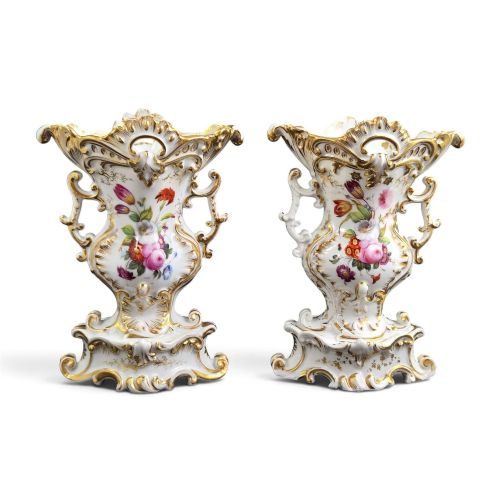
Many items display historical revival styles, referencing eighteenth-century taste, renaissance motifs or Japanese aesthetics. These objects served primarily as decorative focal points within nineteenth-century interiors, functioning as centrepieces, mantel ornaments or fitted lamp bases.
How they were made
Potters shaped these vessels using traditional methods in clay and soft or hard-paste porcelain, applying glazes that range from monochrome green and powder blue to intricate hand-painted floral panels. Artisans utilised techniques such as pâte-sur-pâte to build up layered white relief designs over coloured slip grounds.
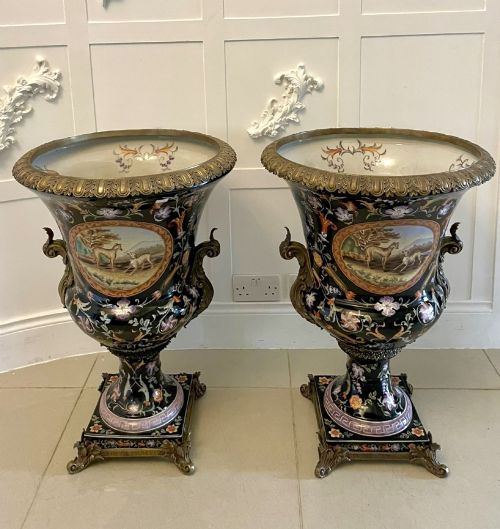
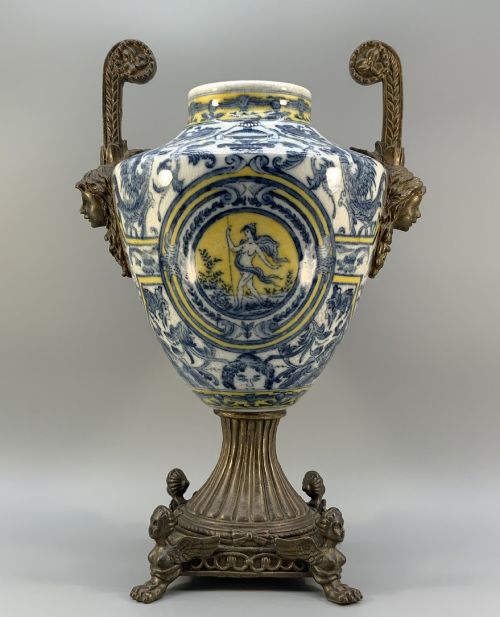
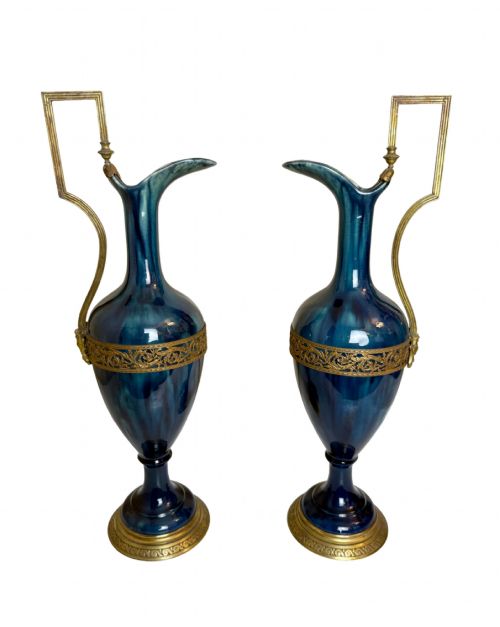
Metal components played a structural and decorative role, with workshops mounting porcelain bodies in cast ormolu, gilt bronze and brass. Confit pots and utilitarian jars received fully glazed waterproof interiors, while cabinet pieces featured hand-gilded accents and enamel detailing.
Some nineteenth-century potters secretly painted tiny hidden insects inside their floral compositions just to test if observant buyers were looking closely.
What varies in quality
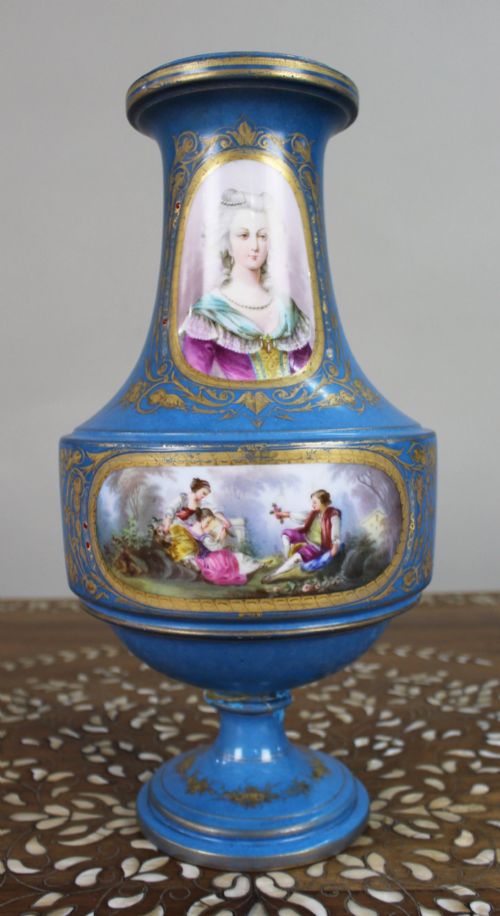
The standard of painting on the ceramic surface dictates much of the distinction between ordinary production and superior work. Hand-painted birds, armorial crests and botanical subjects executed with fine brushwork and precise enamelling separate master-painted display pieces from simpler stencilled or factory-repeated decoration.
The integration of metal mounts also defines the tier of a piece. Heavily chased gilt bronze and ormolu mounts fitted flush to the ceramic body show a higher degree of atelier craftsmanship than standard brass stampings.
Samson Paris·Jacob Petit·Théodore Deck·Fourmaintraux-Courquin·Robert T Lallement
The French Ceramic Vases Glossary
- Faience
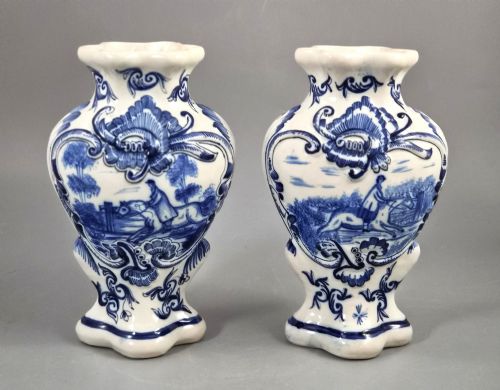
- Tin-glazed earthenware produced across European potteries, often decorated with blue and white designs or polychrome pigments. It forms the basis of many traditional decorative urns and vases.
- Ormolu
- Finely ground high-carat gold cast onto a bronze base, providing a rich metallic finish. Found securing handles, rims and bases on fine nineteenth-century porcelain.
- Confit Pot
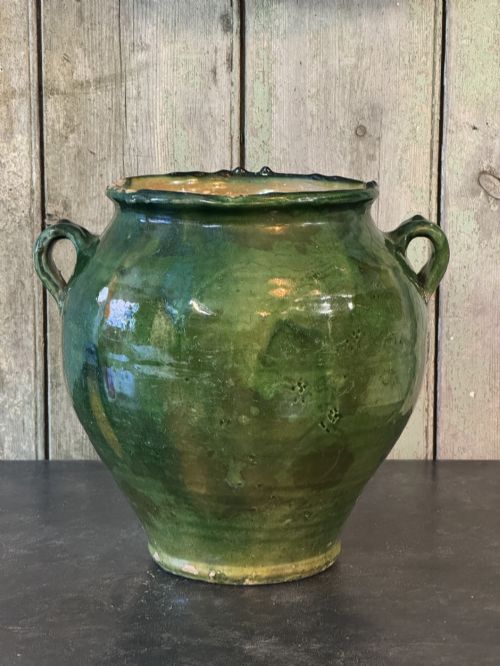
- A utilitarian French earthenware vessel featuring a fully glazed interior and upper body, originally used for food preservation. These pots now serve as popular rustic vases.
- Pâte-sur-pâte
- A porcelain decoration technique where successive layers of liquid white clay are painted onto a coloured clay body before firing. This builds a delicate bas-relief effect.
- Campana
- An inverted bell-shaped vessel with a flared rim and foot, originating from classical antiquity. French makers frequently adapted this classic silhouette in porcelain and faience.
French Ceramic Vases: Frequently Asked Questions
What is a French confit pot?
A French confit pot is a traditional earthenware jar featuring a partially glazed terracotta body, originally designed for storing preserved meats. Today, collectors value these robust pots for their warm earth tones and sculptural utility as rustic flower vessels.
Most examples date from the nineteenth century and show distinct regional glaze variations, particularly in rich green and ochre tones. Their generous proportions make them practical for displaying large botanical arrangements.
What are ormolu mounts on vases?
Ormolu mounts are decorative gilded bronze fixtures applied to the rims, handles, and bases of ceramic vases. They served both to protect fragile porcelain edges and to elevate the decorative status of the object.
In nineteenth-century French pieces, these mounts were cast with intricate rococo or neoclassical scrolling patterns, matching the stylistic themes of the ceramic body beneath.
How do I style antique vases at home?
Antique French vases work effectively as standalone decorative statements on mantelpieces, sideboards, or fitted as functional table lamps. Pairing contrasting forms, such as placing a tall campana vase beside a low jardinière, creates visual balance.
When using glazed earthenware and porcelain vessels for fresh flowers, consider placing a glass inner container inside older pieces to protect historical ceramic interiors from moisture.