
Antique French Ceramics
Antique french ceramics encompass glazed earthenware, faience and soft-paste porcelain shaped into table lamps, jardinieres and decorative dishes across centuries of regional artistry.
Antique French Ceramics
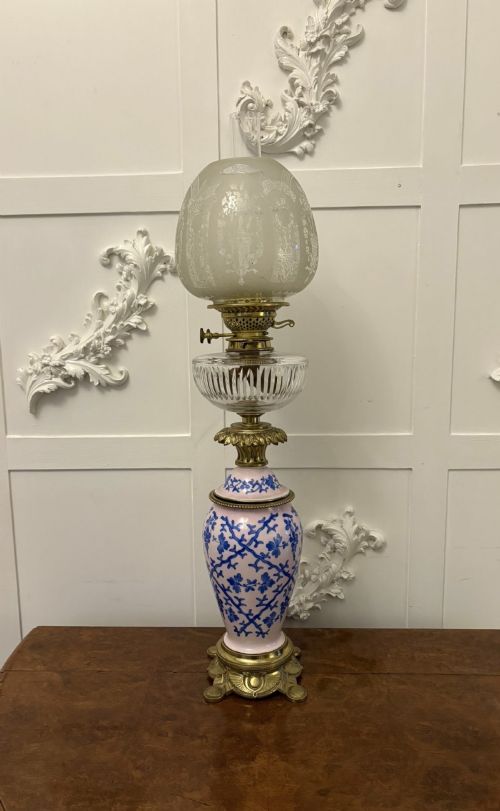
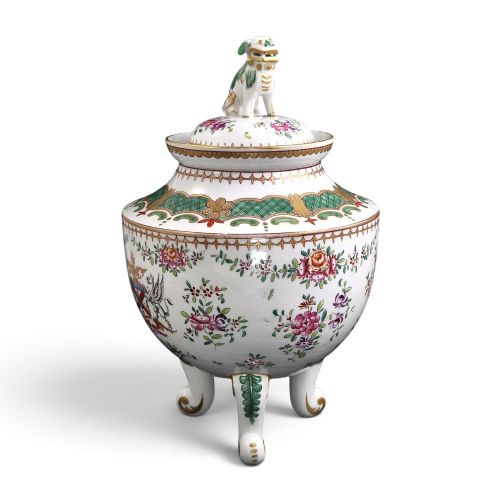
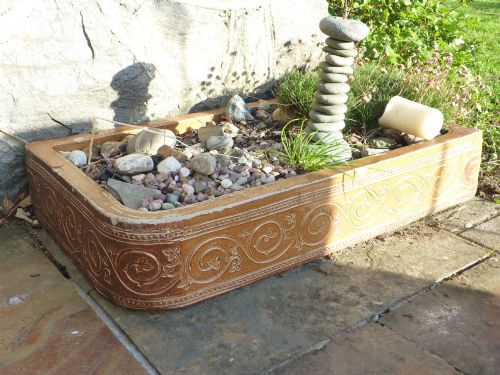
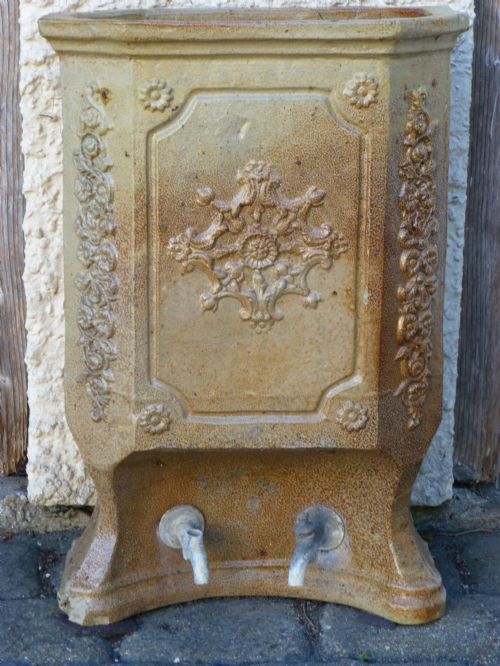
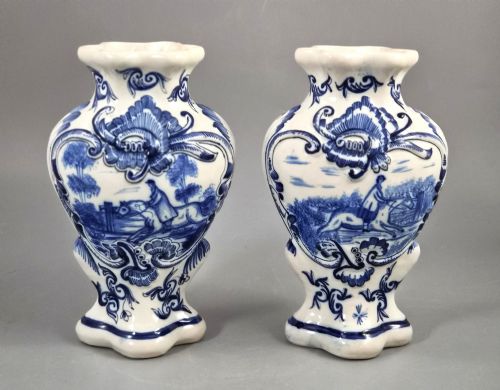
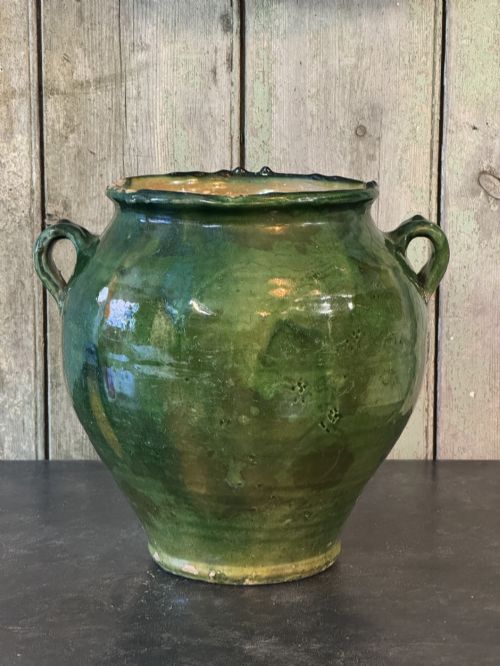
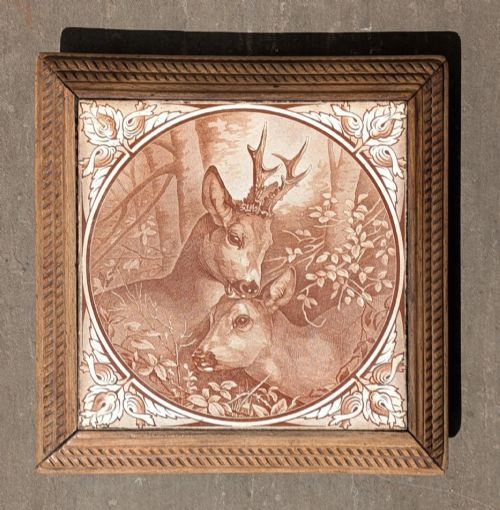
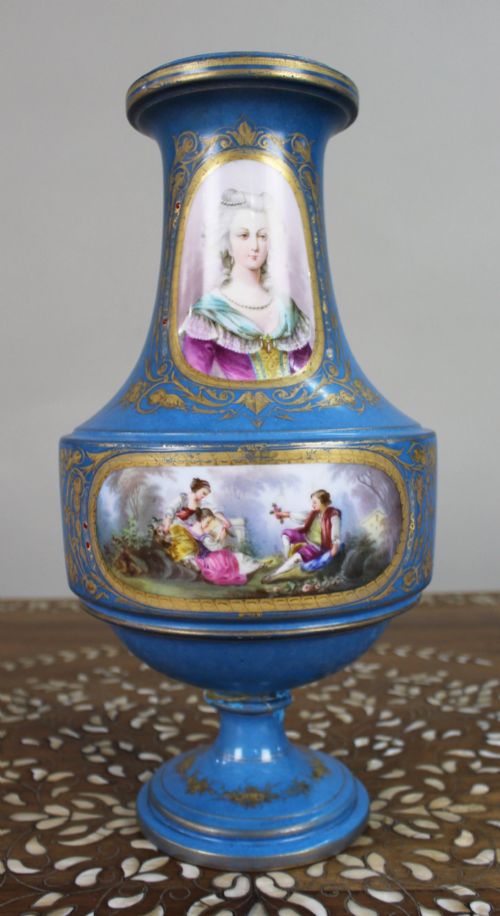
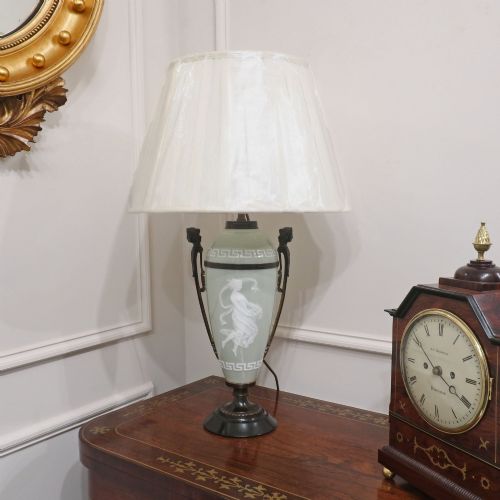
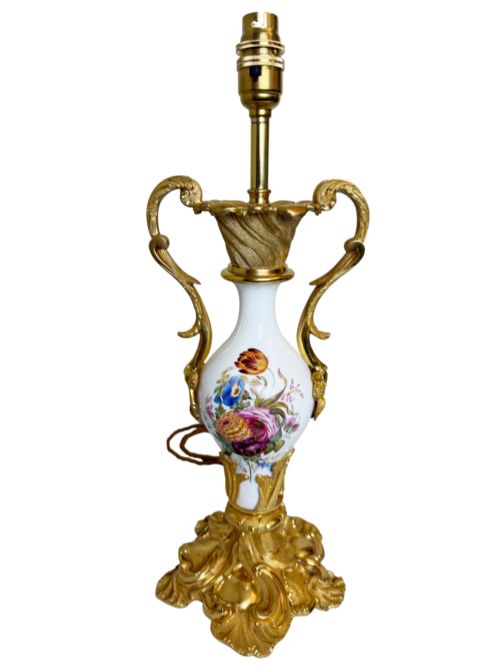
These antique french ceramics span functional kitchen vessels, decorative jardinieres, and table lamps originating from various regional potteries. Pieces range from utilitarian salt-glazed stoneware and confit pots to finely painted Sèvres-style porcelain and Desvres faience.
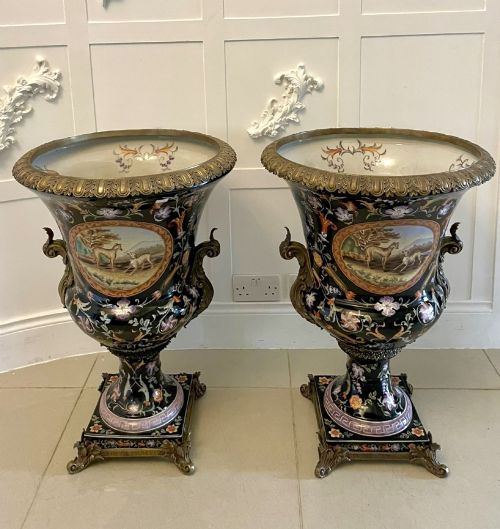
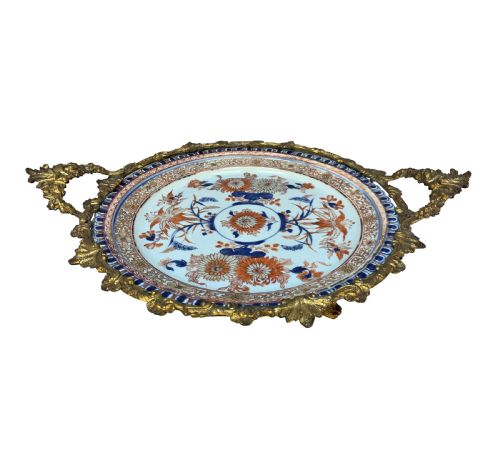
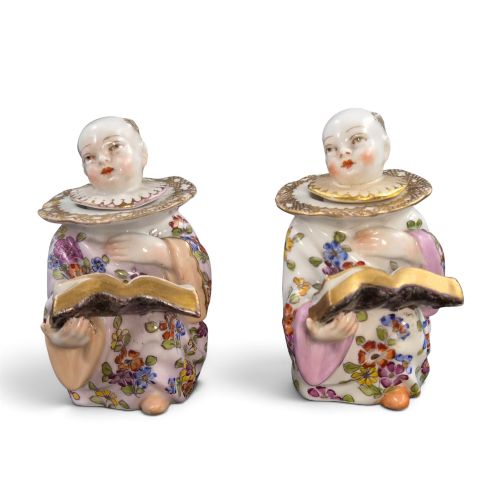
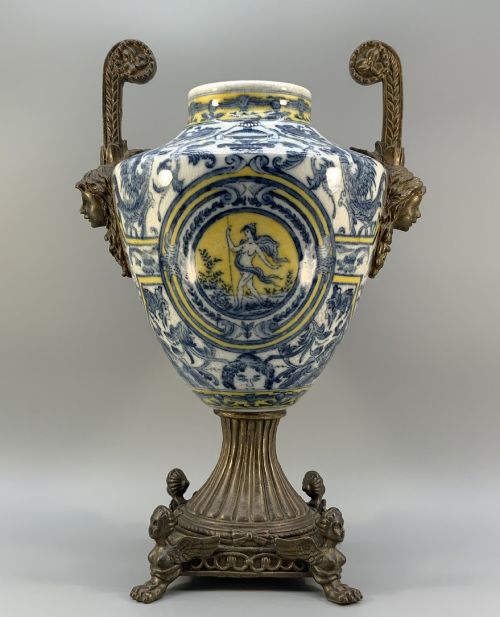
The selection frequently includes 19th-century production alongside 18th-century tin-glazed dishes and porcelain teapots. Buyers encounter diverse decorative forms, including Chinoiserie chargers, figural inkwells, and gilt-bronze mounted urns.
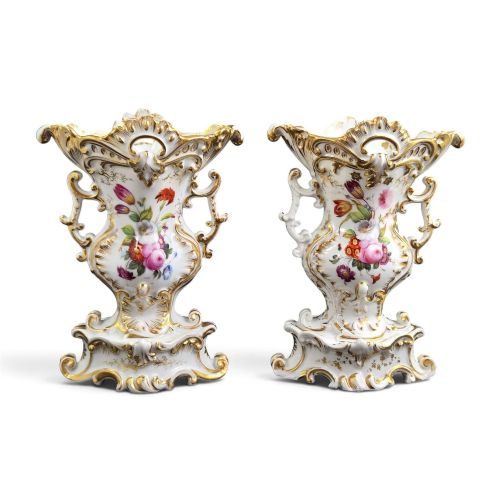
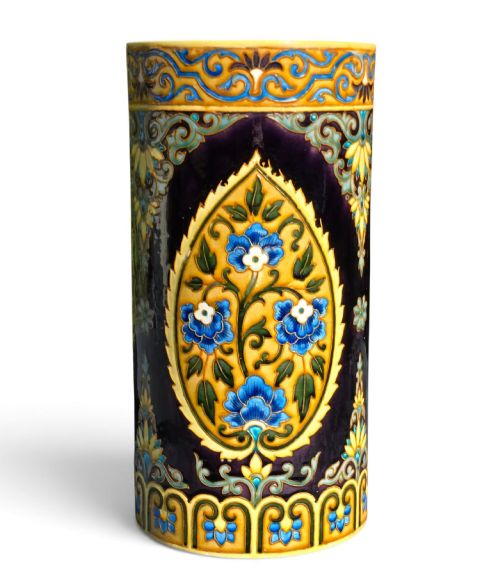
Objects mirror distinct stylistic shifts, moving from Louis XV and Louis XVI periods into Rococo Revival, Neoclassical, and later Art Nouveau aesthetics. Each piece demonstrates the enduring technical skill of European ceramicists.
Materials and production methods
Potters utilised native clays, soft-paste porcelain mixtures, and tin glazes to form the foundational bodies of these vessels. Firing took place in traditional kilns, often followed by hand-painted polychrome or monochrome decoration.
Many items incorporate mixed media, pairing ceramic bodies with ormolu, brass mounts, and gilt bronze trim. Glaze formulations varied widely, producing salt-glazed textures, crackle effects, and rich celadon or bleu céleste surfaces.
Antique French Ceramics Retail Price Guide 2026
Typical asking prices for french ceramics among the pieces listed under this phrase on Sellingantiques today, from the lower quarter to the upper quarter. They describe what is for sale here now, not the wider market.
Listings feature 18th-century tin-glazed dishes alongside 19th-century salt-glazed stoneware and porcelain table lamps.
Assessing quality in the collection
Quality rests upon the crispness of the hand-painted detail, the precision of the glaze application, and the integration of metal mounts. Superior works display delicate brushwork, balanced proportions, and well-preserved surface finishes.
The integrity of the ceramic body and the originality of associated hardware, such as original stoppers or bronze mounts, dictate the overall standard. Finer specimens exhibit careful firing control and distinct artistic attribution.
Edmé Samson·Jacob Petit·Théodore Deck·Fourmaintraux-Courquin·Clement Messier
The Antique French Ceramics Glossary
- Faience
- Tin-glazed earthenware produced in France and other European regions, typically featuring opaque white glazes painted with coloured pigments. This technique developed extensively during the seventeenth and eighteenth centuries.
- Soft-paste porcelain
- A ceramic material composed of clay and glass frit, fired at lower temperatures than hard-paste porcelain. It yields a distinctive warm glaze appearance popular in eighteenth-century French manufactories.
- Confit pot
- A traditional glazed earthenware vessel used historically in rural France for preserving meats. These utilitarian pots usually feature characteristic handles and fully glazed interior surfaces.
- Orlumu
- Gilded bronze mounts applied to decorative objects, furniture, and porcelain pieces. This decorative metalwork enhanced the status of ceramic vessels during the eighteenth and nineteenth centuries.
- Pate sur pate
- A ceramic decoration method where successive layers of liquid clay are built up on a damp body to create a low relief cameo effect. The technique requires meticulous skill from the artisan.
Antique French Ceramics: Frequently Asked Questions
How do I clean antique french ceramics?
Dust surfaces gently with a dry, soft cloth to prevent abrasive damage.
Avoid using water or chemical cleaners on unglazed surfaces and delicate gilt bronze mounts.
Are these ceramic pieces safe for food use?
Most antique items are intended for decorative display rather than modern culinary service.
Historic glazes may contain materials unsuitable for contemporary food consumption.
How do I distinguish faience from porcelain?
Faience is opaque earthenware covered in a tin glaze that hides the darker clay body beneath.
Porcelain is a vitrified, denser material that transmits light through thinner sections and remains white throughout.
What causes crackle ware effects?
Crackle glaze results from a deliberate tension mismatch between the ceramic body and the surface glass during cooling.
This shrinkage creates fine network patterns across the decorative finish.