
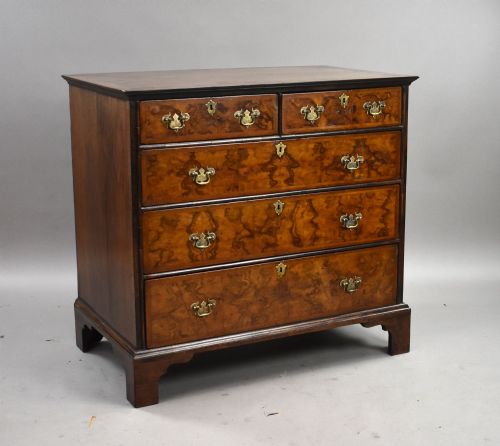


Antique Feather Banded Drawer
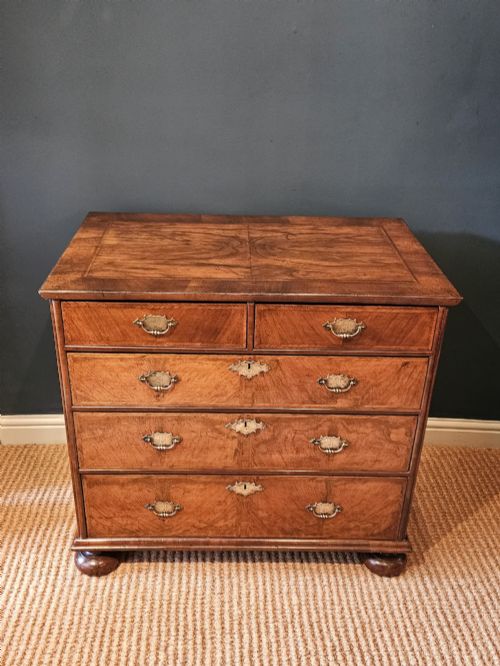
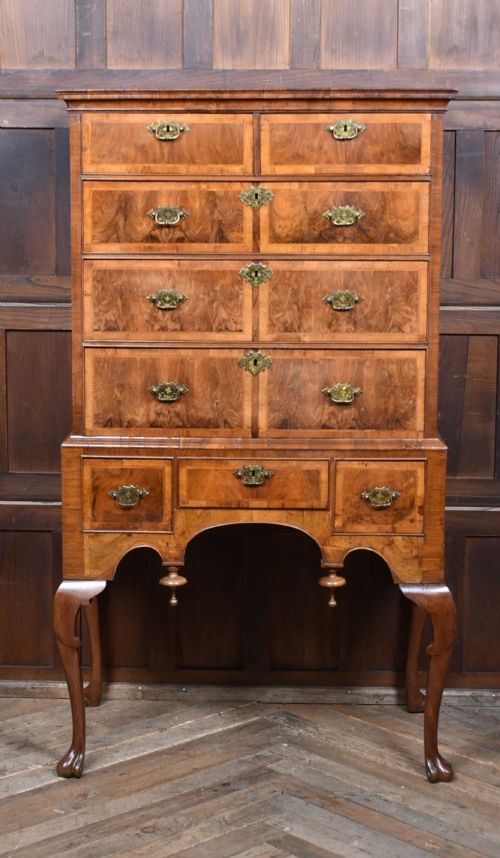
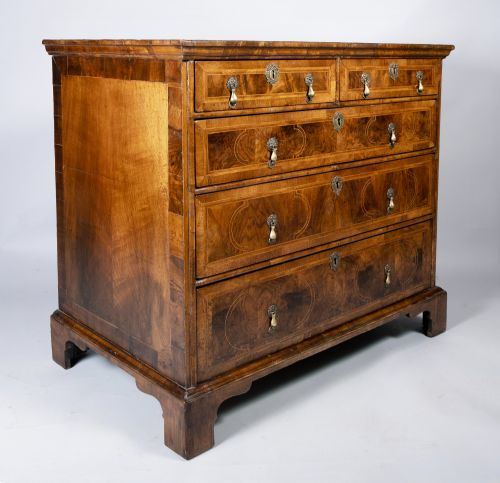
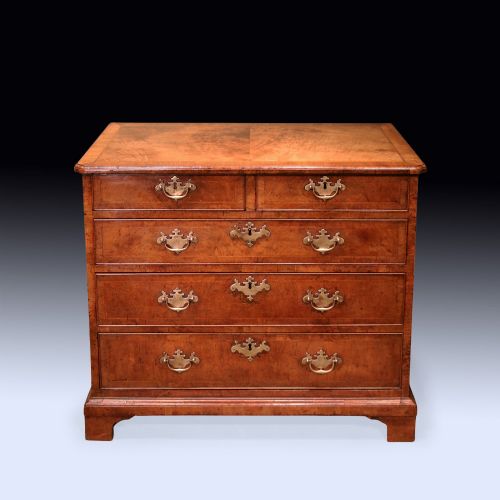
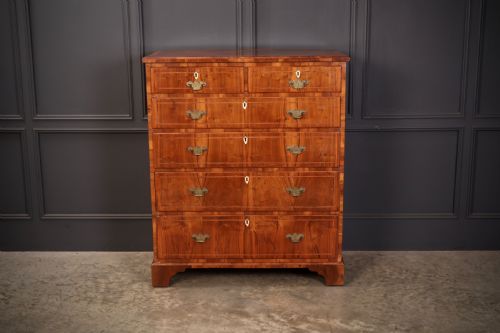
These walnut pieces framed by fine feather banding are classic early storage furniture built to display rich timber grain.
Antique Feather Banded Drawer
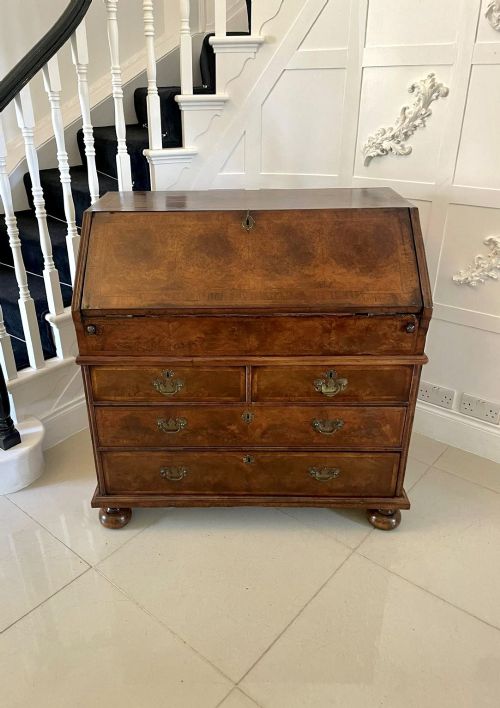
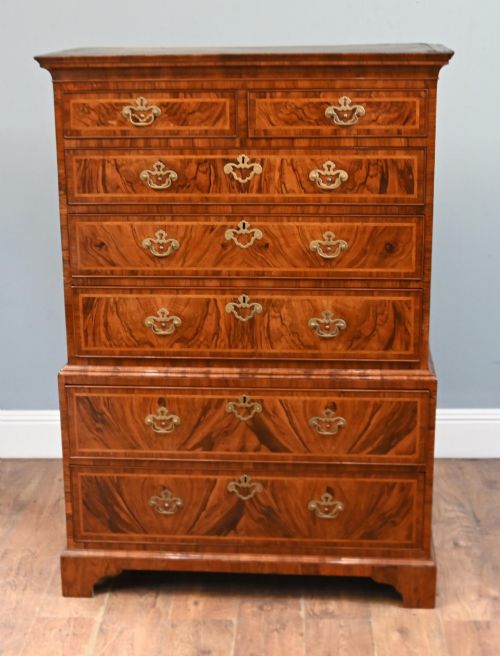
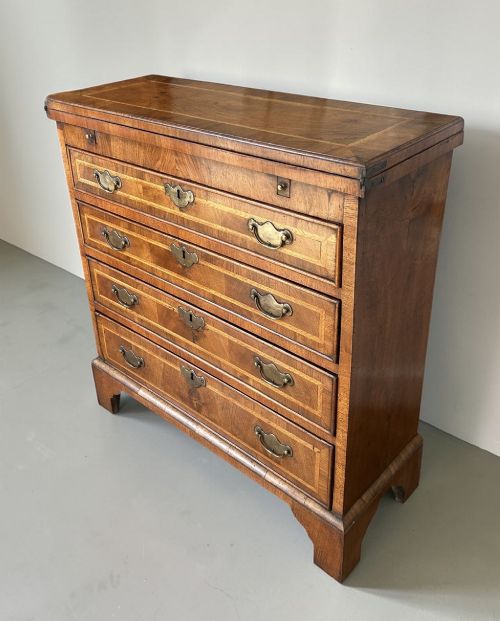
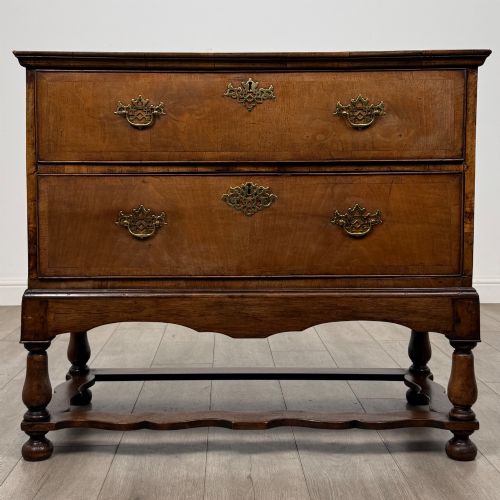
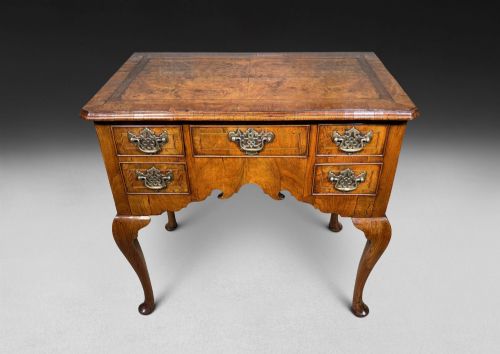
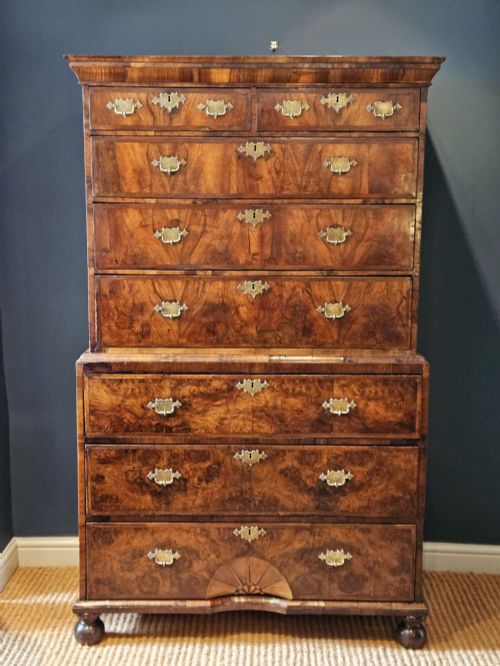
An antique feather banded drawer forms part of sophisticated walnut case furniture from the late seventeenth through the eighteenth century. When you examine an antique feather banded drawer, you encounter chests, lowboys, bureaux and tallboys constructed primarily during the Georgian, Queen Anne and William and Mary periods.
The chests of drawers and tallboys dominate the selection here, alongside specialised writing pieces like bureaux and escritoires. Most examples rely on figured walnut or burr walnut veneers applied to carcases of oak or pine, finished with characteristic decorative borders.
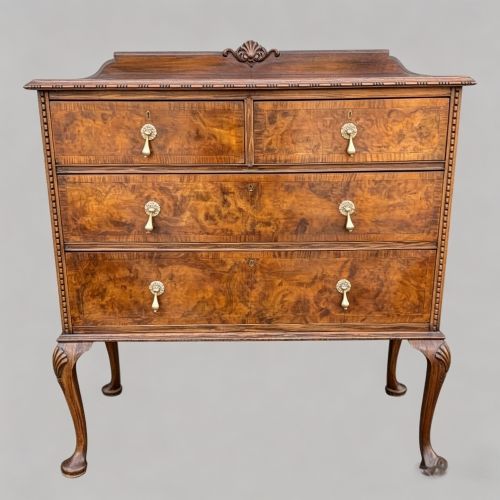
While eighteenth-century originals form the core of the listings, later revival pieces from the early twentieth century also appear. These later iterations continue traditional forms using the same timber vocabulary and banding techniques.
Materials and construction methods
Cabinetmakers constructed the main carcases using native hardwoods like oak, applying thin veneers of walnut to the visible exterior surfaces. Selected timbers often included burr walnut and figured walnut to create dramatic patterns across drawer fronts and top panels.
The characteristic feather banding consists of tiny strips of contrasting wood, such as boxwood and walnut, cut at an angle and laid in opposing directions to resemble the spine of a feather. These delicate borders frame the drawer perimeters, often accompanied by cross-banding in matching timber.
Drawers run on side rails or bottom supports within solid wood linings, fitted with brass drop handles and backplates secured through the drawer fronts.
Periods represented span from seventeen-hundred through the Georgian era to early twentieth-century revivals.
Distinctions in craftsmanship and materials
The choice of timber underpins the visual impact, separating standard figured walnut veneers from highly figured burr walnut selections with intense natural patterning. Master craftsmen aligned the grain symmetrical across drawer banks and facades to create a cohesive picture.
Precision in the banding defines the maker's skill, requiring exact angles so the herringbone or feather lines meet uniformly at every corner without gaps. The depth of colour and the preservation of the original polished surface finish also determine the aesthetic standing of each piece.
The Antique Feather Banded Drawer Glossary
- Feather banding
- A decorative inlay technique using narrow strips of wood cut diagonally and laid in a V-shape pattern around drawer edges. This creates a distinctive central spine resembling bird feathers.
- Cross-banding
- A strip of veneer applied to the border of a panel or drawer front where the grain runs perpendicular to the central surface. It provides a neat framing effect for the main timber.
- Burr walnut
- Timber taken from a growth or wart on a walnut tree, yielding highly twisted, swirling grain patterns. Cabinetmakers prized this material for elite cabinetwork.
- Tallboy
- A tall chest of drawers made in two stacked sections, placing a smaller set of drawers on top of a larger base chest. It maximises vertical storage space.
- Lowboy
- A small dressing table or side table featuring one or more rows of drawers beneath a flat top. They typically rest on slender cabriole or turned legs.
- Oyster veneering
- A method of cutting small branches or roots across the grain to produce small circular or oval pieces resembling oyster shells. These are arranged closely together to cover large surfaces.
Antique Feather Banded Drawer: Frequently Asked Questions
What is feather banding?
Feather banding is a decorative border made from tiny wood strips cut at an angle and arranged in a V-shape. It frames the perimeter of drawer fronts on walnut furniture.
Craftsmen used contrasting timbers to make the central spine stand out clearly against the surrounding veneer.
How do I date walnut furniture?
Dating relies on combining construction methods, hardware types, timber choices and overall stylistic markers. Pieces from the early eighteenth century often feature different carcass framing and timber selections compared to later revival items.
Examining the drawer linings and internal boards helps confirm the period of manufacture.
Where were these pieces used?
These chests, lowboys and bureaux served as functional storage and writing furniture in principal rooms of period homes. Tallboys and chests held clothing and linens in bedrooms.
Bureaux provided private writing spaces for correspondence and document storage.
How do I care for walnut veneer?
Keep walnut furniture away from direct sunlight and steady heat sources to prevent the delicate veneers from drying out or lifting. Regular dusting with a soft, dry cloth maintains the finish safely.
Apply traditional wax polish sparingly to nourish the timber surface when needed.