




Georgian Oak and Walnut Table
A georgian oak and walnut table brings tactile warmth and restrained proportion to a room, combining native hardwoods with the subtle figure of burr veneers.
Georgian Oak and Walnut Table
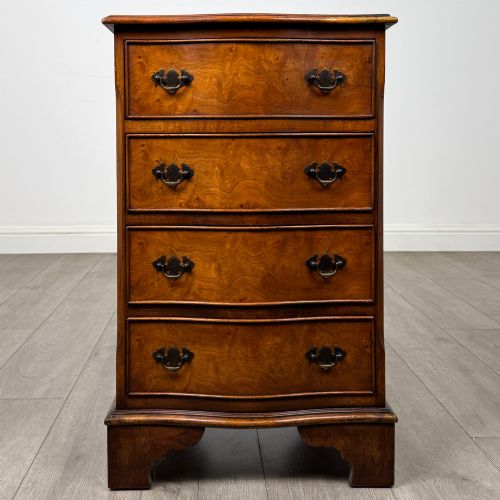
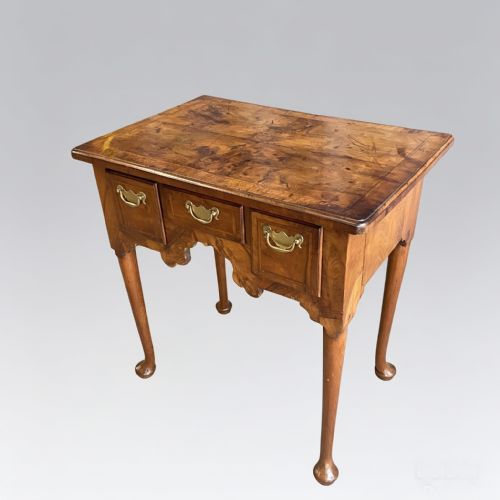
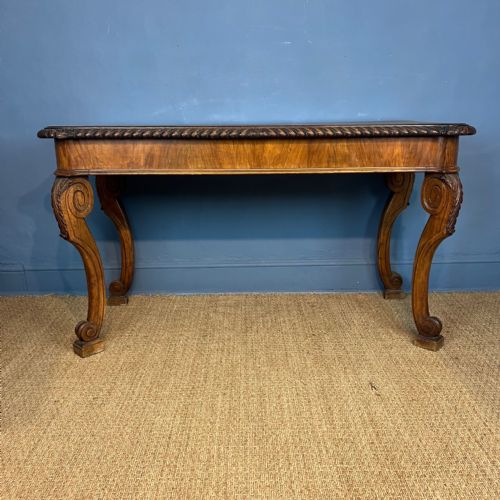
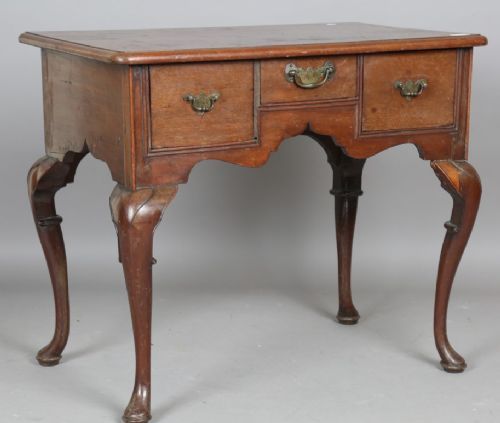
A georgian oak and walnut table encompasses practical lowboys, gateleg dining formats, side tables, and kneehole desks spanning the eighteenth century and into the nineteenth century. These pieces bridge vernacular county cabinet-making and sophisticated urban styles, utilising oak for robust internal framing and walnut for striking primary surfaces.
Lowboys and small side tables dominate the selection, offering compact footprints with single or multiple drawers set above elegant cabriole or straight legs. Buyers encounter early Georgian pieces alongside William & Mary, Queen Anne, and George II examples, reflecting a continuity of domestic utility and understated design.
The material pairing exploits the structural strength of oak alongside the rich colour and grain of walnut, frequently enhanced by burr veneers and feather banding. Occasional tripod tip-top tables and console formats further broaden the domestic repertoire available to collectors.
Materials and Technique
Cabinet-makers constructed carcass frames and structural interiors from solid oak, providing a stable, dense foundation that resists warping over centuries of use. Drawer linings and secondary timbers similarly rely on native oak and pine.
Walnut forms the visual core, deployed as solid timber or as delicate burr walnut veneers applied to primary surfaces with feather banding. Brass handles and escutcheons punctuate the dark timber with metallic contrast.
Listings feature eighteenth-century periods alongside nineteenth-century iterations, spanning oak, walnut, burr walnut, and brass elements.
Judging Quality
Quality rests upon the selection of timber and the precision of the cabinet-maker's joinery, particularly in the matching of burr walnut veneers across drawer fronts. Superior pieces retain their original brass hardware, surface patination, and structural integrity without excessive timber replacement.
Proportion and leg configuration distinguish the finer workshops, where cabriole legs flow naturally into pad or Spanish feet rather than appearing stiff or heavy. The integration of secondary woods like oak must demonstrate period-appropriate hand-tool marks and construction methods.
The Georgian Oak and Walnut Table Glossary
- Lowboy
- A small dressing table or side table featuring a low waist with one to three drawers. These versatile items served various domestic functions in the eighteenth century.
- Feather banding
- An ornamental inlay technique utilising matched veneers cut diagonally to create a herringbone pattern around table edges or drawer perimeters. This detail frames the primary walnut grain.
- Gateleg table
- A drop-leaf table featuring hinged legs that swing outward to support the extended leaves. This clever mechanism allowed large dining surfaces to fold away compactly.
- Kneehole desk
- A compact writing desk featuring a central recessed space for the legs, flanked by pedestals of small drawers. They frequently combine oak carcases with burr walnut facades.
Georgian Oak and Walnut Table: Frequently Asked Questions
Where did people put a lowboy?
Lowboys typically served in bedrooms as dressing tables or in hallways as convenient surfaces for holding correspondence and small daily items. Their compact proportions allowed them to fit neatly against walls without dominating the room.
Over time, collectors repurposed these versatile pieces as side tables in living spaces or libraries, where their drawers remain useful for storage.
How do I care for walnut veneer?
Walnut veneer requires stable indoor humidity and protection from direct sunlight to prevent the timber from drying out or lifting. Regular dusting with a soft, dry cloth preserves the natural lustre of the surface without chemical buildup.
A gentle application of traditional beeswax nourishes the grain and maintains the historical patination developed over centuries.
What is the difference between oak and walnut?
Oak is a dense, heavy native timber utilised primarily for internal framing, structural support, and robust vernacular furniture. Its visible grain and durability made it the backbone of eighteenth-century cabinet-making.
Walnut offers a richer, darker colour and a finer grain, making it the preferred choice for decorative primary surfaces and delicate veneers that catch the eye.