



Antique Ersari Rug
An antique ersari rug brings the rich, geometric artistry of Central Asian weaving directly into modern domestic interiors.
Antique Ersari Rug
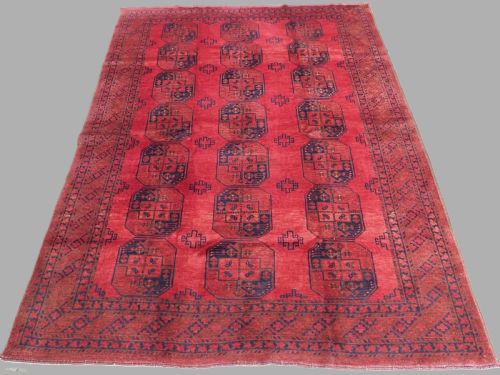
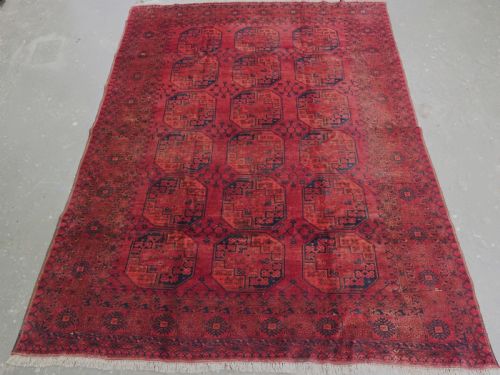
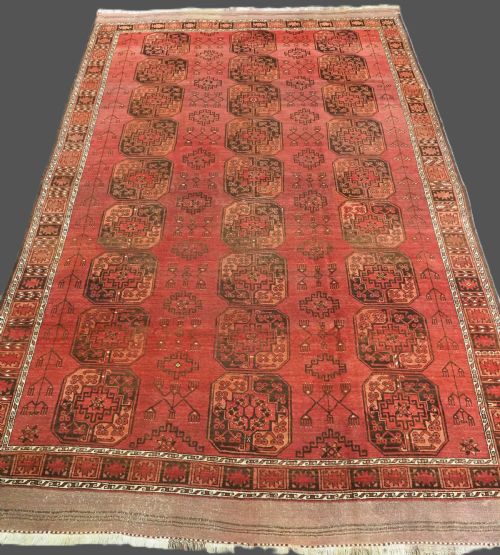
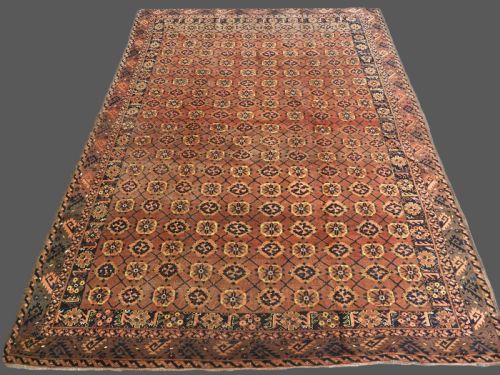
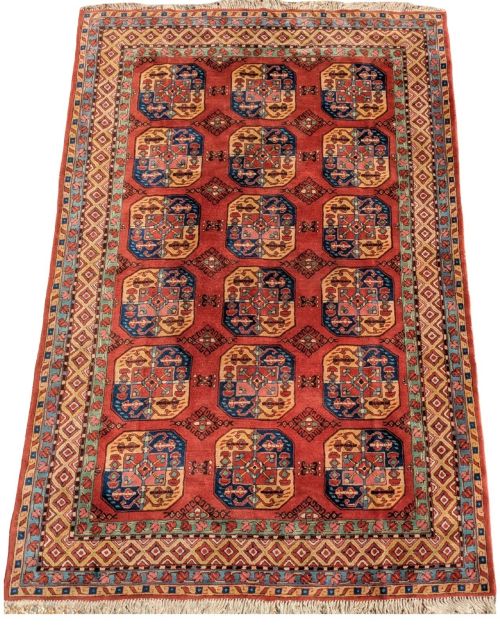
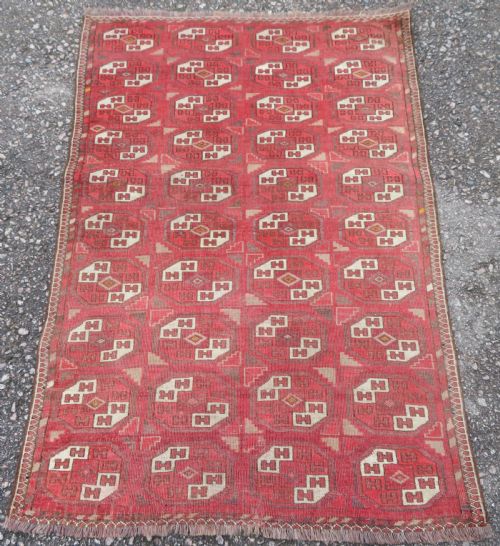
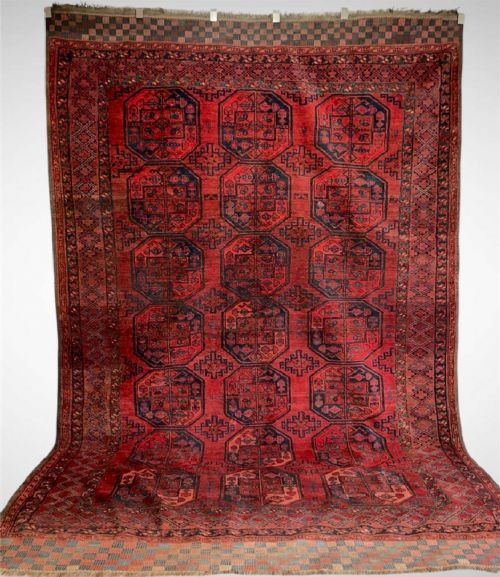
An antique ersari rug represents the tribal weaving heritage of the Ersari Turkmen, nomadic and village weavers originating from Central Asia and northern Afghanistan. These textiles encompass large floor coverings as well as smaller functional items created for daily nomadic life.
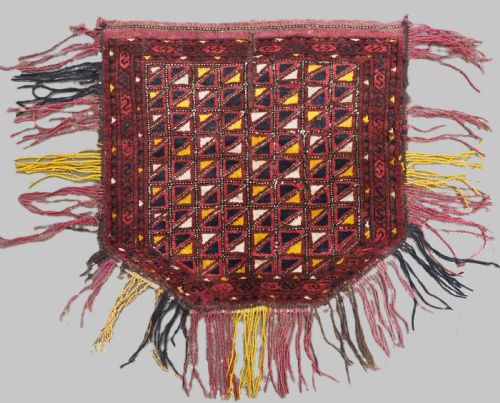
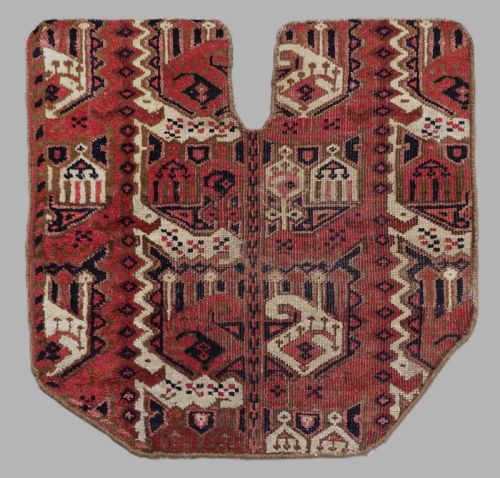
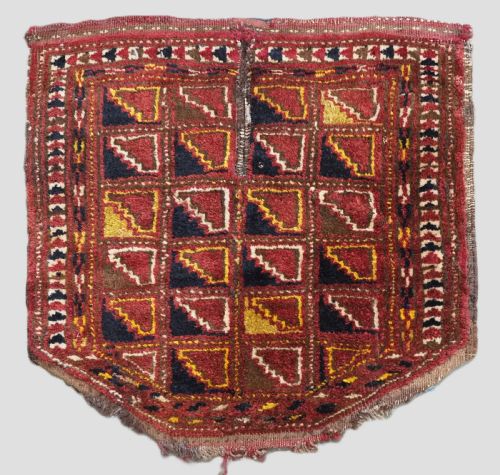
The pieces encountered on this page range from grand main carpets down to smaller utility forms. Buyers frequently find torbas, chuvals, and specialised tent door hangings known as kapunuks, alongside saddle covers and smaller prayer rugs.
Most examples date from the latter half of the nineteenth century into the early decades of the twentieth century. Dating centres predominantly around the era between eighteen-fifty and nineteen-thirty, reflecting the peak production period of traditional tribal workshops.
Materials and Construction
Weavers relied primarily on wool for the pile, frequently utilising hand-spun wool that absorbed natural dyes with rich tonal variation. Foundations commonly incorporated wool, cotton, or goat hair to build a durable structure designed for heavy nomadic use.
Colour palettes were dominated by warm red hues, soft earthy tones, and occasional ivory grounds. Artisans occasionally integrated silk highlights, glass beads, or intricate flat-weave techniques to embellish specific storage bags and tent decorations.
Antique Ersari Rug Retail Price Guide 2026
Typical asking prices for ersari rug among the pieces listed under this phrase on Sellingantiques today, from the lower quarter to the upper quarter. They describe what is for sale here now, not the wider market.
The documented production dates span from eighteen-fifty through nineteen-thirty, encompassing classic main carpets and utility bags.
Assessing Quality and Execution
Quality in these textiles rests upon the fineness of the weave, the clarity of the primary motifs, and the depth of the dye work. Superior examples display crisp geometry within the gul patterns and harmonious colour saturation across the entire surface.
The integrity of original borders, surviving tassels, and complete backs heavily influence the desirability of functional items like torbas and saddle covers. Pieces retaining their structural edges demonstrate careful preservation alongside authentic tribal utility.
The Antique Ersari Rug Glossary
- Gul
- The primary repeating octagonal medallion motif characteristic of Turkmen tribal carpets. These tribal emblems often identify the specific clan or sub-group responsible for the weaving.
- Torba
- A small horizontal storage bag traditionally used inside nomadic tents for household possessions. These pieces frequently feature elaborate face designs intended for display.
- Kapunuk
- A specialised tent door hanging or portiere designed to frame the entrance of a yurt. Such textiles typically exhibit distinct three-sided construction.
- Chuval
- A large camel or donkey bag utilised during nomadic migrations for transporting goods. Collectors prize these items for their generous scale and detailed tribal layouts.
- Beshir
- A sub-style associated with Ersari weavers residing near the Amu Darya river basin. These rugs often incorporate more fluid botanical elements and ikat-inspired motifs rather than strict tribal guls.
Antique Ersari Rug: Frequently Asked Questions
How were antique ersari rugs used originally?
Nomadic tribes utilised these textiles for multiple daily purposes inside portable dwellings. Large carpets covered earthen floors, while smaller bags and covers stored possessions or decorated tent entrances.
Elders and families also employed specialised pieces like prayer rugs and saddle covers during transit and communal gatherings. Every format served a distinct functional role within traditional pastoral life.
How do you date an antique ersari rug?
Dating relies on examining the quality of the wool, the chemistry of the dyes, and the structural wear patterns. Earlier nineteenth-century examples typically display softer, more nuanced natural colour palettes and finer hand-spun wool.
Mid-to-late period pieces from the early twentieth century often present heavier foundations and slightly brighter red tones. Structural clues, such as the presence of cotton or goat hair foundations, further narrow down the decade of production.
How should I care for an antique wool rug?
Protect the textile by placing it in a low-traffic area away from direct, harsh sunlight to preserve natural dye integrity. Vacuum gently using suction only, avoiding any rotating brush bars that might pull the vintage wool pile.
Professional cleaning tailored for antique tribal textiles ensures accumulated dust is removed safely without damaging the foundation. Periodic rotation helps distribute foot traffic evenly across the surface of the carpet.
What is a main carpet versus a bag face?
Main carpets are substantial floor coverings designed to anchor the central space of a nomadic dwelling or a large room. They feature expansive fields repeated across broad dimensions.
Bag faces represent the decorative fronts of utility sacks that were originally detached from their plain backs for preservation or collection. These smaller textile fragments highlight concentrated bursts of tribal artistry and intricate motif work.