

Antique English Tea Table
An antique English tea table brings practical surface space and period craftsmanship into a room.
Antique English Tea Table
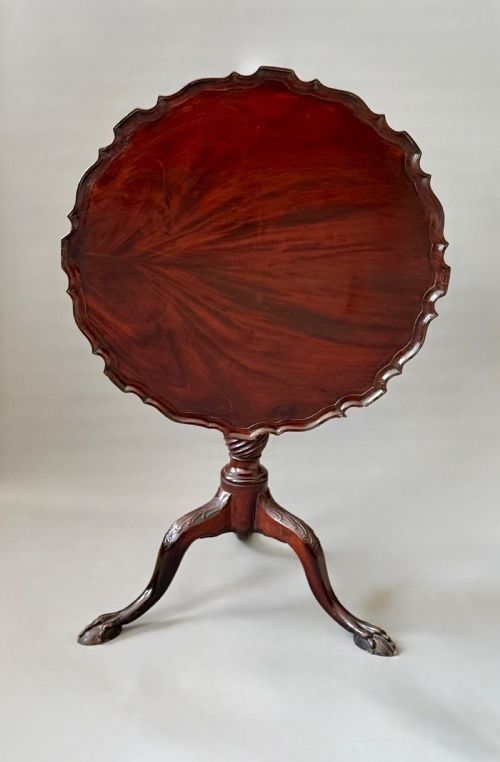
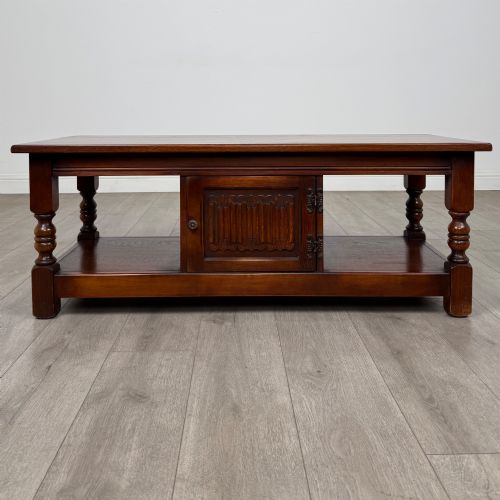
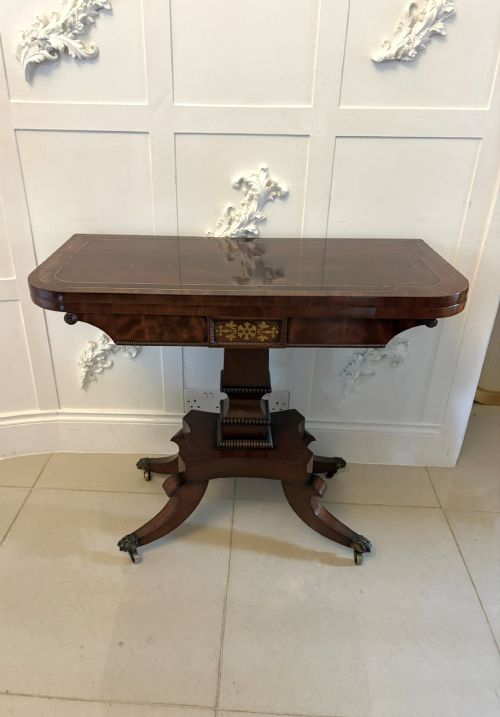
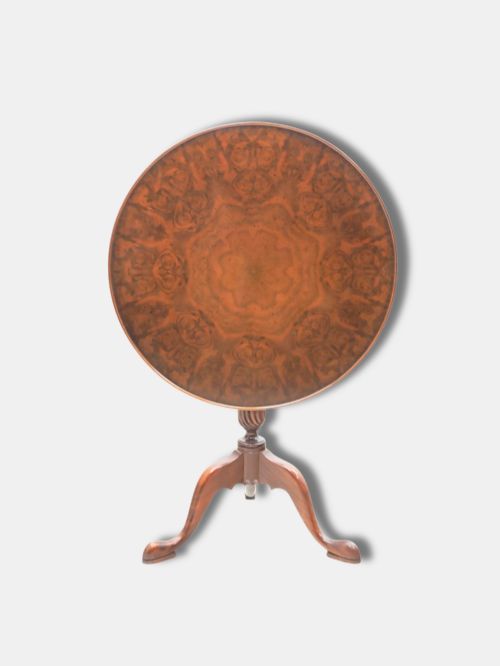
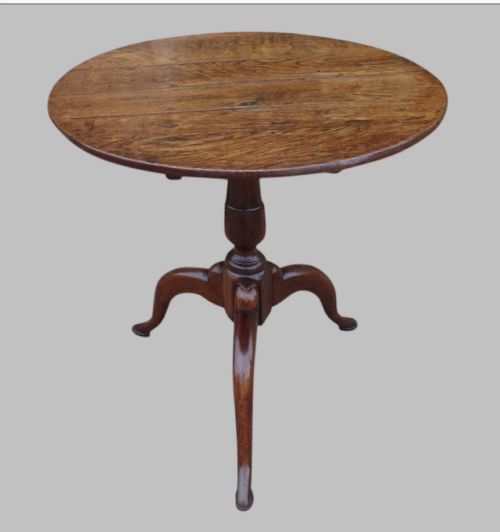
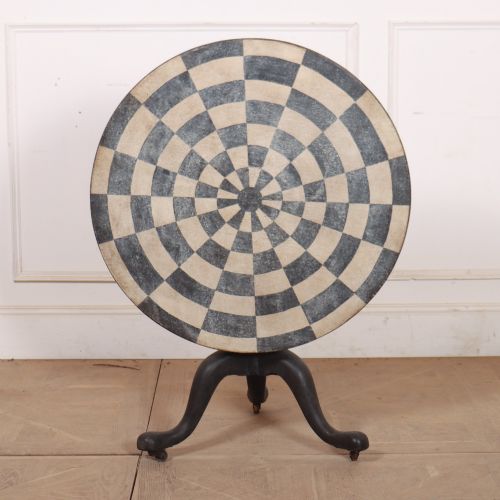
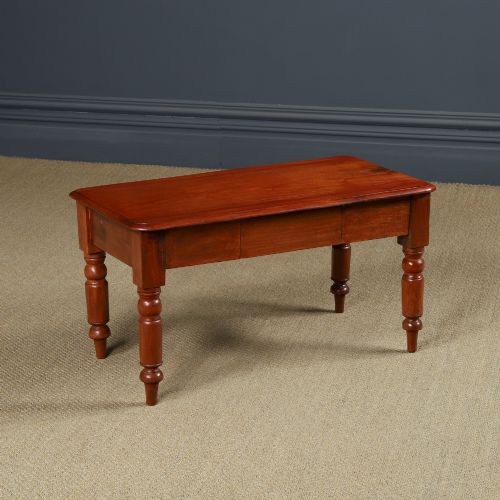
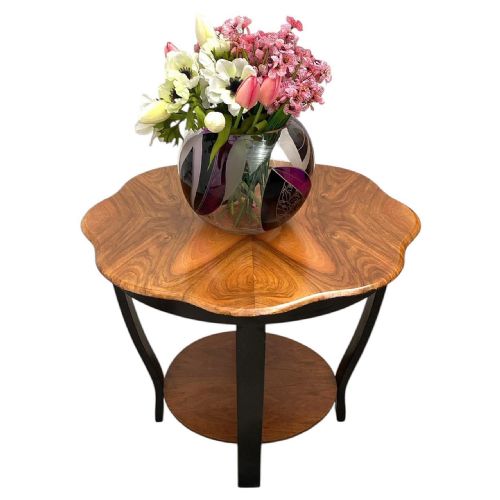
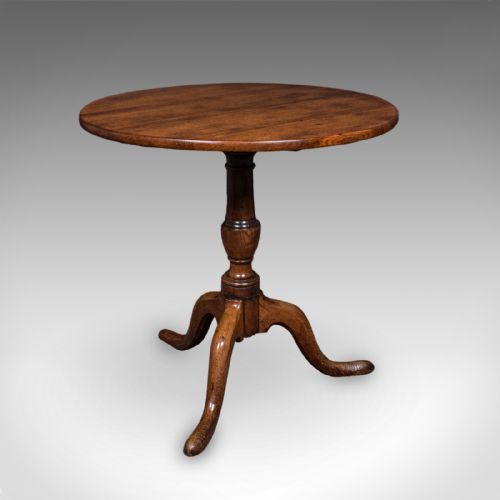
When searching for an antique English tea table, buyers encounter a variety of forms spanning the Georgian, Victorian, and Edwardian eras. These pieces range from tripod tilt-top designs to fold-over console and card tables built to serve domestic hospitality.
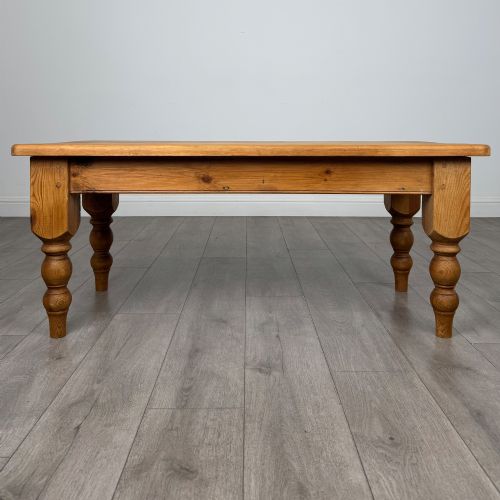
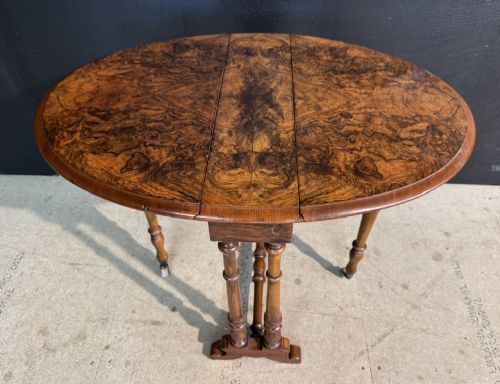
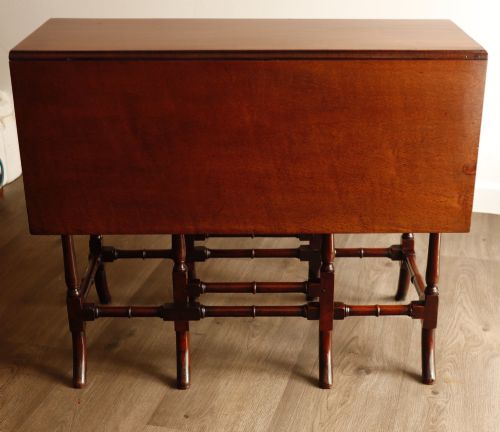
The selection frequently includes smaller occasional pieces, pembroke tables with drop leaves, and spider leg designs suited for compact spaces. Earlier examples from the eighteenth century focus on mahogany and oak craftsmanship, while later nineteenth-century items introduce rosewood, burr walnut, and inlaid brass details.
Makers designed these surfaces for flexible use, whether holding a tea service or functioning as a lamp or side table in a modern interior. The underlying construction reflects the prevailing style of each period, from Chippendale influences to Victorian proportions.
Materials and Construction
Timbers form the core of these pieces, with solid mahogany, oak, and walnut appearing alongside decorative veneers like burr walnut and rosewood. Craftsmen selected these hardwoods for durability and grain pattern, often utilising turning, carving, and dovetailing techniques.
Many folding and tilt-top variants rely on clever wooden hinges, brass pivots, and pivoting catches that allow the surface to drop or rotate flat against the base. Inlaid brass, satinwood stringing, and gesso decoration frequently accent the primary timber structure.
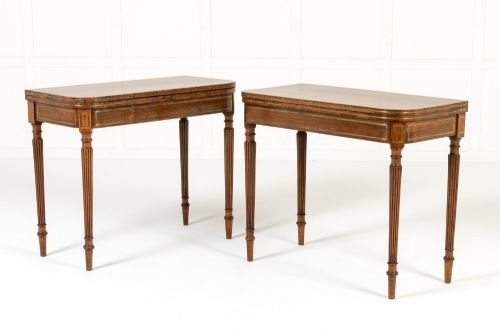
Listings feature numerous eighteenth-century Georgian tripod tables alongside nineteenth-century rosewood and mahogany fold-over tea and card tables.
Evaluating Craftsmanship
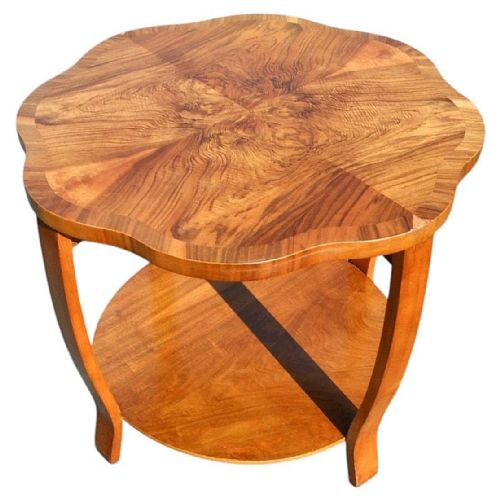
Quality rests upon the selection of timber figures, the crispness of hand-carved details such as pie-crust edges, and the structural integrity of joints and tilt mechanisms. Superior pieces display thoughtful grain matching on table tops and refined turning on the pedestals and legs.
Lower quality or later utilitarian examples often show simpler construction methods, plain timber boards without rich figuring, and heavier, unrefined frames. The finesse of the brass inlays, the tightness of the fold-over joints, and the stability of the tripod base dictate the standing of an individual piece.
Mappin and Webb·George Bullock·Gillows
The Antique English Tea Table Glossary
- Pembroke table
- A rectangular drop-leaf table with hinged flaps on either side supported by folding brackets. It typically includes one or more small drawers.
- Fold-over table
- A table with a hinged top that doubles the surface area when opened out. These designs were commonly used for serving tea or playing card games.
- Pie-crust edge
- A raised, carved decorative border shaped in curves around the perimeter of a circular table top. This detail is frequently associated with mid-eighteenth-century craftsmanship.
- Spider leg table
- A slender drop-leaf table featuring numerous thin turned legs connected by thin stretchers. This configuration provides a lightweight frame easily tucked away.
Antique English Tea Table: Frequently Asked Questions
How were tea tables used?
These tables served as mobile surfaces for pouring and serving afternoon tea in formal reception rooms. Owners moved them near firesides or windows as social habits dictated.
Over time, many adapted to general domestic tasks, holding lamps, books, or decorative objects when tea service customs evolved.
How do I date an antique table?
Dating relies on identifying the prevailing style, timber choices, and construction methods characteristic of periods like Georgian, Regency, or Victorian. Secondary woods inside drawers and the hand tools evident in the joinery provide further clues to age.
Comparing leg profiles, turning styles, and hardware against known period examples narrows the timeline of manufacture.
Will a fold-over table function as a desk?
Most fold-over tables provide a stable surface when opened, though the leg clearance and inner depth vary by design. Pembroke and card tables offer adequate knee room for light writing tasks.
Unfolding the leaf requires care to protect the antique hinges and support rails from excessive weight.
How do I care for antique wood surfaces?
Maintain timber by keeping pieces away from direct heat sources and strong sunlight that can dry out old finishes. Regular dusting with a soft dry cloth preserves the polish without building up residue.
Applying a traditional beeswax polish occasionally nourishes the grain on exposed mahogany, walnut, and oak.