

Brown Walnut Tripod Table
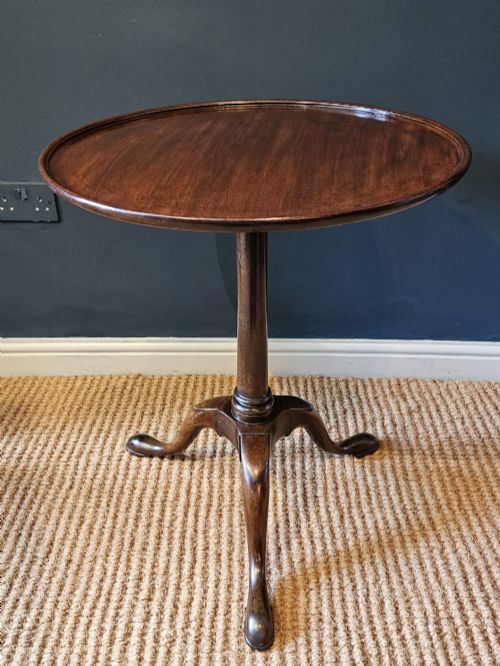
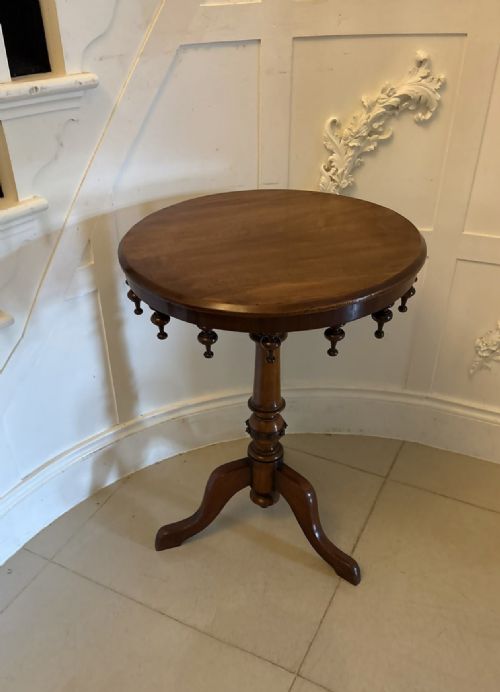
A brown walnut tripod table offers a compact surface raised on a single pillar and three legs, bringing practical elegance to any corner.
Brown Walnut Tripod Table
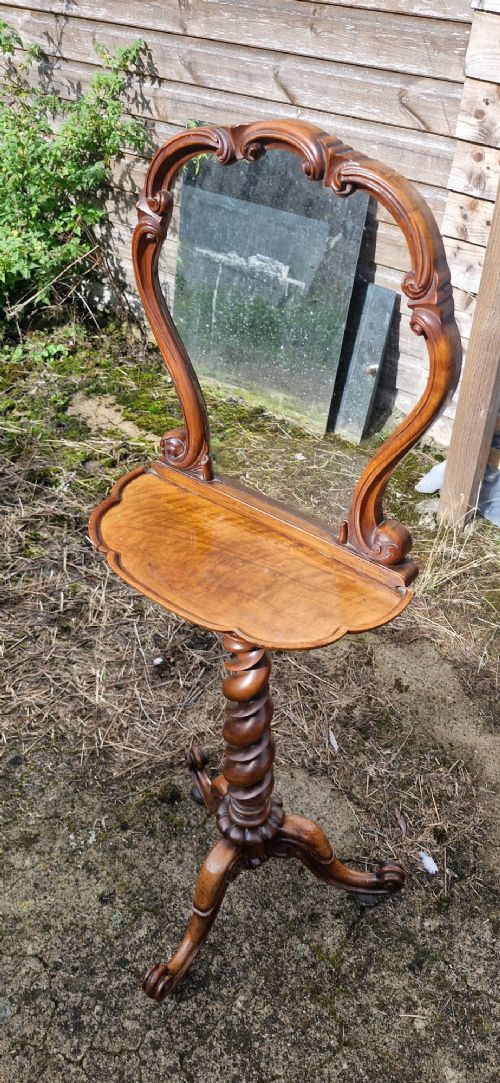
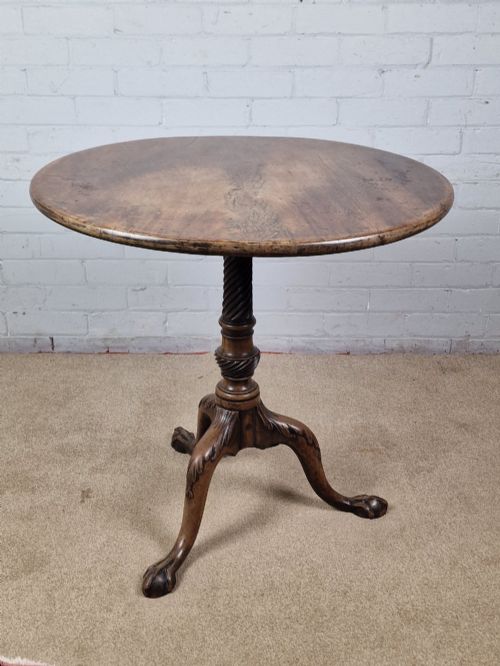
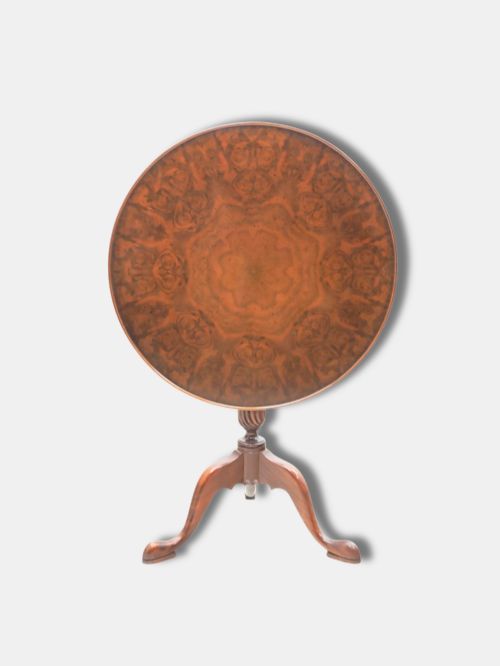
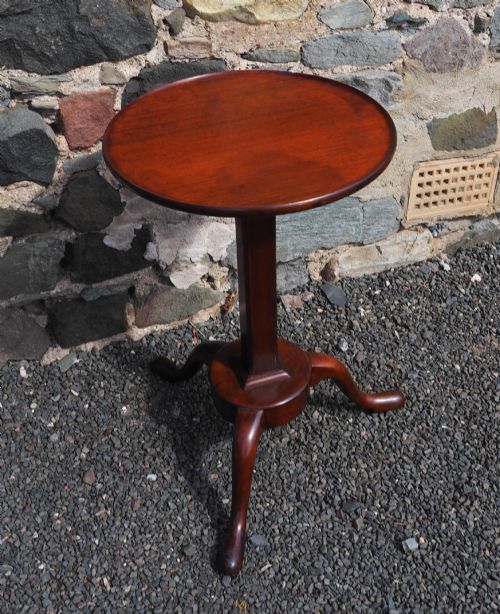
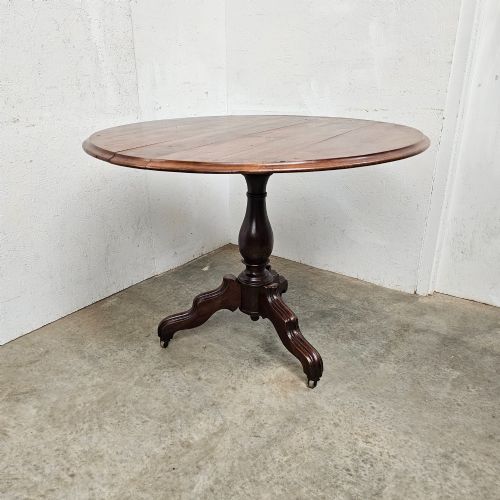
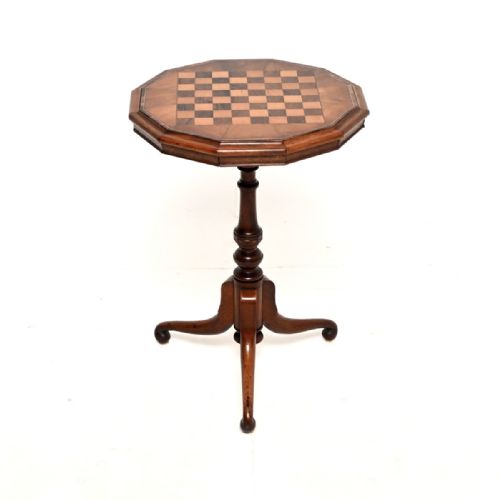
A brown walnut tripod table is primarily encountered through nineteenth century Victorian examples alongside earlier eighteenth century Georgian precursors. These pieces appear in forms such as lamp tables, wine tables, candlestands, and tilt top tables.
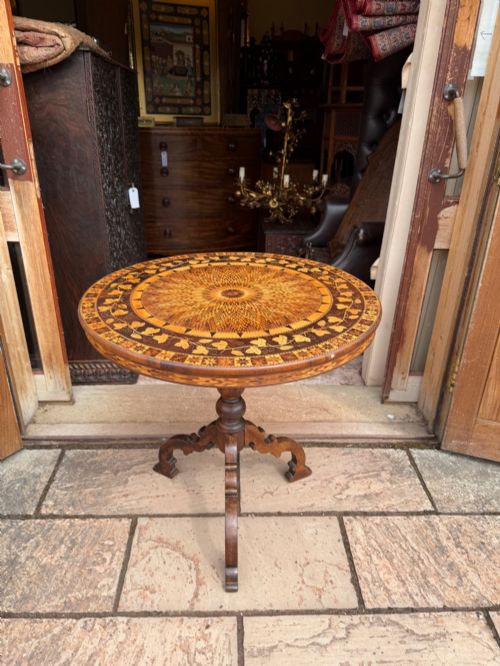
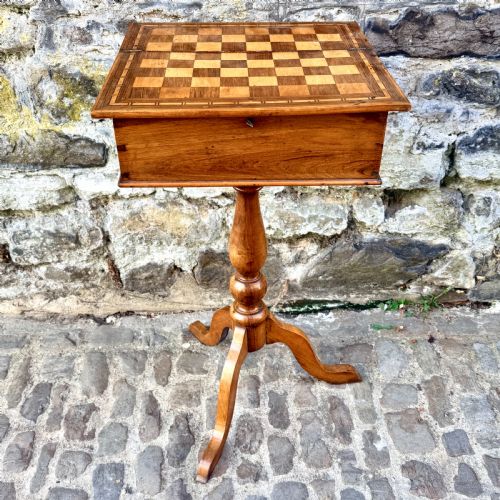
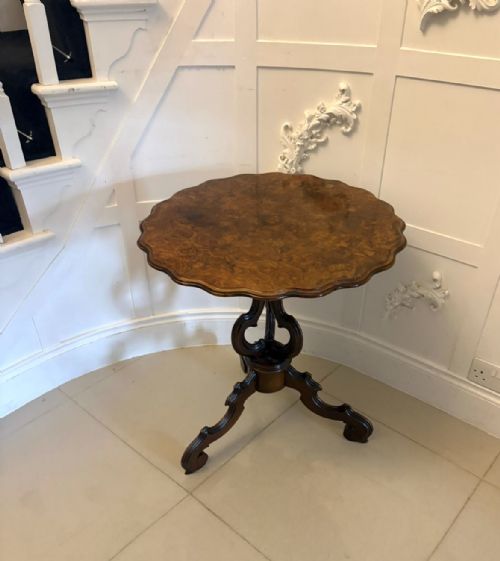
Makers shaped these items for versatile placement as occasional furniture in sitting rooms and parlours. The selection spans straightforward round tops to elaborate inlaid chess boards and scalloped edges.
Materials and construction
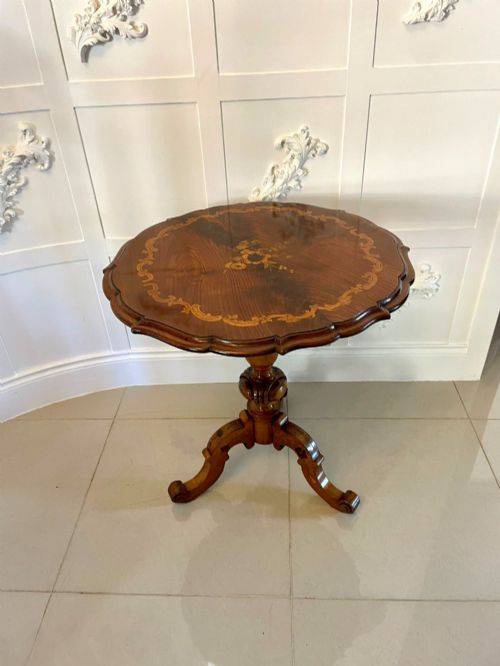
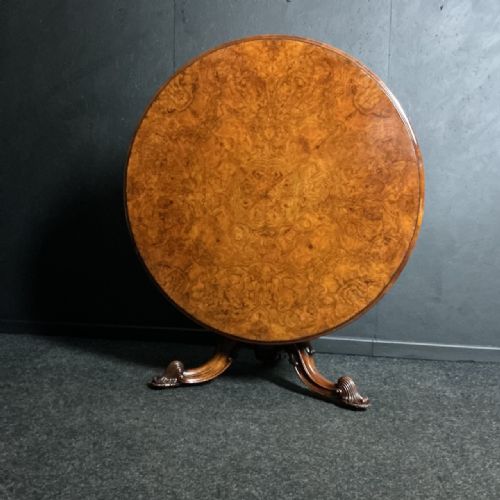
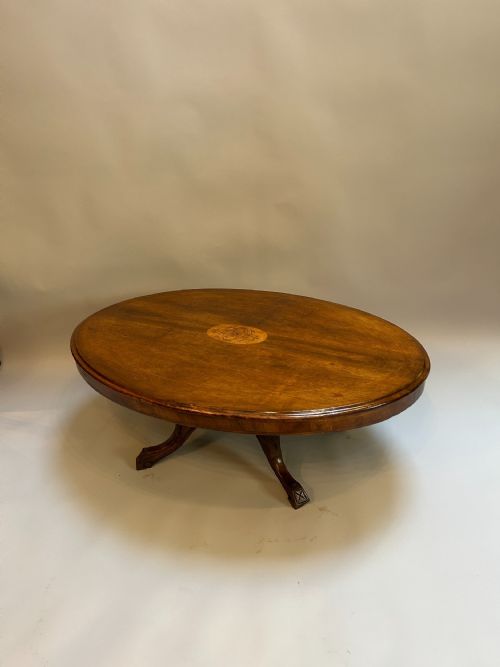
Cabinetmakers utilised walnut and burr walnut veneers, often supported by secondary timbers like mahogany and fruitwood, to construct these pedestals. Artisans added decorative surface detail through marquetry inlay, parquetry, and brass elements.
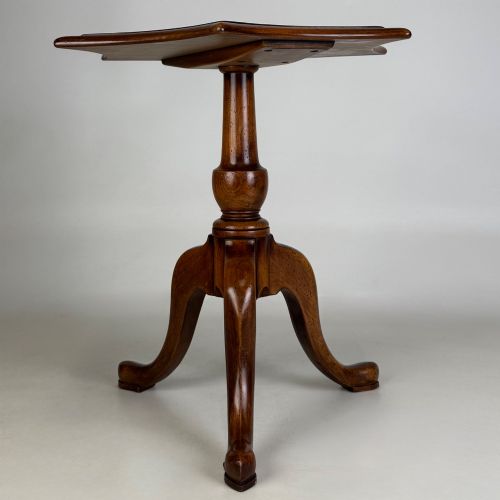
The central pillar meets a three-legged base, occasionally featuring tilt mechanisms or snap top functions allowing the surface to fold away when not in use.
The listings show brown walnut tripod tables spanning the Georgian, Victorian, and Edwardian periods, incorporating marquetry inlay, marble, and brass.
Assessing the pieces
Execution of the timber figure and the crispness of hand carving dictate the standing of a piece. Finer examples display carefully matched burr veneers and sophisticated floral marquetry rather than plain surfaces.
Structural integrity of the central column and the tight fit of the leg joints determine durability. Superior construction shows balanced proportions between the top and the supporting tripod base.
The Brown Walnut Tripod Table Glossary
- Tilt top table
- A table with a hinged surface that rotates into a vertical position. This allows the furniture to stand flat against a wall when not utilised.
- Marquetry inlay
- Decorative patterns formed by fitting small pieces of veneer into a prepared recess. Craftsmen used various woods to create floral or geometric motifs.
- Candlestand
- A small, slender occasional table designed to hold a light source. These typically feature tall pedestals and compact tops.
- Burr walnut
- Wood taken from a tree growth exhibiting swirling knot formations. This material yields highly figured and decorative veneer surfaces.
- Gueridon
- A small French occasional table supported by a column or figures. The form originated in the seventeenth century and continued through later periods.
Brown Walnut Tripod Table: Frequently Asked Questions
What is a brown walnut tripod table used for?
These pieces served historically as moveable stands for lamps, candles, or drinks beside seating. Today they function effectively as decorative occasional tables in living spaces.
Their compact footprint allows them to fit into awkward corners or beside armchairs without crowding a room.
How do I identify a Victorian walnut table?
Victorian examples often feature dark walnut timbers, turned pedestals, and occasionally elaborate marquetry inlay on the top. Many incorporate tilt top mechanisms or carved tripod legs.
Examining the construction methods underneath helps distinguish nineteenth century production from later revival pieces.
What is the difference between a wine table and a lamp table?
Wine tables traditionally featured smaller tops designed to hold glasses and bottles during evening gatherings. Lamp tables offered slightly broader surfaces suited to heavier lighting fixtures.
In practice, antique dealers often use these terms interchangeably based on size and proportion.
Can I use a tilt top table flat?
Yes, the mechanism locks the surface horizontally for everyday use as a normal table. The hinge simply provides storage flexibility.
Ensure the brass catch or wooden wedge securing the top is stable before placing items on the surface.