
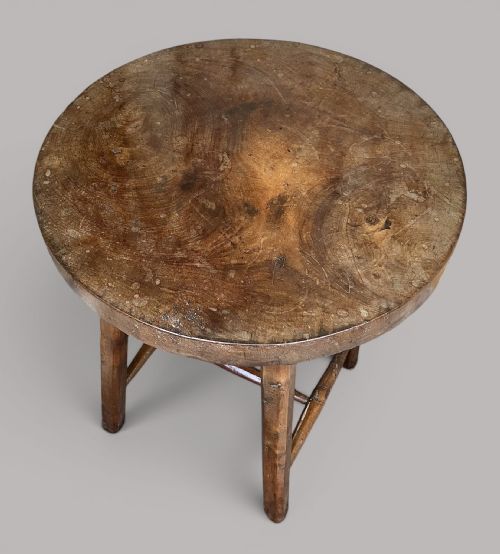
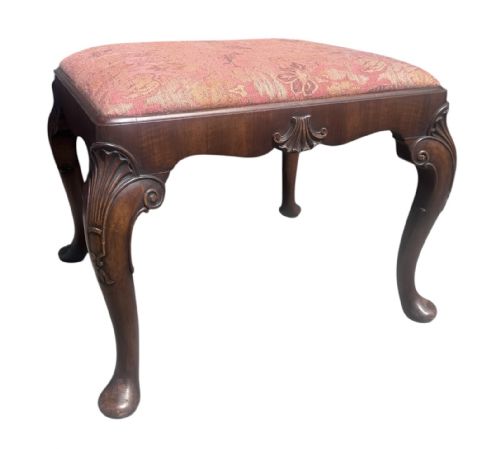
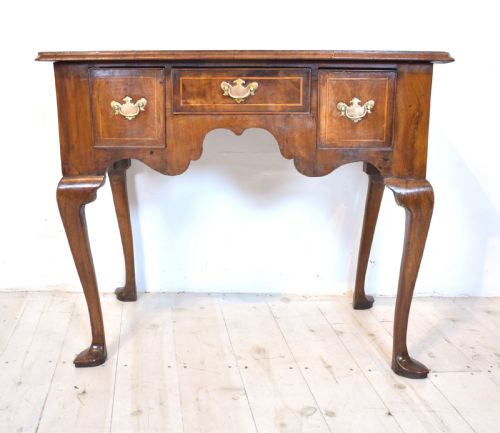


Georgian Walnut Accent Table
A georgian walnut accent table brings warmth and rich grain to a room through centuries-old timber.
Georgian Walnut Accent Table
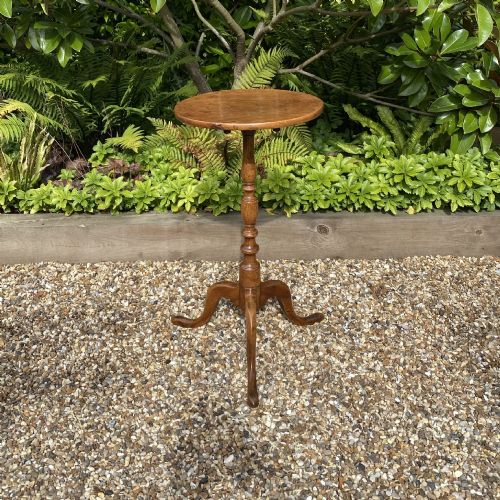
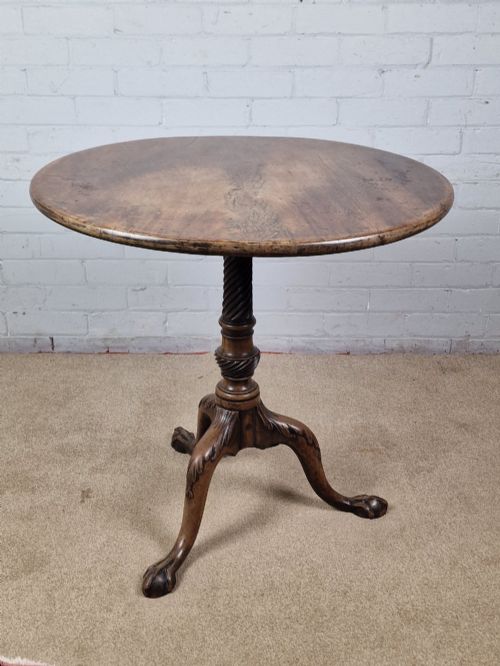
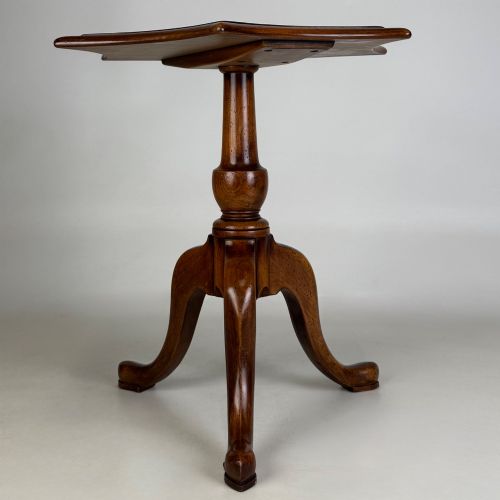
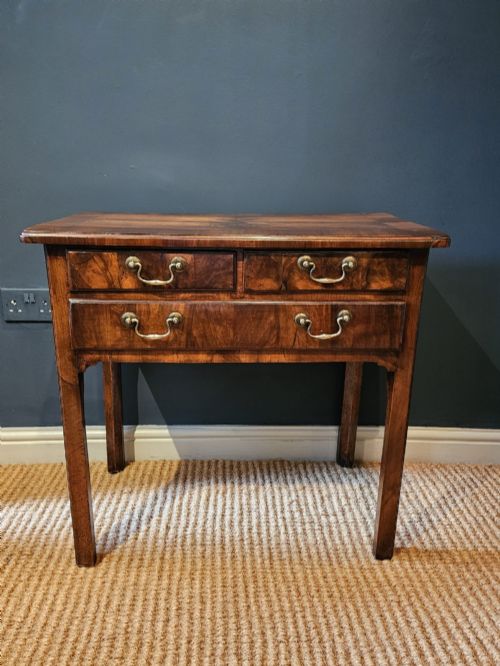
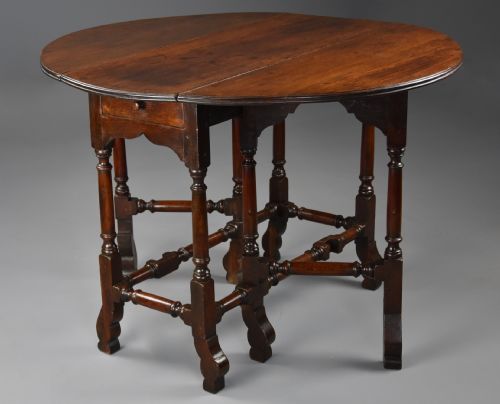
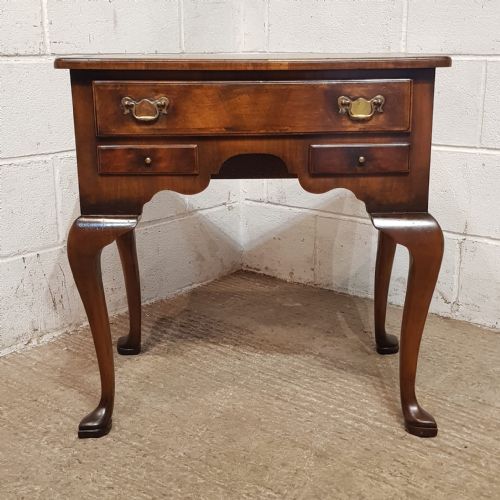
A georgian walnut accent table encompasses lowboys, tilt-top tripod tables, side tables, and wine tables produced during the eighteenth century and later revived. These compact forms served functional household roles, from holding lamps to displaying silver.
The pieces appearing here include authentic eighteenth-century examples alongside later twentieth-century revivals. Side tables and lowboys dominate the selection, offering drawers and turned legs suited for practical placement.
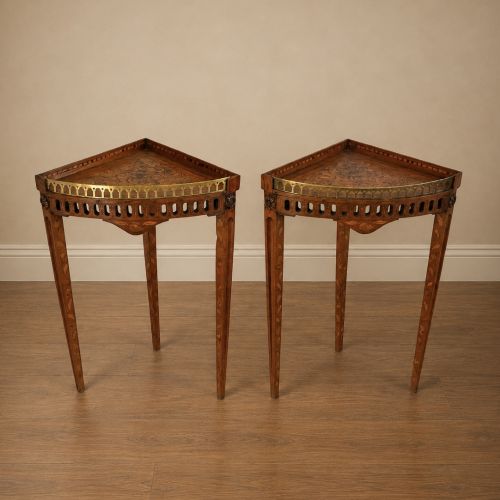
Makers shaped these tables from solid timber or applied veneers to create varied surfaces. The range spans simple country pieces to ornate marquetry-inlaid corners.
What varies in quality
The selection of timber grain defines visual merit, with highly figured burr walnut and red walnut achieving greater decorative impact. The choice between solid construction and veneered surfaces alters the character of each piece.
Fine craftsmanship shows in the execution of marquetry inlay, pie-crust edges, and brass galleries. Proportions and the crispness of carved details distinguish original eighteenth-century work from later revivals.
Several tables come equipped with brass galleries, ensuring runaway tea cups remain safely stationed during moments of high drama.
The Georgian Walnut Accent Table Glossary
- Lowboy
- A small side table or dressing table featuring drawers and cabriole or straight legs. These pieces typically date from the eighteenth century.
- Tilt top table
- A table with a hinged top that pivots vertically to save space when not in use. They often stand on tripod pedestals.
- Marquetry
- Decorative inlay work using various coloured woods to create intricate patterns on table surfaces. This technique adds ornamental detail to eighteenth-century pieces.
- Pie crust
- A carved, raised, undulating border shaped around the edge of a circular table top. This decorative feature appears on wine and occasional tables.
- Burr walnut
- A specialised wood cut from walnut tree growths, prized for its swirling grain patterns. Cabinet makers used it extensively for veneering tabletops.
Georgian Walnut Accent Table: Frequently Asked Questions
What is a lowboy used for?
A lowboy served historically as a small side table or dressing table with drawers for storage. Today, they function well as compact hall tables or desk alternatives in smaller spaces.
Their shallow depth allows them to fit narrow corridors without obstructing movement.
How do I spot a reproduction?
Reproductions often date from the twentieth-century Georgian revival periods rather than the eighteenth century. Examining the construction methods and timber ageing helps determine the actual period.
Later pieces frequently utilise twentieth-century hardware alongside older styling cues.
Where should I place a tilt top table?
Tilt top tables suit corners or empty wall spaces where their pivoting mechanism can be displayed. When lowered flat, they function as occasional surfaces for lamps or drinks.
Their tripod bases require modest floor space.
What distinguishes burr walnut from plain walnut?
Burr walnut derives from abnormal tree growths that produce complex, swirling grain patterns. Plain walnut displays a straighter, more uniform grain structure.
Cabinet makers reserved burr veneers for the most prominent decorative surfaces.